
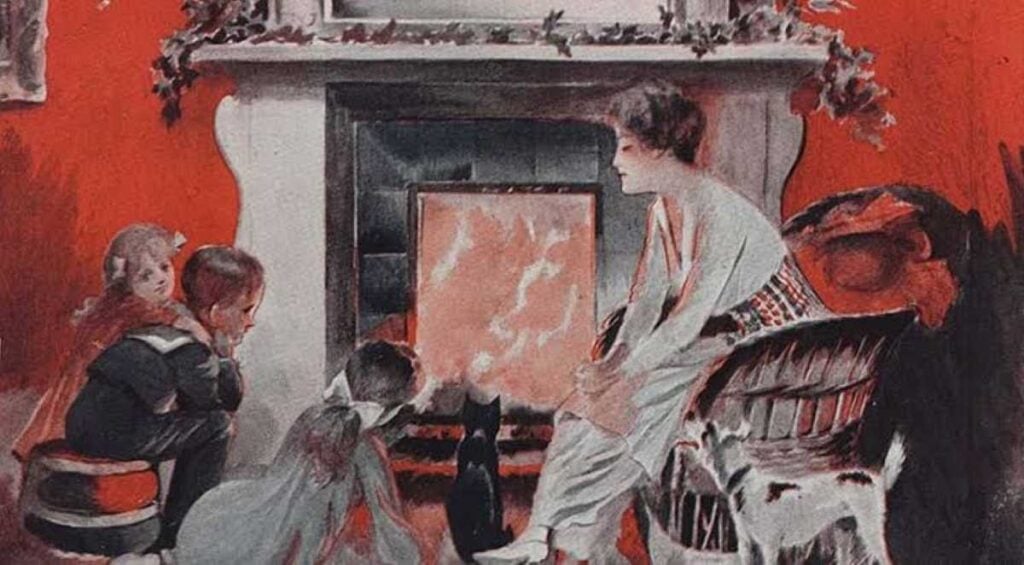
If you grew up in the ’60s or ’70s, you know something that kids today will never understand: winter used to happen inside your house too.
There was no button on the wall that made the whole place warm. You had a space heater, maybe a wood stove, or if you were lucky, a fireplace that worked. That was it. The rest of the house? You just lived with the cold. And honestly, once the oil crisis hit in 1973 and heating bills shot through the roof, staying warm wasn’t just about comfort — it was about money too. Families got smart, and a little tough, about how they used heat.
Looking back, it sounds rough. But if you lived it, you probably remember it more with a laugh than a shiver. It built character. It also built some habits and memories that only people who were there will really get. Here are eight of them.
1. The One Warm Room in the House
Every house had one room that was actually warm, and everybody knew exactly which one it was. Usually it was the living room, sometimes the kitchen — wherever the wood stove, fireplace, or space heater lived. That room was home base.
The second dinner was over, or as soon as the sun went down, the whole family drifted toward it without even talking about it. You just knew. Dad had his chair closest to the heat. Mom might be sewing or reading nearby. Kids sprawled out on the floor doing homework or watching TV, inches from the warmest spot they could find.
Everywhere else in the house told a different story. Walk into the hallway and you’d feel the temperature drop. Walk into your bedroom and it felt like stepping outside. Nobody hung around in those rooms longer than they had to. You went in, grabbed what you needed, and got back to the warm room as fast as you could.
Looking back, there was something kind of nice about it, even if nobody thought so at the time. The whole family ended up in the same room every single night, just because it was the only place warm enough to sit still. No central heating meant no reason to scatter off to different corners of the house. You were all stuck together — and most nights, that wasn’t such a bad thing.
2. Frost on the Inside of Your Bedroom Window
Here’s something kids today have never seen: frost growing on the inside of a window. Not outside, where you’d expect it. Inside. Right there on the glass, a few feet from where you were sleeping.
You’d wake up, roll over, and see the whole window covered in these little icy patterns, almost like lace. It looked kind of pretty, honestly, if you weren’t the one who had to get out of bed into that cold air.
A lot of kids couldn’t resist touching it. You’d press a finger to the glass and watch a little clear spot melt through, just big enough to peek outside and see what kind of day it was going to be. Snow on the ground? Gray skies? You found out through your own little peephole in the frost.
Some kids went further and drew whole pictures in it — a smiley face, your initials, whatever you could manage with one finger before it went numb. It was basically a free notepad that showed up every cold morning, right on your own window.
It’s a small thing, but it says a lot. That’s how cold houses really got back then — cold enough that moisture in the air froze solid on the inside of the glass. Nobody worried about it much. It was just Tuesday.
3. The Morning “Freezing Dash”
Getting out of bed in winter wasn’t just waking up — it was a mission. The second your alarm went off, you had a choice to make: stay wrapped up in every blanket you owned, or brave the cold air waiting just outside those covers.
Most kids figured out a system. You’d grab your clothes the night before and stuff them under the covers with you, so they wouldn’t feel like ice when you put them on. Or you’d get dressed as fast as humanly possible, hopping around while pulling on pants, because standing still in that cold room for even a few extra seconds felt unbearable.
Then came the real test: the floor. No carpet in the world felt warm on a winter morning, and if your floor was wood or tile, forget it. You learned to walk on your toes, or you kept a pair of thick socks parked right by the bed so your feet never had to touch bare floor.
And don’t even get started on doorknobs. Metal ones felt like grabbing an ice cube first thing in the morning. You’d wrap your sleeve around your hand just to open your own bedroom door.
The whole goal, every single morning, was to get from your bed to the one warm room in the house as fast as possible. Kids would practically sprint down the hallway, half-dressed, chasing that warm air like it was the finish line in a race. And once you got there? Instant relief. You made it. Another freezing dash, survived.
Read Also: 12 Useless Things You Won’t Believe We’re Still Stuck Using (That Should’ve Disappeared Years Ago)
4. Long Johns Were Not Optional
These days, thermal underwear is something you buy for one ski trip and never wear again. Back then, it was just what you put on every single morning from about November to March. No debate. No choice. Your mom laid it out, and you wore it.
Long johns went on first, right under your regular clothes. Then came the flannel shirt, and thick wool socks that always seemed to itch a little but kept your feet from turning to ice. Layering wasn’t something you did to go outside and play in the snow — it’s what you did just to sit in your own house and feel like a normal person.
Bedtime meant another round of the same thing. Flannel pajamas, maybe with socks still on, sometimes even a hat if your room got really cold. You dressed for bed the way some people dress for a hike now — like the cold was something you had to prepare for, not just something you’d shrug off.
Nobody thought of it as extreme. It was just how you dressed in winter, inside and out. The line between “outdoor clothes” and “indoor clothes” barely existed. If the heat wasn’t going to keep you warm, your clothes had to do the job instead.
5. The Glowing Orange Space Heater (and the Rule: Don’t Touch It)
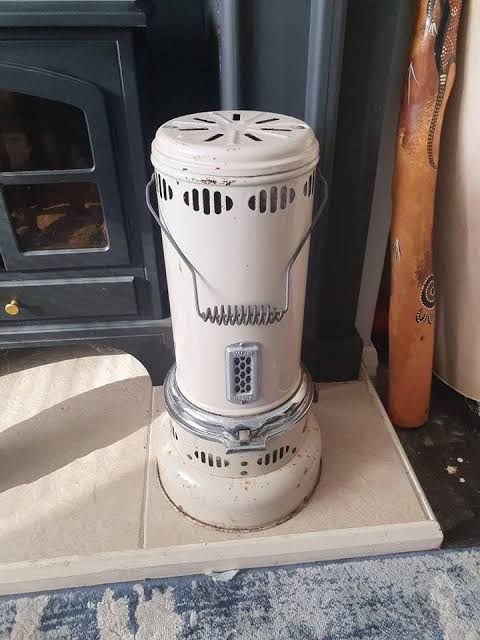
Every cold-weather house had one: the space heater. Maybe it had glowing orange coils that lit up the room a little when you turned it on. Maybe it ran on kerosene, or paraffin oil if that’s what your family called it, and had its own smell that you’d know anywhere, even now, decades later. Either way, that thing was basically a member of the family every winter.
You knew the sounds it made by heart. The click when someone turned it on. The slow ticking as the metal warmed up. The little hum once it really got going. It became part of the background noise of the house, right up there with the TV or the phone ringing.
And every kid knew the rule, because it got repeated about a hundred times a season: don’t get too close. Don’t touch it. Don’t put your socks on it to dry, even though everybody’s mom or dad did exactly that at some point. Parents watched that heater like a hawk whenever kids were nearby, because those things got hot enough to really hurt you.
Still, on the coldest nights, there was nothing better than standing a few feet back from that heater, feeling the warm air hit your legs, watching those coils glow orange in an otherwise dark room. It wasn’t fancy. It wasn’t even all that safe by today’s standards. But it did the job, and it’s a sight a lot of people can still picture perfectly, all these years later.
6. Mountains of Blankets — and Maybe an Electric Blanket
If the room was cold, the answer was simple: pile on more blankets. Beds back then weren’t just a sheet and a comforter. They were a whole stack — a couple of quilts, maybe an old wool blanket that had been in the family for years, sometimes a bedspread on top of all of it just for good measure.
Climbing into bed felt like climbing under a small mountain. And once you were in, you were in. Some nights the blankets were so heavy you could barely roll over. You’d wake up in the morning basically pinned to the mattress, arms stuck at your sides, and you’d have to fight your way out just to start the day.
If your family had an electric blanket, that was a whole different level. You’d turn the little dial before bed and wait for it to warm up, and it felt like an incredible luxury compared to just piling on more covers. It also came with its own set of nervous warnings — don’t fold it, don’t let the cord get tangled, don’t leave it on all night. Half the fun was the warmth. The other half was feeling like you were doing something slightly risky just by using it.
Either way, bedtime in winter meant getting buried. And honestly, once you were under all that weight, warm and a little trapped, it was one of the best feelings in the world.
Read Also: What the One Thing You Kept From Your Childhood Home Says About You
7. Steam Radiators That Clanked, Hissed, and Knocked All Night
If you grew up in an older house, especially anywhere in the Northeast or Midwest, you probably had radiators instead of a space heater. And if you did, you knew they came with their own personality — a loud one.
Those old steam radiators were never quiet. Right when they kicked on, you’d hear a knock, then a clank, almost like someone was hitting a pipe with a wrench somewhere inside the walls. Then came the hiss, and sometimes a low gurgle, like the whole system was grumbling about having to work. It wasn’t smooth. It wasn’t gentle. It just showed up, loud and clear, every single time the heat turned on.
At first, all that noise could actually keep you up at night. But after a while, it stopped being scary and just became part of the background, like a train passing by or a dog barking a few houses down. You barely noticed it anymore. If anything, hearing it click and hiss meant one thing — the heat was working, and the room was about to warm up.
There was one rule everybody learned the hard way, usually just once: never touch a radiator with bare skin when it was running. Those things got scalding hot, way hotter than you’d expect just looking at them. One accidental brush against the metal and you never made that mistake again.
Noisy or not, those radiators did their job. And for a lot of people, that clanking and hissing sound is still tied up with memories of home — cold nights, warm rooms, and a house that let you know exactly when the heat kicked in.
8. Turning Down the Thermostat Was a Family Event
In a lot of houses, the thermostat wasn’t something you touched. It was something your parents guarded. Turning up the heat meant asking first, and the answer was almost always the same: “Put on a sweater.”
That wasn’t just a mom-and-dad rule. It was practically the mood of the whole country back then. Once the oil crisis hit in the ’70s, energy became something everybody talked about — on the news, at school, around the dinner table. President Carter even went on TV in a cardigan sweater and asked Americans to turn their thermostats down to save fuel. It became a whole moment, and a lot of families took it to heart, whether they’d seen the speech or not.
So thermostats got set low, and stayed low. Sixty-five degrees felt normal. Anything warmer than that seemed like showing off. If you were cold, the fix wasn’t more heat — it was another layer. Another pair of socks. Another sweater pulled out of the drawer. Turning the dial up even a couple degrees felt like a big decision, one that usually needed a parent’s approval first.
Looking back, it’s kind of amazing how normal that was. Nobody thought twice about wearing a sweater indoors. It wasn’t a hardship — it was just Tuesday. And weirdly enough, it taught a lot of kids a lesson that stuck around long after the ’70s ended: you don’t always need more heat. Sometimes you just need another layer.
Kids Today Will Never Get It
Nowadays, heat is just… there. One tap on a phone and the whole house warms up before you even walk in the door. No frost on the windows. No freezing dash down the hallway. No standing in front of a glowing space heater hoping your socks dry in time for school.
If you grew up without central heating, you know it wasn’t easy. But it wasn’t all bad either. It brought families into the same room together. It taught you to bundle up and just deal with it. And it gave you a pile of memories that almost nobody under a certain age will ever understand.
So, which one hit home the hardest for you? Was it the frost on your window, the radiator that wouldn’t quit clanking, or your mom telling you to put on a sweater for the hundredth time? Drop your own memory in the comments — we’d love to hear it.
Read Also: 23 “Outdated” House Rules Our Grandmothers Followed That Quietly Made Life Better