
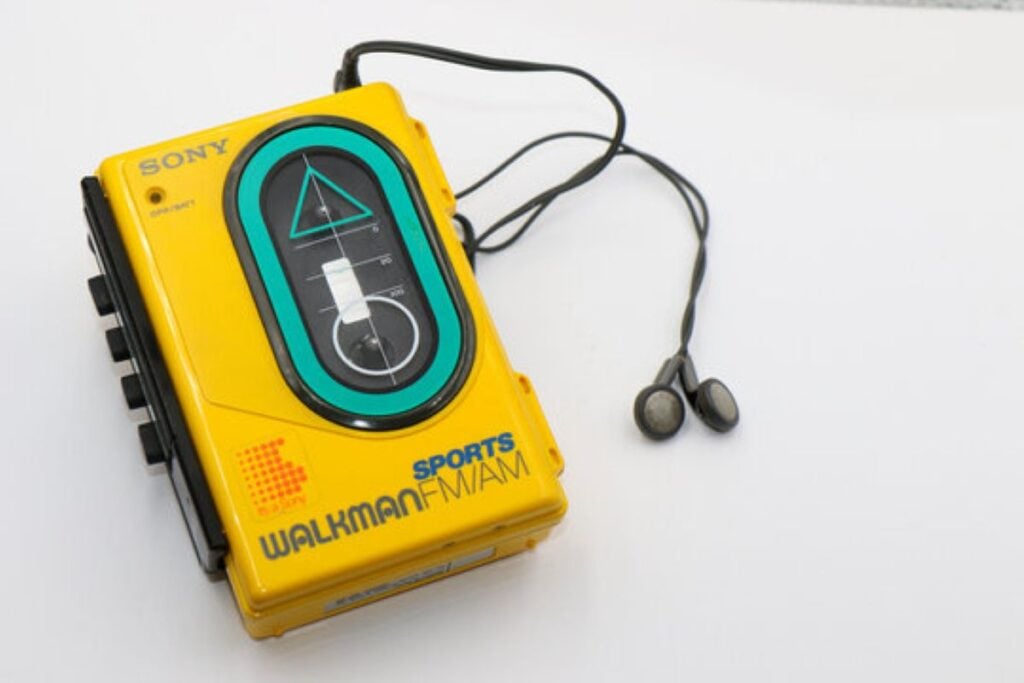
Here’s something almost everyone has in common: when it’s time to leave a childhood home for good — selling it, cleaning it out, whatever the reason — there’s always one thing people refuse to part with. Not the whole room, not even most of it. Just one object they grab and hold onto, no matter how small or random it might seem to everyone else.
The interesting part isn’t really the object itself. It’s why that one thing, out of everything, was the one you couldn’t let go of. What did you need it to hold onto for you?
Quick heads up before we dive in: this isn’t science, it’s just fun pattern-spotting. Nobody’s diagnosing you off a stuffed animal. So don’t overthink it — just scroll through and see which one is yours.
1. A Stuffed Animal
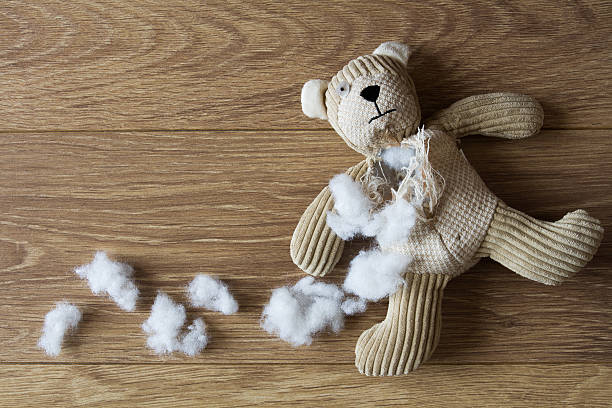
If the one thing you couldn’t leave behind was a stuffed animal — a worn-out bear, a bunny missing an eye, whatever it is — there’s a good chance you’re someone who gets attached to things fast. Not in a bad way. It’s more that objects feel like they have a little bit of life in them to you. That bear wasn’t just a toy. It was a friend who listened to your secrets, went on made-up adventures with you, and somehow always felt like it knew you.
Keeping it doesn’t mean you’re stuck in kid mode. It just means you’re someone who finds comfort in things that feel steady and familiar, even now. Maybe you still have a favorite hoodie you refuse to throw out, or a mug you always reach for. Same instinct, different decade.
2. A Blanket
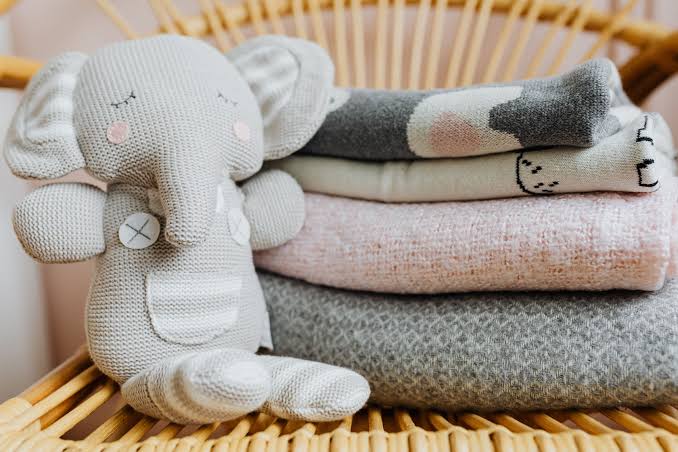
A blanket is a different kind of keep. It’s not about a character or a face — it’s about a feeling. The weight of it, the way it smelled, how it felt during a thunderstorm or a bad day. If this is your item, you probably care more about comfort and routine than sentimental stuff for its own sake.
You’re likely the person who has a “spot” on the couch, a bedtime routine you don’t skip, a specific way you like your coffee. It’s not boring — it just means you know what makes you feel safe, and you’re not embarrassed to hold onto it. Some people need a plan for the day to feel okay. You need your blanket-equivalent, whatever that looks like now.
3. A Specific Toy (Legos, Action Figures, a Board Game)
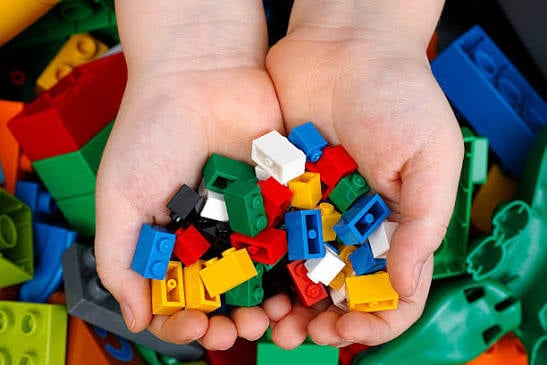
If you kept one particular toy — a Lego set you built a hundred times, an action figure, a board game missing a piece — this one says less about comfort and more about how you liked to play. And how you liked to play often turns into how you like to work now.
Kept the Legos? You were probably the builder — the planner, the one who liked making something out of nothing. Kept the action figure? You might’ve been the storyteller, always inventing plots and voices for it. Kept the board game? You liked structure, rules, and a little friendly competition. The toy isn’t random — it’s basically a tiny time capsule of how your brain works.
4. A Favorite Book
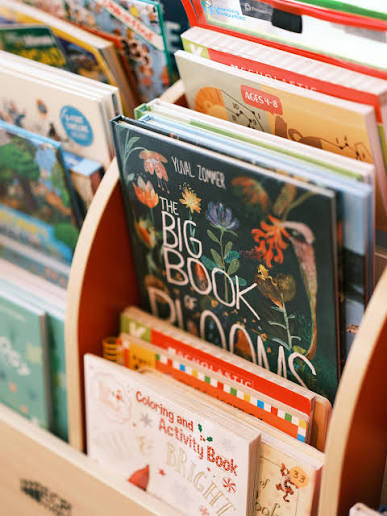
A book is a sneaky one, because it’s not really about the book — it’s about who you were when you read it. If you kept your favorite childhood book, chances are it shaped you more than you realize. Maybe it opened up a whole new world you wanted to disappear into. Maybe it was the first time you saw a character who felt like you.
Or — and this is just as real — maybe you don’t remember much about the story at all. What you remember is being read to. The voice, the closeness, the feeling of being taken care of. Either way, that book isn’t just paper and pages. It’s proof of a moment that mattered.
5. An Old Piece of Clothing
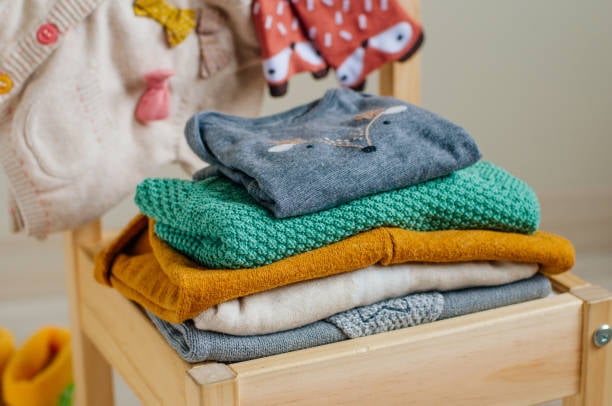
Clothes are personal in a way most objects aren’t. If you kept a specific t-shirt, jacket, or pair of shoes from when you were a kid, it’s probably marking a time when you felt most like you. Not who you are now, necessarily — who you were back then, before you had to think so hard about how you came across.
Sometimes that piece of clothing lines up with a whole phase: a sports season, a friend group, a summer that felt important. Other times, honestly, it’s just comfortable. And that’s fine too — not everything has to mean something deep. Sometimes soft cotton is just soft cotton.
6. A Diary or Journal

If you kept an old diary or journal, you’re probably someone who works things out by writing them down instead of saying them out loud. Even as a kid, you needed a place to dump your thoughts where nobody could interrupt or judge you. That notebook wasn’t for anyone else. It was just for you to figure yourself out.
That doesn’t mean you’re still journaling every night now (though hey, maybe you are). Sometimes people keep an old diary just to peek back at who they used to be — not because they still write, but because they’re curious. Either way, it’s a pretty honest thing to hold onto. Not many people save proof of their most private thoughts.
Read Also: 8 Things Only People Who Grew Up Without Central Heating in the 1970s Remember
7. Your Own Childhood Artwork
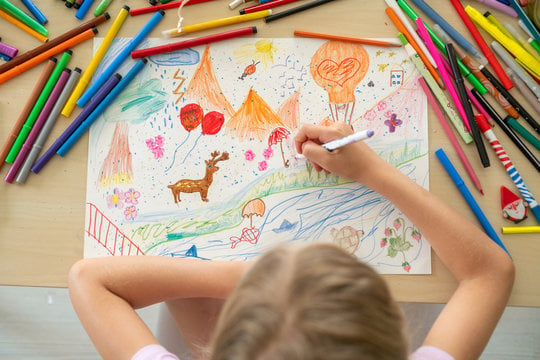
Keeping something you made is a little different from keeping something you were given. If it’s a drawing, a painting, or some other art project, it usually means you were a kid who liked making things — and more importantly, you liked being allowed to make things, even badly.
It’s not really about being talented. Little-kid art is never perfect, and that’s kind of the point. What you’re holding onto is permission — permission to try something without it needing to be good. If you’re the type who still likes doodling, cooking without a recipe, or just making stuff with your hands, that instinct probably started right here.
8. A School Project or Report Card
This one’s easy to lump in with trophies, but it’s actually pretty different. A trophy says “I won.” A school project or report card says “I got better.” If this is what you kept, you’re likely someone who cares more about growth than about winning — proof that you tried hard and improved, not just proof that you came out on top.
Maybe it’s a science fair project you were proud of, or a report card where your grades finally clicked into place. Either way, it’s less about showing off and more about remembering what it felt like to work at something and actually see it pay off. That mindset usually doesn’t go away — it just shows up differently now, in work projects or personal goals instead of homework.
10. A Collectible (Cards, Coins, Figurines)
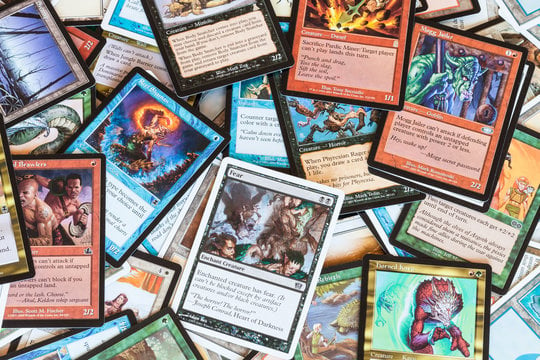
If you kept a collection — trading cards, coins, little figurines, whatever it was — you’re probably someone who likes order. Not just having stuff, but organizing stuff. Sorting it, tracking down the missing pieces, knowing exactly what you have and what you still need. That’s a specific kind of satisfying, and it doesn’t really go away.
Honestly, it might not even be about the actual cards or figures anymore. A lot of the time, what people miss is the system — the sorting, the hunting, the feeling of a collection slowly coming together. If you’re the type who still likes checklists, playlists, or a perfectly organized closet, that’s the same itch.
11. A Musical Instrument
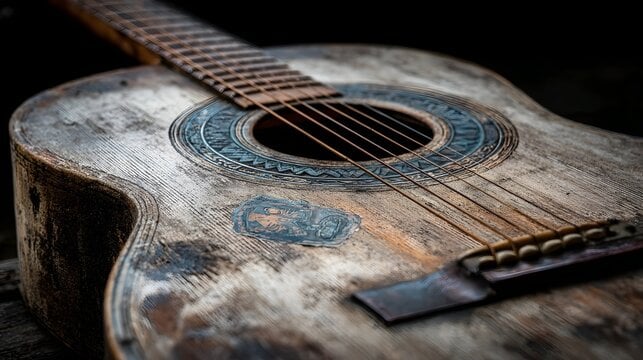
Keeping an old instrument is a little bittersweet, and that’s okay. It usually means music mattered to you — maybe you were actually pretty good, or maybe you just loved how it felt to practice and slowly get better at something. Instruments take real effort, so holding onto one says you valued that kind of discipline, even as a kid.
Sometimes it comes with a small “I should really pick this back up” feeling, and that’s completely normal. It doesn’t mean you failed at anything. It just means a part of you is still open to it — like the door never fully closed, even if it’s been a while since you walked through it.
12. A Piece of Furniture
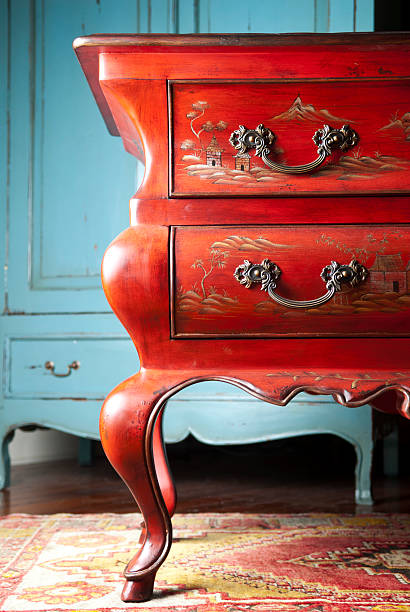
Furniture is the practical one on this list. Nobody keeps a dresser or a desk because it’s cute — they keep it because it’s useful, sturdy, and it still works. If this is your item, you’re probably someone who values function over sentiment. You’re not chasing nostalgia for nostalgia’s sake; you just don’t see the point in replacing something that’s still doing its job.
That said, don’t underestimate it — furniture sticks around through everything. It sat in the same room through birthdays, arguments, boring Tuesdays, all of it. Keeping it isn’t unsentimental, it’s just a quieter kind of sentimental. You care about roots and continuity more than about precious little keepsakes.
Read Also: 12 Useless Things You Won’t Believe We’re Still Stuck Using (That Should’ve Disappeared Years Ago)
13. A Photo Album
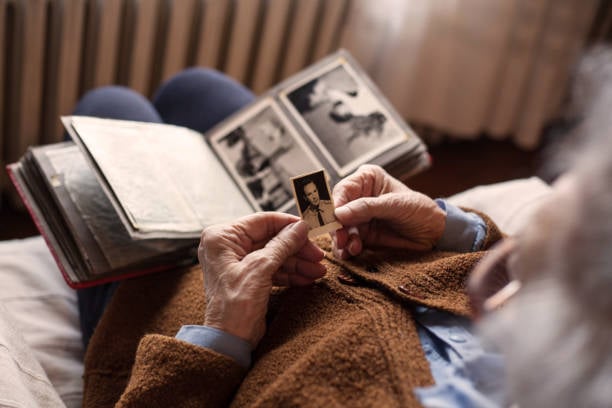
If you kept the photo album, you’re probably the memory-keeper of your family — the one who remembers who was at what birthday, which year the whole family went to the beach, who wore what to whose graduation. That’s not a small thing. Families need someone to hold onto the story, and that someone is usually you.
You can probably spot this instinct in your life now too. Are you the one who organizes the group chat, plans the reunion, sends the “hey remember when” text out of nowhere? That’s the same energy. Keeping the photo album isn’t just about old pictures — it’s about being the person who keeps everyone connected to where they came from.
14. A Piece of Jewelry
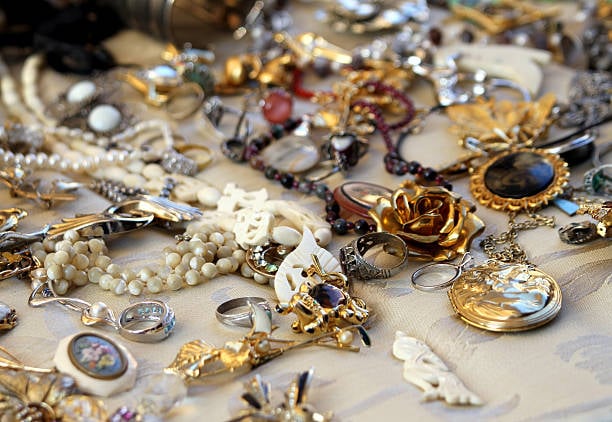
Jewelry is rarely about the jewelry. If you kept a necklace, a ring, a bracelet — something small like that — it’s almost never about how nice it looks or what it’s worth. It’s about who gave it to you, or what moment it reminds you of. A piece of jewelry is really just a tiny stand-in for a person or a memory that mattered.
This usually means you’re someone who ties feelings to people more than to places or things in general. You don’t need a big object to feel connected to someone — you just need something small enough to wear, so that person (or that moment) is kind of always with you.
15. A Family Recipe Card
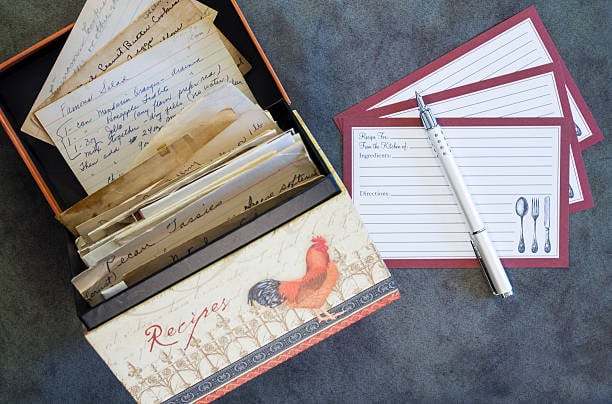
A recipe card is a quiet kind of keepsake, but it says a lot. If this is what you held onto, you’re probably someone who keeps traditions going — not just by remembering them, but by actually doing them. Making the same dish the same way, year after year, is a way of keeping someone present even after they’re gone.
This is different from just missing someone. It’s active. You’re not just thinking about your grandma when you make her cookies — you’re continuing something she started. That usually means you’re the one in your family who steps into the caretaker role, even if nobody officially gave you that job. You just took it on.
16. Something Inherited From a Parent or Grandparent
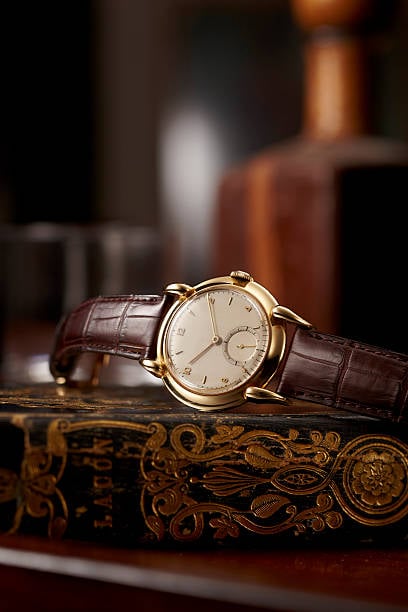
This one tends to hit the hardest, and it’s usually the last thing people mention when you ask them this question. A watch, a tool, a ring, something that isn’t really about you at all — it’s about where you came from. Keeping it isn’t about nostalgia for your own childhood. It’s about carrying a piece of someone else’s life forward.
There’s often a quiet sense of duty attached to it, too. Like you’re not just holding onto an object, you’re holding a small piece of your family’s story and making sure it doesn’t disappear. You may not think about it every day. But it’s there, in a drawer or on a shelf, doing its job — connecting you to people who came before you, whether they’re still around or not.
17. A Handwritten Letter or Postcard
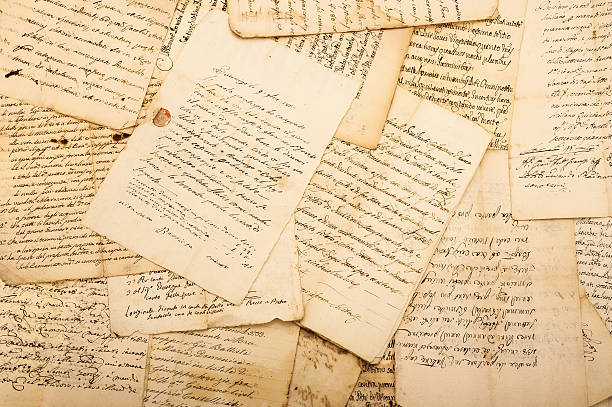
If you kept an old letter or postcard, words probably mean more to you than most other kinds of keepsakes. Not just any words — specifically the kind someone took time to write by hand. There’s something different about a letter compared to a text or a photo. It took effort. Someone sat down, thought about what to say, and wrote it just for you.
This usually means you’re someone who values connection even across distance or time. Maybe it’s from a grandparent who lived far away, a summer camp friend, or someone you don’t get to see much anymore. Keeping that letter is a way of holding onto their voice — not just what they said, but how they said it.
18. An Old Piece of Tech (Walkman, Game Boy, Camera)
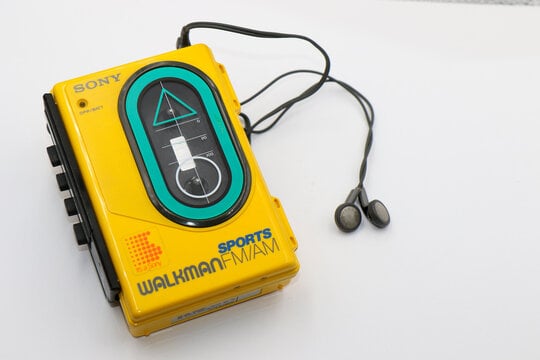
This one’s a little different from the rest, because it’s not really about a personal memory — it’s about a whole moment in time. If you kept an old Walkman, Game Boy, or camera, you’re probably nostalgic for what it felt like to grow up when you did, not just a specific memory from your own life.
It’s less “this reminds me of my childhood bedroom” and more “this reminds me of an entire era” — the music everyone was listening to, the shows everyone was watching, what it felt like before everything lived on a phone. Keeping it is a way of holding onto that whole vibe, not just a single moment.
Read Also: 23 “Outdated” House Rules Our Grandmothers Followed That Quietly Made Life Better
Final Thoughts…
At the end of the day, it’s never really about the object type. A blanket, a trophy, a watch — doesn’t matter. What actually matters is what you needed that thing to hold onto for you: comfort, proof you tried, a piece of who you were, or a connection to someone you love.
So, what did you keep? Drop it in the comments or send this to a friend and see what they kept too. You might be surprised what it says about you — or what it says about them.