
Ever wonder if that box of stuff in your attic is actually worth something? It happens more often than you’d think.
Back in 2012, a man named Karl Kissner was cleaning out his grandfather’s old Ohio farmhouse when he found a cardboard box stuffed with nearly 700 baseball cards from the early 1900s, featuring legends like Ty Cobb and Honus Wagner. They’d just been sitting there, untouched, for decades, in incredible condition. That box ended up getting auctioned off for around $3 million.
Now, most of us aren’t going to stumble onto a multi-million-dollar find in a shoebox. But it’s genuinely worth taking a second look at what’s sitting around your house, because plenty of everyday items turn out to be worth way more than anyone expected. A few things really drive whether an old item has real value: how rare it is, whether it has a maker’s mark tying it to a known brand or company, what kind of condition it’s in, and whether it comes with any interesting history (like who owned it before you).
On top of all that, value also depends on what collectors happen to want right now, since trends shift over time, and something barely worth anything a decade ago can suddenly be in high demand.
One quick heads-up before we get into the list: the prices below come from real auction sales and appraisals, but they can swing a lot depending on the exact condition, pattern, or specific piece you’ve got. Think of this list as a “hey, maybe I should look into this” starting point, not a guaranteed price tag. If you think you might actually have something valuable on your hands, it’s worth getting it looked at by a professional appraiser before you decide to sell.
1. Vintage Pyrex (the ones with fun patterns)
You know those old glass mixing bowls and casserole dishes your grandma used? Turns out some of them are basically hidden treasure.
Pyrex made hundreds of painted patterns between the 1950s and 1980s. Most were produced in huge batches, so they’re not rare. But a few were only made for a short time or as a test run — and those are the ones collectors go nuts for.
The big one to know is “Lucky in Love.” It’s got green grass and clovers along the bottom with pink hearts floating above. It was made as a test pattern in late 1959 at Corning’s plant in Charleroi, Pennsylvania, and hardly any were made. One sold on eBay for just over $4,000 — for something that probably cost a few bucks new.
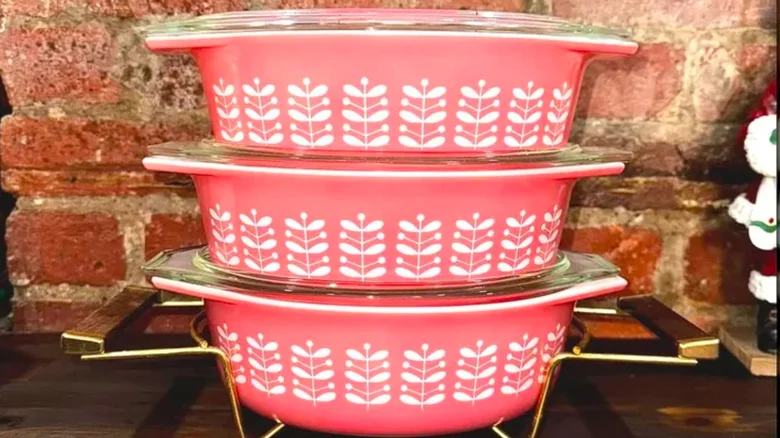
Another one worth checking for is the “Pink Stems” casserole dish. It’s fetched over $1,000 on eBay, mostly because it was made for a limited-time promotion, unlike most Pyrex patterns which were produced in much bigger runs.
Quick tip: Flip the dish over. Most Pyrex has a stamp or number on the bottom you can look up online. If the pattern looks unfamiliar, that’s a good sign it might be one of the rare ones.
2. Fiestaware (the colorful dishes)
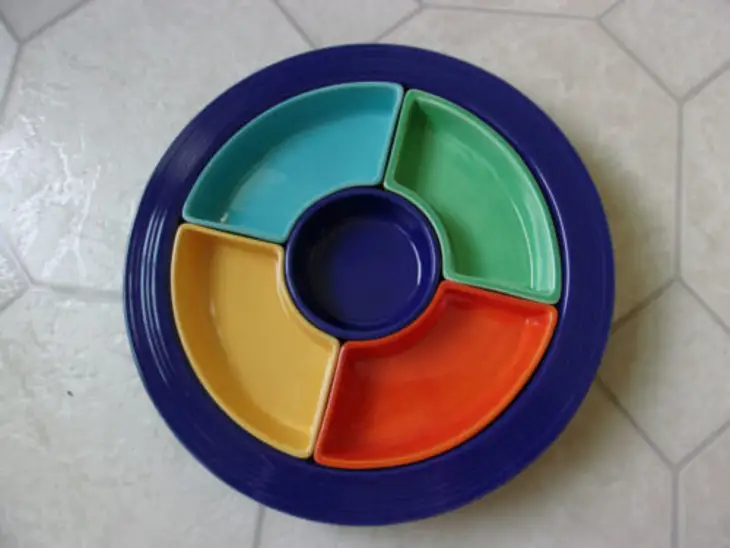
Fiestaware is that brightly colored dinnerware — plates, bowls, pitchers — that’s been around since 1936. Red, yellow, cobalt blue, medium green, and ivory were the five original colors. If your family has old pieces sitting around, it’s worth a look.
Here’s the fun part: the original red glaze needed a small amount of uranium to get that bright glow. When uranium got restricted to government use during WWII, red Fiesta disappeared — it didn’t come back on shelves until 1959. Yes, it’s technically a tiny bit radioactive. No, don’t put it in the microwave.
Medium green is the other color to hunt for — it was only made for a short stretch and is genuinely hard to find. A medium-green utility pitcher sold for $500, and a matching covered casserole dish went for $455.
Quick tip: condition matters more than almost anything here — chips, cracks, or a cloudy, cracked-looking glaze (collectors call it “crazing”) tank the value fast, even on a rare color. And don’t panic if there’s no stamp on the bottom — plenty of authentic old pieces weren’t marked.
3. Tiffany-Style Lamps
This one’s the big fish of the list — and also the easiest to get wrong.
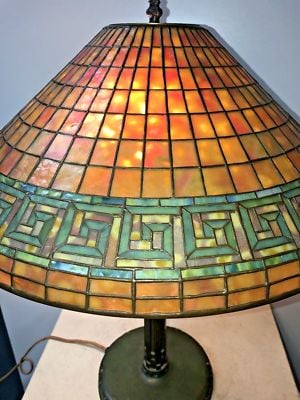
A real Tiffany lamp is one made by Tiffany Studios, founded by Louis Comfort Tiffany, sometime between the 1890s and 1930s. Each one was handmade by soldering together small pieces of colored glass — nothing machine-stamped about it. That’s why they’re worth so much: no two are exactly alike, and very few survived in one piece. antiquetrader
And they really can be worth a fortune. Genuine originals run anywhere from $4,000 to over $1 million, and one sold for $2.8 million at a Christie’s auction in 1997 — some more recent sales have gone even higher. This one in particular is being listed for $68,500 on eBay.
Here’s the catch: almost nobody who thinks they have one actually does. One Tiffany lamp broker says that out of every 100 emails he gets, only 4 or 5 turn out to be the real deal, and an auctioneer with over 40 years in the business says “Tiffany lamp” has basically become a nickname people use for any stained-glass lamp — even though most aren’t actually Tiffany.
So how do you tell? Look for a signature, usually marked “Tiffany Studios New York” with a number after it. No mark means it’s almost certainly a “Tiffany-style” reproduction — still nice to look at, but those typically land somewhere between $150 and $450, not six figures.
Quick tip: don’t take my word for it either. If your lamp has a maker’s mark and looks hand-assembled, get it appraised by a professional before doing anything else with it.
4. Cast Iron Cookware (Griswold, Wagner)
That heavy black skillet sitting at the back of your cabinet might not just be good for frying eggs.
Griswold and Wagner were two of the big cast iron makers from the late 1800s through the mid-1900s, and their old pans are genuinely nicer than most of what’s made today. Vintage Griswold pans have a smoother cooking surface and are lighter than modern cast iron, which is why cooks still fight over them at estate sales.
The trick is flipping the pan over. Griswold pieces usually have a logo stamped into the bottom — most often a cross inside a circle with “Erie, PA” underneath. The rarest of the rare is called the “Spider” logo, which is exactly what it sounds like: a little spider on a web. One skillet with that Spider logo sold for $4,000 back in February 2025.
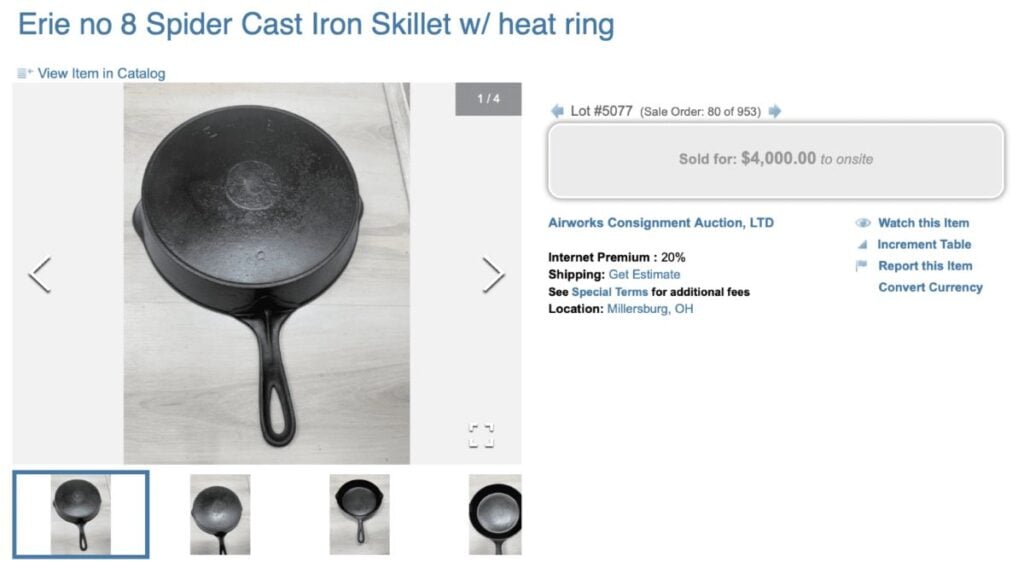
Even without a super-rare logo, cast iron adds up. Common 8 to 10-inch skillets typically go for $50 to $150, larger 12-inch-and-up skillets can bring $200 to $600, and unusual pieces (waffle irons, double broilers) or ones with premium logos can climb past $1,000.
Quick tip: run your finger across the inside surface. If it’s glassy smooth, that’s a good sign it’s genuinely old — modern cast iron is left rougher on purpose. Then check the bottom for the logo and any size or pattern numbers to help you date it.
Read Also: 12 Things My Mother Did at Home That Seemed Completely Normal in the 1950s
5. Depression Glass
Depression glass sounds like it should be sad, but it’s actually kind of a fun story. During the Great Depression, glass companies gave this colorful glassware away for free — in cereal boxes, at gas stations, even as a movie ticket bonus — just to get people through the door. Nobody got to pick their color or pattern; it was basically a surprise prize.
Most pieces still aren’t worth a ton. An antiques appraiser who’s done a lot of TV work on this stuff says the average piece typically sells somewhere between $20 and $200. But a few patterns and colors are the exception. The “Cameo” pattern (it’s got a tiny ballerina stamped inside a cameo shape) is the one to know — it’s common in green, but the pink and yellow versions are genuinely rare because they were only made in small amounts for a short time.
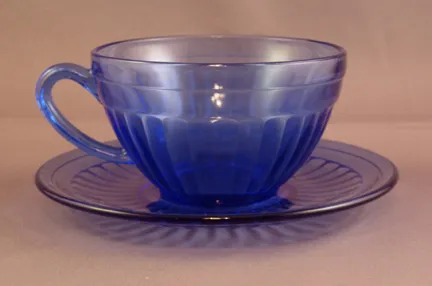
Color matters a lot here. Blue pieces tend to sell for more than pink or green ones, since blue was made less often. And watch out for fakes: cobalt blue “Cameo” pieces are actually all modern reproductions, not real Depression-era glass, so don’t get fooled by a “rare” color that’s too good to be true.
Quick tip: the little imperfections — tiny bubbles or faint mold seams — are actually a good sign. It means the piece was made quickly and cheaply back in the day, which is exactly what you want if you’re hoping it’s the real thing.
6. Antique Quilts (handmade, pre-1950)
If there’s a quilt from an older relative sitting in a closet, it’s worth pulling out for a real look — the good ones aren’t just sentimental, they can be genuinely valuable.
What makes a quilt worth money comes down to a few things: how old it is, how it was stitched, and how unusual the pattern or story behind it is. Hand-stitched quilts (as opposed to machine-stitched) are generally older and more prized, and the tighter and more even the stitching, the better. Experts also look at the fabric itself — certain old dyes, like a specific shade of red called “Turkey red,” can help pin down roughly when a quilt was made.
On the money side: typical antique quilts sell for around $150 to $450, though it’s not unusual for a well-made one to go for over $1,000 online. Quilts that can be traced back to the Civil War era are worth even more, often closer to $8,000. And the record holder is wild — a quilt from that era, called the Reconciliation Quilt, sold at auction for $264,000 back in 1991.
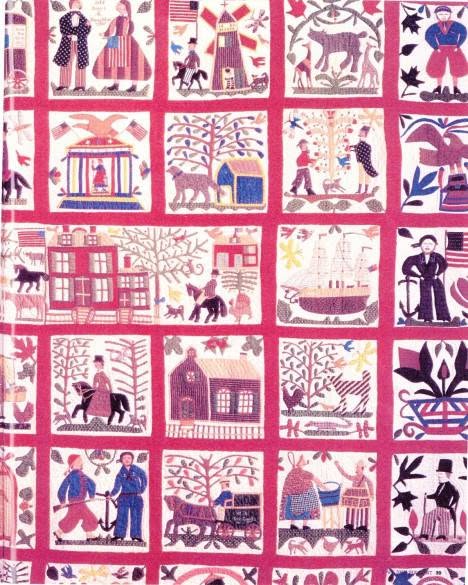
Quick tip: don’t wash it, iron it, or try to fix any small tears before getting it looked at. A repair or cleaning job can actually lower its value if it messes with the original stitching, so leave it alone until an appraiser has seen it as-is.
7. Sterling Silver Flatware Sets
If your family has a set of “good silver” tucked away for special occasions, it’s worth taking a closer look.
Here’s what makes silver flatware different from most stuff on this list: it has two kinds of value stacked on top of each other. First, there’s the actual silver — sterling silver flatware is 92.5% real silver, so it’s worth something just for the metal, even melted down. Second, there’s collector value, which depends on the maker and pattern.
Big names like Tiffany & Co. and Gorham matter a lot here. A complete, matching set in a desirable pattern can be worth thousands of dollars — some full Gorham services have sold for tens of thousands, and the rarest, largest sets from the early 1900s have gone for well over $100,000.
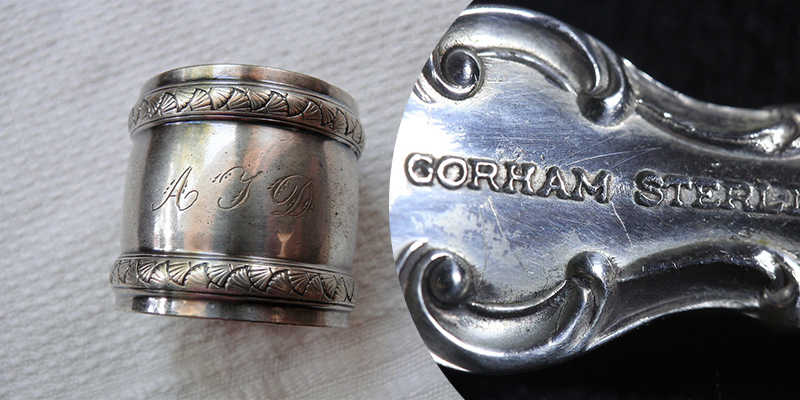
The catch is that word “complete.” A random mismatched handful of spoons is mostly just worth its weight in silver. A full matching set — same pattern, all the pieces, good condition — is worth dramatically more per piece than loose odds and ends.
Quick tip: flip a piece over and look at the back of the handle. You’re looking for the word “Sterling” along with a maker’s mark or symbol — that tells you it’s the real deal and not silver-plated (which looks similar but is worth way less).
8. Vintage McCoy Cookie Jars
Those quirky ceramic cookie jars shaped like animals, cartoon faces, or funny little characters? Some of them are worth serious money.
McCoy Pottery started making these back in 1910, and they became known for bright, smooth glazes and charming designs. Most McCoy jars you’ll find are pretty affordable, usually somewhere in the $30 to $75 range. But rare shapes in great condition are a totally different story. Select jars sold for $699 to $1,200 in 2025, a rare 1974 “Freddie the Gleep” jar sold for nearly $5,000 in 2026, and back in 2018, a 1940s Hillbilly Bear jar set a record when it sold for $25,000.
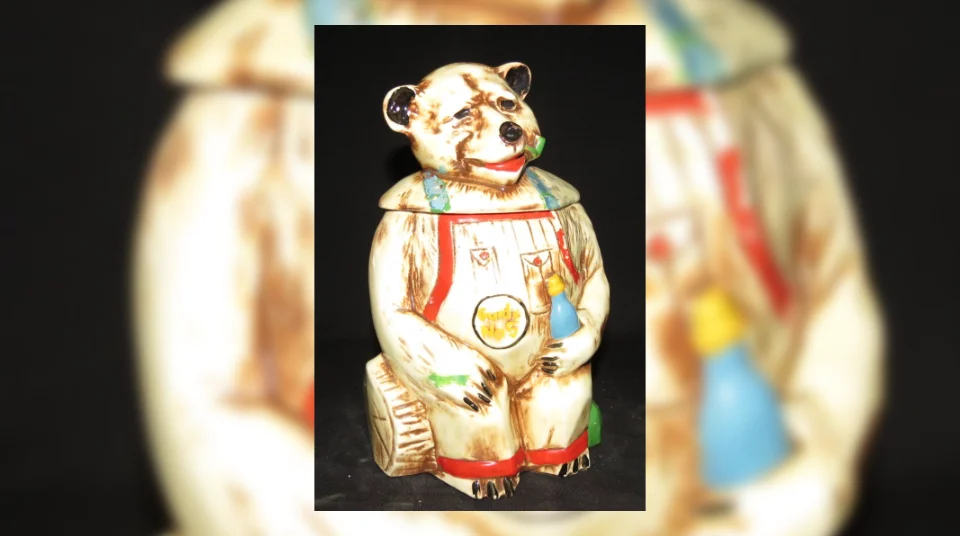
Quick tip: check the lid first. A cookie jar with a cracked, missing, or mismatched lid loses a big chunk of its value, no matter how rare the shape is. Also watch out for reproductions — McCoy is one of the most copied brands out there, so if a “rare” jar looks suspiciously perfect, do a little digging before you get excited.
Read Also: 13 Nostalgic Foods We Didn’t Know Were Actually Frugal Growing Up
9. Antique Mantel & Grandfather Clocks
That old clock ticking away on the mantel (or the big one standing in the hallway) might be worth more than you’d guess — or it might not, and that’s okay too. This is one where knowing the maker really matters.
Seth Thomas and Ansonia were two of the biggest American clockmakers, and they made a huge number of clocks — which actually means most of what’s out there today isn’t rare. A typical Seth Thomas or Ansonia mantel clock usually sells for somewhere between $100 and $800. Grandfather clocks (the tall floor ones) from the late 1800s generally run $500 to $3,000 at auction. Where things get exciting is with clocks that have original hand-painted dials, documented history, or come from a especially sought-after maker — those can jump to $5,000, $15,000, or in rare cases, $50,000 and up.
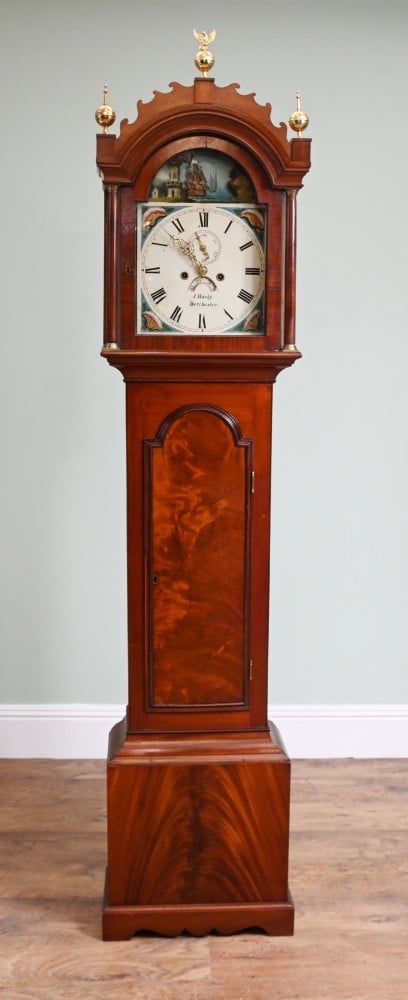
Quick tip: look inside the case or on the metal movement (the mechanical part behind the face) for a paper label or stamp with the maker’s name and sometimes a date. And don’t worry if the clock doesn’t currently run — a working mechanism is nice to have, but it’s the maker, materials, and originality that really drive the price, not whether it’s ticking right now.
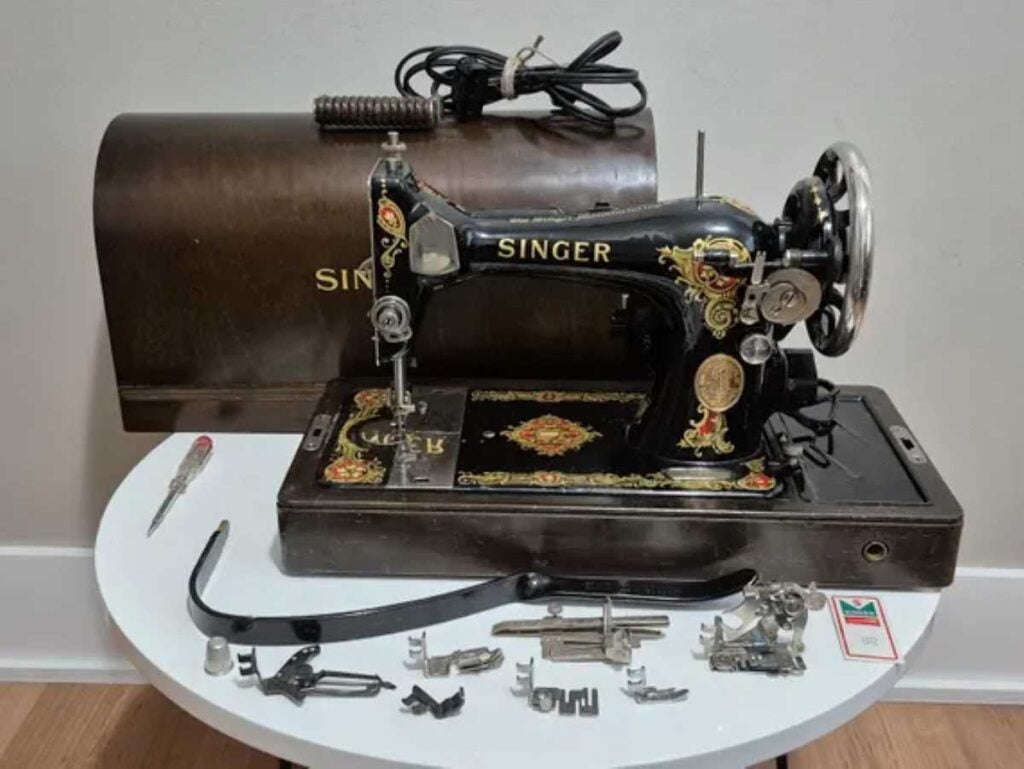
10. Vintage Sewing Machines (rare Singer models)
That heavy old sewing machine with the fancy iron legs sitting in the corner? It might be worth way more than you’d guess.
Singer has been making sewing machines since 1851, and they’ve made a mind-boggling number of them over the years, which is actually why most old Singers aren’t worth a ton. Typical vintage Singer machines usually sell for somewhere between $50 and $500. But a few specific types stand out from the crowd.
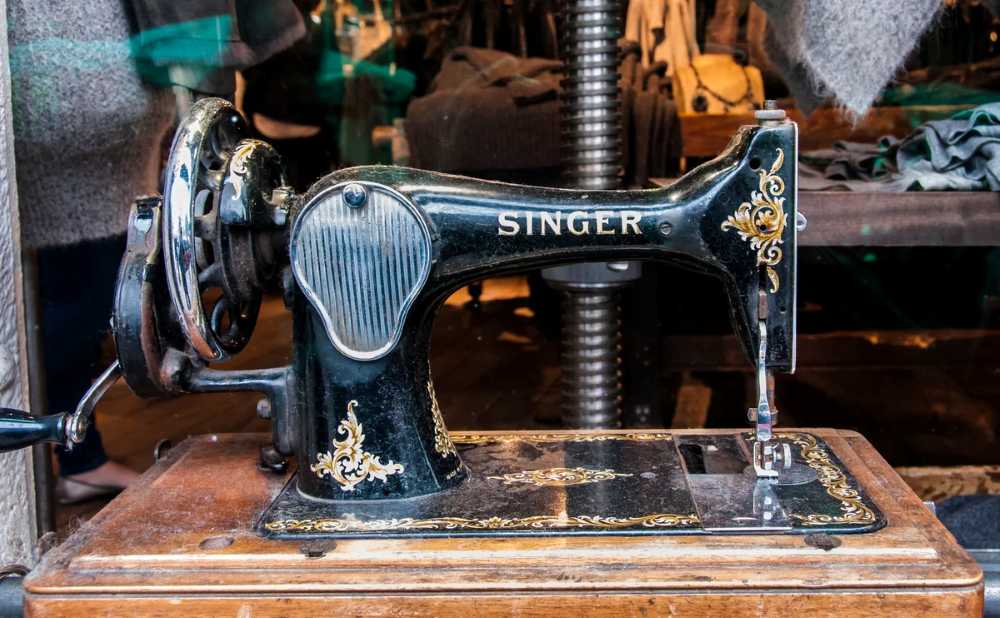
The most famous one to look for is the Singer Featherweight (Model 221), made from the 1930s through the 1960s. It’s small, lightweight, and beloved by quilters and collectors alike, and it regularly sells for $400 to $1,500 or more, with rarer colors like white or tan bringing the highest prices.
Then there are the really old ones — machines from the 1880s through the early 1900s with those elaborate cast iron treadle bases (the foot-pedal stand) featuring designs collectors nickname things like “Sphinx,” “Memphis,” or “Gingerbread.” These were the fanciest machines Singer made, and the most sought-after examples can sell for $600 to $2,000 or more. And if you happen to have a genuinely early machine, like an original Singer Model 1 from the 1850s, that’s an entirely different level — those can be worth $10,000 to $25,000 in good condition, since so few have survived.
Quick tip: look for a small metal plate on the machine with a serial number stamped on it. Singer kept excellent records, so you can plug that number into an online database (run by the International Sewing Machine Collectors’ Society) and find out exactly what model and year you’ve got. And take a good look at the cast iron base itself — the more ornate and detailed the ironwork, the more likely it’s an older, more collectible piece.
11. Antique Typewriters (rare early models)
That clunky old typewriter in the attic could be nothing special… or it could be worth a small fortune. It really depends on exactly which one you’ve got.
Here’s the deal: typewriters that everyday offices used for decades in the mid-1900s usually aren’t worth much. But machines from the very early days of typewriters — roughly the 1870s through the 1920s — are a totally different story, especially the rare or historically important ones.
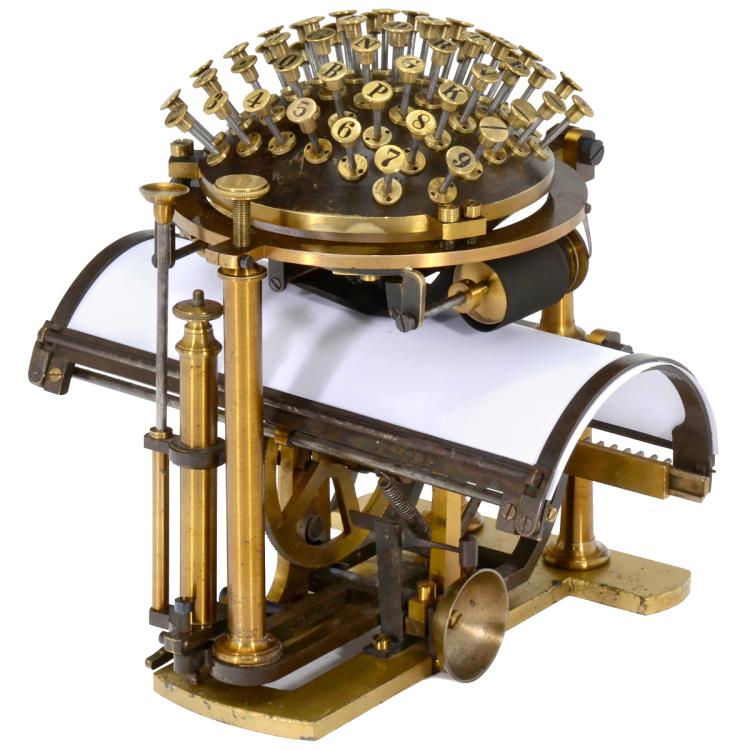
The record holder is a strange-looking 1867 machine called the Malling-Hansen writing ball, widely considered the world’s first typewriter. It’s the most expensive historical typewriter ever sold, with auction records reaching around $123,000. Other early machines have sold for jaw-dropping amounts too — a rare 1902 Blick Electric typewriter, one of only three known to still exist, sold for an impressive $100,400 in a November 2007 sale. Even celebrity ownership adds a premium: a gold-plated portable typewriter that once belonged to James Bond author Ian Fleming became the world’s most expensive typewriter when it sold at auction in 1995 for £56,250.
So what actually makes an old typewriter valuable? According to the founder of a typewriter museum, it comes down to condition, age, and rarity — the same three things that matter for most antiques.
Quick tip: if your typewriter looks like a standard black metal office machine from the mid-1900s, it’s probably not a goldmine. But if it looks genuinely strange — an odd keyboard, weird mechanical parts, or a brand name you’ve never heard of — that’s actually a good sign. Look it up before writing it off as junk.
12. Vintage Cameras (Leica, early Kodaks)
With cameras, the gap between “basically worthless” and “worth a fortune” is huge, and it almost entirely comes down to two things: how rare it is, and whether it still works.
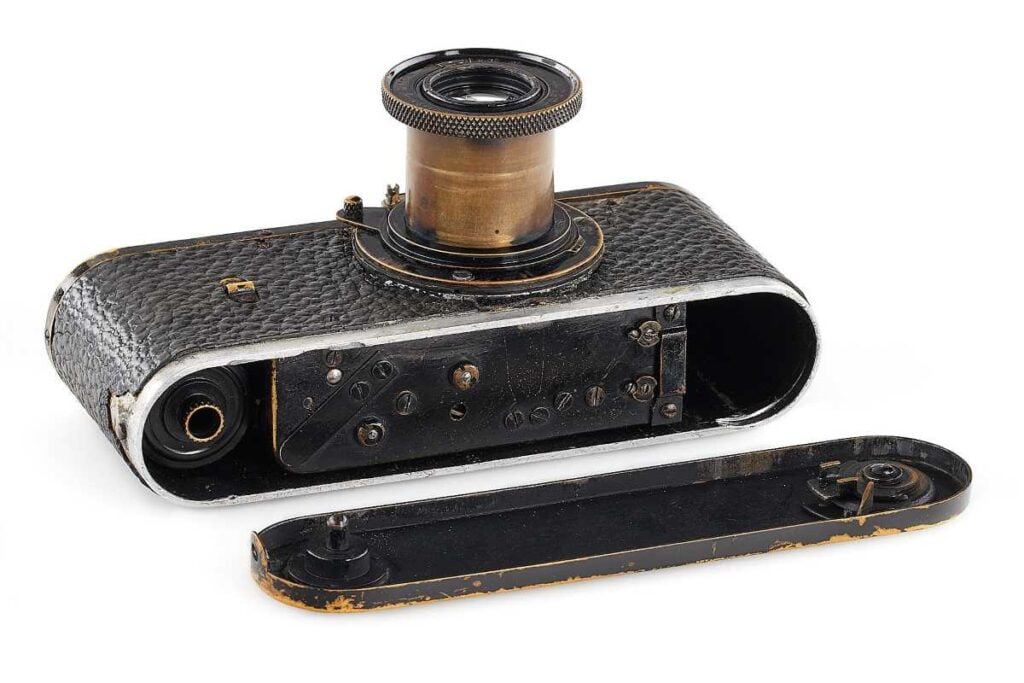
Leica is the big name to know. These cameras were hand-built with incredible precision, which is part of why so many still work decades later. Most common, heavily-used Leica cameras only bring around $200 to $300. But the rare ones live in a completely different universe — a Leica 0-Series from 1923 sold at auction in June 2022 for €12 million, making it the most expensive camera ever sold.
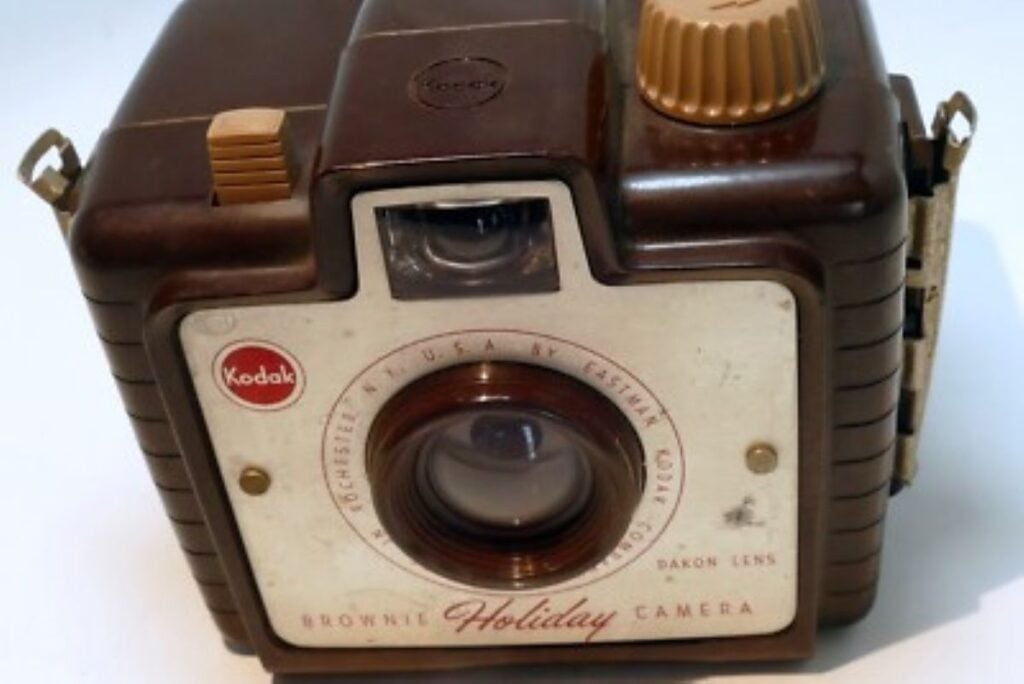
Kodak is more down-to-earth, but still worth checking. Kodak’s Brownie line launched in 1900 at just $1 each, and most Brownie models today typically sell for around $30 to $60. The real prize is the original: the very first Kodak camera ever made, from 1888, is extremely rare and can sell for $2,500 to $3,500.
Quick tip: working condition matters more with cameras than almost anything else on this list. A camera with a jammed shutter or foggy lens is worth way less than the same model running smoothly, so don’t force any of the moving parts yourself — get it looked at by someone who knows cameras before you try to test it out.
Read Also: 12 Things You Only Understand if You Spent Summers at Grandma’s House in the 1970s
13. Milk Glass & Majolica
These two often show up together in the same china cabinet, so let’s cover them as a pair.
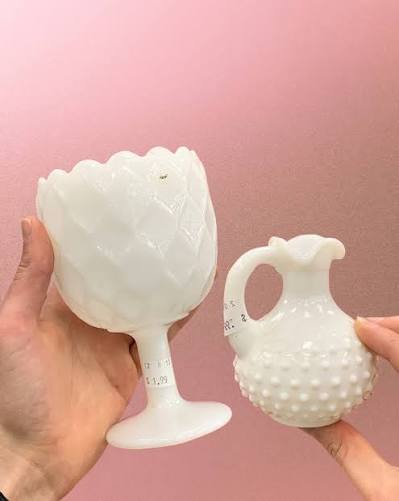
Milk glass is that solid white (sometimes colored) glass that looks a little like porcelain but is actually glass. It got made all over America and England, mostly from the mid-1800s into the mid-1900s, and it’s hugely varied — vases, plates, animal-shaped dishes, you name it. Most milk glass isn’t worth much; plain pieces often sell for somewhere between $5 and $30. But pieces from well-known makers like Fenton or Westmoreland, especially older, unusual, or colored ones, can sell for hundreds of dollars, and a genuinely rare piece can reach a few thousand.
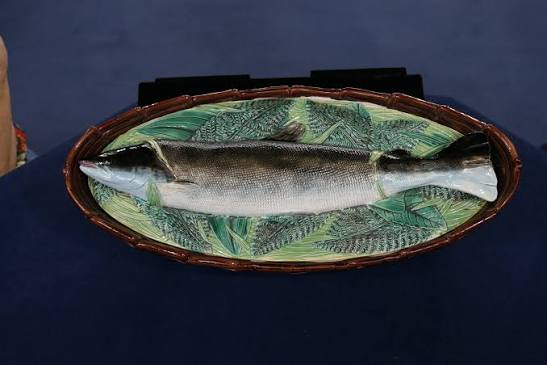
Majolica is the more colorful, painted cousin — glazed pottery with bold colors and detailed designs, often shaped like leaves, animals, or fruit. It had its big moment in the second half of the 1800s, made by well-known English potteries like Minton, Wedgwood, and George Jones. This one can get genuinely valuable: an antique majolica fish-shaped tureen made by George Jones, appraised on a TV antiques show, was valued at $2,500 to $3,500. Age matters a lot too — a pair of majolica duck pitchers from the 1920s was estimated at $450 to $550, while nearly identical ducks made in the 1960s were only worth $160 to $225 each.
Quick tip: for both, flip the piece over and look for a stamped or molded maker’s mark. For milk glass, look for a “WG” stamp (Westmoreland) or an oval “Fenton” mark. For majolica, genuine antique pieces also tend to feel noticeably heavier than modern reproductions, which are usually made with cheaper, lighter materials.
14. Gilded Federal-Era Mirrors
“Federal-era” refers to the decades right after the American Revolution, roughly 1780 to the 1820s, when a new style of furniture and decor popped up celebrating the young country — think eagles, urns, and elegant hand-carved details, often finished in gold leaf (that’s the “gilded” part).
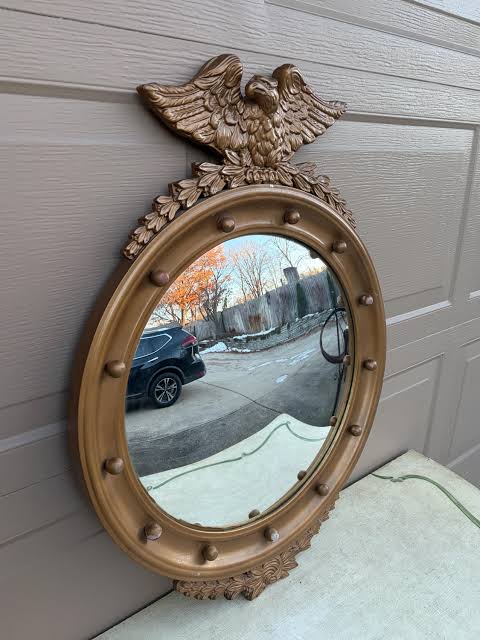
These mirrors, especially the round “bullseye” ones with a carved eagle perched on top, are a classic piece of early American decor. A genuine one from this period isn’t cheap: a Federal convex mirror with a carved eagle crest sold at auction for just over $2,000, and a particularly fine hand-carved and gilded eagle mirror from 1815 was listed for $8,000. Exceptional examples with detailed carving can go even higher — one especially impressive mirror from the 1820s-1840s was priced at $38,500.
Here’s the important catch, though: a lot of “Federal style” mirrors you’ll come across were actually made much later, as reproductions inspired by the original style — some from the 1870s, and plenty more from the mid-1900s. These can still look beautiful, but they’re worth a fraction of a true early-1800s original.
Quick tip: look closely at the carving and the glass itself. Genuine early pieces often have slightly wavy, imperfect glass (mirrors back then weren’t made perfectly flat) and carving that looks hand-done, with small irregularities. If the glass is perfectly flat and the carving looks a little too crisp and uniform, it’s more likely a later reproduction.
Final Thoughts
So what do all of these things actually have in common? A few things, really. Most of them were made with real skill — hand-painted, hand-carved, hand-stitched, or shaped by someone who cared about the details, back before everything got churned out overnight by machines.
A lot of them were also only made in limited numbers, whether that was on purpose (like a promotional Pyrex pattern) or just how things worked out (like uranium getting pulled from Fiestaware’s glaze during WWII). And honestly, a good chunk of the value comes down to plain old nostalgia — these are the things that remind people of their grandparents’ kitchen or their childhood, and that pull is a big part of why collectors are willing to pay real money for them.
So how do you actually figure out if something in your house fits the bill? Start simple: flip it over, look underneath, check the back of the handle. You’re hunting for a maker’s mark, stamp, or signature, since that’s usually your biggest clue to what you’ve got.
From there, WorthPoint is a genuinely useful next step — it’s a massive database of past sales, pulling from around a billion historical auction and marketplace records, so you can search for something similar to what you own and see what it actually sold for. If you want a real opinion, Heritage Auctions offers free, no-obligation estimates for people thinking about selling with them, and most local antique shops or appraisers can give you a ballpark for a small fee.
Once you have a rough idea of what you’ve got, you’ll need to decide how to actually sell it. Auctions tend to get better prices for genuinely rare or high-quality pieces, since you’ve got multiple buyers competing against each other and driving the price up. Selling privately, whether to a dealer or through a site like eBay, is usually faster and simpler, but you’ll typically end up with a bit less money, since there’s no bidding war pushing the number higher.
Note: This article is intended for informational, educational, and entertainment purposes only. Some images are illustrative and may not represent actual brands, products, or related entities. All trademarks, product names, brand logos, packaging, and other intellectual property referenced remain the exclusive property of their respective owners. Any brand mentions or references are provided solely for descriptive and educational context and do not imply any formal or commercial association.