

Money feels tighter than it used to, and it’s not just you imagining things. Prices keep creeping up. You blink and there’s another subscription taking $9.99 out of your account. And now stores let you “buy now, pay later” on stuff you don’t even need yet, like a new phone case or a pair of shoes. It’s never been easier to spend money you don’t actually have.
But think about how your grandparents (or even your parents) handled money way back when. No apps. No credit cards buzzing in their pocket. No one-click checkout. They just had habits. Simple ones. And somehow, they made it work.
Here’s the thing: those old habits didn’t disappear because they stopped working. They disappeared because life got more convenient. And convenience, it turns out, comes with a price tag. A big one, if you’re not paying attention.
So let’s bring some of that old-school thinking back. Below are 8 simple habits that used to be totally normal, and honestly, they’re just as useful today. Maybe even more.
1. Meal Planning & Cooking From Scratch
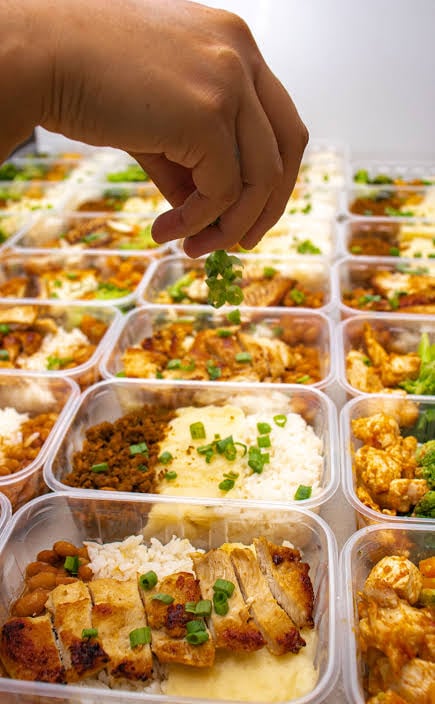
The old way: Before delivery apps existed, people didn’t decide what’s for dinner five minutes before they got hungry. They planned their meals for the whole week, made one trip to the store, and cooked real food from real ingredients. And nothing went to waste. Leftover veggies became soup. Bones became broth. Stale bread became breadcrumbs. Nothing just got tossed because it wasn’t convenient anymore.
Why it still works: Ordering food feels easy, but it adds up scary fast. That $12 meal? By the time you add delivery fees, service fees, and a tip, you’re paying closer to $20. Do that even three times a week and you’ve spent way more than you’d think, just on convenience. Cooking at home almost always costs less, even when it feels like more effort in the moment.
How to actually do this today: You don’t need to become a chef. Just pick one day a week, maybe Sunday, and jot down what you’ll eat for the next few days. Cook in bigger batches so you have leftovers ready to go instead of ordering out when you’re tired. And keep a running list of what’s already in your fridge and pantry so you’re not buying three jars of the same spice or letting vegetables rot in the back of the drawer.
Small habit. Big savings.
2. The Cash Envelope System
The old way: Back in the day, people didn’t just swipe a card and hope for the best. They’d get paid, pull out cash, and split it into envelopes labeled “groceries,” “gas,” “fun money,” stuff like that. Once an envelope was empty, that was it. No more spending in that category until next payday. Simple as that.
Why it still works: Here’s something weird but true: paying with actual cash hurts a little. In a good way. When you hand over real dollars, your brain notices. It feels like spending. But when you tap a card or click “buy,” it barely registers, because it doesn’t feel like real money leaving your hands. That’s exactly why it’s so easy to overspend without even noticing.

How to actually do this today: You don’t have to go full cash-only if that feels extreme. A lot of budgeting apps now let you create digital “envelopes” for different categories, so you can see exactly how much is left before you overspend. But if you’ve got one category that always gets out of hand, like eating out or random online shopping, try pulling out actual cash for just that one thing. Once it’s gone, it’s gone. That limit alone can change how you spend without you even trying that hard.
3. Repair, Don’t Replace
The old way: If something broke, people didn’t automatically throw it out and buy a new one. A shirt with a hole got patched up. A toaster that stopped working got opened up and fixed. Scissors and knives got sharpened instead of replaced. Things were built to last, and people treated them that way.
Why it still works: These days, a lot of stuff is basically designed to wear out or feel outdated fast, so you’ll buy a new one sooner. And replacing things has gotten expensive. A new appliance or a new pair of shoes costs a lot more than just fixing the one you already have. Repairing isn’t old-fashioned thinking, it’s actually the smarter money move now more than ever.
How to actually do this today: You don’t need to be super handy to pull this off. A cheap sewing kit can fix a ripped seam or a missing button in minutes. YouTube has a tutorial for almost anything that breaks, from a wobbly chair leg to a phone with a cracked screen. Some cities even have “repair cafes,” free events where people help you fix stuff instead of tossing it. Before you toss something broken in the trash, it’s always worth asking: can this actually be fixed?
4. Growing and Preserving Your Own Food

The old way: A lot of families used to grow their own food right in the backyard. Tomatoes, beans, peppers, whatever grew well where they lived. And when harvest season hit and there was more food than they could eat right away, they didn’t let it go to waste. They canned it, jarred it, or stored it in a cool root cellar so it would last through the winter. Basically, they turned one good harvest into months of meals.
Why it still works: Produce prices bounce around a lot depending on the season, weather, and what’s happening with shipping and supply. One month berries are cheap, the next month they’re suddenly expensive for no clear reason. Growing even a little of your own food means you’re not stuck paying whatever the store decides to charge that week. And preserving extra food means you’re saving money long after the growing season ends.
How to actually do this today: No backyard? No problem. You can grow herbs, tomatoes, or peppers in pots on a balcony or even a sunny windowsill. If you end up with more fruits or veggies than you can eat, freezing them is the easiest option, just wash, chop, and toss them in a freezer bag. Canning takes a bit more effort but lasts even longer if you want to try it. And if growing your own food isn’t really your thing, a lot of towns have community garden plots you can rent for cheap, no yard required.
Read Also: 14 Old-Fashioned Frugal Tips to Survive Hard Times
5. Buying in Bulk & Stocking a Pantry
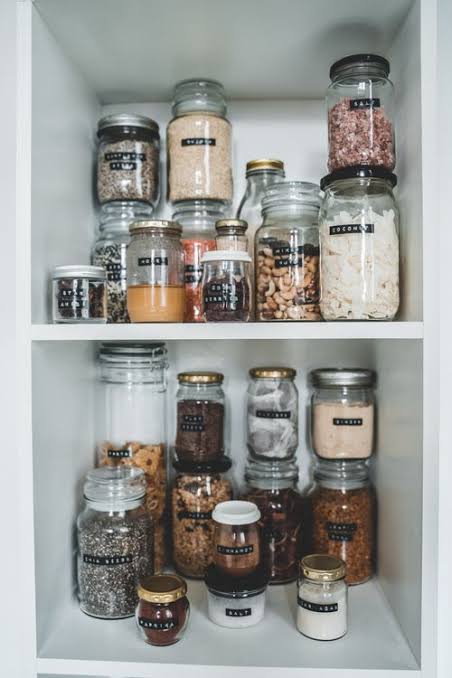
The old way: People used to buy extra of something when it was cheap, not just when they happened to run out. If flour or canned goods went on sale, they’d stock up so they wouldn’t have to pay full price later. Having a well-stocked pantry wasn’t about hoarding, it was just smart planning for whatever came next.
Why it still works: Prices don’t stay the same all year. Some months certain foods cost more because of shortages, weather, or just supply chain stuff. If you already have a stocked pantry, you don’t have to worry about paying those higher prices right when you need something. You already bought it back when it was cheap.
How to actually do this today: Warehouse stores are great for this since buying in bigger quantities usually means a lower price per item. A lot of grocery stores also have bulk bins for things like rice, oats, or beans, which are usually cheaper than the pre-packaged versions. The only trick is staying organized: use your older stuff first and put new stuff in the back, so nothing expires before you get to it. That way your pantry stays useful instead of turning into a mystery zone of expired cans.
6. Waiting Before You Buy
The old way: If people wanted something big, like a new couch or a nice coat, they usually couldn’t just buy it on the spot. They had to save up first. That meant waiting weeks or even months, which gave them plenty of time to think it over. By the time they finally had the money, they either really wanted it, or they’d already forgotten why they wanted it in the first place.
Why it still works: These days, buying something takes about two seconds. One click and it’s ordered, sometimes before you’ve even thought it through. A lot of apps are actually built to make you buy things fast, before your brain has time to catch up and ask, “wait, do I actually need this?” Waiting even a little bit breaks that pattern and gives you a chance to think clearly instead of buying on impulse.
How to actually do this today: Try setting a simple rule for yourself: if it’s something you want but don’t need right away, wait 24 to 48 hours before buying it. For bigger purchases, stretch that out to a full 30 days. A lot of the time, you’ll realize you didn’t actually want it that badly, you just wanted it in that moment. And if you still want it after waiting? Great, now you know it’s worth spending on.
7. DIY Household Products & Home Maintenance
The old way: People didn’t run to the store for every little thing. Cleaning supplies were often homemade, mixed up using stuff they already had, like vinegar or baking soda. And when something around the house needed fixing, like a squeaky door or a loose cabinet handle, they usually just fixed it themselves instead of calling someone.
Why it still works: Store-bought cleaning products can get pricey, especially when you’re buying a different bottle for every single surface in your house. And calling a professional for small repairs adds up fast too, sometimes you’re paying more for the visit than the actual fix. A lot of these little tasks are way easier (and cheaper) than people think.
How to actually do this today: You can make an all-purpose cleaner with just vinegar, water, and a little baking soda, and it works for way more than you’d expect. Before calling a professional for something small, like a leaky faucet or a wobbly shelf, try looking it up first. A lot of small fixes take fifteen minutes once you know what you’re doing. Save the professional calls for the bigger stuff you really can’t handle on your own.
8. Borrowing, Sharing, and Buying Secondhand
The old way: People didn’t own everything themselves. They borrowed books from the library instead of buying every single one. If a neighbor had a ladder or a power drill, you just asked to borrow it instead of buying your own. And clothes got passed down from older kids to younger ones instead of getting tossed once someone outgrew them. Sharing stuff was just normal, not something to feel weird about.
Why it still works: Here’s the truth: you don’t need to own everything you use. A drill you’ll use twice a year doesn’t need to sit in your closet the other 363 days. And buying secondhand has never been easier than it is right now. There are apps and groups built entirely around giving stuff away, swapping it, or selling it cheap, so you don’t have to pay full price for something brand new.
How to actually do this today: Libraries aren’t just for books anymore, some even let you borrow tools, sewing machines, or other random stuff you’d only need once in a while. Look up “buy nothing” groups in your area, people give away furniture, clothes, kitchen stuff, all kinds of things, totally free. And thrift stores or resale apps are great for finding clothes, furniture, or electronics for way less than retail price. Before buying something new, it’s always worth asking: can I borrow this, find it used, or get it for free?
Read Also: 25 Easy Tips to Live Below Your Means and Never Be Poor
Final Thoughts
Here’s the thing about all these tips: none of them are really about going backward or living like it’s the 1950s. They’re about noticing how much convenience actually costs you, and deciding when it’s worth it and when it’s not. Takeout, one-click shopping, throwing stuff away instead of fixing it… it all feels easy in the moment, but it quietly drains your wallet over time.
You don’t have to do all 8 of these overnight. Honestly, that would be a lot. Just pick two or three that feel doable right now, whether that’s trying the cash envelope thing for one category or finally learning to sew a button back on. Small changes like that add up fast, and before you know it, saving money starts to feel less like a struggle and more like just… how you do things.