

Money feels tight for a lot of people right now. Groceries cost more. Gas costs more. Even a quick trip to the store can leave you wondering where all your cash went.
Here’s the thing — our grandparents (and their grandparents) dealt with hard times too. The Great Depression. Wartime rationing. Years when nobody had extra money just sitting around. And they figured out how to get by. Not just survive, but actually live well with less.
Somewhere along the way, a lot of those old skills got lost. We got used to convenience — pre-made meals, throwaway everything, buying new instead of fixing what we already own. It’s easy. It’s fast. But it’s also expensive.
The good news is none of these old-school habits need special training or tons of extra time. They just take a little effort and a shift in mindset. Here are 14 simple, old-fashioned tricks that can help you spend less and waste less, starting today.
1. Cook From Scratch Instead of Buying Processed Food

Grab a box of mac and cheese at the store, and you’re paying for the convenience of someone else already doing the work for you. Make it yourself with noodles, butter, milk, and cheese, and you’ll spend a fraction of the price — plus you’ll know exactly what went into it.
This is true for almost everything. Pre-cut veggies, frozen dinners, bagged salads, little snack packs — it’s all got a “convenience tax” built into the price. Cooking from scratch takes a bit more time in the kitchen, but it can bring your food bill way down.
The trick is keeping a few cheap, simple staples on hand so you’re always ready to cook something filling without a special store run. A good starter list:
- Flour
- Rice
- Dried beans
- Oats
- Pasta
- Cooking oil
- A few basic spices (salt, pepper, garlic powder)
With just those in your pantry, you can put together soups, stews, breads, and plenty of hearty meals any night of the week.
2. Make a “Waste Not” Kitchen a Habit
Our grandparents didn’t throw much away in the kitchen — and it wasn’t because they were trying to be trendy. Wasting food meant wasting money they didn’t have. That same mindset can save you a surprising amount of cash today.
A few easy ways to start:
Save your veggie scraps. Onion skins, carrot tops, celery ends — toss them in a bag in the freezer. Once you’ve built up a good pile, simmer them in water for an hour, and you’ve got homemade broth for free. No more buying boxes of stock at the store.
Give stale bread a second life. Dry, hard bread doesn’t have to land in the trash. Turn it into croutons, breadcrumbs, or bread pudding. A little butter, some seasoning, and a quick toast in the oven, and it’s good as new.
Use every bit of the meat. Chicken bones, ham hocks, even the fat trimmed off a roast can go into broths, soups, or stocks instead of the garbage. Bones especially make rich, flavorful broth that’s basically free, since you already paid for the meat.
Depression-era cooks were masters of this. One chicken could turn into three meals — roasted for dinner, leftover meat used for sandwiches or a casserole, then the bones boiled down for soup. Nothing went to waste, and nobody went hungry.
Try this for even a week and you’ll notice how much less ends up in your trash can — and how much further your groceries actually stretch.
3. Mend and Repair Instead of Replace
These days, when something breaks, a lot of people just toss it and buy a new one. But a hole in your sock or a rip in your favorite shirt doesn’t mean it’s trash. It just means it needs a little love.
Learn a few basic sewing moves. You don’t need to be an expert. Just knowing how to patch a hole or darn a sock (that’s just sewing yarn back and forth over a worn spot until it’s solid again) can save you from replacing clothes way more often than you need to. A cheap sewing kit and a few YouTube videos is really all it takes to get started.
Fix shoes instead of replacing them. Worn-down heels, a sole coming loose, a broken lace — most of these are easy, cheap fixes. Some you can do yourself with glue or a repair kit. Others just need a quick trip to a local shoe repair shop, which usually costs way less than a brand new pair.
Give small appliances a chance before giving up on them. A toaster that stopped working or a lamp that flickers isn’t always dead for good. Sometimes it’s a loose wire or a cheap part that’s easy to swap out. A quick search online for your appliance’s problem can save you from buying something new that you didn’t actually need to replace.
The old saying was “use it up, wear it out, make it do, or do without.” Fixing things instead of tossing them is one of the easiest ways to live by that.
Read Also: 25 Easy Tips to Live Below Your Means and Never Be Poor
4. Line-Dry Laundry
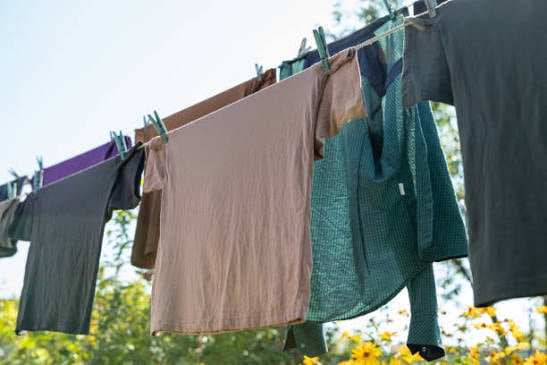
Your clothes dryer is one of the biggest energy users in your whole house. Running it load after load adds up fast on your electric bill. Hanging clothes out to dry instead costs nothing but a little time.
Here’s the simple math: a dryer can use several times more energy than a washing machine does for the same load. Skip the dryer for even a few loads a week, and you’ll start to see it show up as real savings.
You don’t need a big backyard to make this work either:
- A simple clothesline strung between two hooks works great outside, even in a small yard.
- Apartment or no outdoor space? A folding drying rack works just as well indoors, near a window or a sunny spot.
- Over-the-door hangers and tension rods in a bathroom or laundry room can dry smaller items like socks and towels.
As a bonus, clothes dried this way tend to last longer, since heat from the dryer is what wears out fabric and elastic over time. So you’re saving money two ways at once.
5. Make Your Own Cleaning Supplies
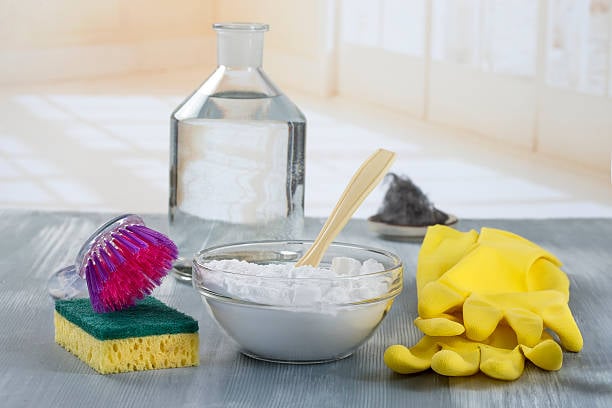
Walk down the cleaning aisle at any store and you’ll see bottle after bottle, each one promising to do one specific job. The truth is, a few basic ingredients you probably already have can replace most of them.
Vinegar cuts through grease, cleans glass, and works great on countertops. Mix it with water in a spray bottle and you’ve got an all-purpose cleaner for a few cents.
Baking soda scrubs away grime without scratching surfaces, and it’s great for deodorizing things like fridges, carpets, and drains.
Castile soap (a gentle, plant-based soap) can be diluted with water for a mild cleaner that works on floors, dishes, and even as a hand soap.
Mix and match these three, and you can cover almost everything: an all-purpose spray, a scrubbing paste for tough grime, and a mild soap for everyday messes. Compare that to buying a separate bottle for windows, another for the bathroom, another for the kitchen — the savings add up fast, and you’re using a lot fewer chemicals in your home too.
6. Garden for Food, Even in Small Spaces
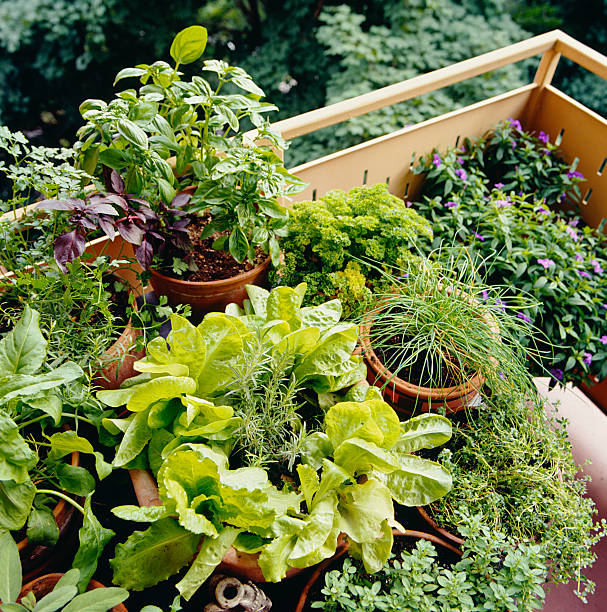
You don’t need a big backyard or a farm to grow your own food. Even a sunny windowsill or a small balcony can turn into a mini garden that saves you money at the store.
Start with containers. A pot, a bucket, even an old milk crate lined with plastic can hold a tomato plant, some peppers, or lettuce. As long as it drains water and gets sunlight, it can grow something.
Windowsill herbs are the easiest win. Basil, mint, green onions, and parsley all grow well in small pots on a sunny windowsill. Fresh herbs are expensive at the store and wilt fast, so growing your own means you always have some on hand, and you’re not throwing half a bunch away every time.
This isn’t a new idea, either. During World War I and World War II, families planted “Victory Gardens” in their yards, on rooftops, even in vacant lots, to grow their own food while other resources were scarce. At one point, millions of these small gardens were producing a huge share of the country’s vegetables. The same idea works today, just on a smaller, more personal scale — a way to grow a little of your own food no matter how much space you have.
Read Also: 8 Old-Fashioned Ways to Save Money (Yes, They Still Work, Now More Than Ever)
7. Preserve Seasonal Food
Produce is cheapest when it’s in season, and it’s usually more expensive the rest of the year. Preserving food when it’s plentiful and cheap means you get to enjoy it later without paying the higher, out-of-season price.
Canning means cooking food and sealing it in jars so it stays safe to eat for months, even without a fridge. It works great for things like tomatoes, jams, and pickles.
Pickling is a simple type of canning where you soak vegetables in a vinegar mix. Cucumbers are the classic choice, but onions, carrots, and green beans work too.
Freezing is the easiest place to start. Most fruits and veggies can be washed, cut up, and frozen in bags for later use in soups, smoothies, or side dishes.
Root cellaring is an old-school trick where you store things like potatoes, carrots, and onions in a cool, dark, slightly damp spot (a basement or garage can work) so they last for months without going bad.
The simplest way to use all of this: buy fruits and veggies in bulk when they’re in season and cheap, then preserve a chunk of it using whichever method fits your space. You’ll be eating cheaper, better food all year long.
8. Reuse and Repurpose Household Items
Before something goes in the trash or recycling bin, it’s worth asking: could this still be useful? Older generations got really good at answering “yes” to that question.
Glass jars are gold. Pasta sauce jars, jam jars, pickle jars — wash them out and they become storage for leftovers, dry goods like rice and beans, homemade cleaning spray, or even a cup for pens and pencils.
Old clothes become rags. A worn-out t-shirt or towel that’s too far gone to wear or use doesn’t have to be thrown away. Cut it into squares and you’ve got a stack of free cleaning rags for spills, dusting, or messy projects.
Old fabric can become something new. This goes all the way back to “feed sack” days, when flour and animal feed came in cloth sacks, and families would turn the empty sacks into dresses, curtains, and quilts instead of buying new fabric. The same spirit works today — an old sheet, curtain, or shirt can become something else entirely with a little creativity.
The general rule of thumb: before you toss something out, take a second to think about what else it could become. You’d be surprised how often the answer saves you a trip to the store.
9. Barter and Trade Skills With Neighbors
Not everything has to be bought with money. For most of history, people traded skills and goods directly with each other — you fix my roof, I’ll help with your garden. That same idea can still save you cash today.
Back in small, tight-knit communities, this was just how things worked. A farmer might trade eggs for a neighbor’s homemade bread. Someone good with tools might fix a fence in exchange for a haircut. Nobody needed extra cash changing hands — everybody just used what they were good at to help each other out.
You can bring this back in a few simple ways:
Trade skills with people you know. Maybe you’re great at basic car repairs, and your neighbor bakes amazing bread. A simple trade means you both get something you needed without spending a dime.
Look into tool libraries. Some towns have places where you can borrow tools, ladders, or equipment for a project instead of buying something you’ll only use once or twice.
Join a local skill-swap group. Many communities have online groups or local meetups built just for this — people offering to teach or trade a skill (like sewing, plumbing, or tutoring) in exchange for something else they need.
It takes a little more effort than just buying something outright, but it builds real connections with the people around you — and that’s worth something money can’t buy.
10. Heat and Cool Your Home Strategically
Heating and cooling is one of the biggest chunks of most people’s utility bills. Older generations didn’t have the luxury of cranking the thermostat whenever they felt like it, so they got smart about staying comfortable without wasting energy.
Only heat or cool the rooms you’re using. This is called zone heating, and it just means closing doors and vents to rooms you’re not in, so you’re not paying to heat or cool empty spaces. Focus the warmth (or the cool air) where you actually are.
Block drafts. Cold air sneaking in around windows and doors makes your heater work way harder than it needs to. A rolled-up towel at the bottom of a door, or some cheap weatherstripping around a window, can make a noticeable difference.
Dress for the season indoors, too. A sweater and warm socks can mean you’re comfortable at a lower thermostat setting, saving energy every single day you do it.
Use heavy curtains and rugs. Thick curtains help trap warm air in during winter and block hot sun in summer. Rugs on hard floors add a layer of insulation, especially in older homes where cold can creep up through the floor.
None of these tricks cost much, if anything, but together they can take a real bite out of your energy bill every month.
11. Shop Secondhand First

Before buying something brand new, it’s worth checking if a secondhand version could work just as well for a fraction of the price. This used to just be common sense. Somewhere along the way, “new” started feeling like the only real option — but it doesn’t have to be.
Thrift stores are full of clothes, furniture, kitchen items, and more, often at a tiny fraction of retail price. A little patience digging through the racks can turn up things in great shape.
Estate sales happen when someone’s entire household of belongings gets sold off, often for really low prices. It’s a great place to find quality furniture, tools, and household goods that were built to last.
Hand-me-downs are one of the oldest tricks in the book. Kids’ clothes, baby gear, and even furniture get passed from family to family instead of bought new every time. It’s practical, and it keeps perfectly good stuff in use.
The mindset shift is the real trick here: before clicking “buy now” on something brand new, pause and ask if a secondhand option could do the same job. Most of the time, it can — and your wallet will thank you.
12. Keep a Household Budget Ledger
It’s hard to fix a money problem you can’t actually see. Past generations didn’t have apps to track their spending for them, so they wrote everything down by hand — and that simple habit kept them way more in control of their money than most people are today.
The cash envelope system was a classic trick. You’d take your paycheck, split the cash into envelopes labeled for things like groceries, gas, and bills, and once an envelope was empty, that was it — no more spending in that category until next payday. It’s a simple way to stop overspending before it happens.
Writing down every expense might sound like a hassle, but it works. When you see, in your own handwriting, exactly where your money went each week, it’s a lot harder to ignore the little purchases that add up. A plain notebook and a pen is really all it takes.
You don’t need fancy software to get this benefit. Just tracking what comes in and what goes out, on paper, keeps you honest with yourself in a way that swiping a card never quite does.
13. Make Your Own Bread and Pantry Staples
A lot of everyday food items come with a hidden markup for convenience. Bread, yogurt, and basic condiments are some of the easiest things to make at home, and once you get the hang of it, they barely take any real effort.
Bread just needs flour, water, yeast, and salt. A loaf from scratch costs a fraction of a store-bought one, and homemade bread has no weird preservatives keeping it “fresh” for weeks.
Yogurt can be made by warming milk and mixing in a spoonful of yogurt with live cultures (any plain yogurt from the store works to start). Let it sit somewhere warm overnight, and you’ve got a fresh batch, ready to flavor however you like.
Simple condiments, like salad dressing, ketchup, or mayo, take just a few basic ingredients you probably already have, mixed together in minutes. No trip to the store, no expensive brand name, and no mystery ingredients you can’t pronounce.
None of these take special equipment or fancy skills. The first batch might feel a little slow, but once it becomes a habit, you’ll wonder why you ever paid extra for something this simple to make.
14. Practice Preventive Home and Vehicle Maintenance
A small problem you catch early is cheap to fix. That same problem ignored for months can turn into a huge, expensive repair. Older generations lived by this idea because they simply couldn’t afford emergency repairs any more than we can today.
Keep up with regular upkeep around the house. Things like cleaning gutters, checking for small leaks, changing air filters, and caulking gaps around windows are quick, cheap tasks. Skip them for long enough, though, and you’re looking at water damage, mold, or a much bigger repair bill.
Take care of your car before it breaks down. Regular oil changes, checking tire pressure, and paying attention to weird noises can catch small issues before they turn into a blown engine or a tow truck bill.
There’s an old saying that sums this whole idea up perfectly: “a stitch in time saves nine.” Basically, fixing a small problem now saves you from a much bigger, more expensive problem later. A few minutes of maintenance today can save you hundreds, or even thousands, of dollars down the road.
Final Thoughts
None of this is about doing without or feeling like you’re missing out. It’s really the opposite. These old-fashioned habits are about being able to take care of yourself and your family no matter what’s happening with prices or the economy. That’s not deprivation — that’s real security.
You don’t need to flip your whole life upside down to start seeing a difference, either. Trying to do all 14 of these at once is a fast way to burn out and give up. Instead, just pick two or three that feel doable right now. Maybe it’s making your own cleaning spray and keeping a budget notebook. Maybe it’s hanging your laundry to dry and finally learning to patch a sock. Get comfortable with those, then add another one when you’re ready.
That’s really how these skills got passed down in the first place — not all at once, but little by little, from one generation to the next. Someone showed a kid how to darn a sock or make broth from scraps, and it just became a normal part of life. It wasn’t a big, overwhelming project. It was just how things were done.
That’s the real goal here. Not just saving a few dollars here and there, but building a mindset that sticks with you: use what you have, take care of what you own, and don’t let a little hard work scare you off. Pick your two or three tips, get started, and let the rest come naturally.
Read Also: 10 Little-Known Frugal Hacks Perfect for Seniors to Thrive in Retirement