
Most of us only replace things when they obviously break — a mug cracks, a lightbulb dies, you swap it, done. Easy.
But some things in your home don’t “break.” They just quietly get worse without you noticing. They stop working as well, they get dirty in ways you can’t see, or they slowly turn into something you probably don’t want touching your skin — even though they still look totally fine on the outside.
This isn’t about throwing stuff away for no reason. It’s about health, safety, and making sure the things you use every single day are actually doing their job. So here are 20 things worth putting on a “replace once a year” list — starting with the room where germs love to hang out the most: the bathroom.
Bathroom
1. Toothbrush (or toothbrush head)
Not exactly shocking, but here’s the why: the bristles wear down the more you use them, so after a while they’re not really cleaning your teeth anymore — they’re just kind of bumping into them. On top of that, a toothbrush that sits in a damp bathroom for months starts collecting bacteria. Dentists actually recommend swapping every 3 months, so once a year is really the bare minimum, not the goal.
2. Loofah or shower sponge
A loofah is basically a five-star hotel for bacteria. It’s always wet, it hangs out in a warm room, and it gets rubbed all over your skin — that combo is exactly what bacteria and mold need to grow. Even if yours still looks fine, if it’s been in your shower for a year, it’s time.
3. Shower curtain liner
That’s the thin plastic liner on the inside, not the nice fabric curtain on the outside. It catches soap scum, mildew, and mold in all those little folds that are almost impossible to scrub clean. You can wipe it down all you want, but eventually starting fresh just wins.
4. Bath towels
Even if you wash them often, towels slowly start holding onto bacteria and losing that soft, fluffy feel. A damp towel plus warmth plus skin cells is a pretty perfect setup for stuff you don’t want near your face. A yearly refresh keeps them actually doing their job, not just looking okay folded on a shelf.
5. Bath mat
Same idea as the towel, but worse, since it’s on the floor catching water and foot sweat every single day. Bath mats hold onto moisture in a sneaky way — they can look totally clean on top while the underside is a different story entirely.
Read Also: 14 Hidden Sources of Bad Smells Around Your Home Almost Every Homeowner Misses
Kitchen
6. Kitchen sponge & dish brush
This one might be the germiest item in your entire house — seriously, studies have ranked kitchen sponges above stuff like doorknobs and toilet handles. Think about it: it’s wet all day, it’s covered in tiny bits of leftover food, and it sits in a warm kitchen. That’s basically a buffet for bacteria. You can microwave it or run it through the dishwasher to help, but after a year (honestly, sooner), it’s just time to let it go.
7. Spices & dried herbs
Spices don’t really “go bad” the way milk does — you won’t get sick from old paprika. But they do lose their punch. That jar of cinnamon that’s been in your cabinet for two years isn’t doing much anymore except taking up space. If you smell it and it barely smells like anything, it’s not adding flavor to your food — it’s just along for the ride.
8. Plastic cutting boards
Every time you chop something, your knife leaves tiny grooves in the board. Over time those little cuts turn into hiding spots for bacteria that soap and water can’t fully reach, especially after you’ve cut raw meat on it. If your board is looking scratched up and worn, it’s not just about looks — it’s genuinely harder to keep clean.
9. Non-stick cookware (if scratched or worn)
A non-stick pan that’s still smooth and shiny can last you a while — no need to toss a good one early. But once you see scratches, peeling, or flaking, that’s your sign. Those tiny bits of coating can end up in your food, and the pan won’t cook evenly anymore either. Scratched non-stick pans are a yearly check, not an automatic yearly swap.
10. Fridge or pitcher water filter cartridge
Filters have a job: catch stuff you don’t want in your water. But they can only catch so much before they get full and stop working properly. Once a filter is maxed out, it’s not really filtering anymore — and in some cases, it can even start growing bacteria of its own, which kind of defeats the whole point.
Bedroom
11. Pillows
Pillows soak up sweat, drool (no judgment), and dead skin cells every single night, which makes them a favorite hangout spot for dust mites. Gross to think about, but true. Over time they also just go flat and stop supporting your neck the way they should. If you fold your pillow in half and it doesn’t spring back, that’s your answer right there.
12. Mattress protector or pad
This is the layer between you and your mattress, so it’s taking the hit every night — sweat, oils, the occasional spill. Replacing it yearly keeps that stuff from soaking all the way through to the actual mattress, which is way harder (and more expensive) to deal with.
13. Slippers
Your feet sweat more than you’d think, and slippers soak it all up night after night. Combine that with worn-down padding that no longer supports your feet properly, and you’ve got a comfort item that’s honestly working against you. If they smell a little funky no matter how much you air them out, that’s the moisture talking.
Safety & Home Systems
14. Smoke detector batteries
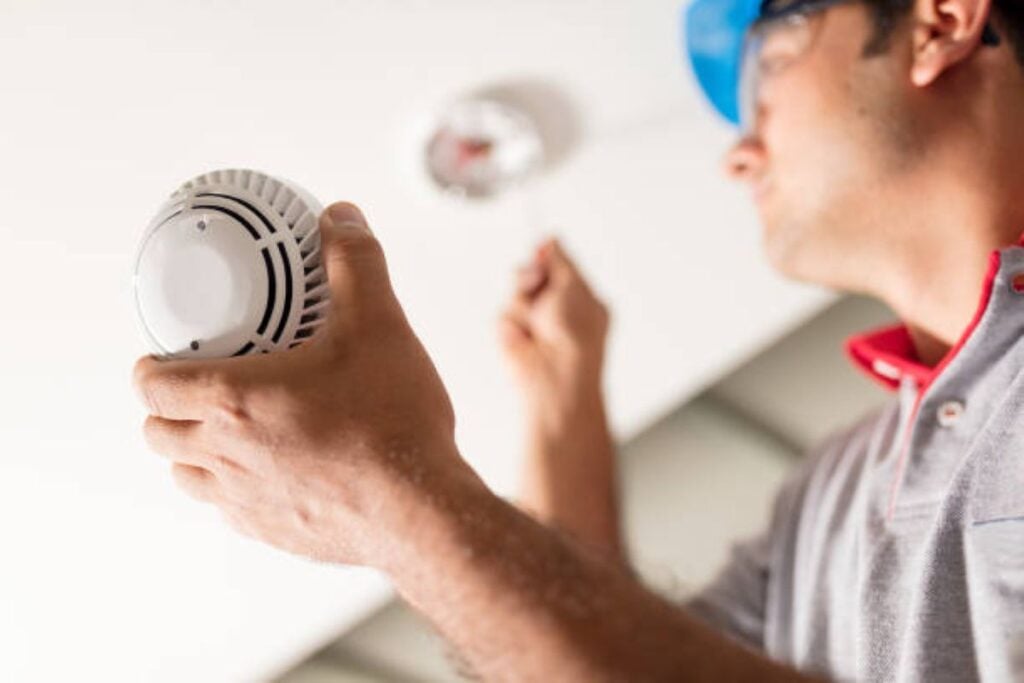
Here’s the thing about smoke detectors — they don’t send you a warning text when the battery’s about to die. It just quietly runs out, and you don’t find out until you really need it to work. That’s why swapping the battery once a year is such a common piece of advice. A lot of people tie it to daylight saving time, since that’s an easy date to remember twice a year. Even if you think it’s fine, it takes two minutes and it’s not worth the gamble.
15. Carbon monoxide detector batteries
Same idea as the smoke detector, but honestly even more important, because carbon monoxide has no smell, no color, and no taste. You genuinely cannot tell it’s there on your own — the detector is the only thing standing between you and not knowing. A dead battery here isn’t just inconvenient, it’s the one time you really don’t want a device failing silently.
16. HVAC or furnace air filter
This filter’s job is to catch dust, pet hair, and other gunk before it circulates through your home’s air. When it gets clogged, two things happen: the air quality in your home drops, and your system has to work way harder to push air through it. That means higher energy bills and more wear on a system that’s expensive to repair. Some filters actually need changing more than once a year, but if you’re not sure, once a year is a solid baseline.
17. Fire extinguisher check
People buy a fire extinguisher once and just assume it’s good forever. Not quite. The pressure inside can drop over time, even if you never use it, which means it might not work the way you’d expect in an emergency. A quick yearly check — looking at the gauge, checking the expiration date — takes way less time than dealing with the alternative.
Read Also: 10 Turn-Offs to Potential Buyers (That Could Be Why Your Home Won’t Sell)
Personal Care & Wardrobe
18. Sunscreen
Sunscreen doesn’t stay effective forever, even if the bottle isn’t empty. The active ingredients that actually block UV rays break down over time, so that bottle from two summers ago probably isn’t protecting you the way it says on the label. Most sunscreens do have an expiration date printed somewhere — check it, and if it’s passed, it’s time for a new bottle.
19. Mascara and eye makeup
This one’s easy to forget about, but eye makeup sits close to one of the most sensitive parts of your body, and it gets dipped into and reused constantly. Every time you use it, a little bit of bacteria gets introduced, and over months that adds up. Old mascara is one of the more common (and totally avoidable) causes of eye irritation and infection. As a rule, three months is ideal — a year is really pushing it.
20. Everyday running or walking shoes
Your go-to shoes can look totally fine on the outside while the cushioning inside has quietly broken down. That cushioning is what protects your knees, hips, and back with every step, and once it’s worn out, your joints start absorbing more impact than they should — even though nothing about the shoe looks different. If you walk or run in the same pair regularly, a yearly replacement keeps your body better protected, not just your feet looking good.
Wrapping It Up
None of this stuff is complicated, and none of it needs to happen all at once. You don’t have to run out this weekend and replace all 20 things — that’s not really the point. The point is just knowing what quietly wears out over time, so it’s not a total surprise later.
The easiest way to actually stick with this? Pick one day a year and make it your “reset day.” Maybe it’s New Year’s Day, maybe it’s the first day of a new season, maybe it’s just whatever day you already change your smoke detector batteries. Doesn’t matter which day — what matters is that it’s the same day every year, so it becomes a habit instead of something you have to remember to remember.
Even easier: set a recurring reminder on your phone right now, before you forget. One reminder, once a year, and you’ll never have to wonder again whether your sponge, your sunscreen, or your smoke detector are actually doing their job.
Small swap, big difference — and now you don’t have to think about it again until next year.