
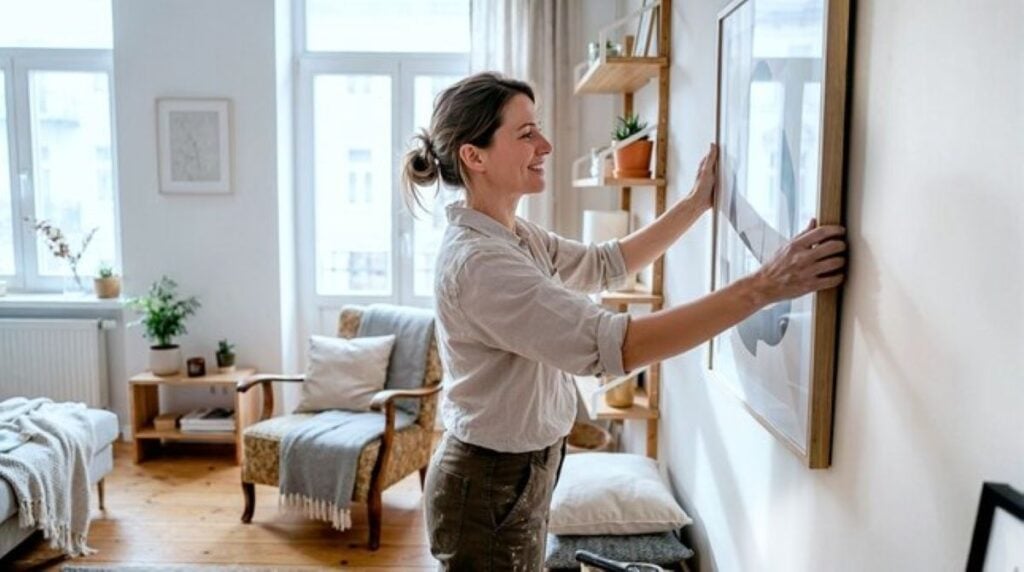
Walk into a staged home and it feels like nobody actually lives there. The counters are empty, the closets look roomy, and there’s not a stray sock anywhere. But here’s the secret: the people who live there have the exact same stuff you do. Junk drawers. Laundry piles. A tangled mess of phone chargers. They’ve just gotten really good at making it all disappear before anyone walks through the door.
That’s the tricky part about selling a house. Buyers want to see that there’s enough room for their own stuff too — so you can’t just cram everything into one closet and call it done. If a buyer opens a door and a pile of coats comes tumbling out, that’s not exactly the impression you’re going for. The real trick is finding spots where your clutter stays hidden and stays tidy — not just shoved out of sight.
So we asked people who stage homes for a living where they actually put everything. Turns out, there are a few spots that work like a charm every time — and we’re about to show you exactly where they are.
Quick-Hit Context: Why This Matters
Here’s something people don’t always realize: home buyers open everything. Closets, cabinets, the pantry, sometimes even the oven. So “hiding” your stuff can’t mean just tossing it somewhere and hoping no one looks — because someone will look. Pretty much everywhere.
That changes the whole game. The goal isn’t just a clean kitchen counter. It’s making sure every space — even the ones people are nosy about — looks calm and put-together. Here’s why that matters so much: storage space is one of the biggest things buyers care about. A closet that looks big and open can actually help sell the house. A closet stuffed to the brim does the opposite, even if it’s behind a closed door.
So it’s not really about hiding your stuff. It’s about making your storage look like it works — like there’s plenty of room to spare. Here’s exactly where the pros put everything to pull that off.
1. Storage Ottomans & Benches
This one’s a favorite for a reason: it’s basically a box that pretends to be furniture. You know the kind — the ottoman that looks like a comfy footrest but flips open to reveal a hollow inside. Staging pros love these because they solve two problems at once. They give you a spot to toss remotes, mail, chargers, or whatever’s cluttering your coffee table, and they still look like a normal, stylish piece of furniture sitting in your living room.
The best part is nobody thinks twice about them. A buyer walking through isn’t going to open your ottoman and start digging around — it just reads as decor, not storage. That said, don’t treat it like a bottomless pit. If you can’t close the lid all the way, you’ve packed in too much. Keep it light enough that it still looks (and feels) like part of the room, not a stuffed suitcase in disguise.
2. Matching Under-Bed Bins
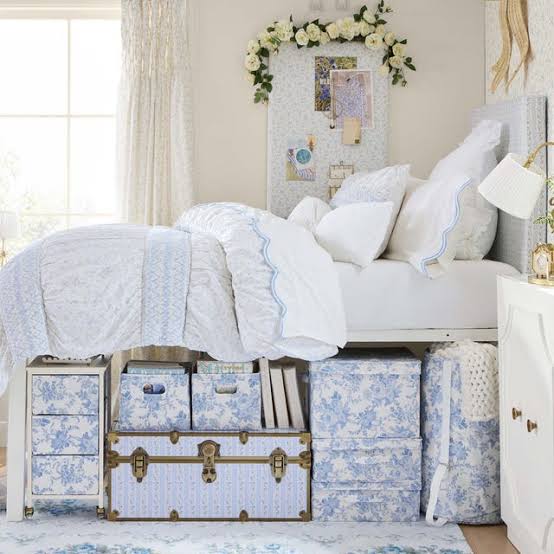
Bedrooms are supposed to feel calm and open — that’s a huge part of what makes a staged home feel appealing. But most of us also have a ton of stuff that doesn’t have anywhere else to go: off-season clothes, extra blankets, shoes you only wear twice a year. Under-bed bins are the answer. They tuck all of that away in a spot buyers rarely even think to check, while keeping your closet and dresser looking nice and organized.
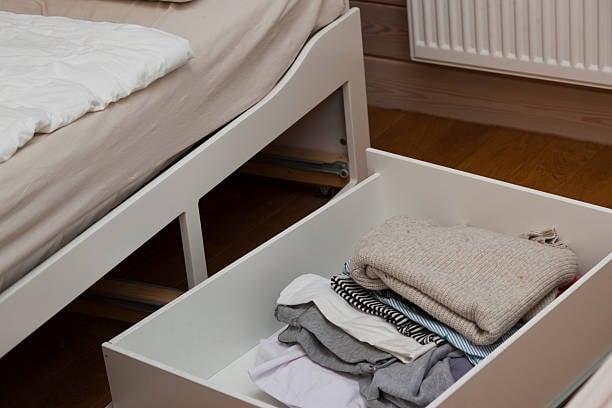
The key word here is matching. A random pile of mismatched boxes shoved under the bed looks messy the second someone glances down. But a couple of matching bins? That looks intentional — like you planned it that way. It’s a small detail, but it makes a big difference in how “put together” the room feels.
One tip: measure the gap under your bed before you buy bins. Nothing kills the effect faster than bins that don’t fully slide in and stick out on the sides.
Read Also: 10 Turn-Offs to Potential Buyers (That Could Be Why Your Home Won’t Sell)
3. The Trunk of Your Car

This one isn’t glamorous, but nearly every staging expert admits it’s the real MVP right before a showing. Got random stuff on the counter with nowhere to go? A laundry basket you didn’t get to? Your kid’s backpack sitting by the door? Into the trunk it goes. It’s fast, it’s out of the house completely, and nobody touring the home is going to peek in your car.
Think of it as your emergency backup plan — the spot for last-minute stuff when you don’t have time to find it a “real” home. It’s not meant to be a long-term fix, just a quick save for the 20 minutes before someone walks through the door.
The catch: don’t forget it’s there. It’s easy to keep adding stuff to the trunk over a few weeks of showings until it’s an overflowing mess back there too. Do a real clean-out every so often so your “quick fix” doesn’t turn into its own hidden disaster.
4. A Rented Storage Unit or PODS

Let’s be honest — some stuff just isn’t going to fit anywhere in your house, no matter how many bins or ottomans you buy. That’s where a storage unit or a PODS container comes in. This is the move for the big stuff: extra furniture, boxes of decorations, that treadmill you’re not using, or anything else that’s taking up space but doesn’t need to be seen right now.
Staging experts actually see this as one of the most important steps, not just a backup plan. A house with less furniture in it tends to look bigger. Emptier closets look roomier. Emptier garages look way more useful. Renting a storage unit for a month or two isn’t just about hiding clutter — it’s about making every room feel more spacious, which is a big deal when buyers are picturing their own stuff in the space.
Yes, it costs a little money and takes some effort to pack up and haul over. But if you’re serious about selling fast and for a good price, this is the spot experts say makes the biggest difference — way more than any bin or basket ever could.
5. Decorative Baskets & Lidded Bins on Open Shelving
Open shelves can be tricky. They look great when they’re styled right, but they can turn into a cluttered mess in about five seconds if you just start piling stuff on them. The fix? Baskets and lidded bins. Instead of trying to hide your open shelving completely, you use it — just smarter.
Here’s the trick: books, cords, remotes, random odds and ends all go inside a basket instead of sitting out in the open. Then the basket goes on the shelf like it’s part of the design. It still looks stylish and put-together, but now it’s actually doing a job — hiding your stuff in plain sight. Buyers see a shelf that looks nice and organized, not a shelf covered in your daily life.
One thing to watch: pick baskets that match or coordinate with each other. A row of shelves with five different colors and styles of basket looks busy, not styled. Stick to one or two colors and similar shapes, and it’ll look like it came straight out of a magazine.
Read Also: 9 Deal-Breaking Home Smells Buyers Notice in Seconds and How to Eliminate Them Fast
Bonus: Mistakes to Avoid
Even with all the best hiding spots, it’s easy to mess this up. Here are the slip-ups that trip people up the most:
Stuffing cabinets and closets so full they won’t close right. Remember — buyers open everything. If a cabinet is crammed so tight that a can of soup falls out when they open it, that’s worse than if you’d just left the counter a little messy. An overstuffed closet also makes it look like there’s not enough storage, which is the exact opposite of what you want buyers to think.
Hiding stuff in smelly spots. A hamper full of dirty laundry shoved in a corner, or a trash can that hasn’t been emptied — these might be “hidden,” but buyers will smell them before they even see them. And a bad smell sticks in someone’s memory way longer than a messy shelf ever would. If it stinks, it needs to actually leave the house, not just get tucked out of sight.
Only doing this once. Here’s the thing about showings — there’s rarely just one. Homes usually get toured again and again over weeks or even months. It’s easy to nail the hiding trick for the very first open house and then get lazy after that. But buyers touring on week six deserve the same tidy, put-together house as the ones who saw it on day one. Make hiding your stuff part of your regular routine, not a one-time scramble.
Final Thoughts
At the end of the day, staging a home isn’t about pretending you don’t have stuff — everybody has stuff. It’s about making your space feel bigger, calmer, and easier to imagine living in. The best hiding spots do double duty: they keep your everyday clutter out of sight while making your storage look like exactly what buyers are hoping for.
Get these five spots working for you, and you’ll be ready for a showing in minutes flat — no matter how little notice you get.