
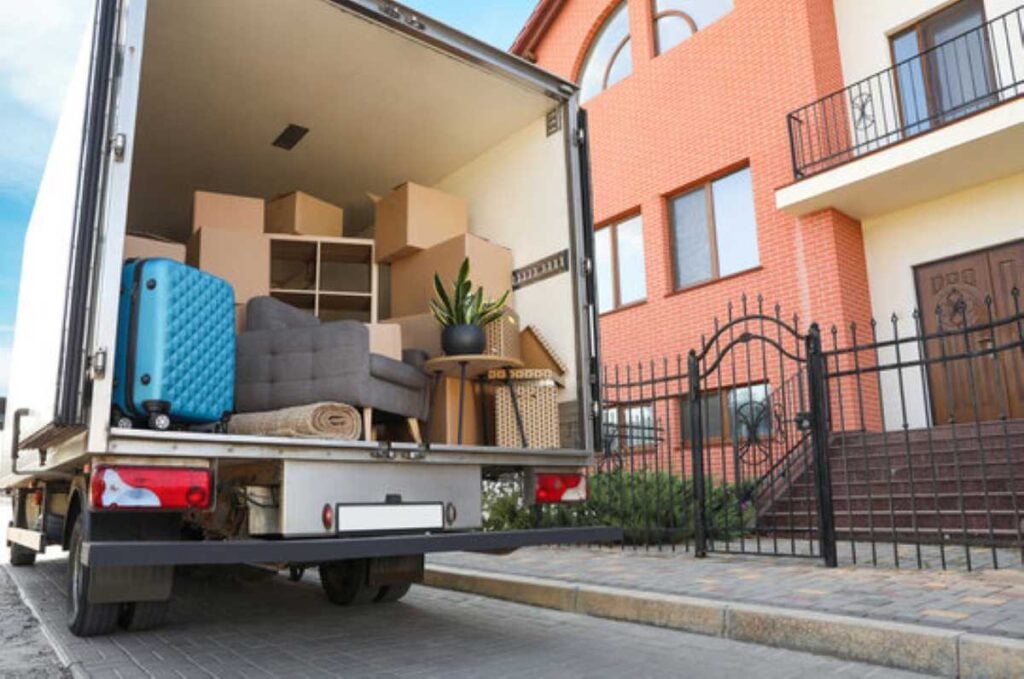
Let’s be real — moving is a hassle. But it’s also the best excuse you’ll ever get to stop holding onto stuff you don’t actually need.
Think about it. Every box you pack costs you time, energy, and sometimes even money, especially if you’re paying movers by weight or by the box. Fewer things to pack means fewer boxes to carry, a lighter load, and honestly, a lot less stress on moving day. And once you get to your new place, you won’t be stuck unpacking a bunch of stuff you didn’t even want in the first place.
That’s where this list comes in. We’ve gone through pretty much every room in your house and pulled together 50 things that are safe to toss, donate, or recycle before you move. It’s broken down by room and category, so you can just jump to whatever space you’re tackling next — kitchen, closet, garage, you name it.
Ready to lighten the load? Let’s get into it.
Section 1: Kitchen Clutter
Your kitchen is probably one of the worst offenders when it comes to random stuff piling up. Here’s what to toss before it makes the move with you.
1. Expired spices and pantry food
Be honest — that cinnamon has been in your cabinet since forever, and it’s lost all its flavor by now. Spices don’t really “go bad” in a dangerous way, but after a year or two they just taste like dust. Same goes for canned goods, flour, and anything else sitting in your pantry past its date. Check the dates, do a quick sniff test, and toss anything that’s stale, expired, or you just know you’ll never use. No point paying to move food you’re going to throw out anyway.
2. Mismatched or chipped dishware
We all have that one plate with a chip in the corner, or the random bowl that doesn’t match any set you own. Chipped dishes can actually be a little dangerous too — small cracks can hide bacteria or even cut you. If a plate or bowl is broken, doesn’t match anything, or you only keep it around “just in case,” let it go. You don’t need eleven mismatched coffee mugs in your new place.
3. Duplicate kitchen gadgets
How many bottle openers does one house really need? Or spatulas? Or those weird gadgets you bought off a late-night ad and used exactly once? Go through your drawers and pick your favorite of each item — then donate or toss the rest. If you haven’t touched a specific gadget in the last year, that’s a pretty good sign you won’t miss it.
4. Takeout containers and lidless Tupperware
Somehow these multiply on their own. You probably have a cabinet full of random plastic containers, half of which don’t even have matching lids anymore. A lidless container is basically useless — it can’t even hold leftovers properly. Keep a small stack of the good ones and toss the rest. Your cabinets (and your sanity) will thank you.
5. Worn-out dish towels and sponges
Old sponges hold onto bacteria and start to smell no matter how much you rinse them. And dish towels that are thin, stained, or falling apart aren’t doing much cleaning anymore anyway. These are cheap to replace, so don’t waste box space packing worn-out ones. Toss them and grab fresh ones once you’re settled in your new place.
Section 2: Bathroom & Toiletries
Bathrooms are sneaky. They look small, but they’re always packed with stuff you forgot you even owned. Time to clear it out.
6. Expired medications
Old medicine isn’t just useless once it expires — it can actually stop working the way it’s supposed to, or in some cases even become unsafe. Go through your medicine cabinet and check the dates on everything, from pain relievers to old prescriptions. Don’t just toss them in the trash or flush them though — most pharmacies have a drop-off box for old meds, and some communities do a “take back” day too. A quick search for “medication disposal near me” will point you in the right direction.
7. Half-empty or old toiletries
You know that lotion you used twice three years ago? Or the mouthwash that’s been open since who-knows-when? If it’s mostly empty, dried out, or you straight up forgot you had it, it’s not worth packing. Moving these half-used bottles just means more stuff to carry for basically nothing.
8. Makeup past its shelf life
Makeup doesn’t last forever, even if it doesn’t look any different. Mascara and liquid eyeliner are usually good for about 3 months once opened, foundation around a year, and powders can last a couple years. Old makeup can actually irritate your skin or eyes, so if you can’t remember when you bought something, it’s probably time to say goodbye.
9. Worn-out towels and bath mats
Towels that are thin, scratchy, or don’t really absorb water anymore aren’t doing their job. Same with a bath mat that’s stained or losing its grip on the floor. These are bulky too, so they take up a good chunk of box space for something you’re not going to love using anyway. Donate the ones in decent shape, toss the ones that are falling apart.
10. Nearly empty product bottles
Shampoo with just a tiny bit left. Lotion you’re basically scraping out. Toothpaste that’s been rolled and squeezed until there’s nothing left. These almost-empty bottles take up way more space in a box than the amount of product left inside is worth. Use them up or toss them before moving day instead of hauling a bunch of near-empty containers to your new place.
Section 3: Clothing & Closet
Closets are where clutter loves to hide. You open the door, shove something in, and forget about it for years. Let’s fix that before moving day.
11. Clothes that no longer fit
We’ve all kept that pair of jeans we’re “gonna fit into again someday.” Here’s the truth: holding onto clothes that don’t fit right now just takes up space and can honestly make you feel bad every time you see them. If it doesn’t fit your body today, let it go. You can always buy something new later if your size changes again.
12. Single or mismatched socks
Somewhere out there is a sock graveyard full of lonely socks with no match. If you’ve got single socks sitting in your drawer hoping their partner shows up, it’s time to accept the truth — that sock is gone. Toss the singles and any pairs that are stretched out, thin, or full of holes.
13. Worn-out shoes
Shoes with holes, busted soles, or that are falling apart at the seams aren’t worth packing. Think about it this way — would you actually wear these in your new place? If the answer is no, don’t waste a box on them. Worn-out shoes are also bulky and awkward to pack, so tossing them now saves you real space.
14. Old or ill-fitting undergarments
This one’s simple: underwear and bras that are stretched out, faded, or don’t fit right anymore should not be making the trip with you. They wear out faster than most other clothes anyway, so if yours have seen better days, it’s time for fresh ones. This is a category where “just in case” doesn’t really apply.
15. Anything unworn in the past year
This is the big one. If you haven’t worn something in a full year, there’s a good chance you’re not going to start now. Go through your closet piece by piece and ask yourself honestly — have I worn this in the last 12 months? If not, and it’s not something like a special occasion outfit, it’s probably time to donate it.
Section 4: Bedroom & Linens
Your bedroom should feel like a fresh, comfy space — not a storage unit for old pillows and mismatched sheets. Here’s what to clear out.
16. Flat, old pillows
Fold your pillow in half. If it stays folded instead of springing back, it’s done. Pillows lose their fluff over time and start collecting dust, sweat, and all kinds of stuff you don’t want to think about too hard. Most pillows only last a couple years anyway, so if yours is flat, lumpy, or just plain old, don’t pack it. Start fresh in your new bed.
17. Worn-out sheet sets
Sheets that are thin, scratchy, pilling, or faded aren’t giving you a comfy night’s sleep anymore. If you’ve got extra sets you never actually use, or ones with stains that won’t come out, this is the time to let them go. Keep your favorites, toss the rest.
18. Stained or torn blankets
That blanket with the mystery stain or the hole in the corner? It’s not making the cut. Blankets are bulky, so they eat up a lot of box space. If it’s torn, stained, or just not something you’d want to use in your new place, donate it if it’s still usable, or toss it if it’s not.
19. Extra mattress toppers you don’t use
If you’ve got a mattress topper shoved in a closet that you switched out or stopped using, there’s no reason to keep hauling it around. These things are big and bulky too, so they take up a surprising amount of space for something just sitting there unused.
20. Broken or wire hangers
Wire hangers bend out of shape fast and honestly aren’t great for your clothes anyway — they can leave weird creases or even stretch out the shoulders of shirts. And any hanger that’s cracked or broken obviously isn’t doing its job. Skip packing these. Good hangers are cheap, and you can grab a fresh matching set for your new closet instead.
Read Also: 7 Things You MUST Do the First Week in Your New Home
Section 5: Paperwork & Documents
Paper clutter is sneaky because it doesn’t look like much on its own — but pack it all up and it turns into a heavy, annoying box you didn’t need to move. Let’s thin it out.
21. Old bills and statements (shred first)
You don’t need to keep every electric bill from the last five years. Most old bills and statements can go, but here’s the important part — shred them first, don’t just toss them in the trash. They usually have personal info on them like account numbers, so shredding keeps that info from ending up in the wrong hands. A cheap shredder pays for itself fast.
22. Outdated manuals and warranties
Still holding onto the manual for a toaster you don’t even own anymore? Or a warranty that expired three moves ago? If the product is gone, broken, or the warranty ran out, the paperwork is useless now. Most manuals can be found online anyway if you ever really need one, so don’t stress about keeping the paper copy.
23. Junk mail piles
Flyers, catalogs you didn’t ask for, credit card offers — this stuff piles up fast and nobody actually wants it. Go through it, recycle what you can, and shred anything with personal info on it. There’s no reason to pack a single piece of junk mail.
24. Expired coupons
That coupon for 20% off that expired two years ago isn’t saving you anything anymore. Go through your coupon stash and toss anything that’s past its date. If you use coupon apps now instead of paper ones, this is an easy category to basically clear out completely.
25. Old magazines and catalogs
It’s easy to tell yourself you’ll “get around to reading” that stack of magazines, but be honest — you probably won’t. Recycle the old issues, and if there are a few articles or pages you really want to keep, just snap a photo or tear out that one page instead of hauling the whole magazine.
Section 6: Furniture
Furniture is expensive to move — it’s heavy, awkward, and sometimes needs extra people or even extra money to haul. So before you pay to move a piece, make sure it’s actually worth it.
26. Broken or damaged furniture
A wobbly table leg, a drawer that won’t close right, a chair with a crack in it — if something’s broken and you’ve been “meaning to fix it” for months, be honest with yourself about whether that’s actually going to happen. Moving is the perfect excuse to finally let go of furniture that’s more trouble than it’s worth.
27. Pieces that won’t fit your new space
Take a good look at your new place before moving day. That huge couch might look perfect now, but will it even fit through the door or up the stairs? Measure your rooms and doorways ahead of time. If something clearly won’t fit, there’s no point paying movers to haul it there just to find out it’s stuck in the hallway.
28. Mattresses past their lifespan
Most mattresses only last around 7 to 10 years. If yours is older than that, sagging, or you wake up sore a lot, it’s probably done. Moving a mattress is a pain anyway — it’s big, floppy, and hard to carry. If yours is on its way out, this is a great excuse to leave it behind and get a fresh one at your new place.
29. Wobbly or damaged shelving
Shelves that lean, wobble, or have cracks can actually be dangerous, especially if you’ve got stuff stacked on them. If a shelf isn’t sturdy anymore, don’t risk packing it full of your things or setting it up in your new home. Recycle it if you can, or toss it if it’s falling apart.
30. Furniture you’ve been meaning to replace anyway
We all have that one piece we don’t love but keep because, well, it’s still technically usable. If you’ve been planning to swap something out eventually, moving is the perfect time to do it. Why pay to move furniture you’re just going to replace in a few months anyway?
Section 7: Electronics & Cables
Electronics have a sneaky way of piling up in drawers and boxes, and most of us have no idea what half of it even goes to anymore. Time to sort it out.
31. Broken electronics
Old printers that jam every time, phones with cracked screens you’ll never fix, headphones with one dead ear — if it doesn’t work and you’re not actually going to repair it, it’s just dead weight. Electronics are heavy too, so you’re not doing your moving budget any favors by hauling broken ones along.
32. Unidentifiable tangled cords
You know the drawer. The one with a giant tangled ball of cords where you have no idea what half of them even connect to anymore. If you can’t identify what a cord goes to, or you know for a fact you don’t own that device anymore, cut it loose. Keep the ones you actually use and recognize, and let the rest go.
33. Outdated tech and old phones
That old phone sitting in a drawer since you upgraded three phones ago? It’s probably not coming back into your life. Same with old tablets, MP3 players, or anything tech that’s way behind the times. If you’re worried about personal info, wipe the device first, then recycle it — a lot of electronics stores will even take it off your hands for free.
34. Dead or corroded batteries
Batteries that are dead, leaking, or have that crusty white stuff on them (that’s corrosion, and it’s not something you want touching your skin) need to go. Don’t just toss them in the regular trash though — batteries should be recycled properly since they can be harmful to the environment. Lots of hardware and electronics stores have battery drop-off bins.
35. Remotes for devices you no longer own
If the TV, DVD player, or sound system that remote belongs to is long gone, the remote isn’t doing anything for you anymore. Go through your remote pile and match each one up with a device you still actually have. Anything left over with no match can go.
Section 8: Garage, Tools & Storage
The garage is where stuff goes to be forgotten. If you haven’t opened some of these bins in years, it’s probably time to finally sort through them before they make the trip with you.
36. Dried-out paint cans
Shake the can. If you hear a solid thunk instead of liquid sloshing around, that paint is done. Dried-out paint isn’t useful for touch-ups anymore, so there’s no reason to keep hauling those cans around. Just check your area’s rules first — paint usually can’t go straight in the regular trash and needs to be dropped off at a hazardous waste site instead.
37. Expired chemicals and cleaning products
Old cleaning sprays, weed killer, bug spray — chemicals can break down over time and stop working the way they’re supposed to, or in some cases become unsafe to use. Check for expiration dates, and if you’re not sure how old something is, that’s usually a sign it’s been sitting around too long. These need to be disposed of properly too, not just poured out or tossed in the trash.
38. Rusted or broken tools
A rusty wrench or a hammer with a cracked handle isn’t just annoying to use — it can actually be unsafe. If a tool is rusted through, broken, or missing parts, it’s probably not worth keeping. Good tools last a long time, so this is really just about clearing out the ones that have already reached the end of the road.
39. Empty cardboard boxes
It feels weird to throw away boxes right before a move, but hear us out — random empty boxes lying around your garage aren’t the same as the sturdy ones you’ll actually use for packing. If they’re crushed, damp, falling apart, or just random shipping boxes with no real use, recycle them instead of trying to make them work.
40. Leftover scrap building materials
Extra tiles from a project three years ago. A random piece of wood from who-knows-what. A half bag of cement that’s basically a rock now. If you’ve got scraps left over from old projects that you’re never going to use, this is a good time to let them go instead of moving construction leftovers to your new place.
Section 9: Kids’ Items & Toys
Kids grow fast, and their stuff piles up even faster. This is one of the easiest sections to make real progress in, so let’s dig in.
41. Broken toys
Toys with missing wheels, dead batteries that won’t hold a charge, or pieces that snapped off and can’t be fixed aren’t doing anyone any favors sitting in a bin. Kids usually don’t miss broken toys as much as you’d think, especially once they’re out of sight. Toss the ones that are truly broken and donate any that still work but just aren’t played with anymore.
42. Outgrown clothes and shoes
Kids grow out of clothes fast, sometimes before they’ve even worn them much. Go through drawers and closets and pull out anything that doesn’t fit anymore. If the clothes or shoes are still in good shape, donate them or pass them down to a friend or family member with younger kids. No point moving boxes of clothes nobody can wear anymore.
43. Old school papers (save only favorites)
It’s easy to end up with years of worksheets, drawings, and papers stuffed in folders. You don’t need to keep all of it — pick a few favorites that really matter, maybe a cute drawing or a proud report card, and let the rest go. You could even take photos of the ones you want to remember instead of keeping the actual paper.
44. Baby gear no longer needed
If your kids are past the baby stage, things like bottles, baby monitors, or infant car seats (check if they’re expired first — car seats actually do expire) are just taking up space. Unless you’re planning on more kids soon, this gear can be donated or sold to someone who actually needs it right now.
45. Games/puzzles missing pieces
A puzzle missing ten pieces or a board game with half the cards gone isn’t really playable anymore. Go through your game closet and be honest about what’s actually complete. If pieces are missing, it’s probably time to let it go instead of packing an incomplete game to your new place.
Section 10: Miscellaneous & Sentimental Clutter
This last category is the trickiest one, because it’s not about whether something’s broken or useful — it’s about the stuff we hang onto just because it feels hard to let go. Let’s work through it.
46. Broken decorations
A cracked picture frame. A candle holder missing a piece. Decorations that are chipped, broken, or just not something you’d actually display in your new place don’t need to make the trip. If it’s not adding anything to your space anymore, it’s just clutter with a nicer name.
47. Old greeting cards
Birthday cards, holiday cards, cards from years ago that got tucked in a drawer and forgotten — you don’t need to keep every single one. Pick out the ones that really mean something to you, maybe from someone special or for a specific memory, and let the rest go. It’s the memory that matters, not the paper.
48. Duplicate chargers and adapters
Somehow everyone ends up with a pile of chargers, half of which don’t even match anything you own anymore. Keep the ones you actually use for your current devices, and clear out the rest. You really don’t need five phone chargers when one or two will do just fine.
49. Unused gifts
We’ve all gotten a gift that just wasn’t for us. It’s totally okay to let go of something you’ve never used and know you never will, even if someone gave it to you with love. Keeping it doesn’t honor the person who gave it — using it, or passing it on to someone who will use it, does.
50. “Just in case” items untouched for years
This is the classic clutter trap. That random gadget, extra part, or old item you’ve kept “just in case” for years, but never actually needed. If it’s been sitting untouched that long, the odds of you needing it are pretty slim. Let it go and free up the space — and if you truly need something like it someday, you can always get a new one.
How to Get Rid of It Responsibly
Tossing everything in the trash isn’t always the best move — for your wallet or for the planet. Here’s a quick guide on what to do with all the stuff you’re clearing out.
Donate: usable clothing, furniture, toys
If something’s still in good shape but you just don’t need it anymore, donating is a great option. Places like Goodwill, the Salvation Army, or local shelters are always happy to take clothes, furniture, and toys that still have some life left in them. Bonus: someone else gets to use something you were just going to leave behind anyway.
Sell: higher-value items via marketplace apps or a yard sale
Got something worth actual money, like furniture, electronics, or gear in good condition? Don’t just give it away for free if you don’t have to. Apps like Facebook Marketplace or OfferUp make it easy to sell stuff quickly, or you could throw a yard sale before moving day. It’s a nice way to make a little extra cash while clearing out your space.
Recycle: electronics, batteries, paper
A lot of what you’re getting rid of shouldn’t just go in the regular trash. Electronics, batteries, and paper can usually be recycled instead of tossed. Many stores that sell electronics will actually take old ones off your hands for free, and most cities have paper recycling as part of regular trash pickup. A quick search for “recycling near me” can point you to drop-off spots for anything trickier.
Dispose safely: chemicals, medications, paint (note local hazardous waste rules)
Some things need extra care when you toss them. Chemicals, old medications, and paint can actually be harmful if they’re just thrown in the trash or poured down the drain. Most areas have hazardous waste drop-off sites or special collection days for this exact kind of stuff. It’s worth checking your city or county’s website to see what your local rules are before getting rid of anything in this category.
Read Also: 13 Things People Always Forget When Moving House
Conclusion
Moving is a lot of work, but it’s also one of the best chances you’ll ever get to hit reset. Every item you toss now is one less box to carry, one less thing to unpack later, and one less piece of clutter following you into your new place. A lighter move means less stress on moving day and a home that feels fresh from the moment you walk in.
You don’t have to tackle all 50 things today. Just pick one category from this list — maybe start with the kitchen or the closet — and go from there. Once you get going, you’ll probably find it’s easier than you thought to let go of stuff you don’t actually need.
Your new place deserves a fresh start. Give it one.