
Let’s be honest — when most people hear “food forest,” they picture acres of land, towering trees, and some off-grid homestead deep in the countryside.
Meanwhile, you’re standing in your very normal backyard… staring at a patch of grass and wondering if it could maybe grow something more exciting than weeds.
Good news: it absolutely can.
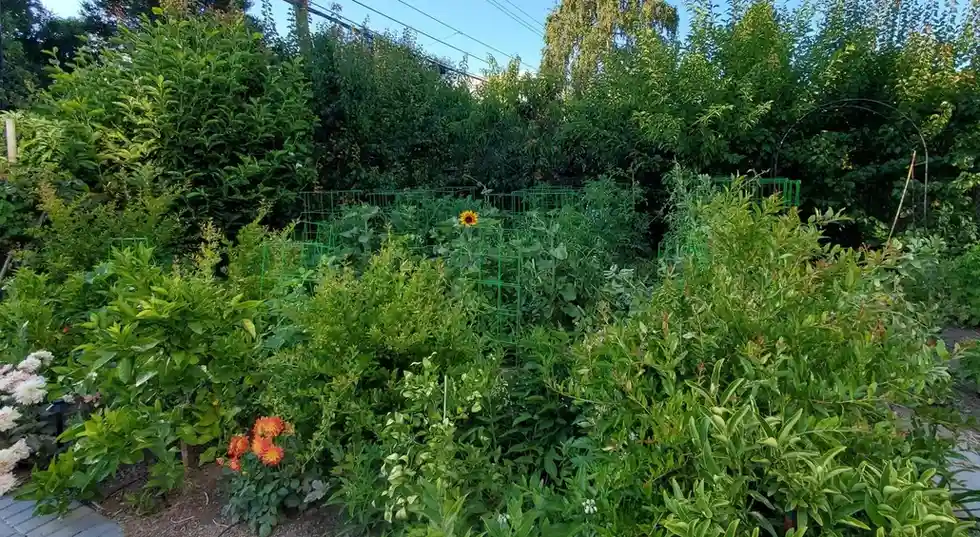
A mini backyard food forest isn’t about having tons of space. It’s about using the space you already have — smarter. Even a small yard, a side strip along a fence, or a sunny corner can become a layered, productive little ecosystem. Fruit trees, berries, herbs, groundcovers — all working together instead of competing for space.
And no, you don’t have to rip out your entire lawn tomorrow or become a permaculture expert overnight. You can start with one tree. One bed. One corner.
That’s the beauty of it.
If you’ve been craving a backyard that feels a little more abundant, a little more intentional, and a lot more edible… these mini food forest ideas are going to show you exactly how doable it really is.
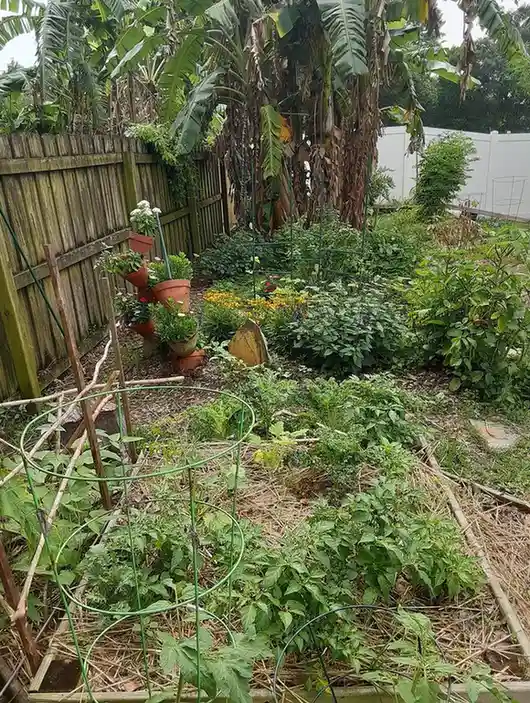
1. The One-Tree Food Forest Starter
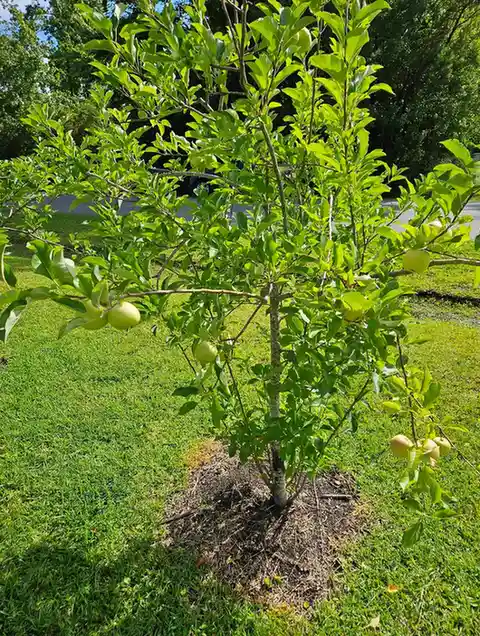
If the idea of building a food forest feels overwhelming, this is where you start — with just one tree.
That’s it. One dwarf fruit tree.
It could be a dwarf apple, peach, plum, or even a lemon if you’re in a warm climate. Dwarf varieties are perfect for small backyards because they stay manageable, allow sunlight through their canopy, and make harvesting easy (no ladders required).
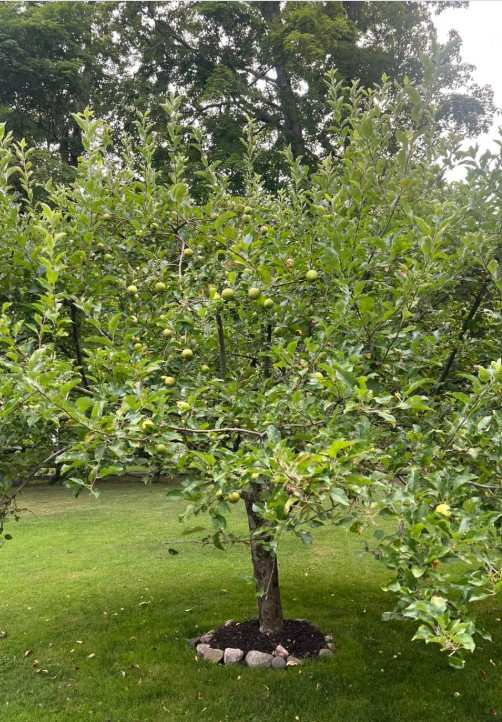
Once your tree is planted, you simply build layers underneath it. Think of it like dressing the tree with supportive friends:
- A couple of fruiting shrubs (blueberries or currants)
- Culinary herbs (thyme, oregano, chives)
- Groundcovers (strawberries or clover)
- A thick layer of mulch to protect the soil
You’re not creating a jungle overnight. You’re creating a small, thriving ecosystem around one anchor plant.
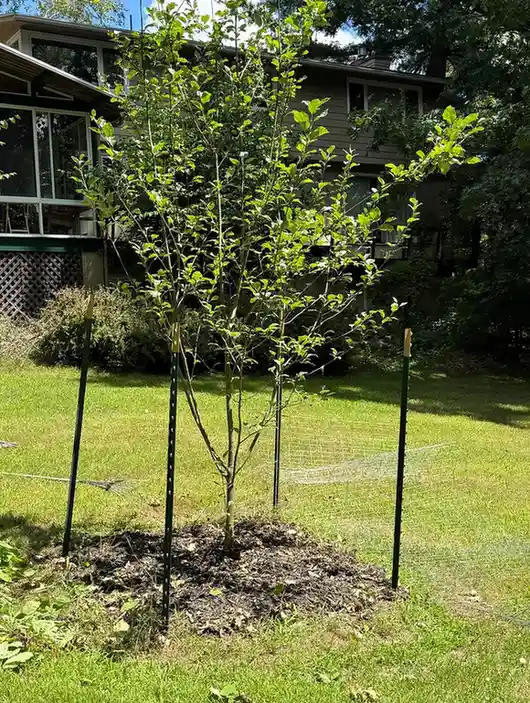
This setup is ideal for beginners because it’s manageable. You’ll learn how sunlight moves in your yard. You’ll see how water drains after rain. You’ll notice which plants thrive and which struggle. That feedback is gold.
And the best part? It doesn’t look intimidating. It looks intentional. Clean. Simple. Productive.
If you’ve been waiting for permission to start small, this is it. A food forest can literally begin with one tree.
2. Raised Bed Food Forest Garden
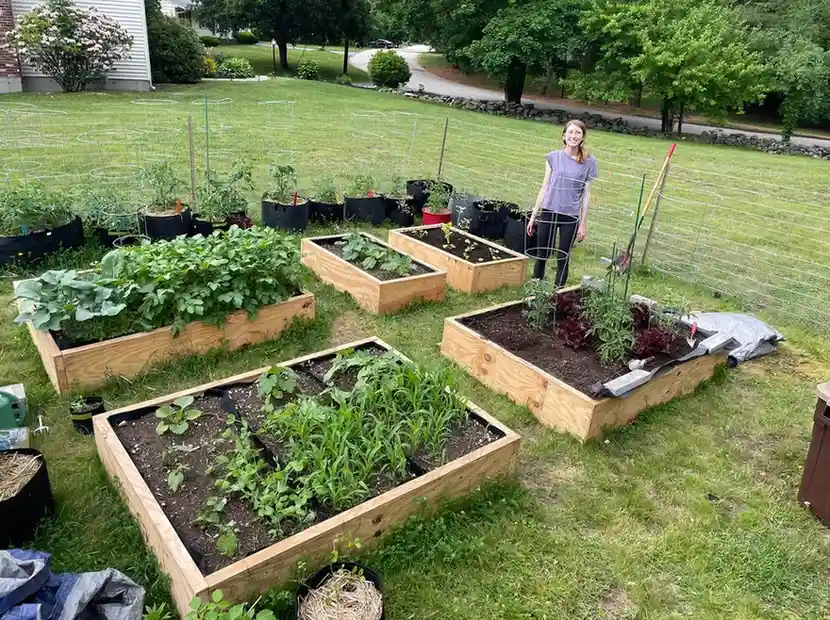
If your soil is rocky, compacted, or just plain stubborn, raised beds are your shortcut to success.
Think of this as a mini food forest contained in a tidy frame.
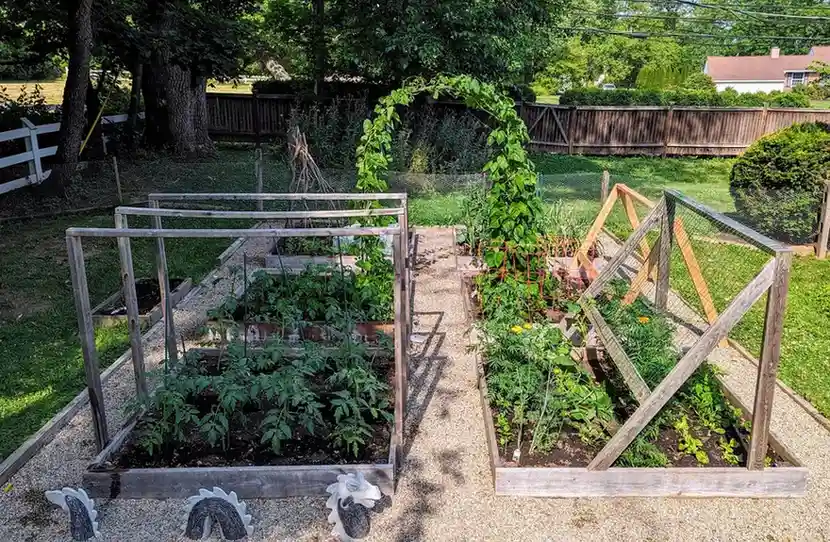
Instead of spreading out across the yard, you stack layers vertically inside a raised bed:
- A compact fruit shrub as your focal point (like a dwarf blueberry)
- Herbs tucked around it (basil, parsley, mint in a contained spot)
- Leafy greens filling gaps
- Strawberries or creeping thyme spilling over the edges
Raised beds give you total soil control. You can build rich, well-draining soil from the start instead of spending years trying to improve what’s already there. That alone makes this one of the most beginner-friendly food forest setups.
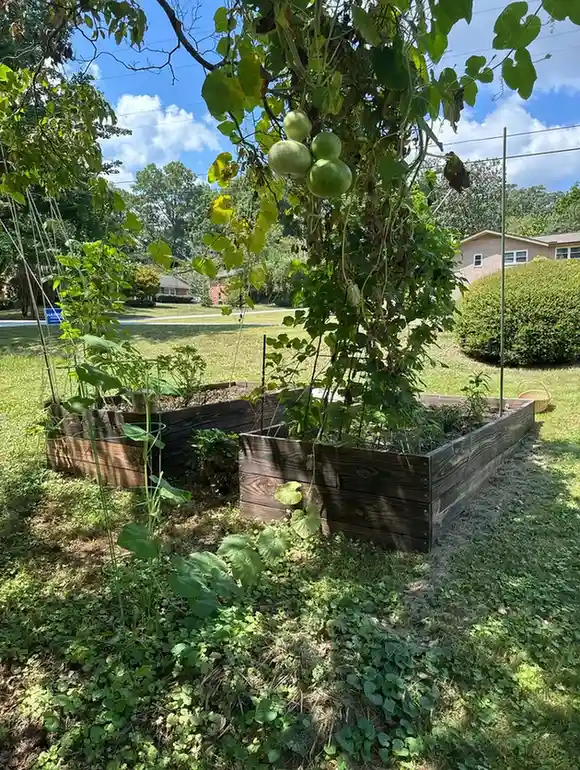
It’s also visually neat, which helps if you live in a suburban neighborhood or share space with family members who aren’t fully sold on the “wild permaculture” look yet.
And here’s the underrated bonus: raised beds warm up faster in spring. That means earlier planting and often earlier harvests.
If the one-tree method feels too open-ended, a raised bed food forest feels structured and contained — like permaculture with training wheels.
3. Container-Based Mini Food Forest
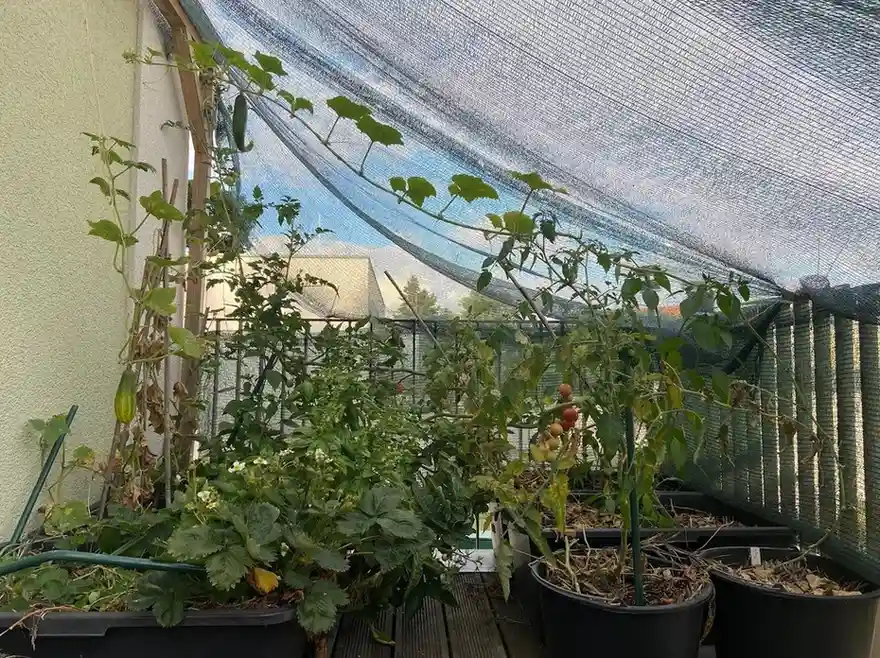
No yard? Renting? Tiny patio? You can still grow a food forest.
This setup is all about using containers to create layers — just like a traditional food forest, but portable.
Start with one large pot (think half wine barrel size) and plant a dwarf fruit tree inside. Fig trees, dwarf lemons, patio peaches, and even columnar apples do beautifully in containers. That becomes your “canopy layer.”
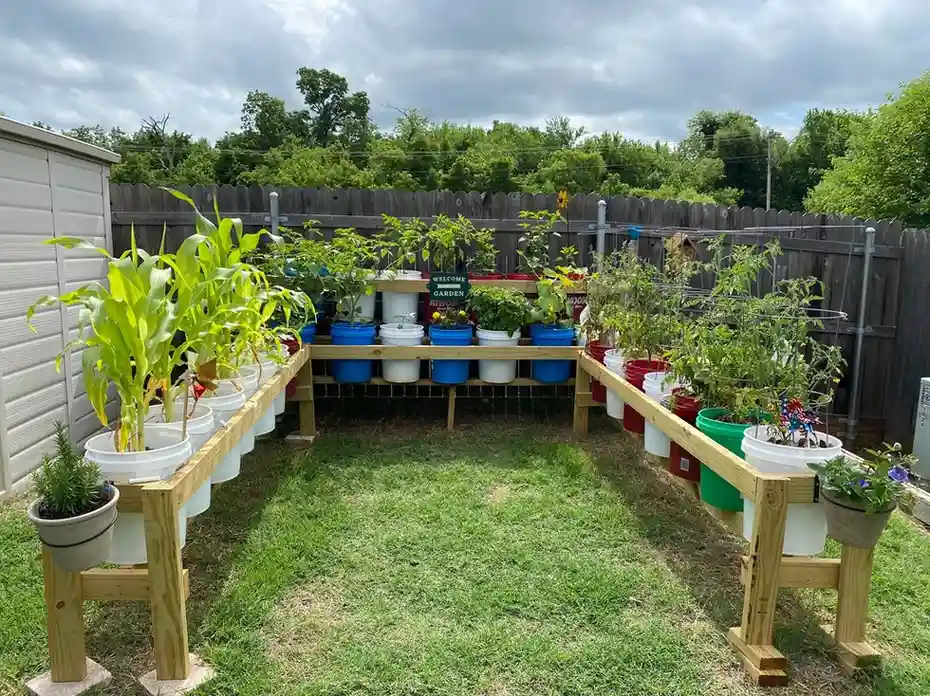
Around it, add medium-sized pots with shrubs like blueberries or dwarf raspberries. Then tuck in smaller pots with herbs — basil, thyme, chives, mint (mint especially behaves better in containers anyway). Finish with low-growing plants like strawberries spilling over the edges.
Suddenly, you have layers. In pots.

The magic of a container food forest is flexibility. You can move everything to chase sunlight. Rearrange when guests come over. Take it with you if you move. It’s a food forest that doesn’t tie you down.
And it’s surprisingly productive. Containers warm up faster in spring, and with good soil and regular feeding, plants thrive.
If you’ve ever thought, “I’d love a food forest but I don’t have space,” this is your proof that you absolutely do.
4. Corner Backyard Food Forest
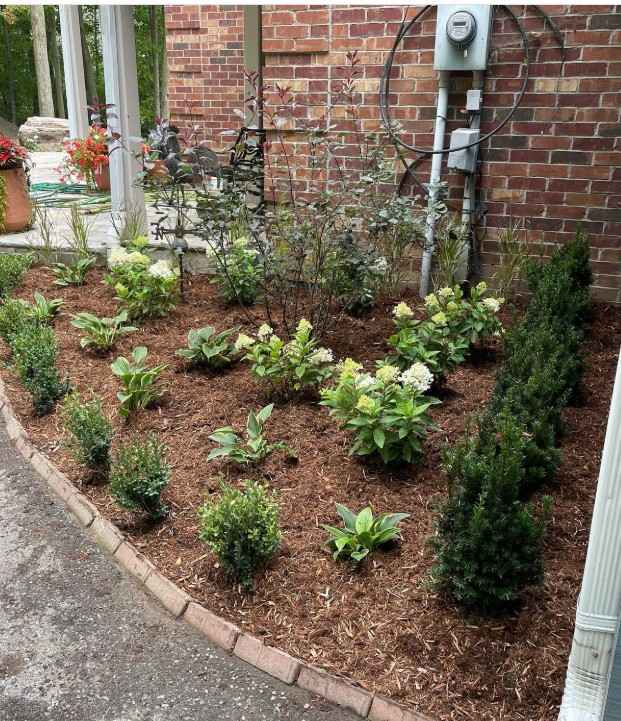
Every backyard has that awkward corner.
The one where grass struggles.
Or where nothing really happens.
Or where the fence just meets at a weird angle.
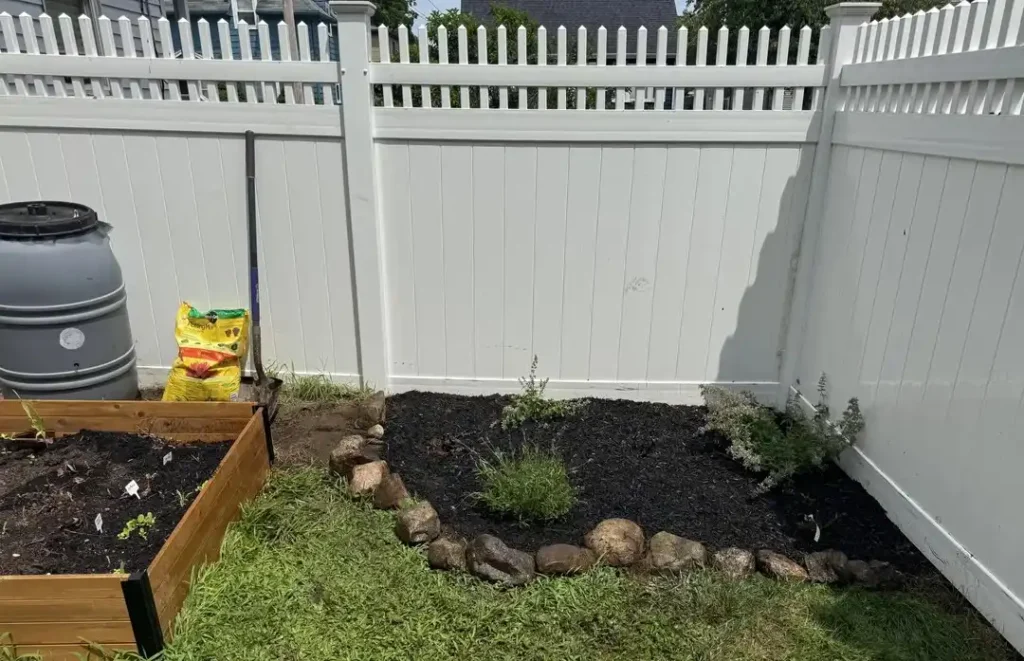
That corner? It’s prime food forest territory.
Instead of thinking in rows, think triangular. Plant a small fruit tree at the back corner as your anchor. In front of it, layer shrubs like currants or gooseberries. Fill the edges with herbs and groundcovers that spill outward.
By planting in a triangular layout, you maximize space while keeping everything accessible. It feels intentional instead of crammed.
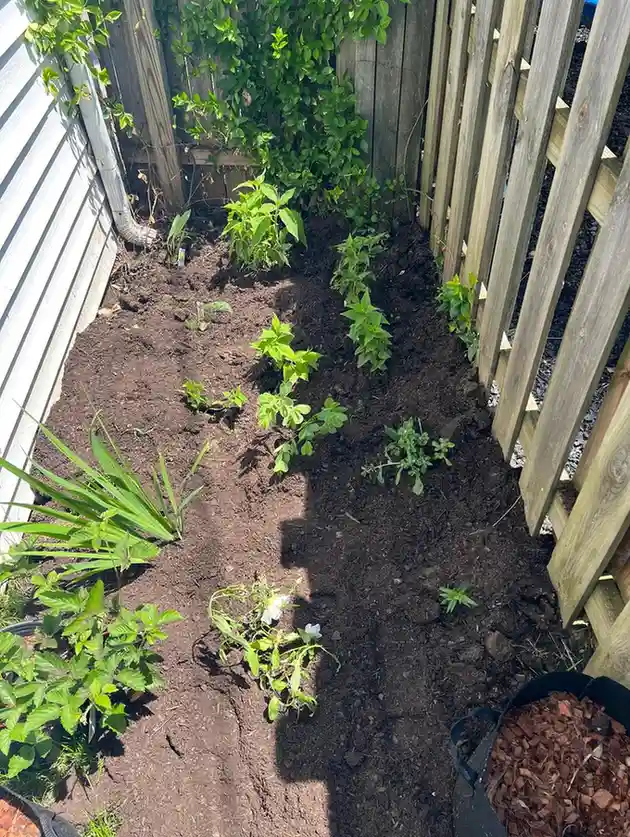
Another bonus? Corners naturally create privacy. A layered food forest softens fences and adds a lush backdrop to your yard. It can block neighbors’ views, reduce wind, and make the space feel cozy.
And because you’re working in one contained section, it doesn’t feel overwhelming. You’re not redesigning the entire yard — just transforming one forgotten spot.
It’s one of the easiest ways to dip your toes into permaculture without committing to a full lawn overhaul.
5. Fence-Line Food Forest Garden
Your fence doesn’t have to just sit there looking… fence-y.
It can grow food.
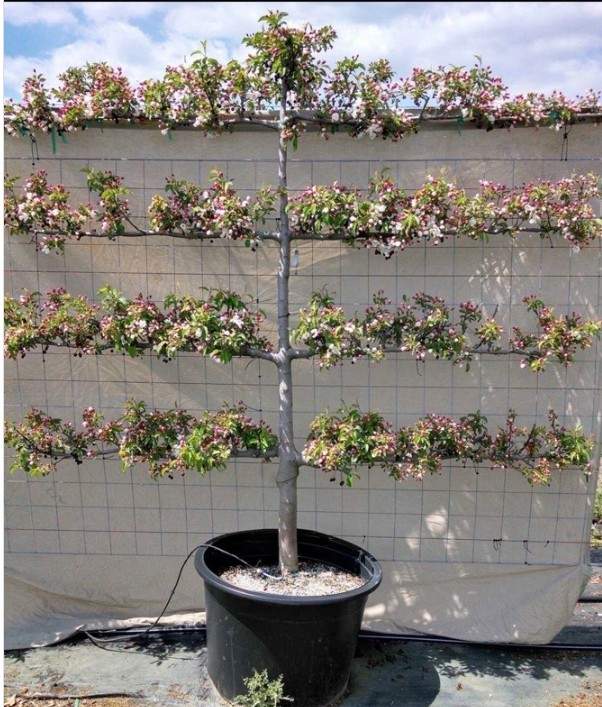
A fence-line food forest is one of the smartest ways to use space in a small backyard because you’re working vertically instead of spreading out. The star of this setup? Espalier fruit trees.
Espalier simply means training fruit trees to grow flat against a structure. Apples, pears, peaches, and even figs can be trained along a fence using simple horizontal wires. The result looks beautiful and intentional — almost like living garden art.
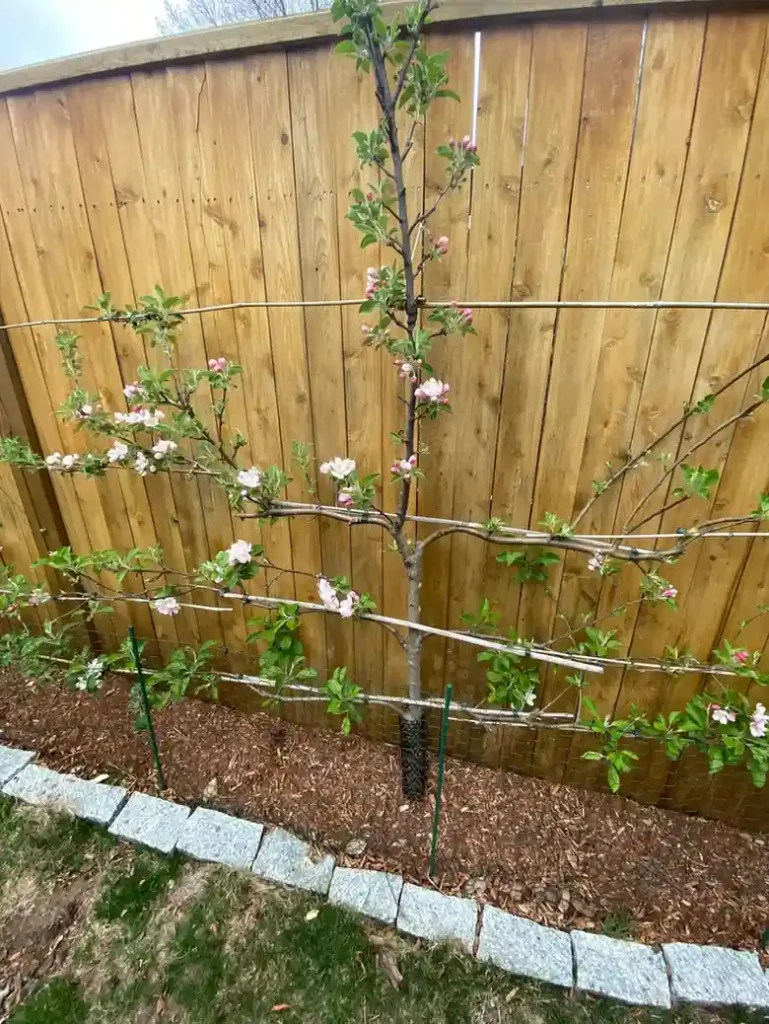
Underneath those trees, layer in compact shrubs like blueberries or dwarf raspberries. Add herbs along the front edge — oregano, chives, thyme — and maybe strawberries as groundcover.
What you’ve done is turn a boundary into a productive edge. And in permaculture, edges are where the magic happens.
This setup also keeps your yard feeling open because everything hugs the perimeter. You’re not blocking sightlines or crowding the center of the lawn.
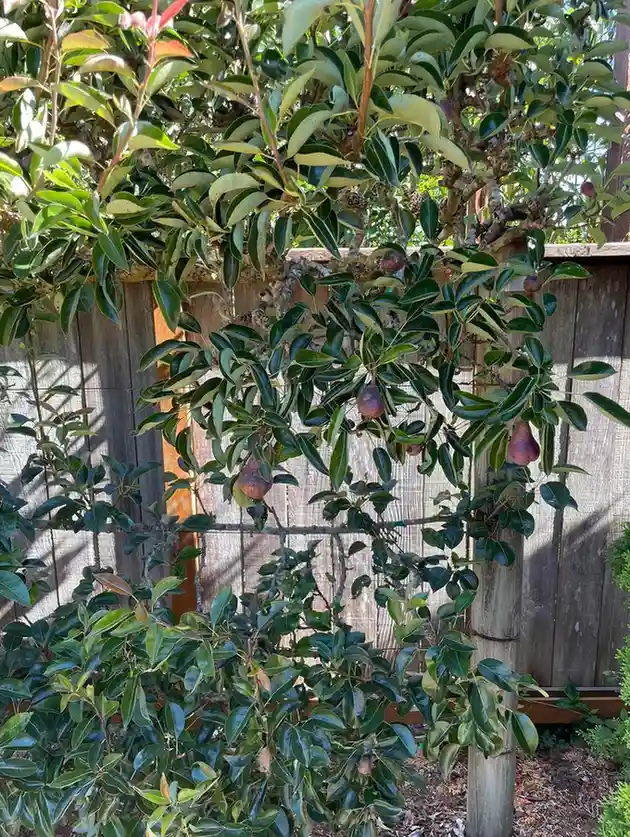
Plus, fences usually get good sun exposure, especially south- or west-facing ones. That warmth helps fruit ripen beautifully.
Instead of thinking, “I don’t have enough space,” start thinking, “What can my fence do?”
6. Micro Urban Food Forest
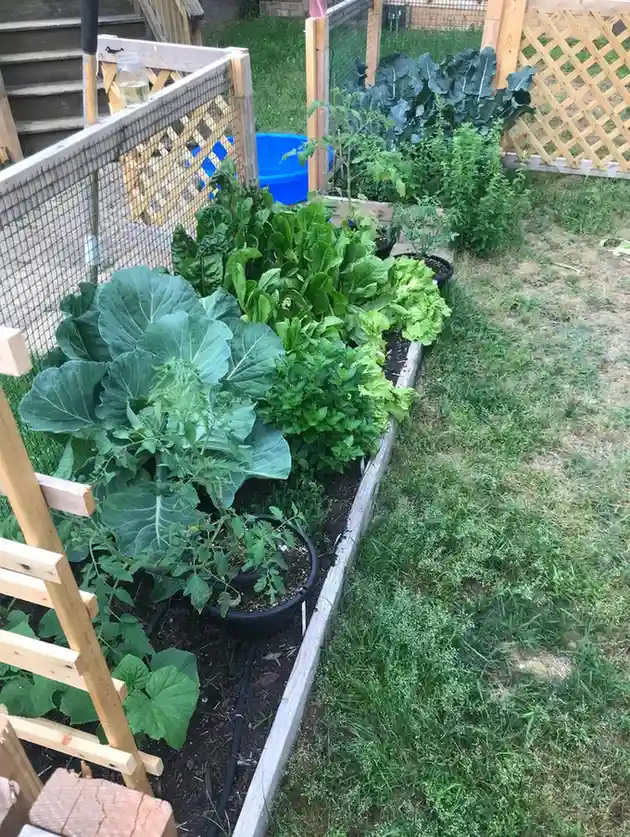
If your entire lot is under 1,000 square feet, welcome to the micro food forest club.
This setup is designed specifically for tight city spaces — think narrow backyards, townhomes, or compact suburban lots.
The key here is choosing compact varieties only. Dwarf fruit trees. Columnar apples. Bush cherries. Patio blueberries. Nothing that grows massive or casts heavy shade.
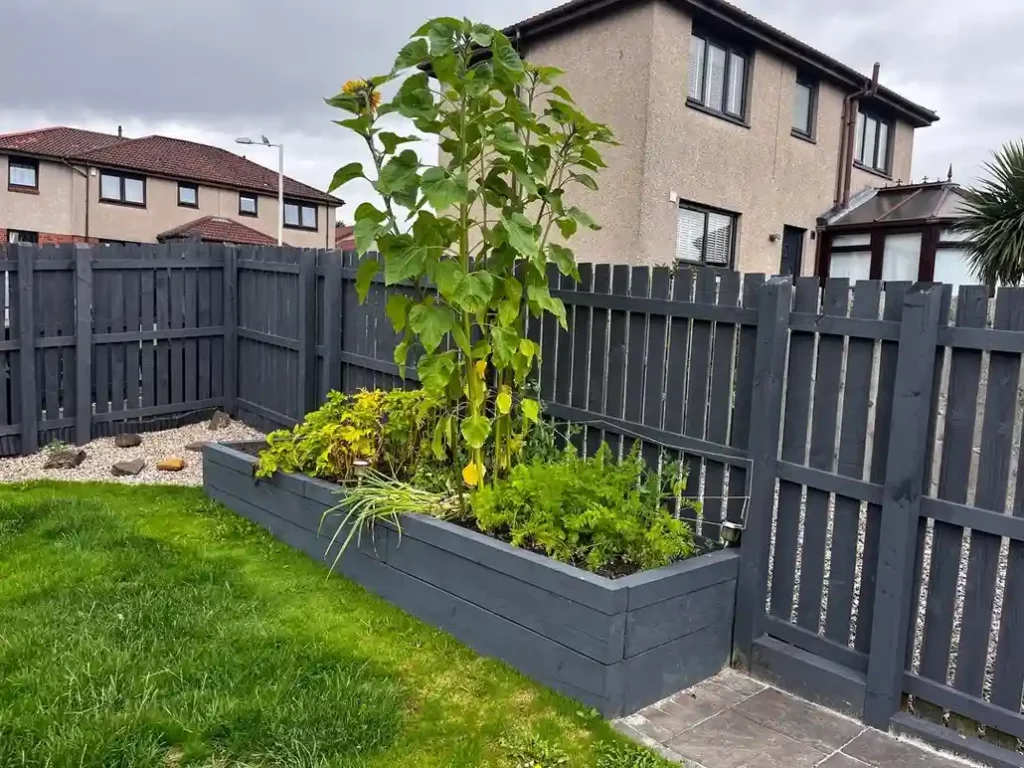
Every plant needs to earn its spot.
Instead of spreading wide, you plant in layers and clusters. A small tree. Two shrubs. Herbs tucked everywhere. Edible groundcovers filling gaps. Maybe even a trellis for vertical climbers like beans or hardy kiwi.
The goal? High yield per square foot.
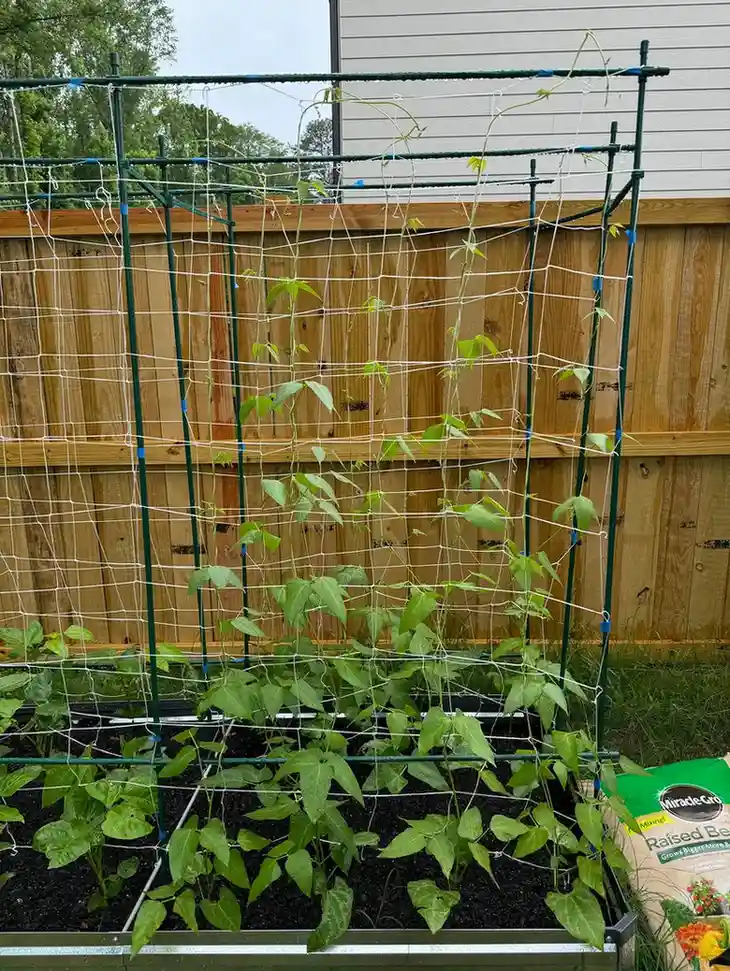
You might not have acreage, but you can absolutely create abundance. In fact, smaller spaces are often easier to manage. Watering takes minutes. Harvesting is quick. Maintenance doesn’t feel overwhelming.
And there’s something special about stepping into a tiny backyard that feels like an edible oasis in the middle of the city. It’s quieter. Lusher. More intentional.
Urban food forests prove that you don’t need land — you need design.
7. Tropical-Style Mini Food Forest
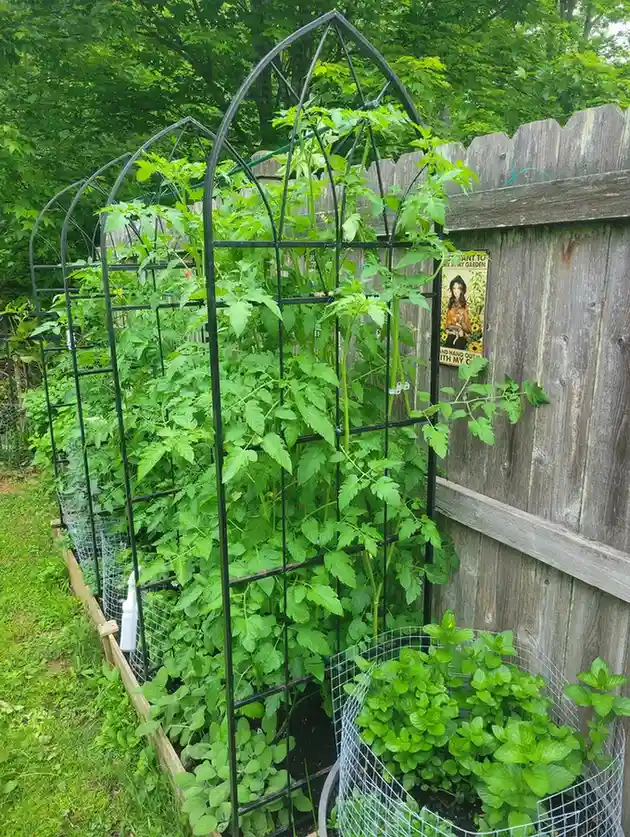
If you love that lush, jungle-like look, this one’s for you.
A tropical-style mini food forest feels abundant, layered, and slightly wild — in the best way. Even in a small backyard, you can create that “backyard jungle” vibe by stacking plants vertically and choosing bold, leafy varieties.
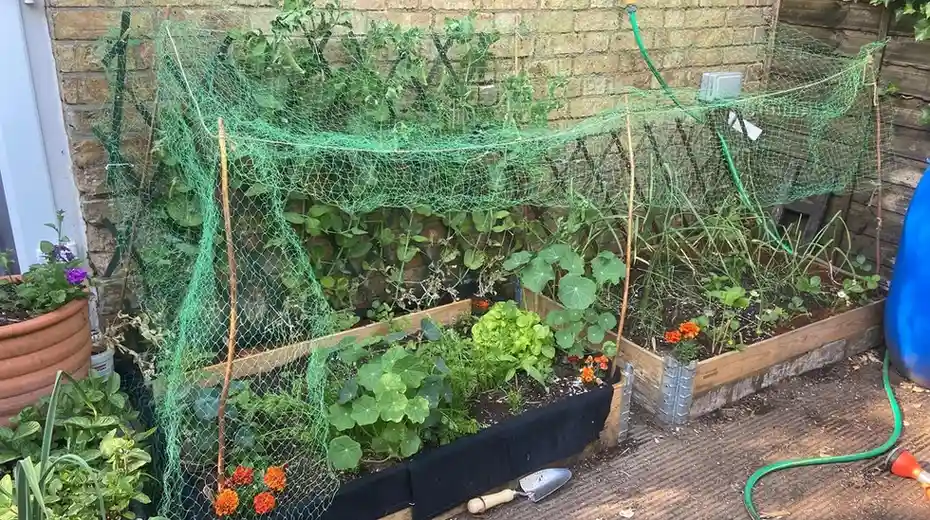
In warm climates, bananas, papaya, dwarf mango, or guava can act as your canopy layer. Beneath them, layer in shrubs like pineapple, dwarf citrus, or even passionfruit on a trellis. Then fill the ground level with sweet potatoes, taro, or tropical herbs.
The key is density. Tropical gardens thrive when planted close together. The large leaves create natural shade, hold moisture in the soil, and give that immersive, green-on-green look.
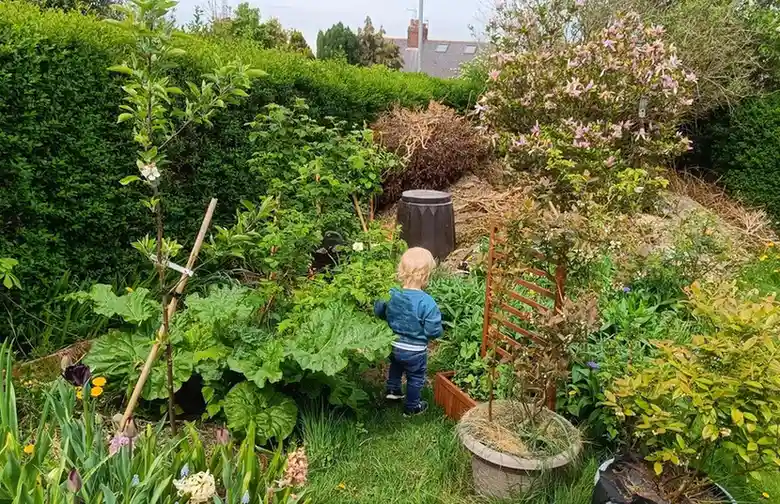
If you’re not in a tropical zone, don’t worry. You can still borrow the style. Try growing tropical plants in containers during summer and overwintering them indoors. Or create a mini tropical food forest inside a greenhouse.
This design isn’t about neat rows. It’s about abundance. Texture. Big leaves brushing against each other.
Step outside, and it feels like vacation — except you can harvest fruit while you’re there.
8. Dwarf Fruit Tree Guild Garden
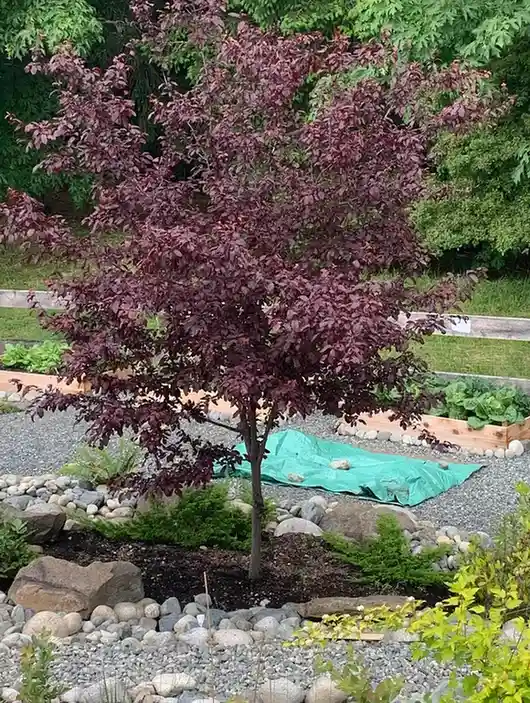
This is where things start to feel like a real mini orchard — without needing orchard space.
Instead of building one tree and stopping there, you plant multiple dwarf fruit trees. Each tree becomes its own “guild,” meaning it gets a support system of companion plants around it.
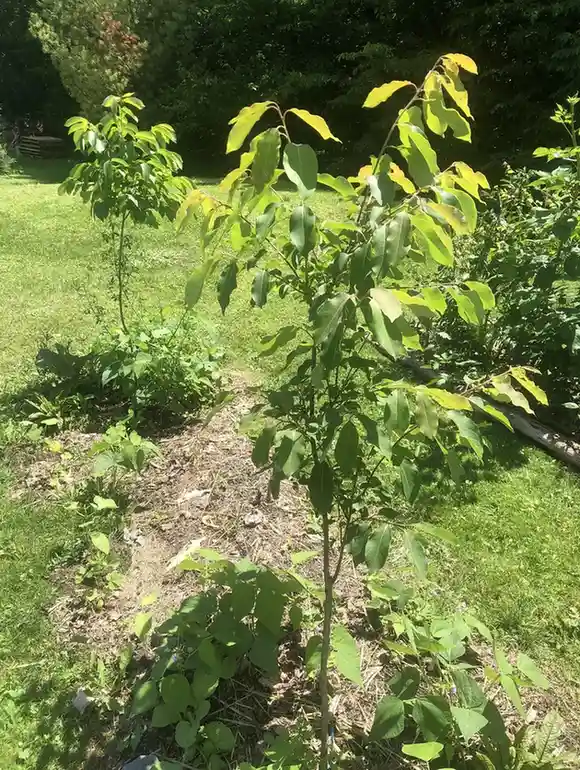
Think of each tree as the center of its own little ecosystem.
For example:
- A dwarf apple tree
- Chives and garlic around the base (to deter pests)
- Comfrey nearby for mulch and soil health
- Strawberries as groundcover
Then a few feet away, you repeat the process with a dwarf peach. Or plum. Or pear.
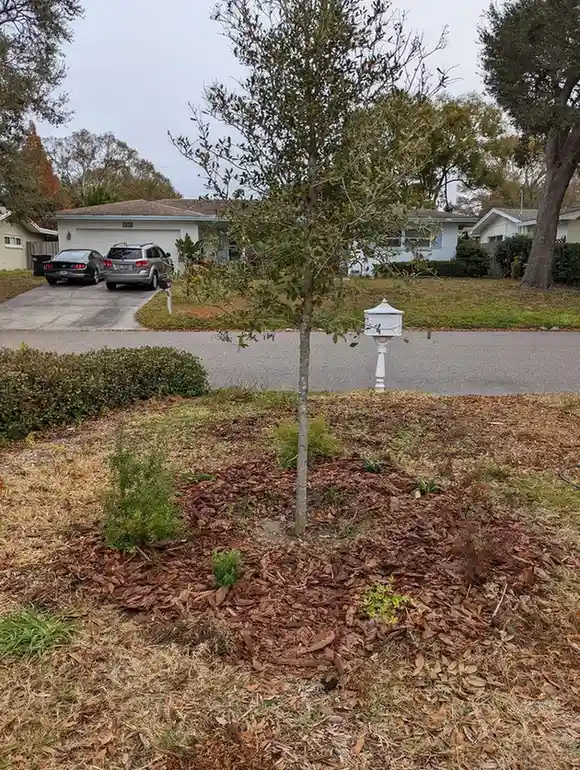
Because the trees are dwarf varieties, they stay compact and allow sunlight to reach the layers below. You can fit several into a modest backyard without overcrowding.
The beauty of this setup is that it’s easy to expand over time. Start with one guild this year. Add another next year. No pressure to do everything at once.
It feels organized, but still natural. Intentional, but not rigid.
Tiny trees really can mean big harvests — especially when each one has a team of helpers growing at its feet.
9. Herb-Focused Food Forest
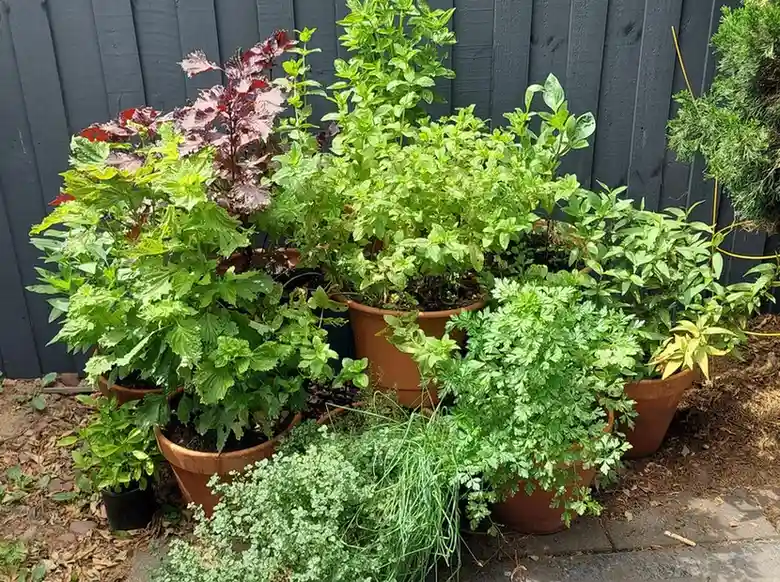
If you cook often — or love the idea of stepping outside to grab something fresh for tea — this version of a mini food forest makes so much sense.
Instead of focusing heavily on fruit production, you build your layers around herbs.
Start with a small fruit tree as your canopy (dwarf apple, lemon, or plum work beautifully). But underneath? Go all in on culinary and medicinal herbs.
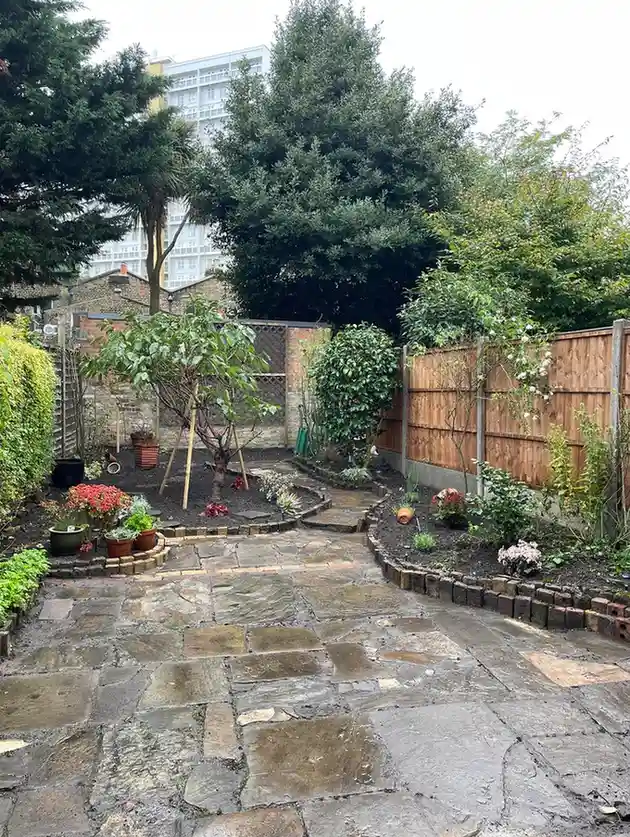
Think rosemary, sage, thyme, oregano, lemon balm, calendula, chamomile, basil, mint (in a controlled spot), and chives. Mix perennial herbs with seasonal ones. Let some flower. Let some self-seed.
The result is fragrant. Soft. Buzzing with pollinators.
Herbs are generally low maintenance, drought tolerant once established, and forgiving if you’re still learning. Many actually prefer slightly lean soil, which makes them easier to grow than fussy vegetables.
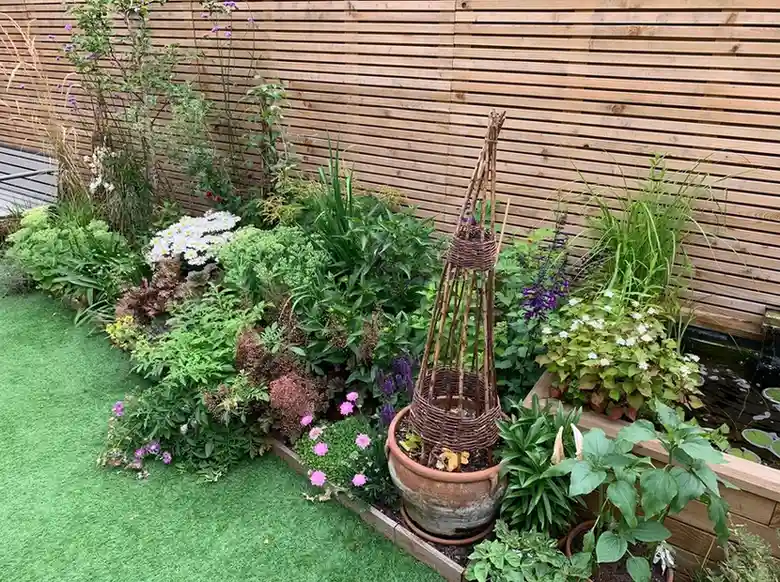
And practically speaking? You’ll use them constantly. Fresh herbs elevate simple meals. A handful of mint becomes tea. Lemon balm becomes calming evening tea. Lavender dries beautifully.
This type of food forest feels abundant without being overwhelming. It feeds you daily in small, meaningful ways.
10. Kids-Friendly Mini Food Forest
If you want kids excited about gardening, make it snackable.
That’s the secret.
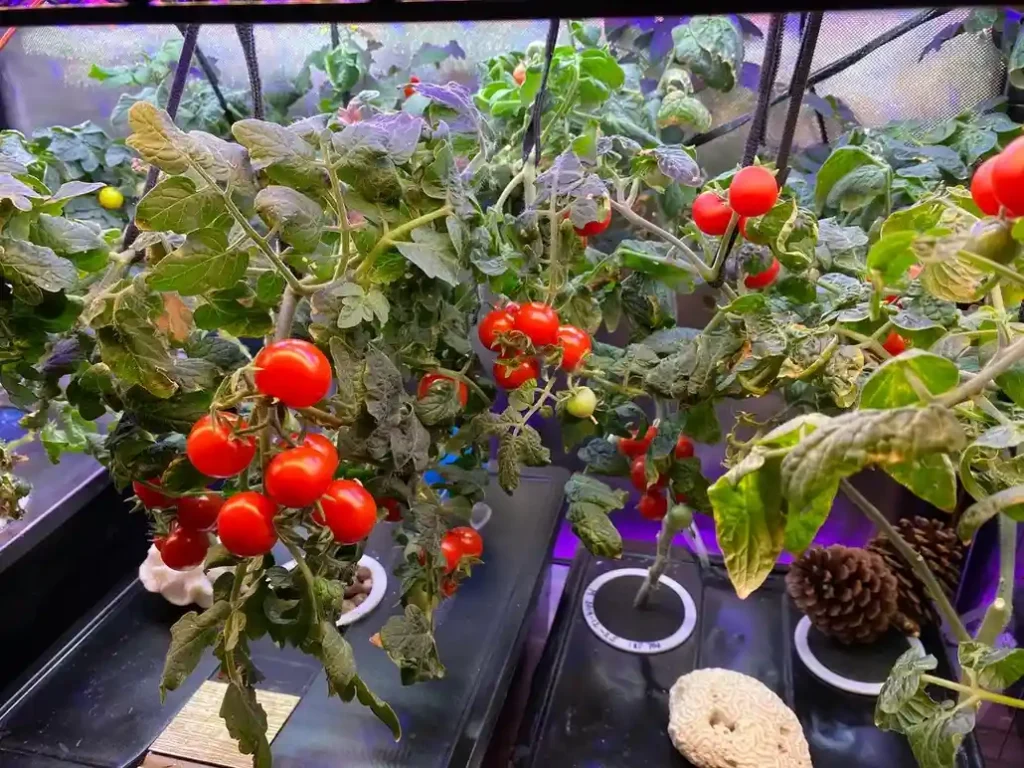
Instead of slow-growing or complicated crops, focus on plants they can pick and eat straight from the garden. Strawberries at ground level. Blueberries at kid height. Cherry tomatoes they can grab while playing. Sugar snap peas along a low trellis.
Fast-growing plants keep attention spans engaged. Radishes. Lettuce. Bush beans. Things they can see changing week by week.
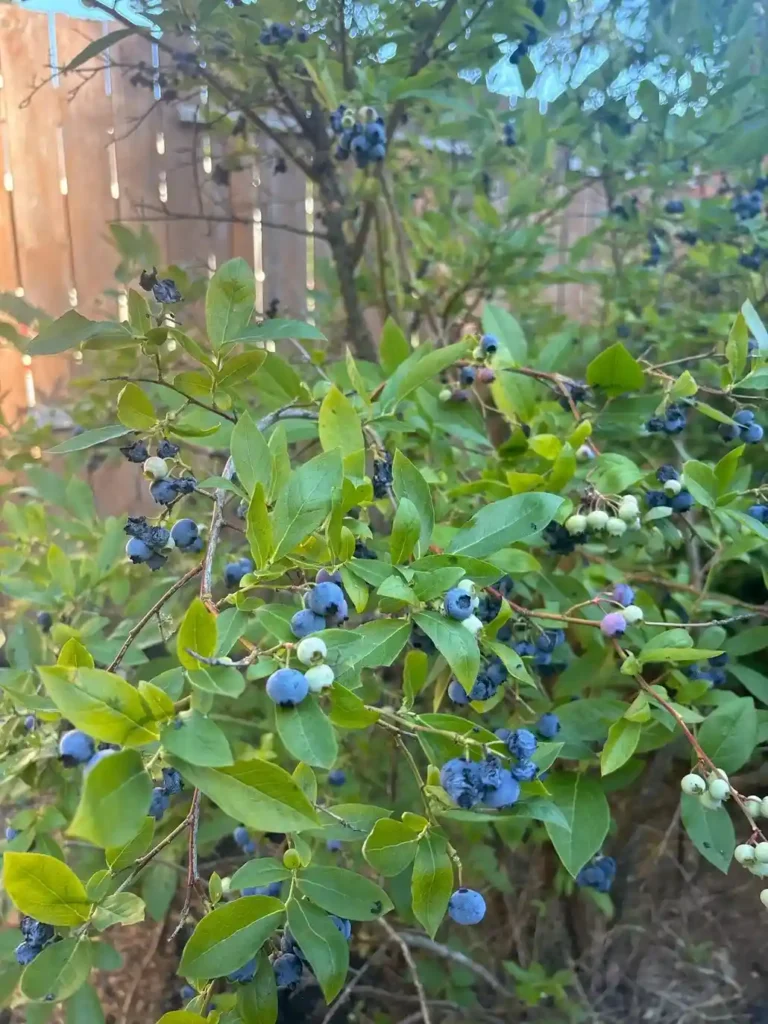
You can still anchor the space with a small fruit tree, but keep the lower layers accessible. Avoid thorny plants at kid level. Create little pathways so they can explore without stepping on everything.
This type of mini food forest becomes more than a garden. It becomes a space for learning. Watching pollinators. Understanding seasons. Seeing where food actually comes from.
And let’s be honest — kids are way more likely to eat something they helped grow.
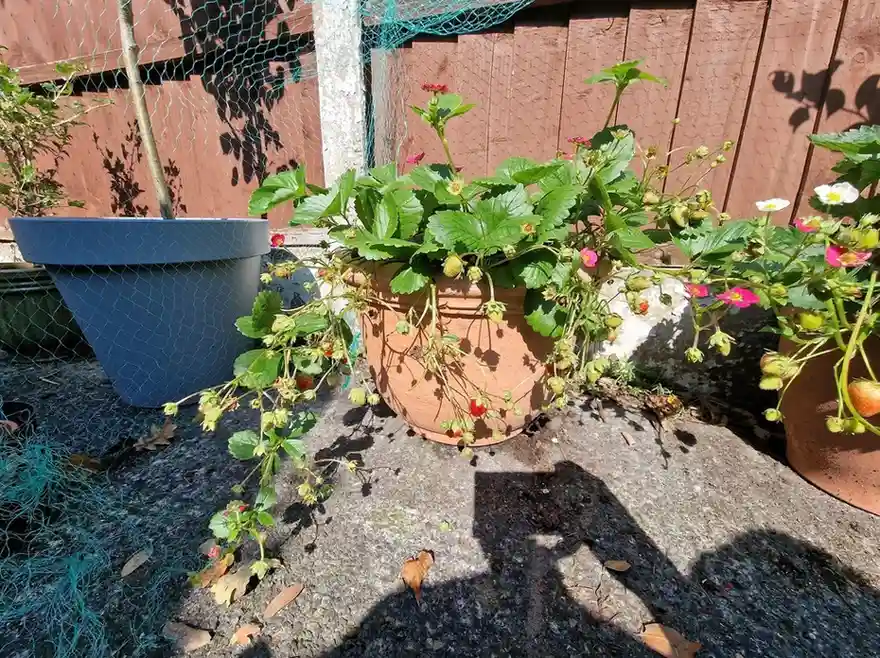
It doesn’t have to be perfect. It just has to be fun and reachable.
11. Shady Backyard Food Forest
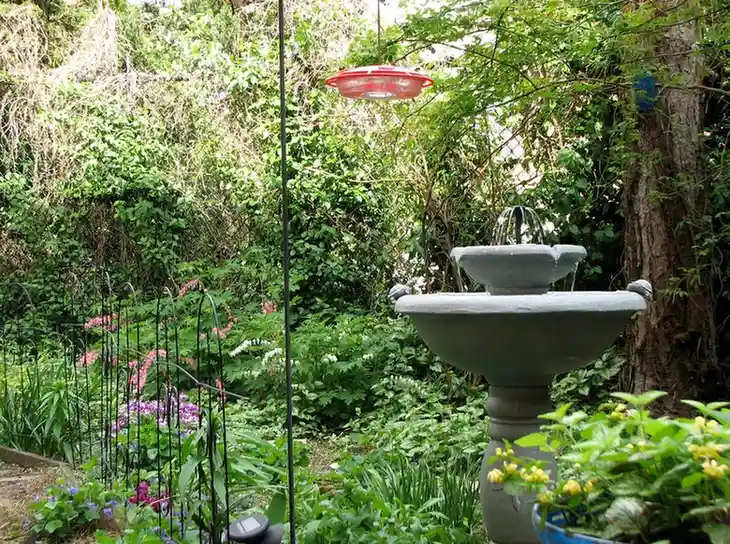
Got a backyard that barely sees full sun? Don’t write it off.
Shade isn’t a problem — it’s just a different growing condition.
A shady food forest works beautifully when you lean into plants that naturally thrive in partial or even full shade. Instead of sun-loving tomatoes and peppers, think berries, leafy greens, and woodland-style herbs.
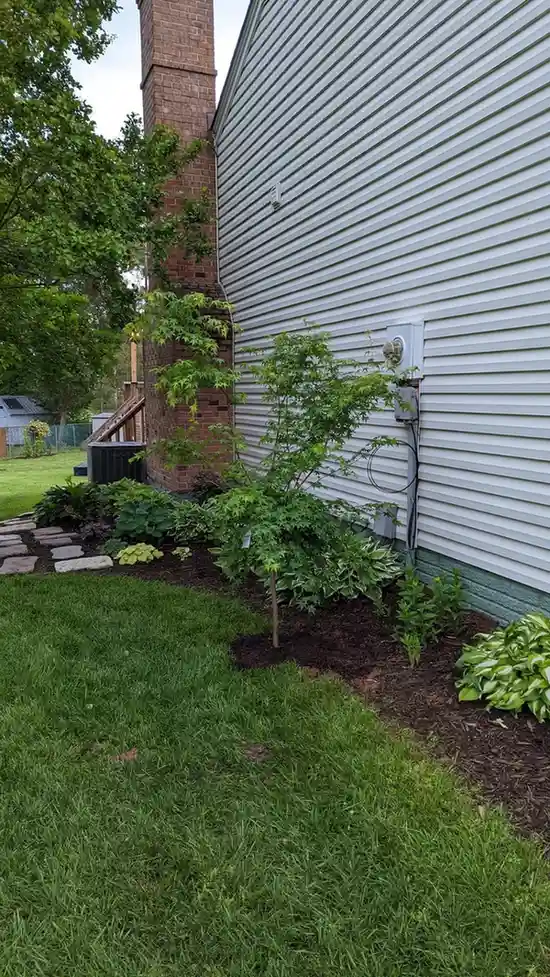
Start with a small tree that tolerates shade, like certain varieties of plum or serviceberry (depending on your climate). Underneath, plant currants, gooseberries, or elderberries — many of them actually prefer some protection from harsh afternoon sun.
For ground layers, leafy greens like spinach, arugula, and lettuce do surprisingly well with less light. Herbs like mint, parsley, chives, and lemon balm also handle shade gracefully.
And here’s the bonus: shady gardens tend to hold moisture better. That means less frequent watering and less stress during hot summers.
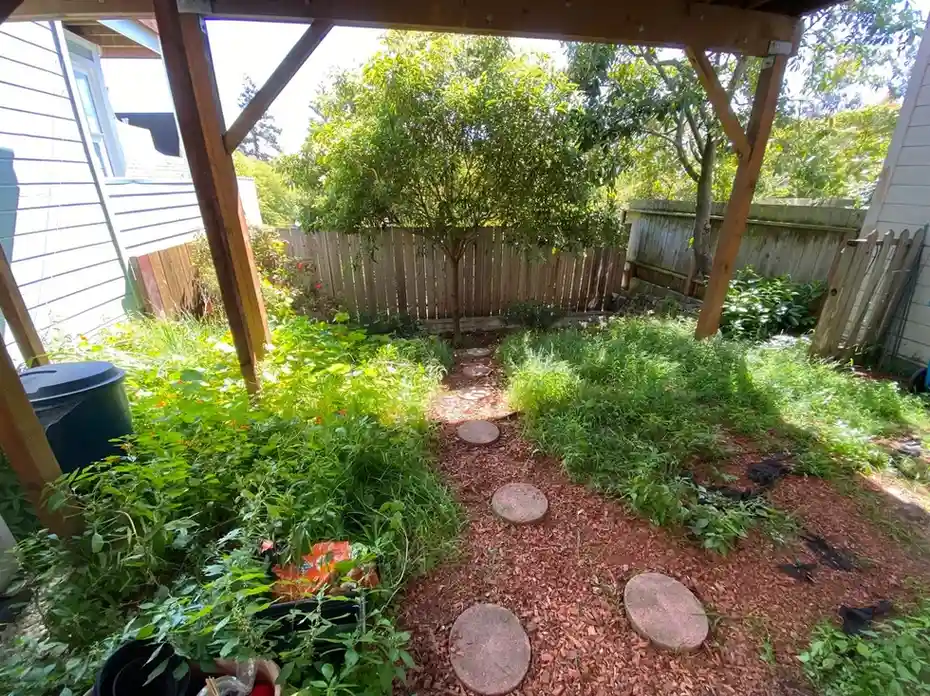
Instead of fighting the conditions, design around them. A shady food forest can feel cool, calm, and lush — almost like a woodland retreat.
12. No-Dig Mini Food Forest
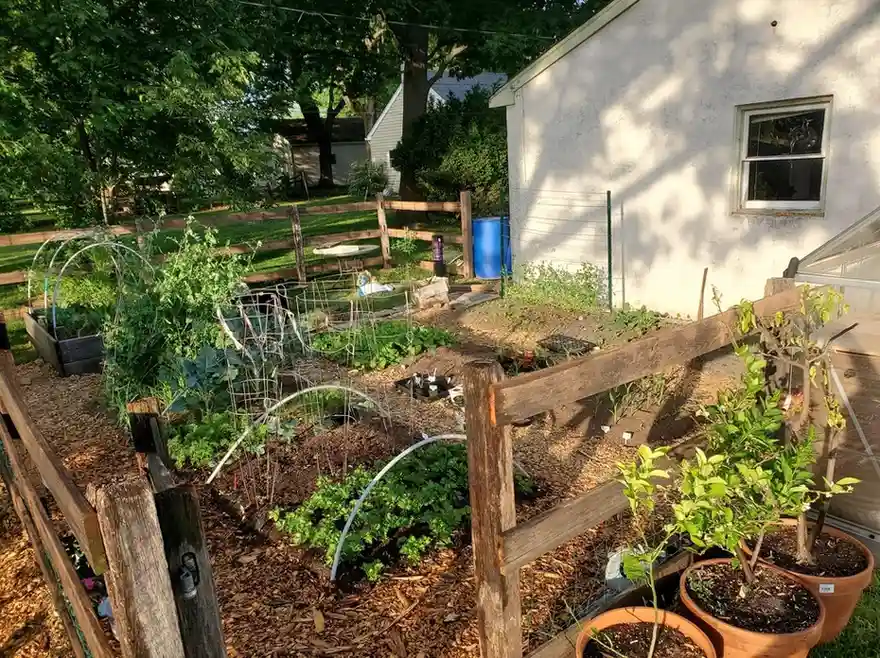
If digging up your yard sounds exhausting, this method is going to feel like a relief.
No-dig gardening is exactly what it sounds like. No tilling. No turning over soil. No back-breaking work.
Instead, you build your food forest from the top down using sheet mulching.
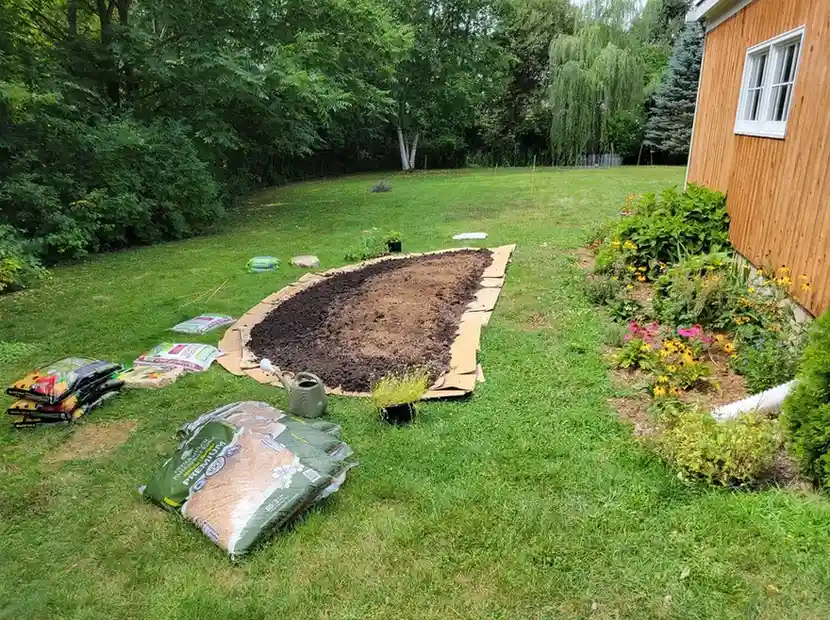
Here’s how it works:
Lay down cardboard directly over grass or weeds. Soak it well. Add compost on top. Then pile on thick mulch. Over time, the layers break down naturally, improving the soil underneath.
You can plant directly into the compost layer or cut small holes through the cardboard for trees and shrubs.
This method is especially great if your soil is poor, compacted, or full of weeds. Rather than fighting it, you smother and improve it at the same time.
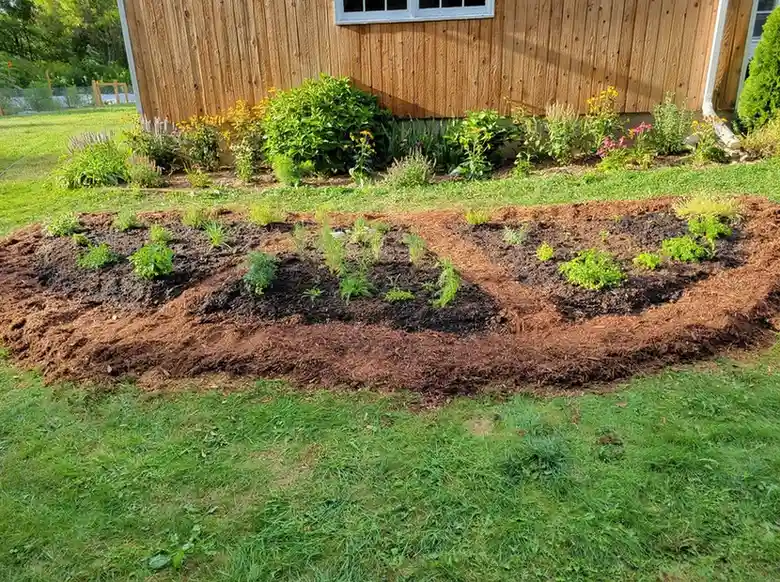
The best part? The soil gets healthier each year. Worms show up. Organic matter increases. Weed pressure decreases.
It’s beginner-friendly, budget-friendly, and much easier on your body.
If traditional gardening has felt intimidating or labor-intensive, no-dig makes starting a mini food forest feel doable.
13. Pollinator-Friendly Food Forest
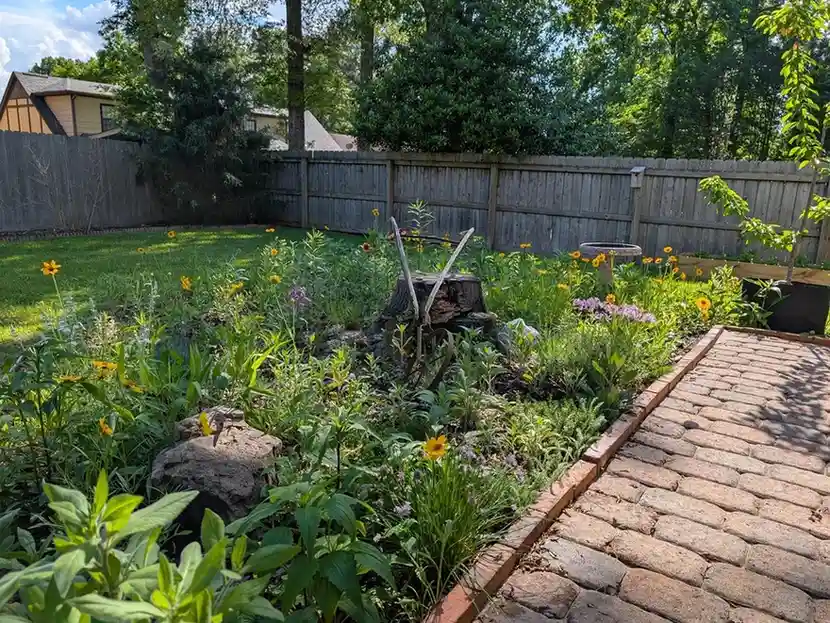
If you want bigger harvests without extra work, invite more pollinators.
Bees, butterflies, hoverflies — they’re not just pretty visitors. They’re the reason your fruit trees actually produce fruit.
A pollinator-friendly mini food forest blends edible plants with flowering companions that attract beneficial insects. Think flowering herbs like lavender, thyme, oregano, chives, and basil (let some of them bloom!). Add calendula, borage, echinacea, and nasturtiums between shrubs and trees.
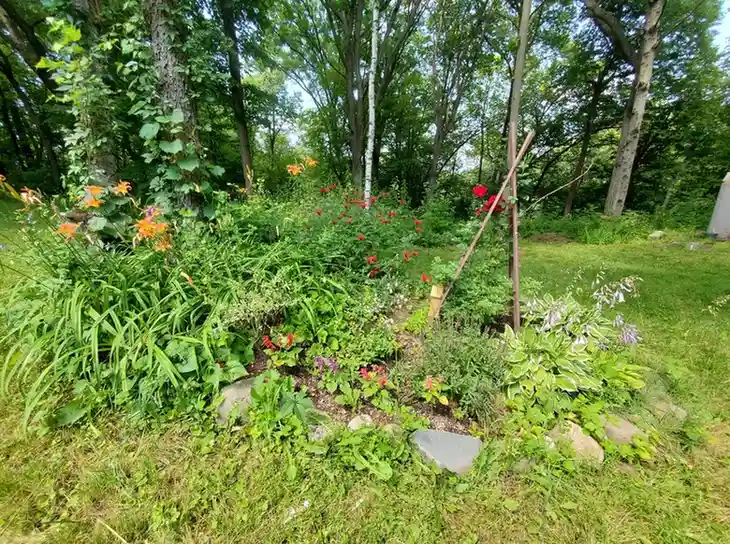
The result? Color. Movement. Life.
And here’s the magic: when pollinators stick around, your yields improve naturally. Better fruit set. Healthier plants. Fewer pest problems because beneficial insects help maintain balance.
This setup doesn’t just feed you — it supports the ecosystem around you.
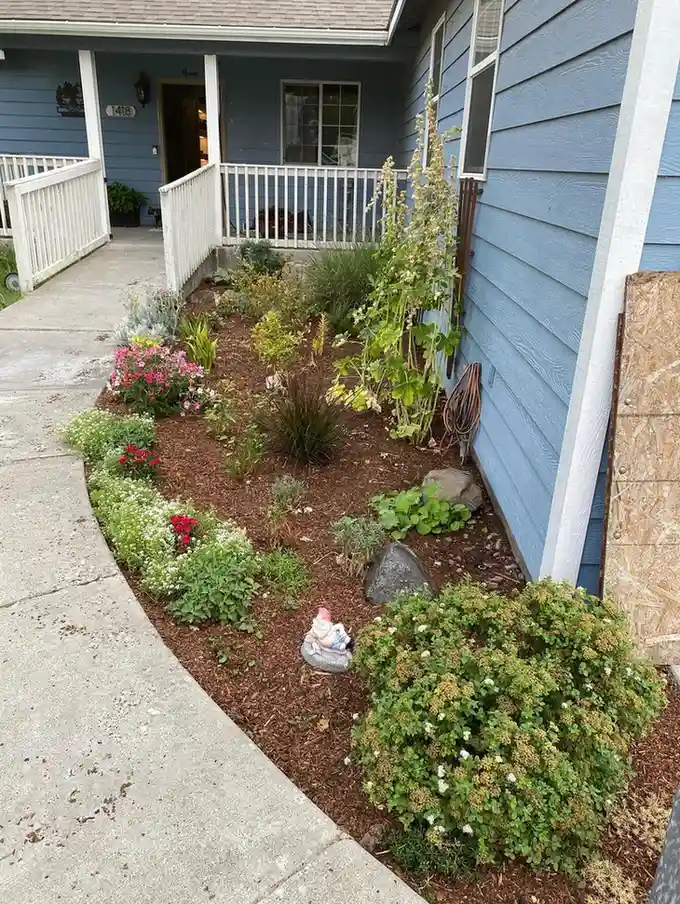
Plus, it’s genuinely beautiful. A food forest buzzing with bees feels alive in a way a plain lawn never will.
14. Low-Maintenance Food Forest Garden

Not everyone wants to be outside pruning and watering every weekend.
And that’s okay.
A low-maintenance food forest focuses on perennials and self-seeding plants that largely take care of themselves once established.
Choose fruit trees that don’t require constant shaping. Add perennial herbs like rosemary, thyme, sage, and chives. Plant berries that come back year after year. Let hardy greens reseed naturally.
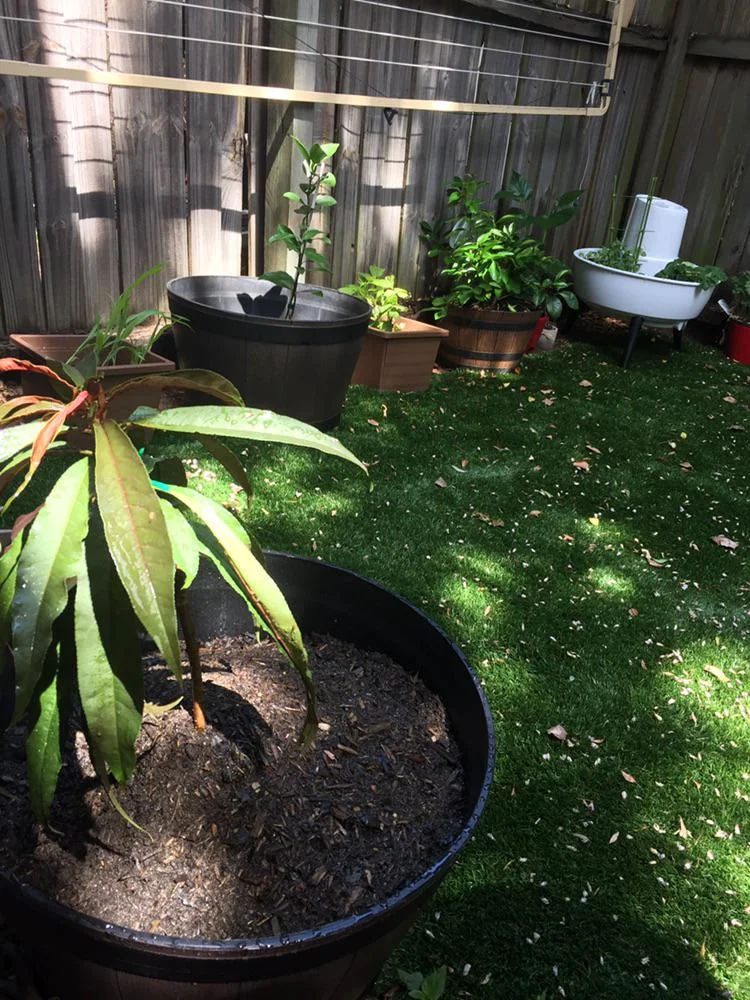
Once the system is set up, your job shifts from constant work to occasional tending. A little pruning here. A bit of mulch there. Harvest often.
Because everything is layered and the soil stays covered, moisture is retained better and weeds are suppressed naturally. That means less watering and less weeding over time.
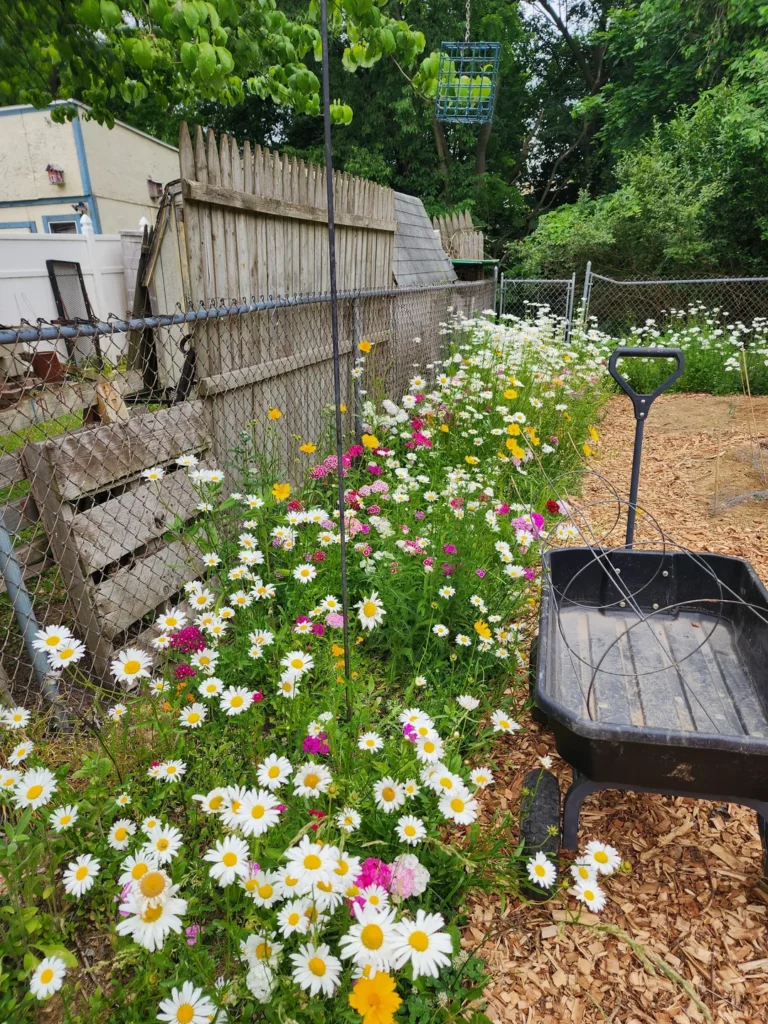
It’s not zero work — no garden is — but it’s dramatically less effort than traditional vegetable rows.
If you love the idea of homegrown food but have a busy life, this is your version of sustainable abundance.
15. Backyard Food Forest Over Lawn
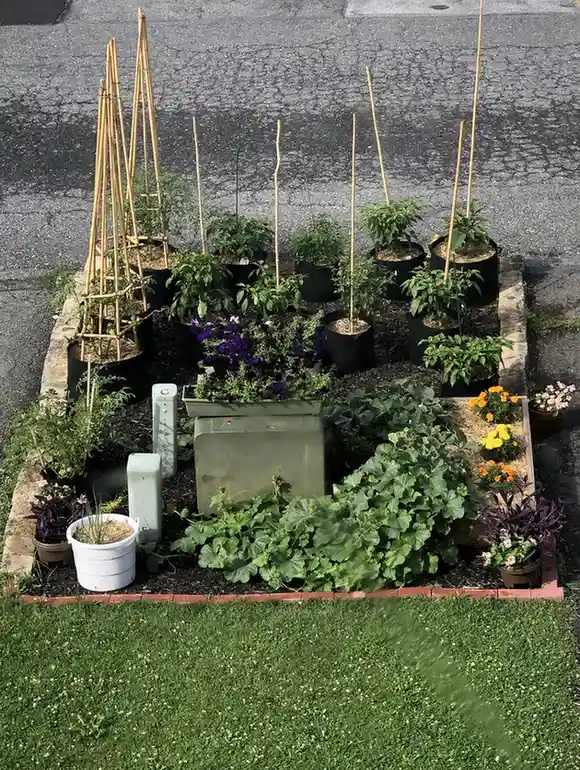
This might be the most satisfying transformation of all.
Take a piece of lawn — even a small section — and turn it into food.
You don’t have to rip out the entire yard. In fact, don’t. Start with a manageable patch. Maybe a 6×6 area. Or along one side of the yard.
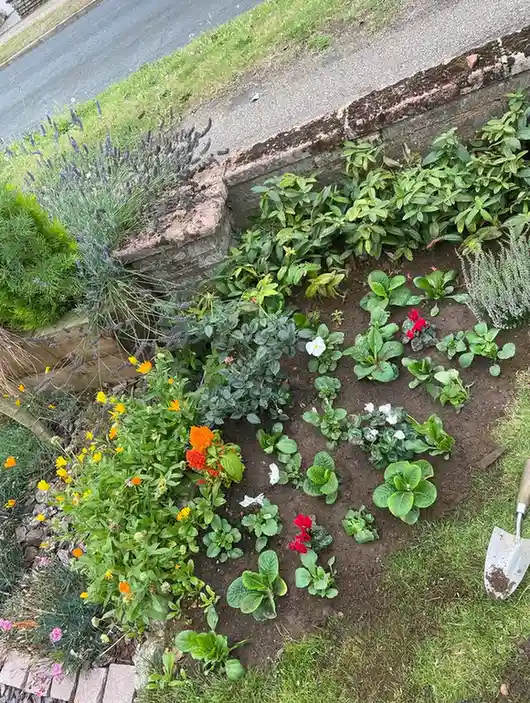
Use sheet mulching (hello, no-dig method), plant a dwarf fruit tree, add shrubs, tuck in herbs, and finish with groundcovers.
Over time, that small patch grows more productive and less needy than grass ever was. You mow less. You water less. And instead of maintaining a monoculture lawn, you’re harvesting actual food.
Each year, you can expand a little further. Another tree. Another cluster. Another layer.
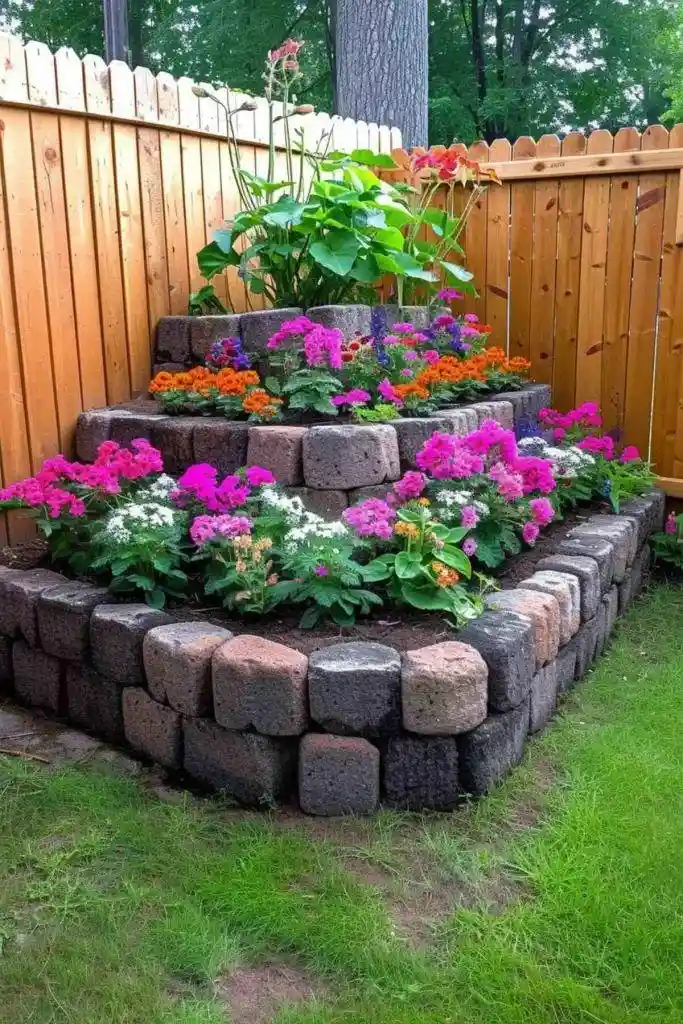
It’s a slow, satisfying shift from ornamental yard to edible landscape.
And honestly? Watching grass turn into groceries feels pretty empowering.
Read Also: 11 Food Forest Garden Permaculture Design Ideas (That Actually Work in Real Yards)