
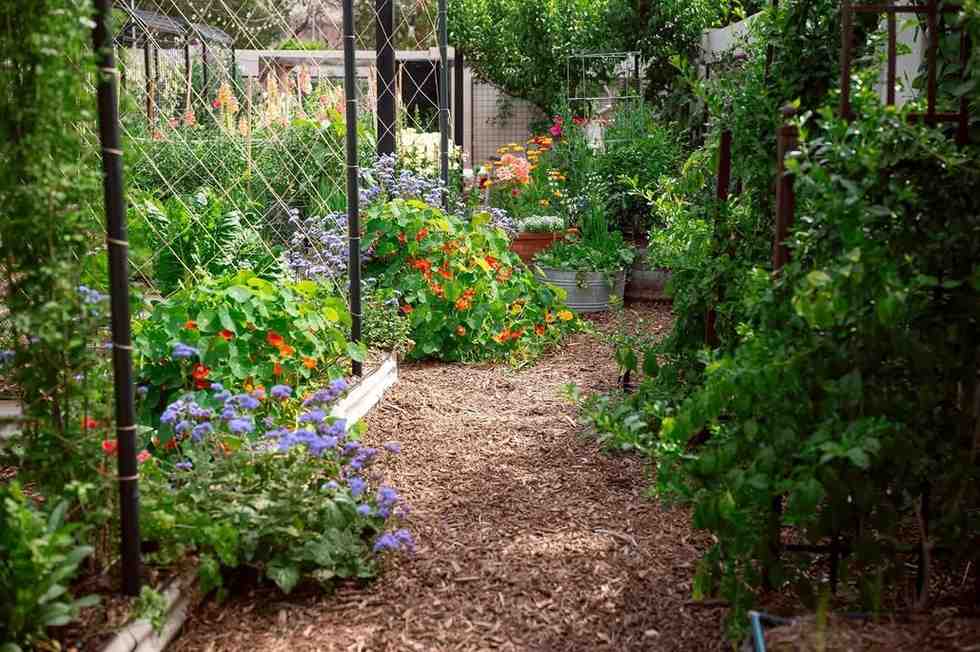
If you’ve ever loved the idea of growing your own food but felt overwhelmed by the thought of managing a huge homestead, you’re not alone. The good news? You don’t need acres of land, a tractor, or years of farming experience to build something truly productive. A food forest can absolutely work in a regular backyard. Even a small suburban lot. Even that awkward side yard you’re not sure what to do with.
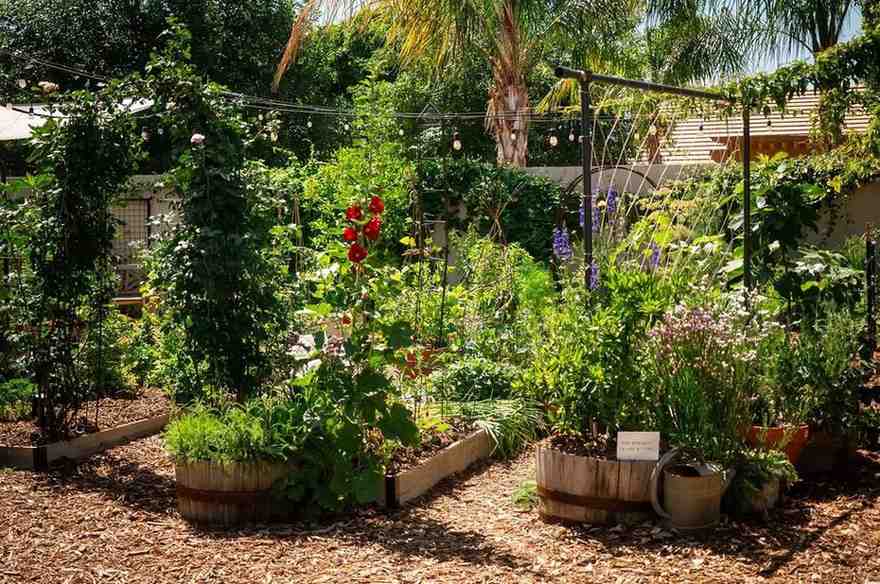
At its core, a food forest is just a smart, layered way of planting that mimics how nature already works. Instead of neat rows and constant replanting, you create a mini ecosystem where fruit trees, shrubs, herbs, and ground covers support each other. Less bare soil. Fewer weeds. More harvest. And over time, less work.
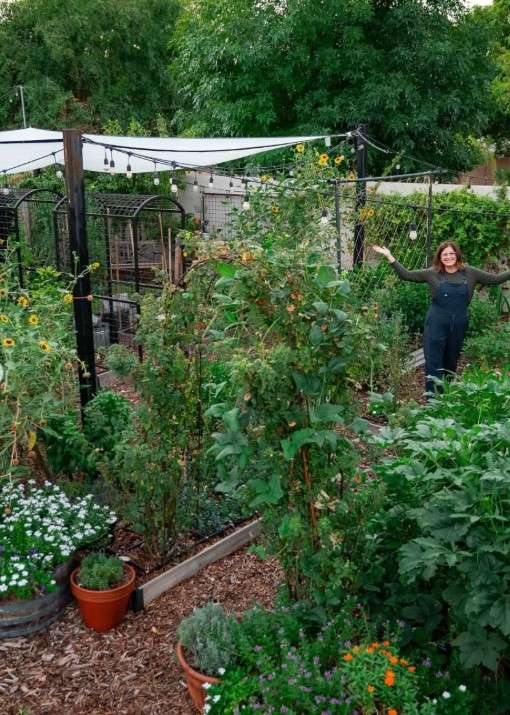
This guide is designed for real life. Busy schedules. Modest spaces. HOA rules. These food forest garden permaculture ideas focus on simple swaps and beginner-friendly strategies you can actually implement without tearing up your entire yard. Think small steps, practical layouts, and plants that earn their keep.
You don’t have to do everything at once. You just need to start somewhere.
1. Start with Dwarf Fruit Trees Instead of Full-Size Trees
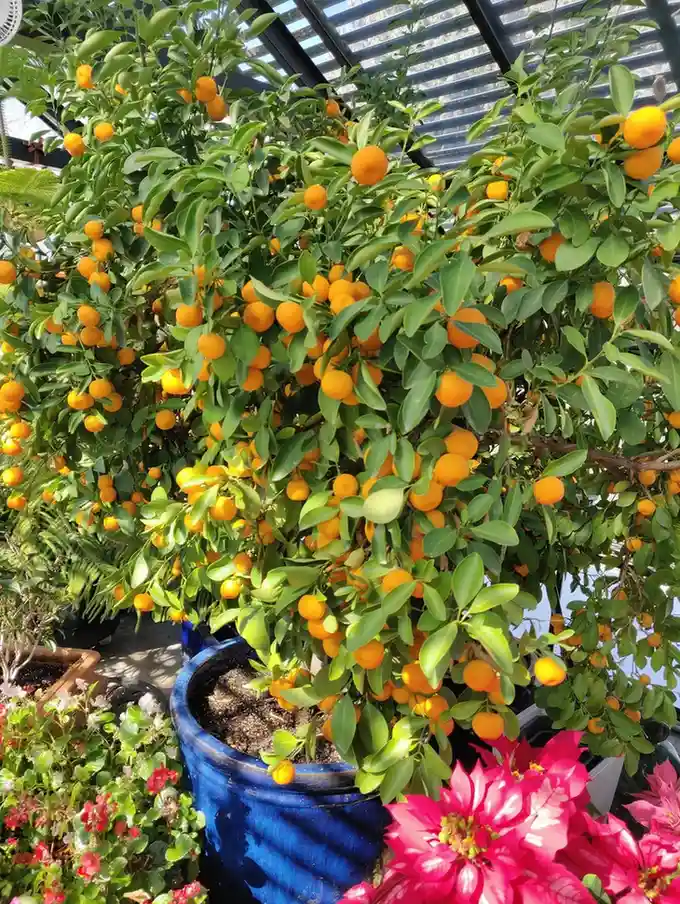
If you’re working with a real-life backyard (not a countryside homestead), dwarf fruit trees are your best friend.
Full-size fruit trees can grow 20 to 30 feet tall. That might sound dreamy, but in a suburban yard it quickly becomes overwhelming. They cast too much shade, crowd other plants, and harvesting turns into a ladder-balancing act. Not exactly relaxing.
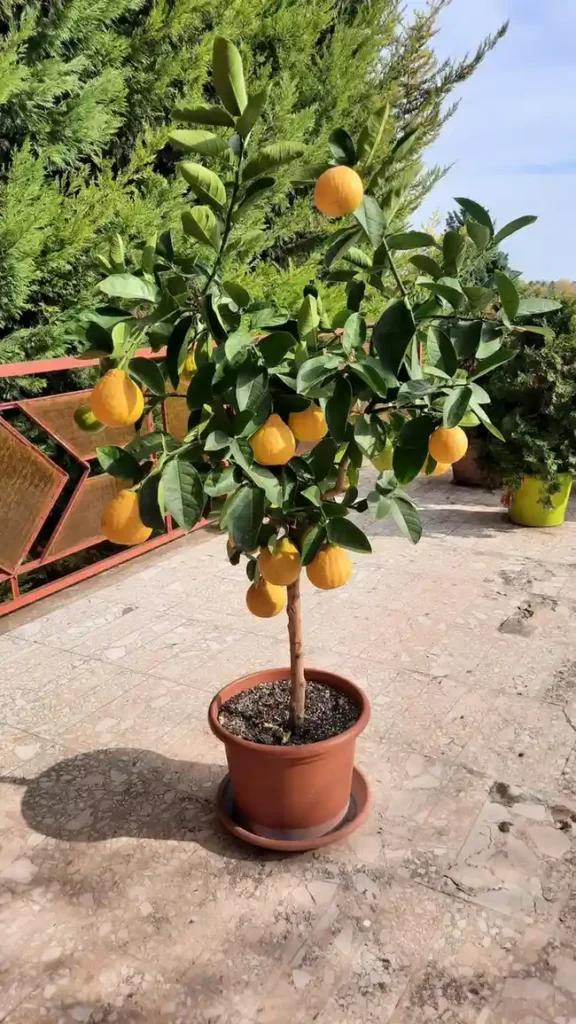
Dwarf and semi-dwarf trees, on the other hand, usually stay between 8 and 15 feet tall. That means:
• You can actually reach your fruit
• Sunlight still hits the plants underneath
• You can fit more variety into a smaller space
And here’s the secret: smaller trees don’t mean smaller harvests. Many dwarf varieties are incredibly productive. You just get the fruit without the jungle.
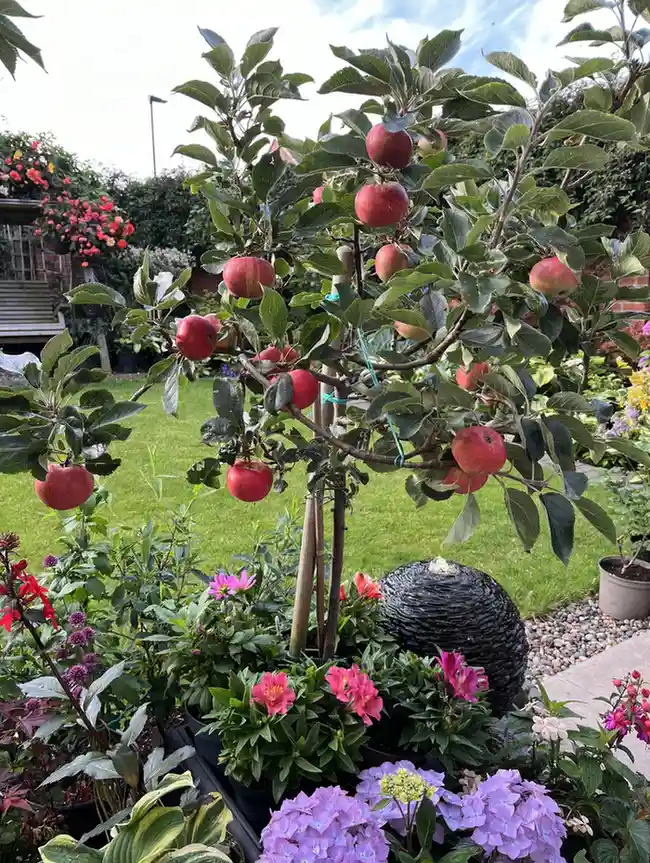
They’re also perfect for layering, which is what makes food forests work. Under one dwarf apple or peach tree, you can plant berries, herbs, flowers, and ground covers. One tree becomes a whole mini ecosystem.
If you’re just starting out, plant one dwarf fruit tree this season. Build around it next year. That’s how real backyard food forests grow — slowly, intentionally, and without overwhelming you.
2. Replace Grass with Edible Ground Covers
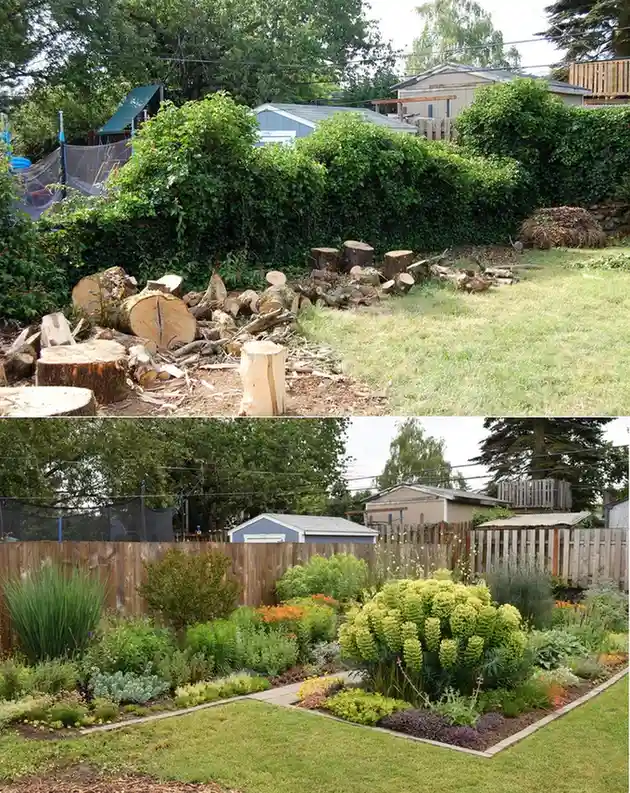
Let’s talk about lawns for a second.
Most backyards are covered in grass that we mow, water, and maintain… but never eat. In a food forest, that space becomes one of the most productive layers.
Edible ground covers turn the soil surface into living mulch. They protect the earth, suppress weeds, and give you food at the same time. That’s a win on every level.
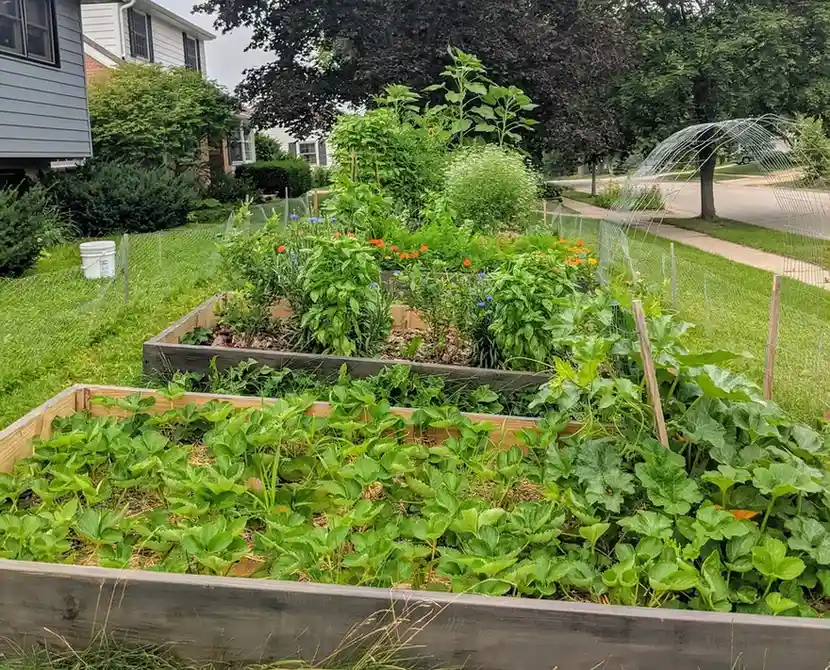
Some beginner-friendly options:
Strawberries – They spread naturally, look beautiful, and give you fruit.
Clover – Fixes nitrogen in the soil and handles foot traffic well.
Creeping thyme – Smells amazing when stepped on and works along pathways.
Sweet potato vines – Perfect for warm climates and fill space fast.
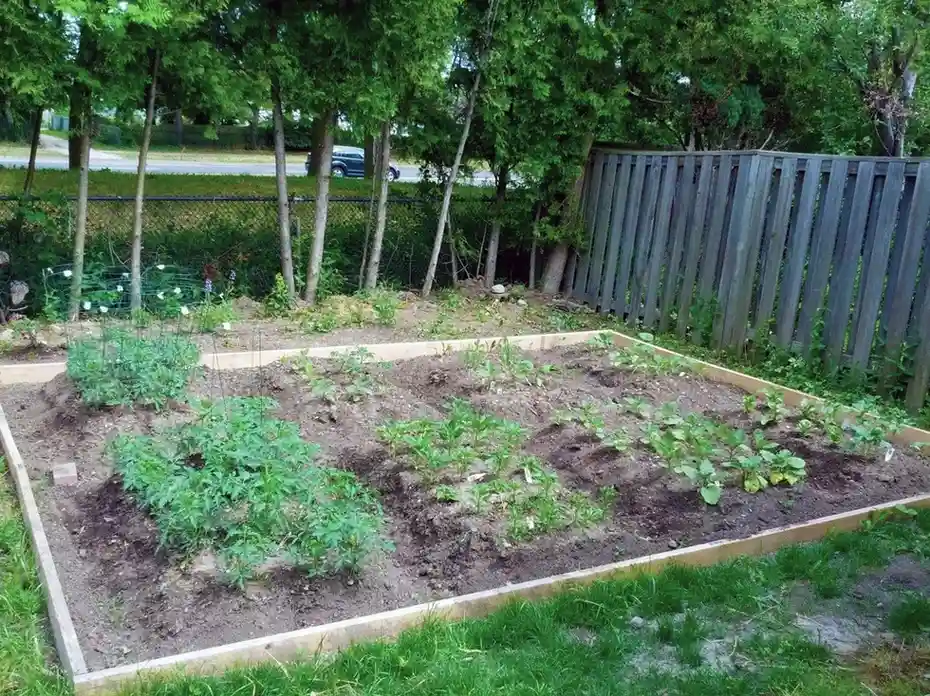
Instead of bare dirt under your fruit tree, imagine a soft carpet of strawberries. Instead of mowing, you’re harvesting.
You don’t have to rip out your entire lawn tomorrow. Start small. Replace grass around one tree. Create a patch near a garden bed. See how it feels.
Once you realize your yard can feed you instead of just looking tidy, it’s hard to go back.
3. Build Food Forest “Islands” Instead of Reworking the Whole Yard
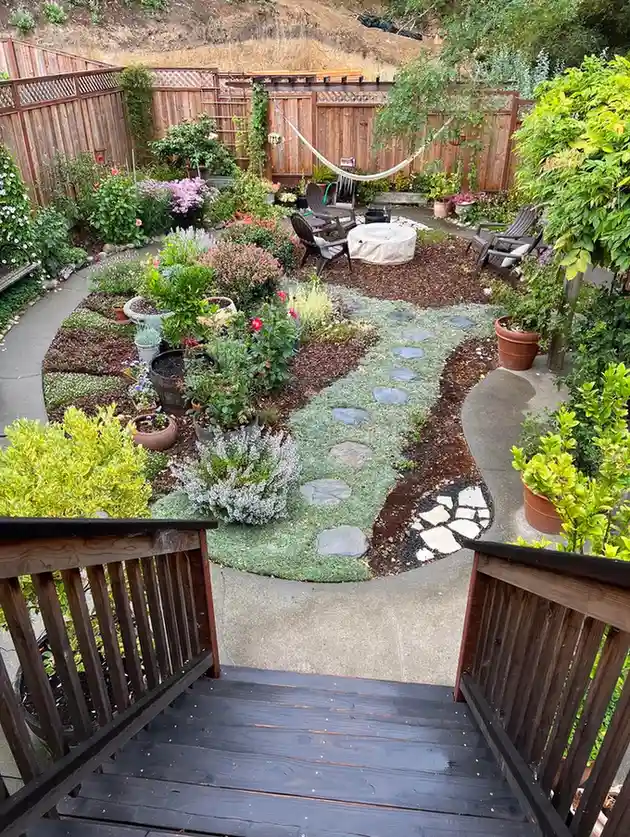
One of the biggest mistakes beginners make is thinking they have to tear up their entire yard to start a food forest. You don’t. In fact, you shouldn’t.
A food forest works beautifully when you start small. Think of it like adding cozy little “ecosystem pockets” to your yard instead of doing one massive overhaul.
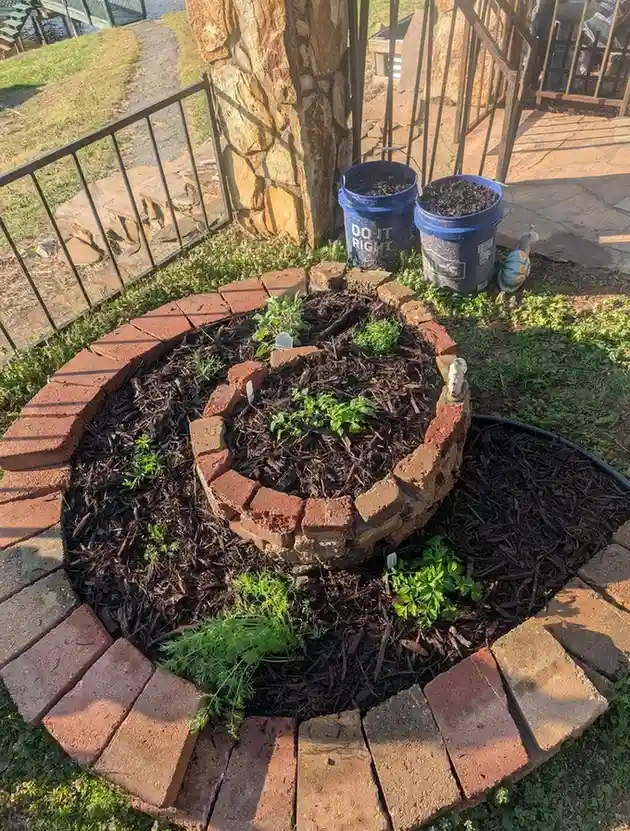
Here’s what a simple food forest island might look like:
- One dwarf fruit tree (apple, peach, plum, etc.)
- Two to three supportive shrubs (like blueberries or currants)
- Herbs planted around the base
- Edible ground cover like strawberries or clover
- A thick layer of mulch to tie it all together
That’s it. One contained, layered space.
It feels manageable. It’s less intimidating. And you can actually observe how everything grows and interacts before expanding.
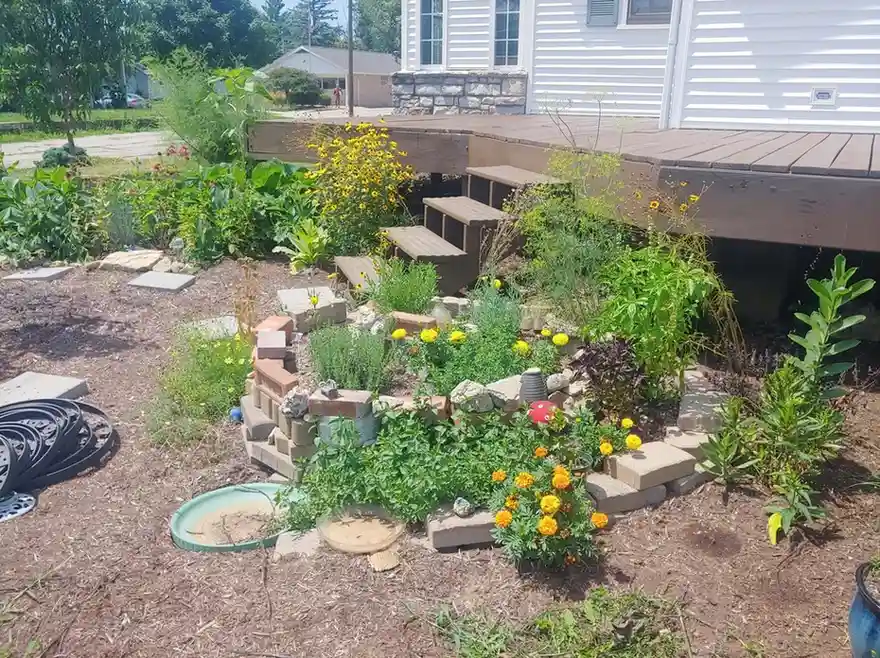
Another benefit? It fits real suburban life. Maybe you still want lawn space for pets or kids. Maybe you rent. Maybe your HOA would panic if the whole yard suddenly turned into a jungle. An island approach keeps things intentional and controlled.
Over time, you can connect multiple islands with pathways or expand one area outward. But starting with one defined section makes the entire idea of food forest garden permaculture feel doable instead of overwhelming.
Small start. Big impact.
4. Mix Edible Plants with Ornamentals
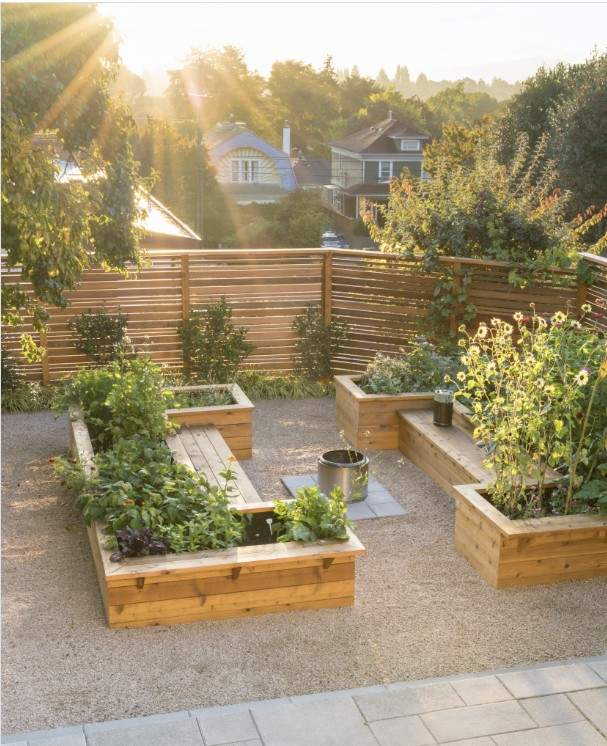
Here’s something a lot of people don’t realize: a food forest doesn’t have to look like a survival homestead.
It can look beautiful. Polished. Even Pinterest-worthy.
Blending edibles with ornamental plants is one of the smartest ways to make your yard both productive and neighborhood-friendly.
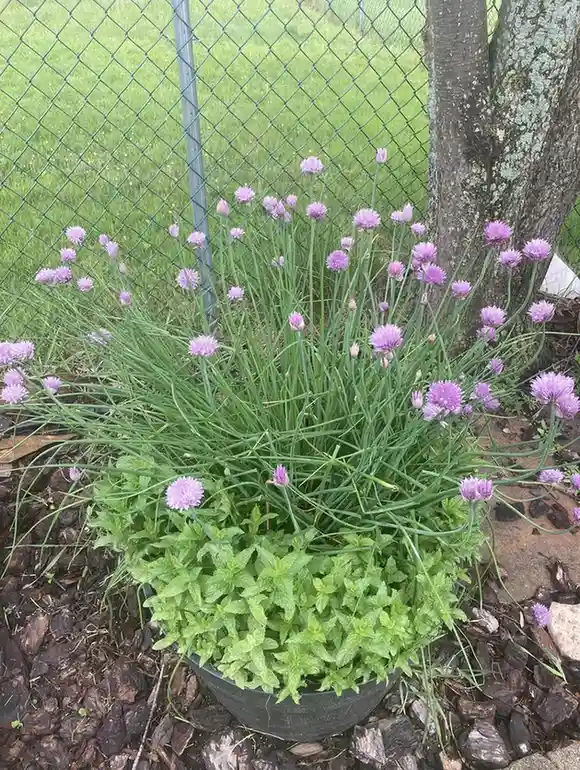
For example:
- Blueberry bushes make gorgeous hedges in spring and summer.
- Lavender and rosemary create structured borders that smell amazing.
- Chives tuck easily into flower beds and bloom with pretty purple flowers.
- Kale and Swiss chard can look just as striking as decorative foliage plants.
When you mix edibles into existing landscaping, it feels seamless. Guests might not even realize they’re standing in a productive ecosystem.
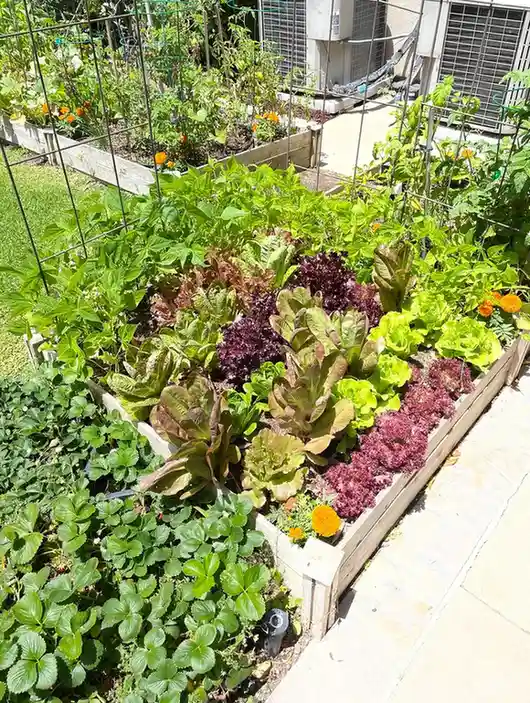
This approach also keeps things HOA-friendly. Instead of ripping out all your landscaping, you’re just upgrading it. Swapping a shrub for a berry bush. Replacing a decorative border with herbs.
The result? A yard that feeds you and looks intentional.
It’s permaculture without the “wild backyard” fear.
And honestly, that balance of beauty and function is what makes food forest garden permaculture ideas actually work in real yards.
5. Use Vertical Space with Climbers and Vines
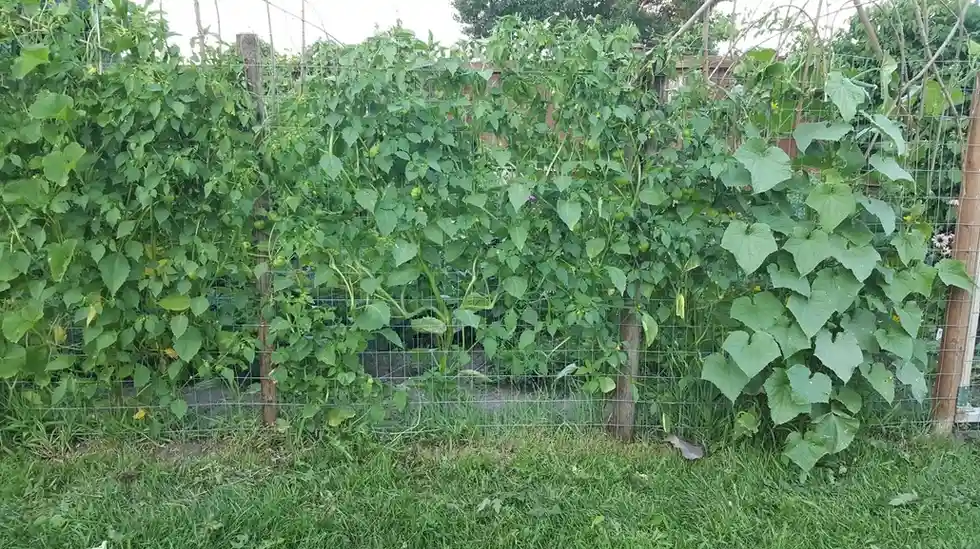
One of the biggest mistakes people make in small yards? They forget to look up.
Vertical space is pure opportunity in a food forest. When you grow upward, you’re adding another productive layer without taking up more ground space. That’s a win, especially in suburban lots.
Think about fences, pergolas, trellises, even the sunny side of a shed. These can all become growing space.
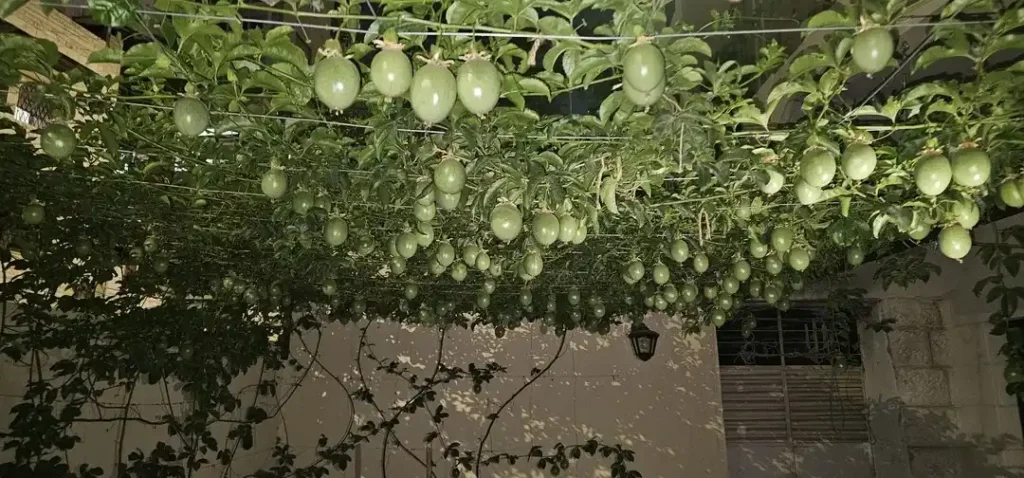
Great climbing plant ideas:
- Grapes along fences
- Pole beans on simple trellises
- Passionfruit over an arbor
- Kiwi vines (if your climate allows)
- Cucumbers trained vertically
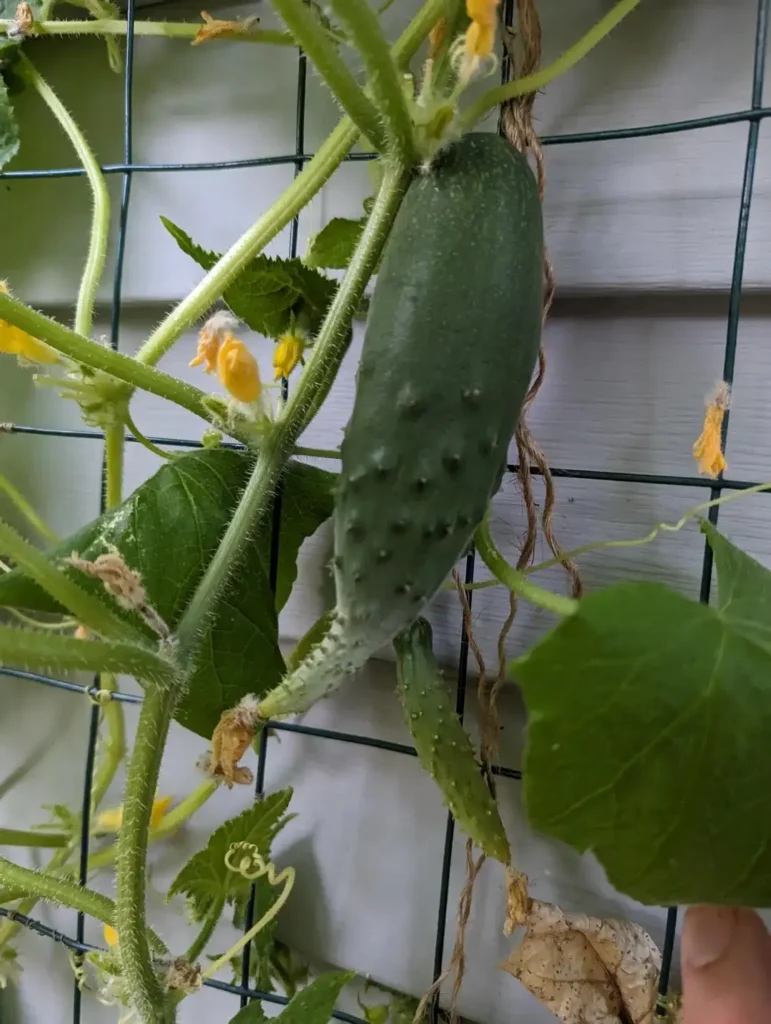
Growing vertically also improves airflow, which helps prevent disease. Harvesting is easier too. No bending, no digging through leaves.
You don’t need anything fancy. A basic cattle panel, wooden trellis, or even strong garden twine can do the job. Start with one vertical element near a fruit tree or garden bed and build from there.
In a food forest, vines are the “bonus layer” that quietly increases your harvest without crowding your space.
6. Create Fruit Tree Guilds for Low Maintenance
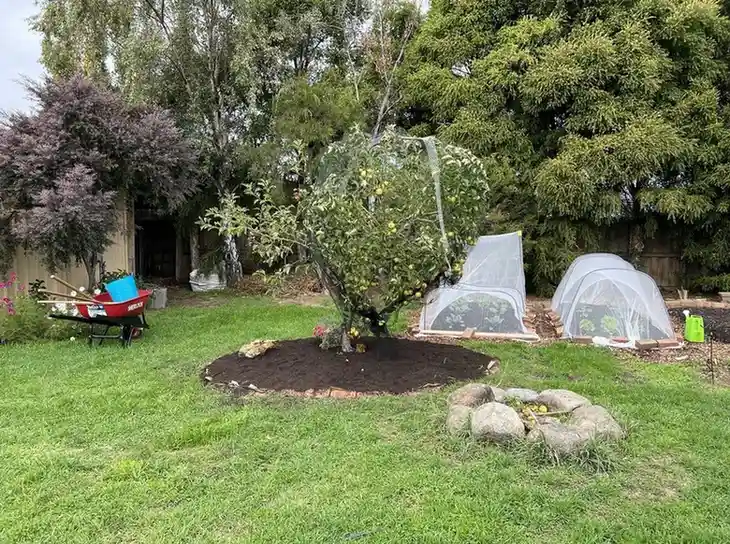
If you only implement one true permaculture idea, make it this one.
A fruit tree guild is simply a group of plants that support each other. Instead of planting a lonely tree in grass, you surround it with helpful companions. The result? Healthier soil, fewer pests, and less work for you.
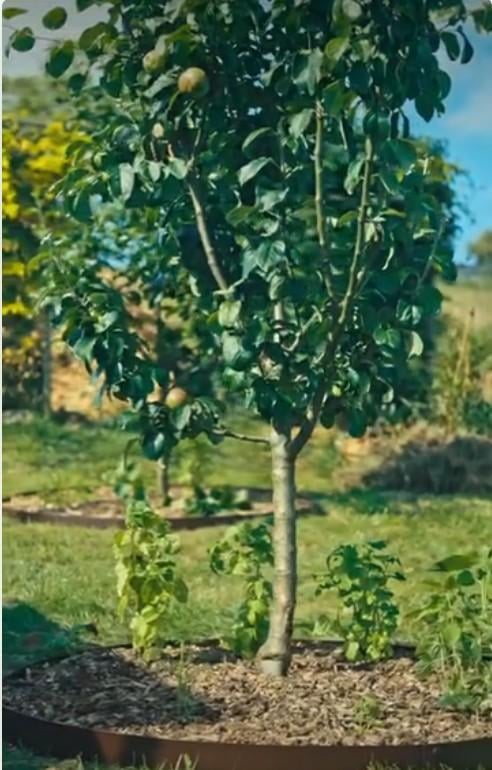
Here’s a simple beginner-friendly guild example:
- Center: Fruit tree
- Around it: Clover (fixes nitrogen and feeds the soil)
- Garlic or chives (help deter pests)
- Comfrey (deep roots pull up nutrients and create mulch)
- Strawberries (ground cover and bonus harvest)
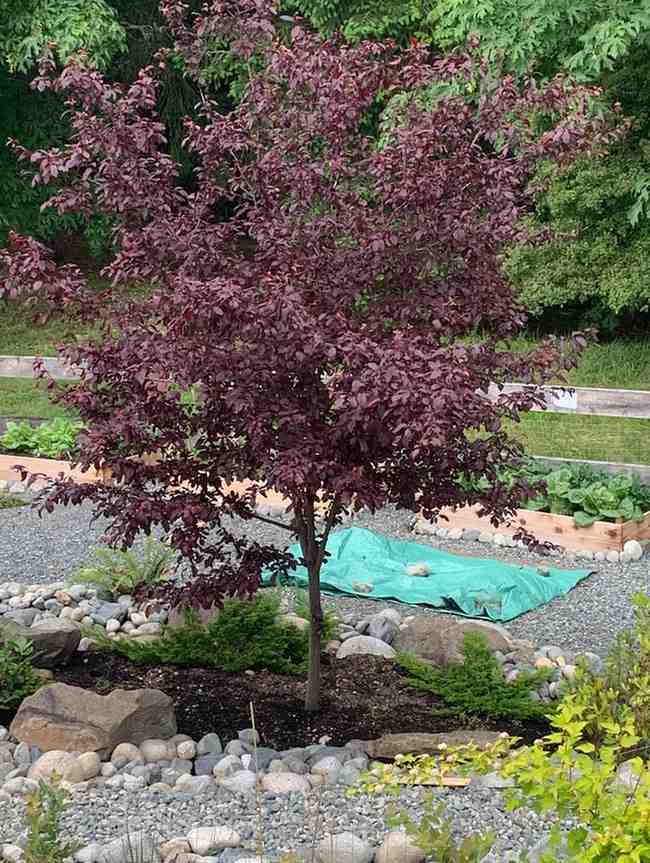
Each plant has a job. Some improve soil. Some repel bugs. Some act as living mulch. Together, they create a mini ecosystem.
The best part? Once established, guilds require less watering, less fertilizing, and less babysitting. Nature starts doing the heavy lifting.
And visually? Guilds look lush and abundant. Not sparse and lonely like a traditional orchard tree stuck in turf.
If you’re just starting your food forest garden permaculture journey, build one simple guild this season. Watch how it performs. Then copy the pattern around your next tree.
That’s how real yards turn into thriving ecosystems — one layered circle at a time.
7. Use Curved Beds and Natural Pathways
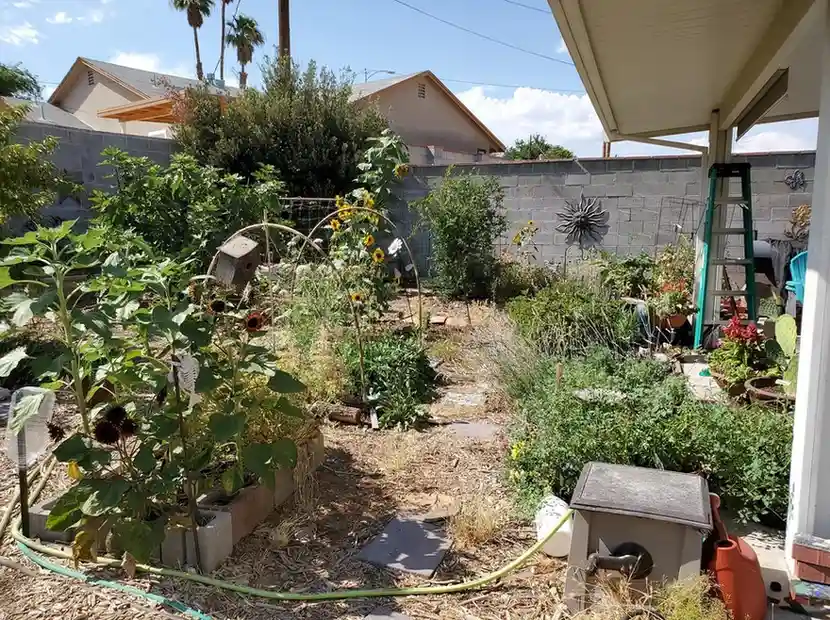
There’s something about curves that instantly makes a garden feel softer and more “forest-like.” Straight rows feel organized and practical, but they also feel very traditional vegetable garden. If you’re trying to create a food forest vibe, curved beds are your secret weapon.
Think gentle arcs instead of sharp lines. A winding path that curves around a fruit tree island. A rounded bed that wraps around a guild. It doesn’t have to be dramatic. Even slightly rounded corners instead of square ones make a difference.
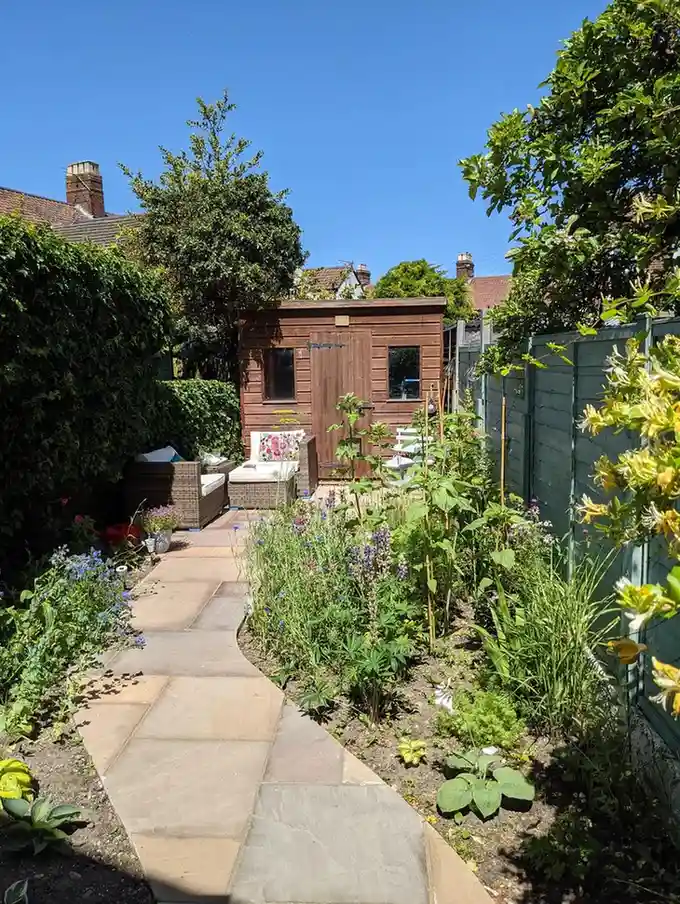
Why this works so well in real yards:
- Curves help slow down water runoff, especially in sloped areas
- They create natural pockets for planting layers
- They make small spaces feel bigger and more dynamic
- They look amazing in overhead Pinterest shots
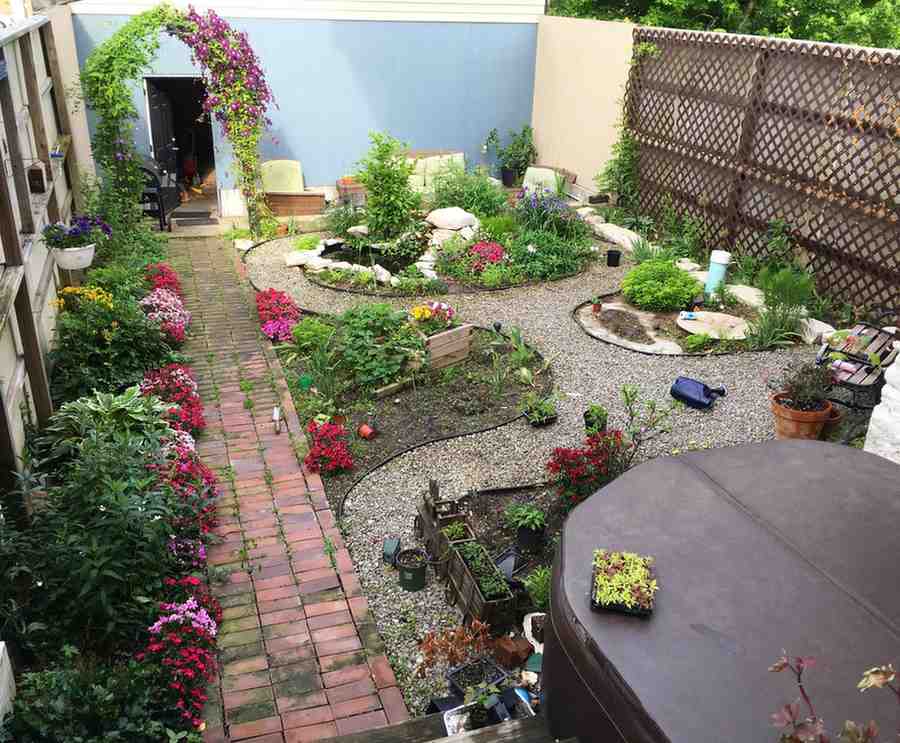
When designing, grab a garden hose or rope and lay it on the ground to “sketch” your curves before digging. This lets you adjust the shape until it feels right. Then edge the bed and add thick mulch to define it.
For pathways, keep them natural and practical. Wood chips, gravel, or compacted mulch work beautifully. Wide enough for a wheelbarrow is ideal. The goal isn’t perfection. It’s flow. You want your garden to feel like you’re wandering through it, not marching down rows.
Curves invite exploration. And that’s exactly the energy a food forest should have.
8. Mulch Everything (Then Mulch Again)
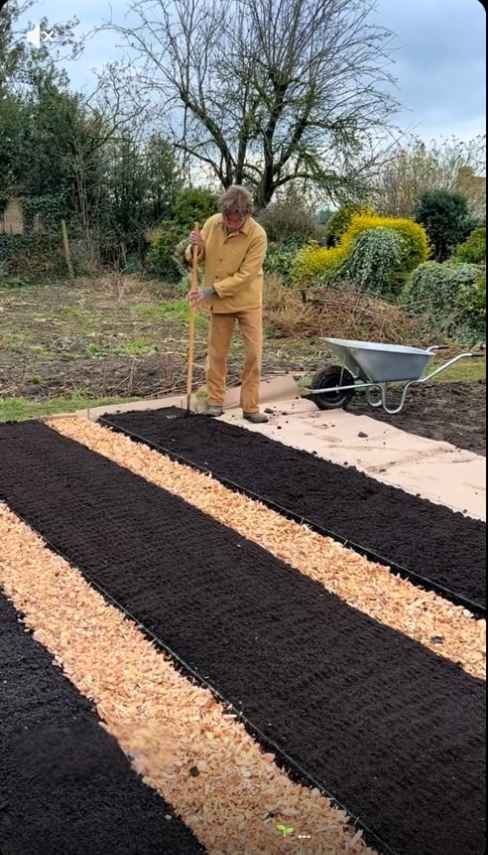
If there’s one non-negotiable rule in food forest gardening, it’s this: mulch is life.
In nature, soil is never bare. Forest floors are covered in fallen leaves, twigs, and organic matter. That layer protects the soil, feeds microbes, and holds moisture. We’re simply copying that system.
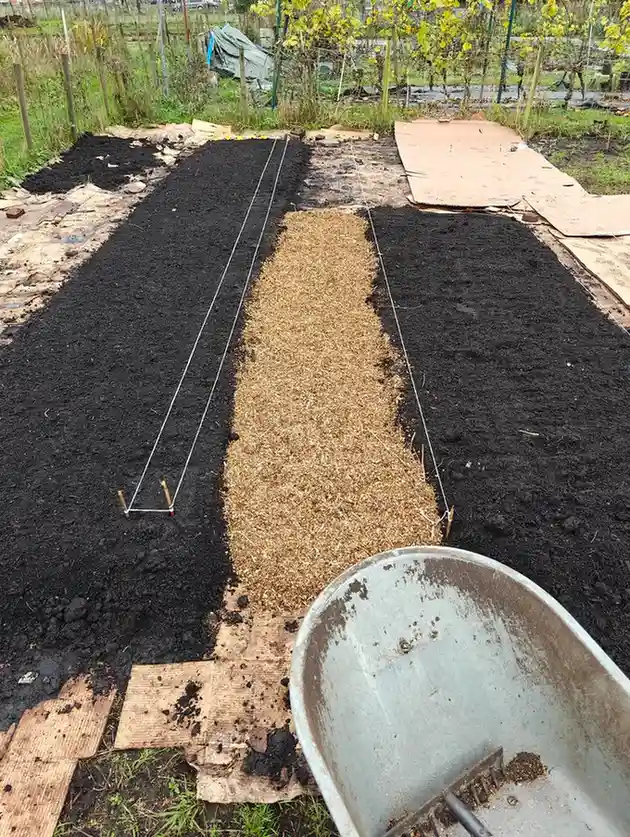
In a backyard food forest, mulch does a few incredible things:
- Suppresses weeds naturally
- Retains moisture so you water less
- Builds soil over time
- Protects plant roots from temperature swings
And here’s the part beginners often miss: use more than you think you need. A thin sprinkle won’t cut it. You’re aiming for 3–6 inches deep around trees and beds, keeping it a few inches away from trunks to prevent rot.
Great mulch options include:
- Wood chips (especially around trees)
- Shredded leaves
- Straw
- Untreated grass clippings
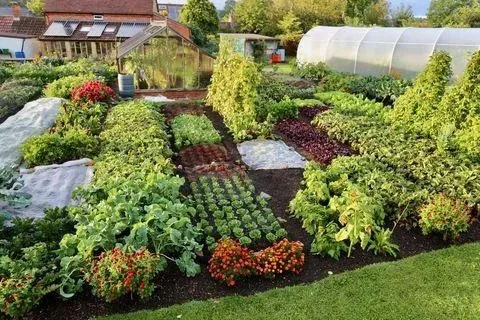
If you’re building a new bed, you can even sheet mulch. Lay cardboard directly over grass, soak it thoroughly, then pile mulch on top. No digging required. The grass breaks down underneath, and you’ve instantly created a planting space.
It may not look glamorous at first. But give it a season. Mulch transforms tired soil into dark, rich earth. And once you see how much easier maintenance becomes, you’ll never go back to bare ground again.
In a food forest, mulch isn’t decoration. It’s infrastructure.
9. Choose Perennials Over Annuals Whenever Possible
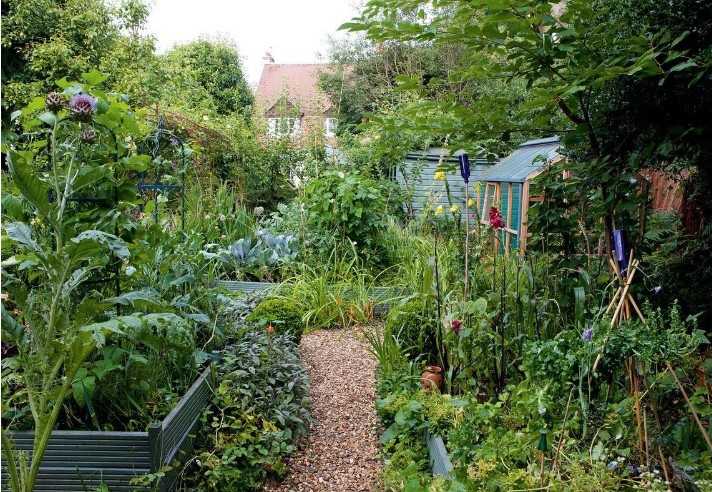
If you want your food forest to feel easier every year instead of harder, perennials are your best friend.
Annual vegetables are great, but they require replanting, reworking soil, reseeding, and constant attention. Perennials? You plant them once… and they just keep showing up. That’s the kind of energy we want in a backyard food forest.
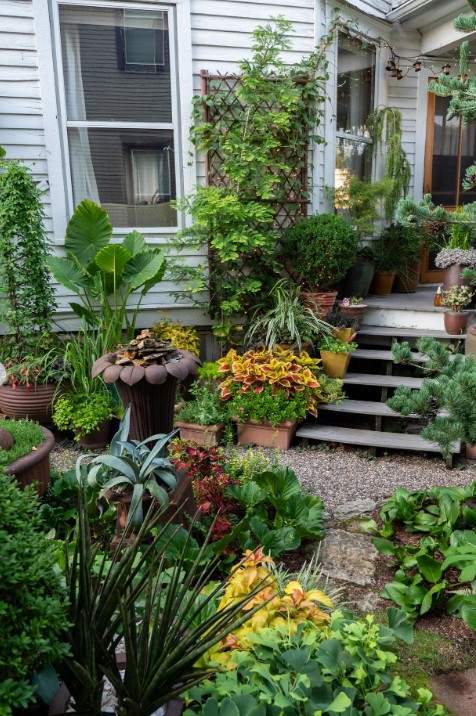
Some incredibly reliable perennial food forest plants include:
- Asparagus
- Artichokes
- Rhubarb
- Berry bushes (blueberries, raspberries, blackberries)
- Perennial herbs like rosemary, thyme, sage, and oregano
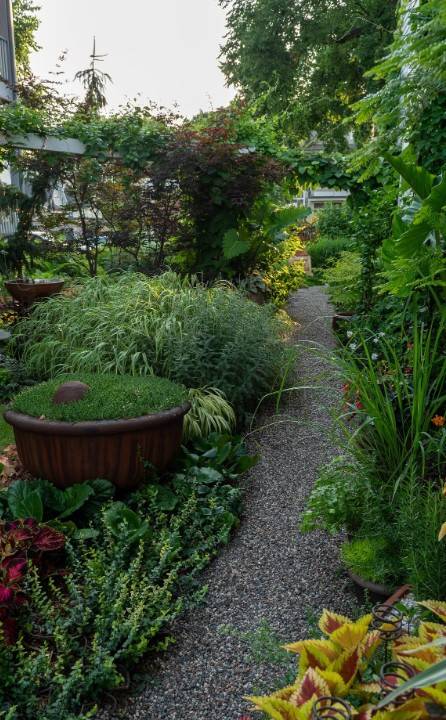
What makes perennials so powerful is their root systems. Over time, they dig deep into the soil, improving structure, accessing nutrients, and becoming more drought-resistant. That means less watering, less fertilizing, and less stress for you.
A simple way to start? Replace one annual bed this year with a perennial patch. Maybe it’s a row of berry bushes along the fence or an asparagus bed tucked into a sunny corner. Think long-term abundance, not short-term harvests.
Your future self will thank you.
10. Let the Garden Look a Little Wild
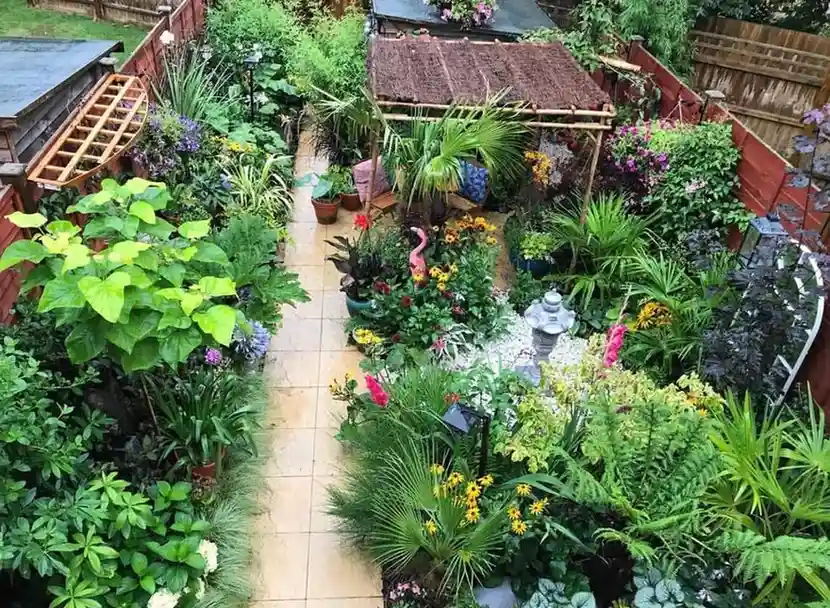
This might be the hardest mindset shift of all — especially if you’re used to tidy rows and neatly edged lawns.
A food forest isn’t supposed to look perfectly manicured. It’s layered. It’s diverse. It’s textured. And yes… sometimes it looks a little wild.
But that “wild” look is actually a sign of health.
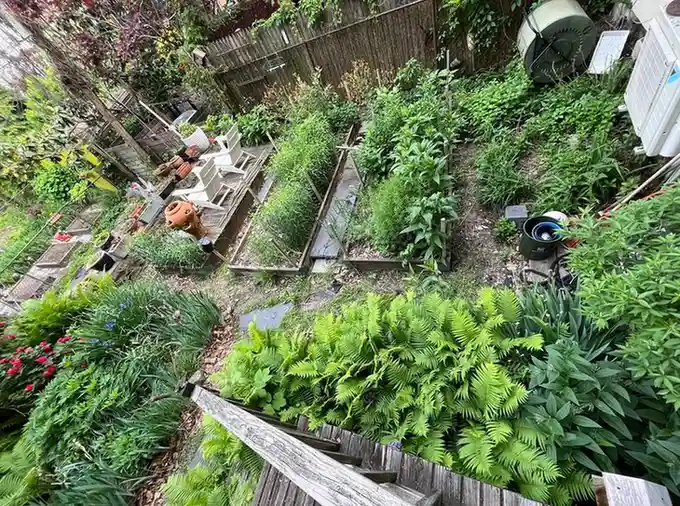
Fallen leaves? That’s soil-building material.
Mixed plant heights? That’s natural pest control and biodiversity.
Different textures and densities? That’s resilience.
Instead of fighting nature, you’re working with it.
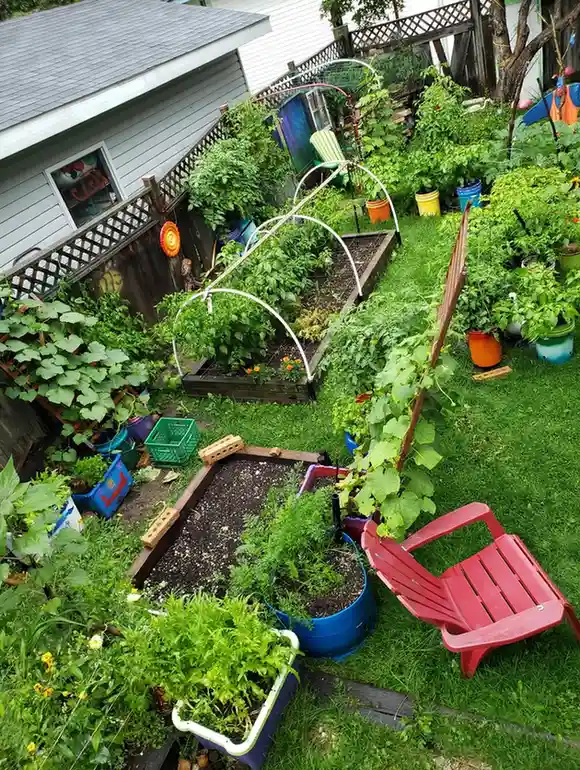
The key is “wild but intentional.” Keep pathways clear. Mulch heavily so beds look defined. Add a focal point like a fruit tree or arbor. These small design anchors make the space feel purposeful, even if the plants are growing freely.
And honestly? That slightly untamed, cottage-meets-forest look photographs beautifully. Pinterest loves gardens that feel abundant and alive, not sterile.
Let go of perfection. Lean into ecosystem.
11. Start Small and Expand Over Time
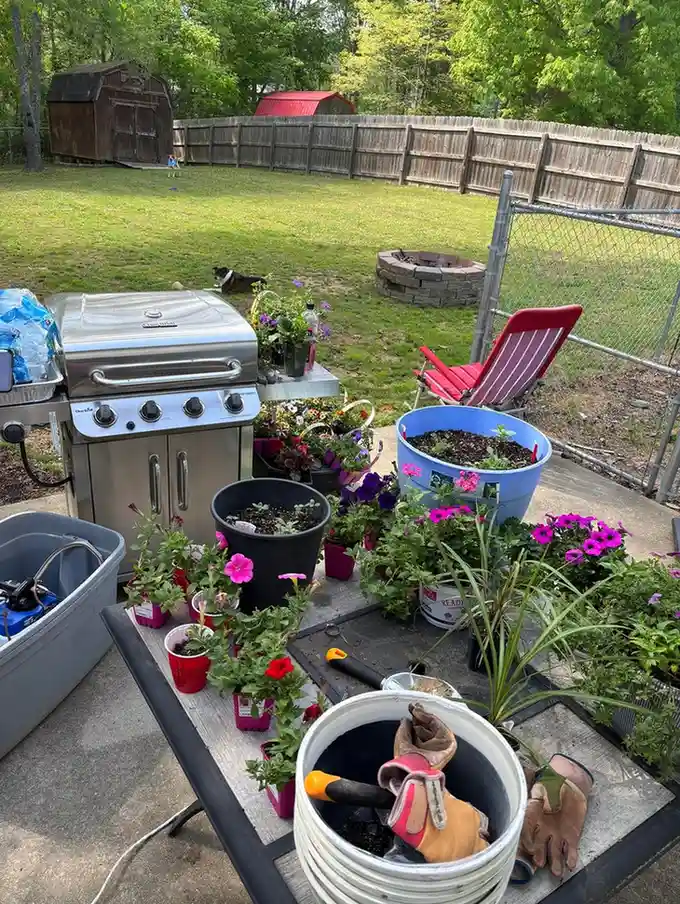
If there’s one food forest garden permaculture idea that matters most, it’s this: don’t try to do everything at once.
It’s tempting. You get inspired. You want to rip out the whole lawn tomorrow. But sustainable gardens grow sustainably.
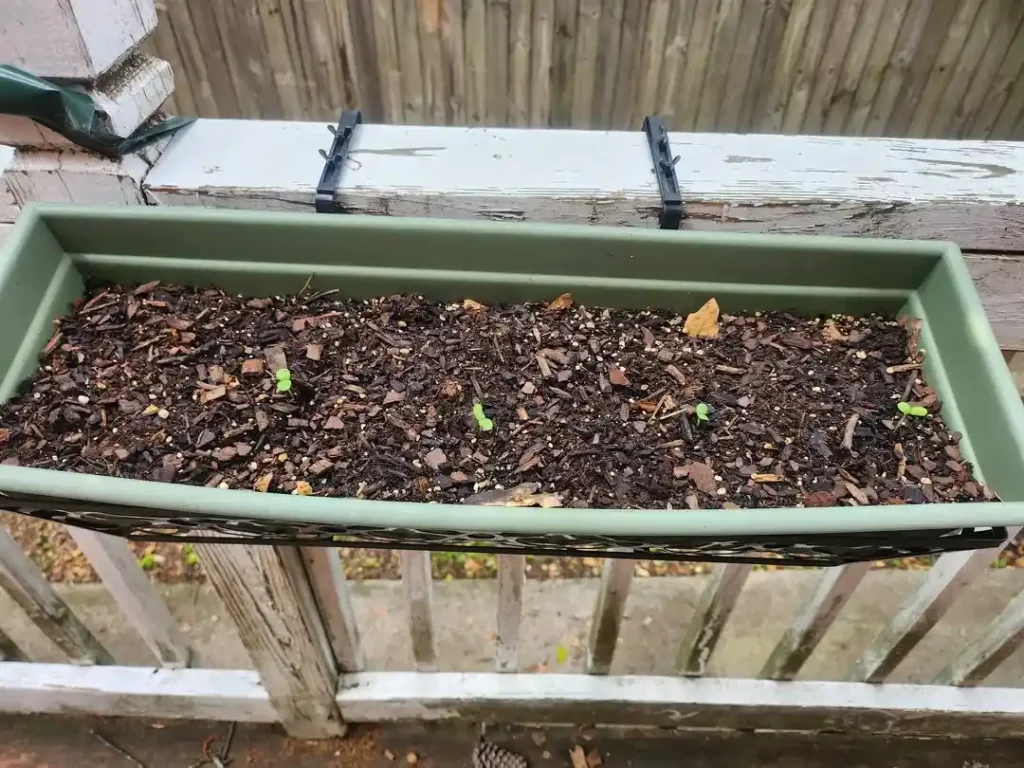
Start with:
- One fruit tree
- One simple guild around it
- One converted corner of your yard
Learn how your sunlight behaves. Notice where water pools. Watch what thrives and what struggles. A food forest is a relationship, not a weekend project.
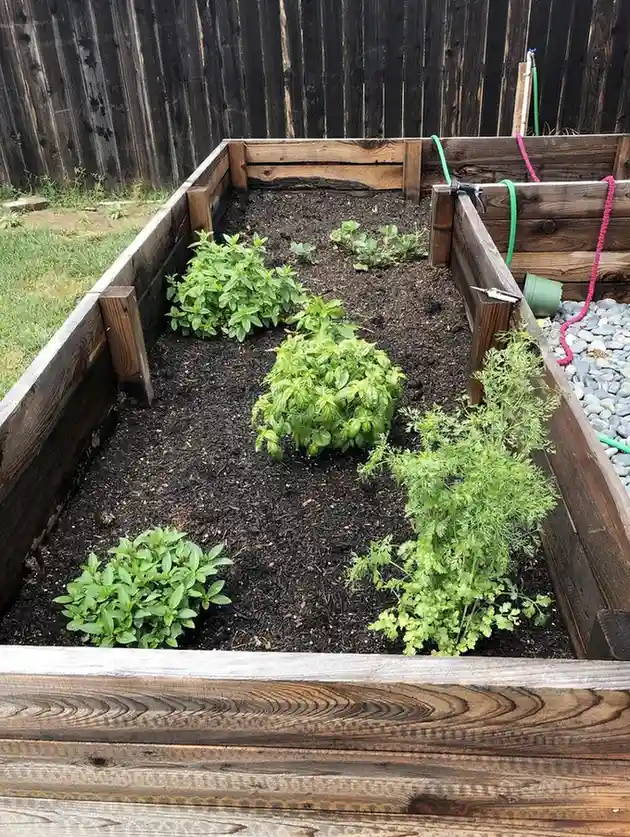
Each season, expand a little more. Add another tree. Extend the mulch line. Plant another shrub layer. Over time, those small, manageable steps turn into a thriving ecosystem.
And the best part? You’re not overwhelmed. You’re building confidence along with your garden.
Food forests aren’t built in a day. They’re grown — patiently, intentionally, and beautifully over time.