
If you’ve ever looked at a plain wooden fence and thought, “This could be doing more,” you’re not alone. An edible hedge is exactly what it sounds like — a living boundary made of plants you can actually harvest. Instead of separating your yard with something purely decorative (or purely functional), you’re creating a beautiful, productive edge that gives back season after season.

So why choose an edible hedge over a traditional fence? Because it works harder. It can provide privacy, soften harsh property lines, support pollinators, and supply your kitchen with fresh fruit, herbs, or even nuts. It’s one of those garden upgrades that feels intentional and abundant at the same time. Plus, there’s something deeply satisfying about stepping outside and picking a handful of berries or clipping fresh rosemary right from your “fence.”

The best part? You don’t need acres of land to make it work. Edible hedges are perfect for suburban yards, small gardens, and even compact homesteads. Whether you want a neat row of berry bushes, a grape-covered trellis, or a mixed border that blends beauty and function, there’s an option that fits your space and your lifestyle. Even starting with one simple hedge can completely change how your yard looks — and how it feeds you.
1. Berry Bush Hedge

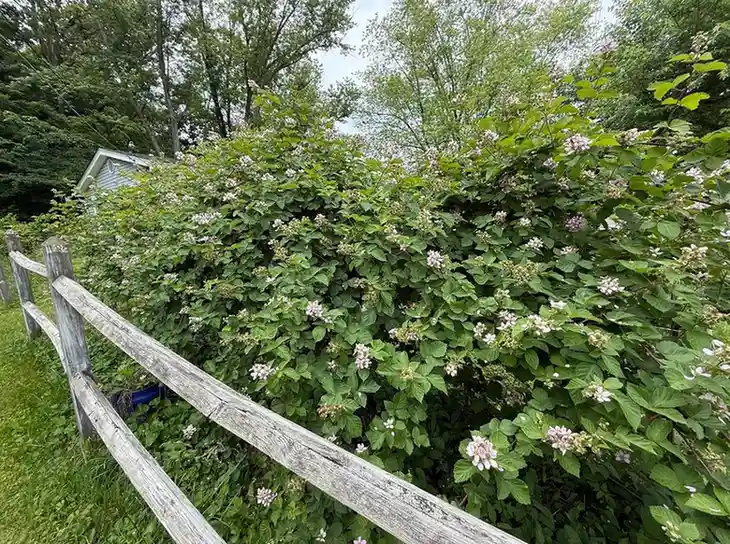
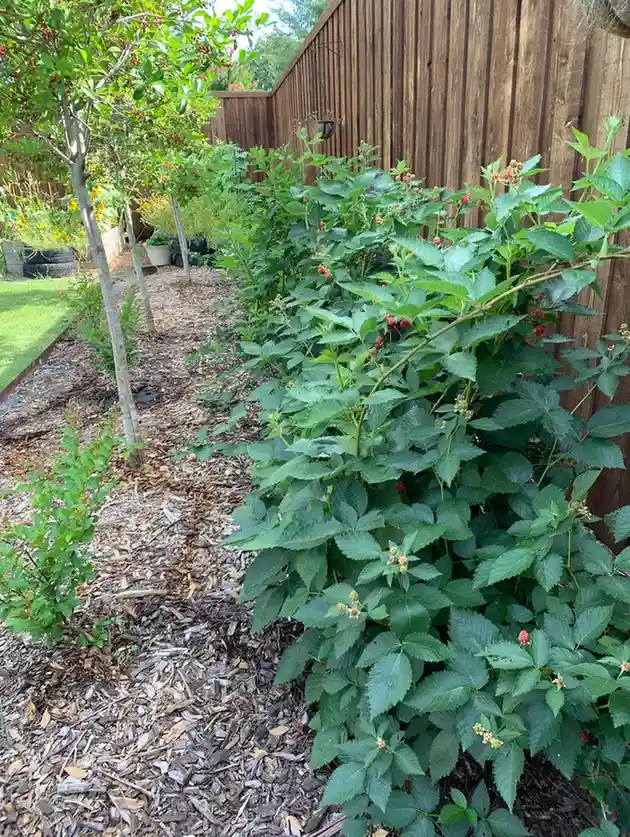
If you want an edible hedge that truly checks all the boxes — privacy, beauty, and a steady snack supply — berry bushes are hard to beat. Blueberries, raspberries, and blackberries naturally grow thick and full, which makes them perfect for creating a soft, living wall. Unlike a wooden fence, a berry hedge changes with the seasons: delicate spring blossoms, lush green summer growth, colorful fruit, and even pretty fall foliage in some varieties.
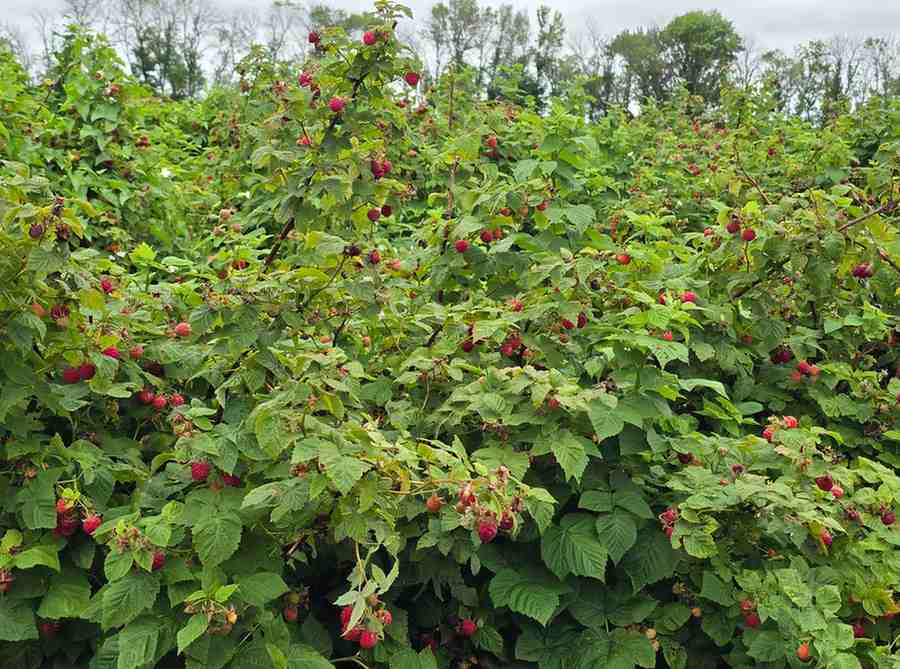
Blueberries are especially great if you love a tidy, uniform look. They grow upright and compact, making them ideal for a more structured hedge. Raspberries and blackberries tend to spread and fill in quickly, which is perfect if you want faster coverage. Just keep in mind that cane berries can be a bit enthusiastic growers — but that fullness is exactly what gives you privacy.

For spacing, most berry shrubs do well planted about 2–4 feet apart, depending on the variety. Close enough to grow together, but not so tight that airflow becomes an issue. Pruning once or twice a year keeps the hedge neat and productive. And honestly? There’s something incredibly satisfying about walking along your “fence” and picking breakfast straight off the branches.
2. Grape Vine Hedge on Trellis
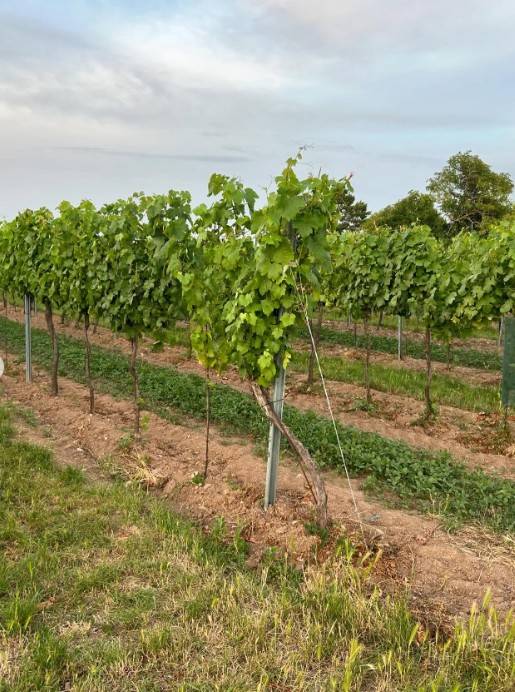
If you’re short on space but still want that lush, private feel, grape vines on a trellis are such a smart solution. Instead of growing outward like shrubs, grapes grow upward and along supports — which means you can turn an ordinary wire fence, chain-link fence, or wooden frame into a beautiful green privacy wall.

One of the best things about grape hedges is how quickly they fill in. With proper training, the vines weave themselves along the structure, creating dense leafy coverage during the growing season. In summer, you get shade and clusters of fruit hanging down like little garden chandeliers. It feels romantic and practical at the same time.
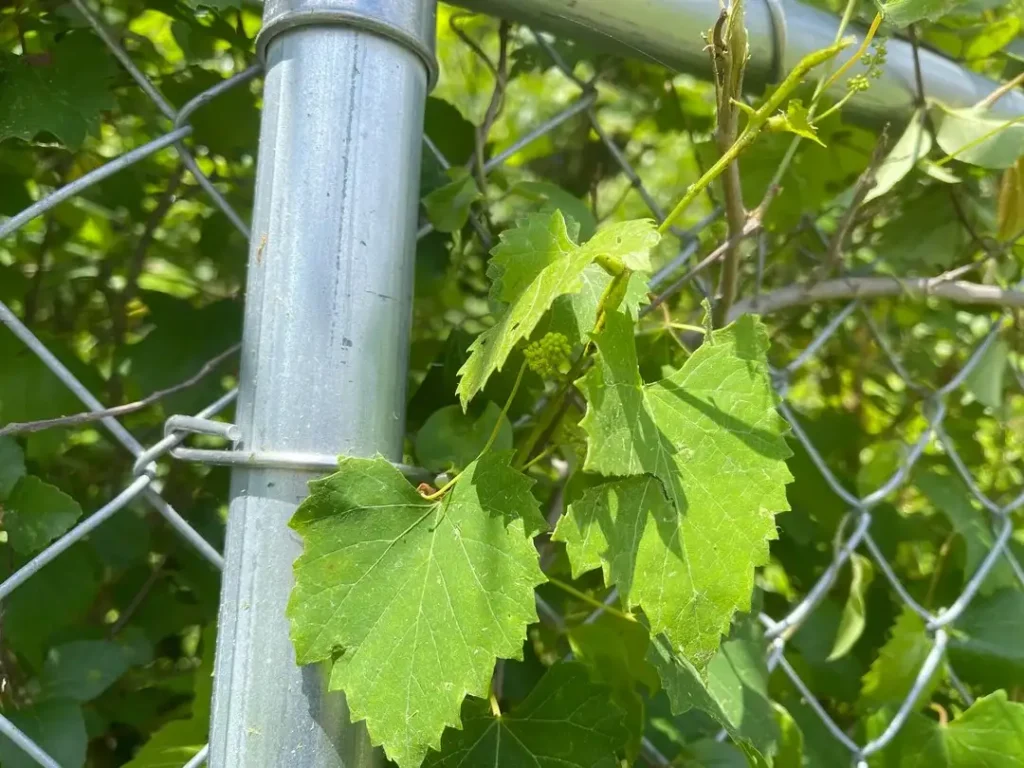
To get that hedge look, you’ll want to install strong horizontal wires or a sturdy trellis system and train the main vine along it. Regular pruning is key — grapes produce best on new growth, so trimming actually improves your harvest. As for varieties, choose based on your climate: muscadine grapes thrive in hot, humid areas, while many European or table grape varieties prefer drier conditions. Once established, a grape hedge becomes one of those features that makes your yard feel intentional, abundant, and just a little bit magical.
3. Espalier Fruit Tree Hedge
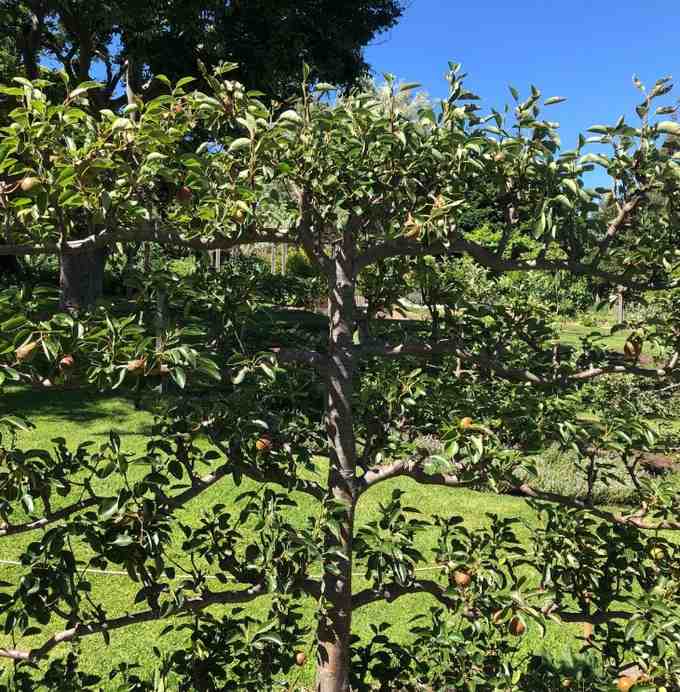
If you love the idea of growing fruit but don’t have space for big, spreading trees, espalier might be your new favorite trick. Espalier fruit trees — like apples, pears, and figs — are trained to grow flat against a wall, fence, or set of horizontal wires. Instead of branching out in every direction, they grow in neat, intentional layers. The result? A living hedge that looks elegant, almost architectural.
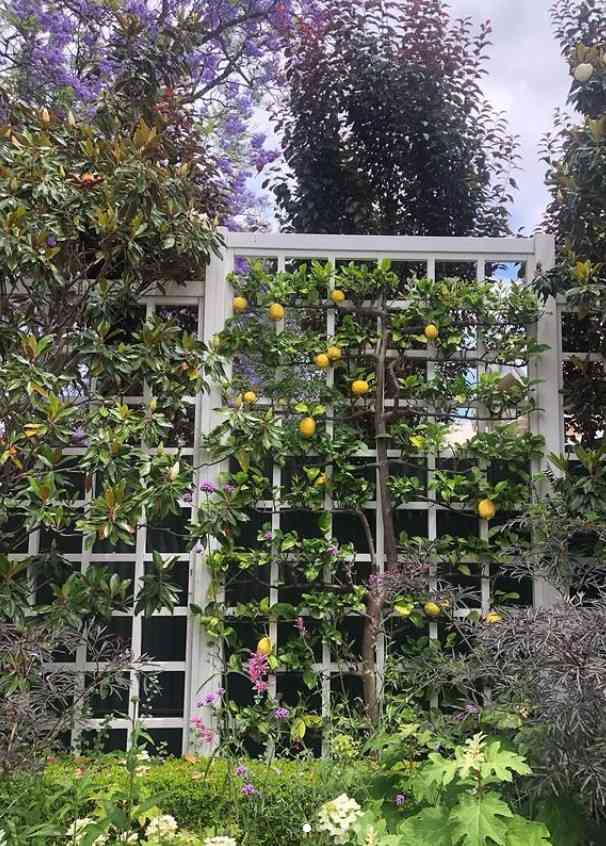
This method is perfect for narrow side yards or tight property lines where every inch counts. You get the beauty of a fruit tree without it taking over your whole garden. Plus, because the branches are spread out and exposed to sunlight, fruit production can actually be excellent. It feels high-end and custom, but it’s surprisingly doable for home gardeners willing to be patient.
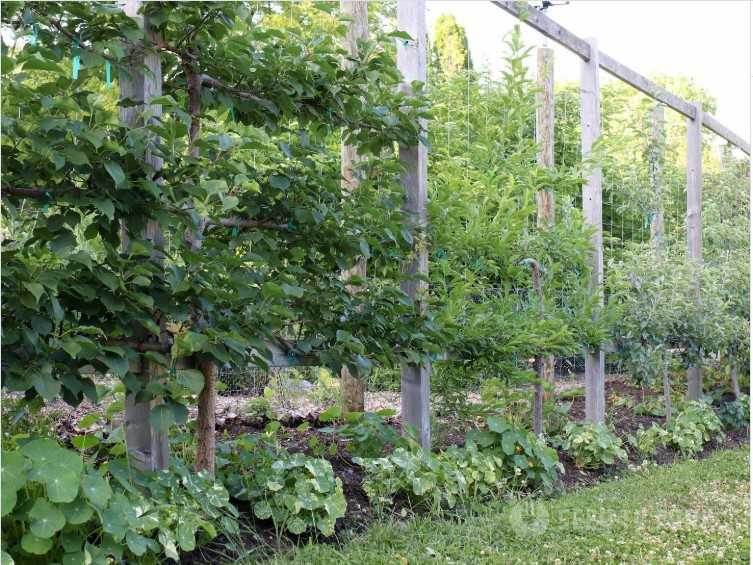
Maintenance mostly comes down to shaping. You’ll tie young branches to horizontal supports and prune regularly to keep that flat form. It does require a little attention each season, but think of it as guiding the tree rather than fighting it. Over time, an espalier hedge becomes one of those features that makes people stop and say, “Wow, that’s beautiful — and you can eat it?”
4. Dwarf Fruit Tree Border
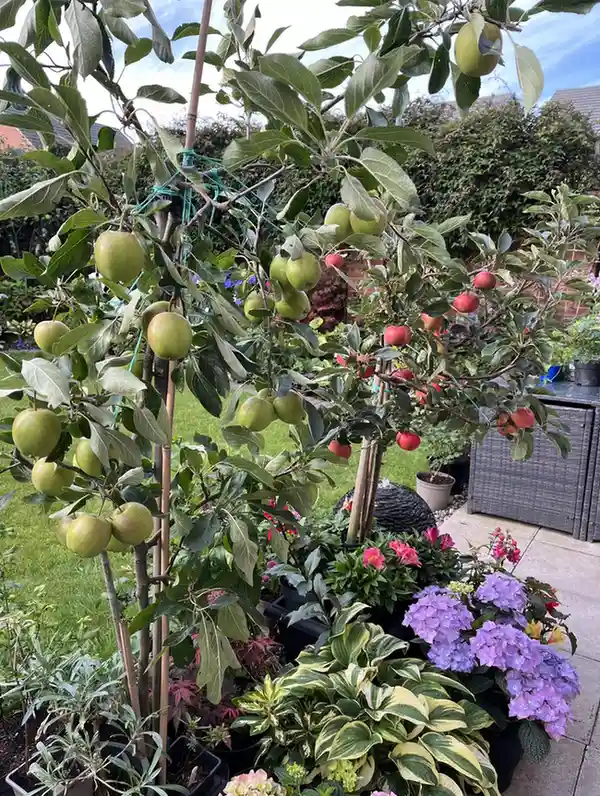
If espalier feels a little too structured for you, a simple row of dwarf or semi-dwarf fruit trees is a wonderful alternative. Planted in a line, they create a soft, productive border that still gives definition to your yard. Because they’re smaller than full-sized trees, they stay at a manageable height — which means harvesting doesn’t require a ladder (always a win).
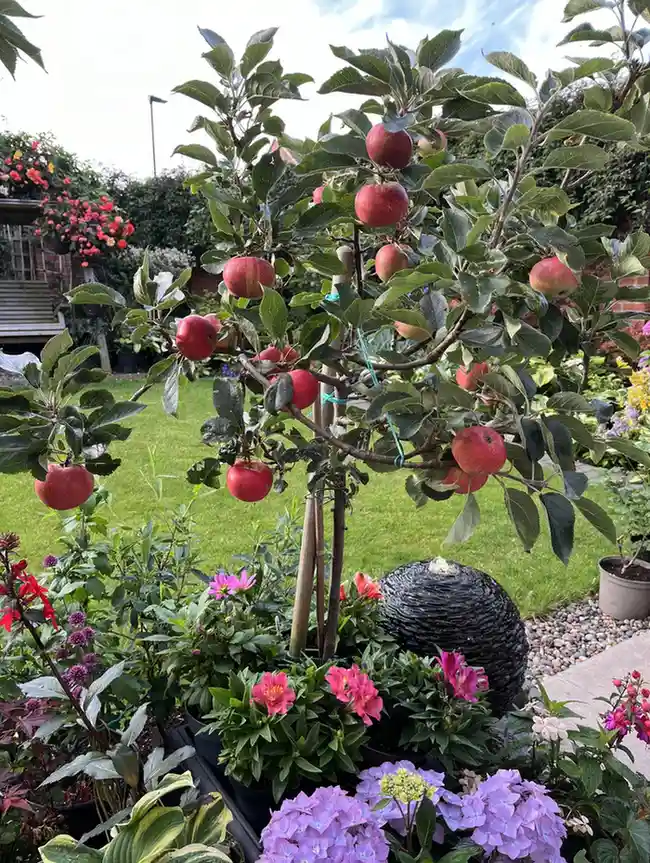
One of the best parts about a dwarf fruit tree border is how easy it is to layer underneath. You can tuck in strawberries, thyme, or other low-growing herbs around the base. Not only does this make the space more productive, but it also helps suppress weeds and keeps the soil shaded and healthy. It turns a simple row of trees into a mini ecosystem.
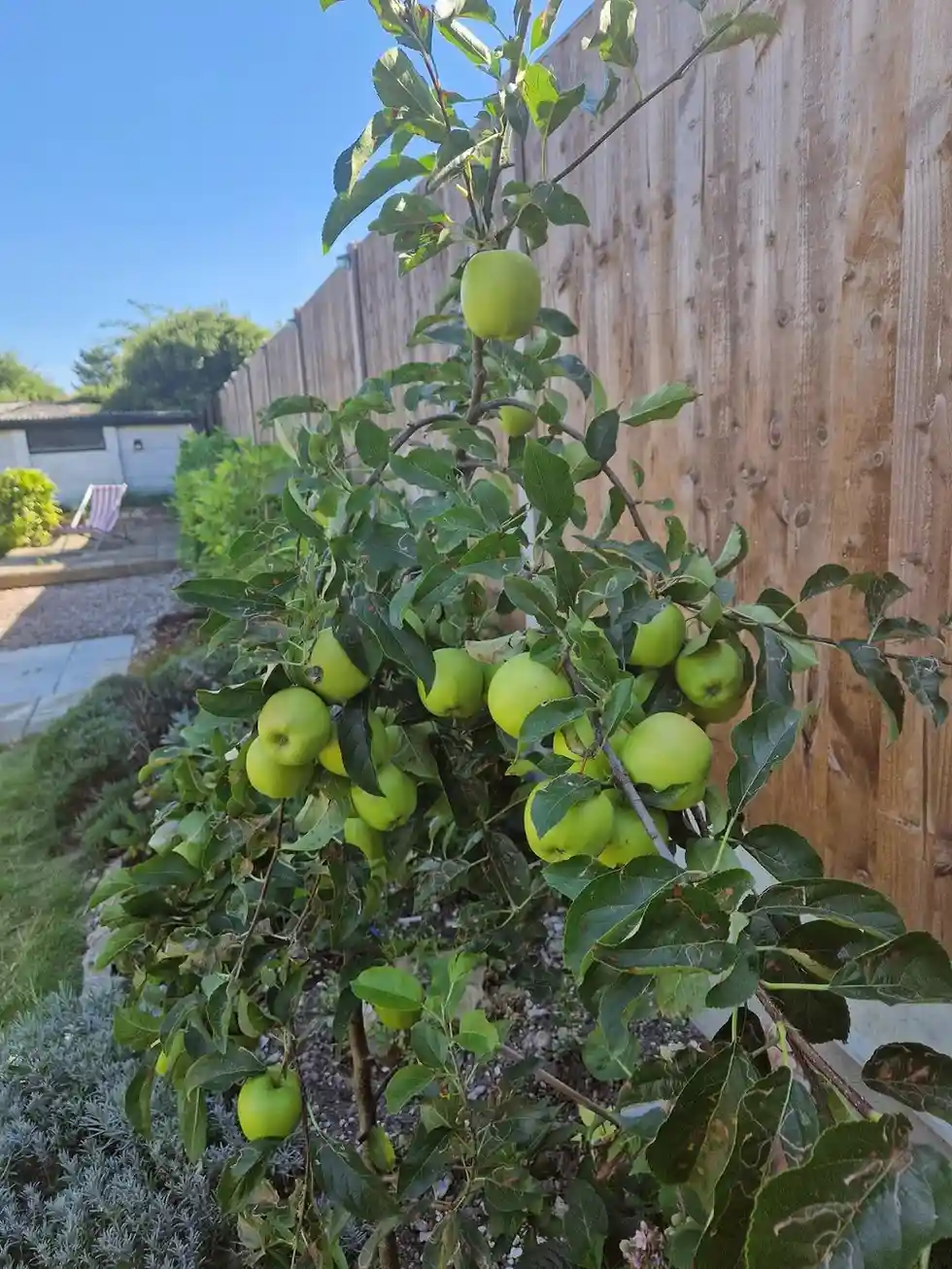
Spacing is important here. Give each tree enough room for airflow — usually 6–10 feet apart, depending on the variety — so they don’t compete for light and nutrients. With yearly pruning to maintain size and shape, your border will stay tidy and productive. It’s approachable, practical, and feels like a natural upgrade from a traditional hedge — one that rewards you with fresh fruit instead of just a view.
5. Rosemary Hedge

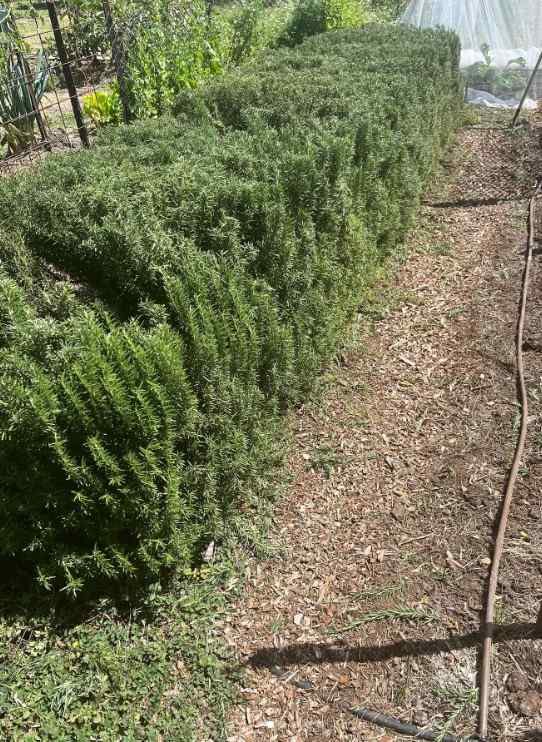
If you live in a warm climate, a rosemary hedge is one of those plant choices that just makes sense. It’s evergreen, which means you get structure and privacy year-round — not just during the growing season. The needle-like leaves give it a clean, slightly coastal look, and when it blooms with tiny blue or purple flowers, it quietly steals the show.

Beyond looks, rosemary is incredibly practical. It’s drought-tolerant once established, doesn’t fuss too much over poor soil, and smells amazing every time you brush past it. Imagine walking along your garden edge and catching that fresh, herbal scent — and then stepping into the kitchen to snip a few sprigs for roasted vegetables or grilled chicken. It’s beauty and function working together.

To keep rosemary looking hedge-like instead of wild and woody, regular trimming is key. Light pruning after flowering helps maintain a dense shape and prevents it from getting leggy. Just avoid cutting into old, bare wood, since rosemary doesn’t always bounce back from heavy pruning. With a little shaping each year, you’ll have a tidy, fragrant border that looks polished but still feels relaxed.
6. Lavender Border Hedge
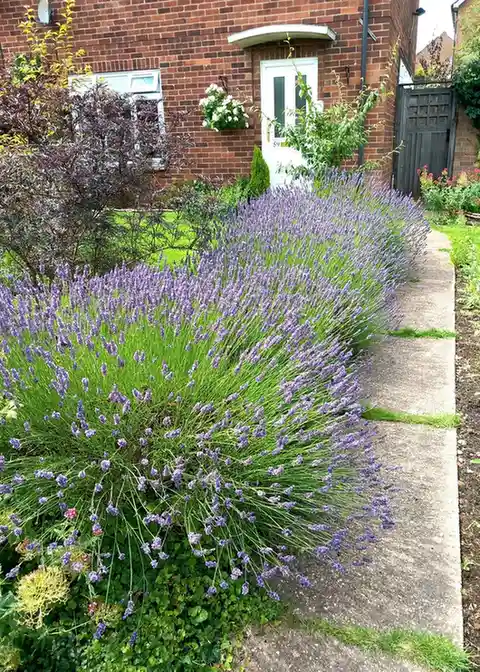
If you’re dreaming of a hedge that feels straight out of the countryside, lavender is such a romantic choice. When it’s in bloom, those soft purple spikes create a cloud of color that instantly softens any space. It’s not the tallest privacy hedge, but it’s perfect for defining borders, lining pathways, or edging garden beds with something both beautiful and useful.
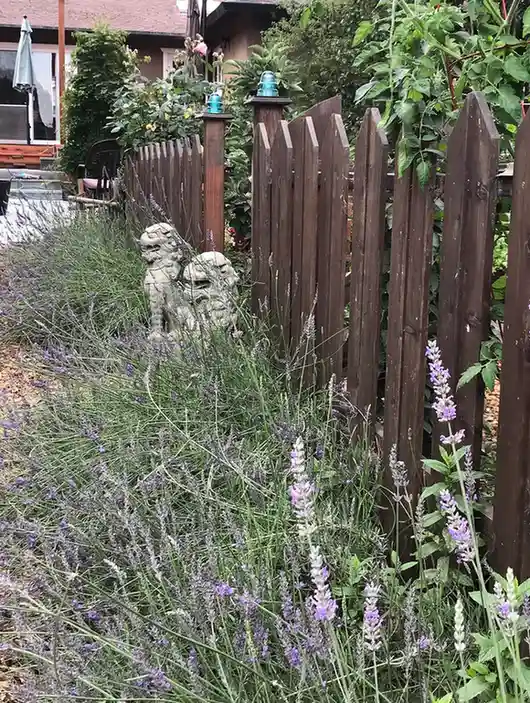
Pollinators absolutely love lavender. Bees and butterflies will treat your hedge like a buffet during flowering season, which is a huge bonus for the rest of your garden. And for you? The scent alone is worth it. A warm afternoon breeze drifting through blooming lavender is one of those simple garden moments that just feels peaceful.

Lavender thrives in full sun and well-draining soil — that’s the secret. It doesn’t like wet feet, so avoid heavy clay areas unless you amend the soil or plant slightly raised. After flowering, give it a gentle trim to keep the hedge compact and prevent it from getting woody in the center. With minimal care, a lavender hedge becomes that effortless, low-maintenance border that looks intentional without feeling fussy.
7. Herb Hedge (Oregano, Sage, or Thyme)

If you love the idea of stepping outside and snipping fresh herbs for dinner, a single-herb hedge — like oregano, sage, or thyme — is such a simple and beautiful option. Instead of mixing different plants together, you choose one favorite and plant it in a continuous row. The result feels clean, cohesive, and intentional — like a living border that also happens to flavor your meals.
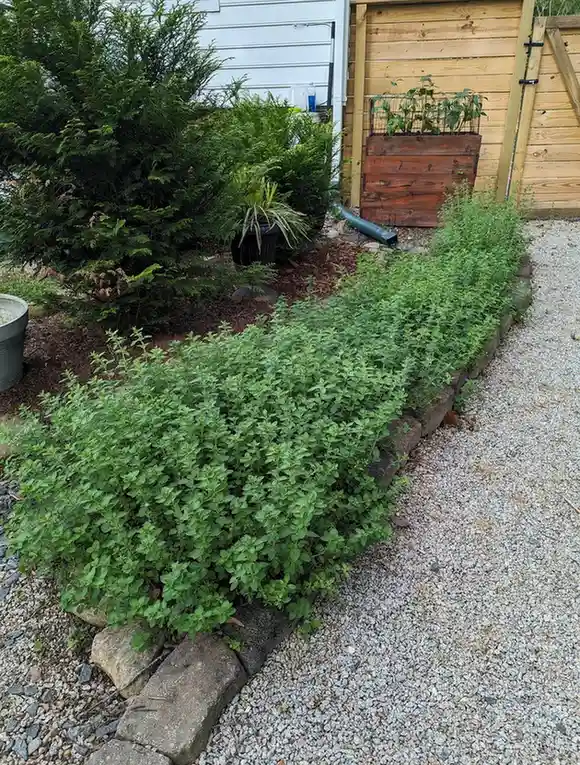
An oregano hedge has a soft, full look that fills in nicely along garden beds. It grows into a lush, leafy edge that feels relaxed but still tidy when trimmed regularly. Sage creates more structure, with its silvery-green leaves giving a calm, slightly Mediterranean feel. It stands upright and looks polished when spaced evenly. Thyme, on the other hand, forms a lower, denser hedge that hugs the ground — perfect for edging pathways or defining smaller spaces.
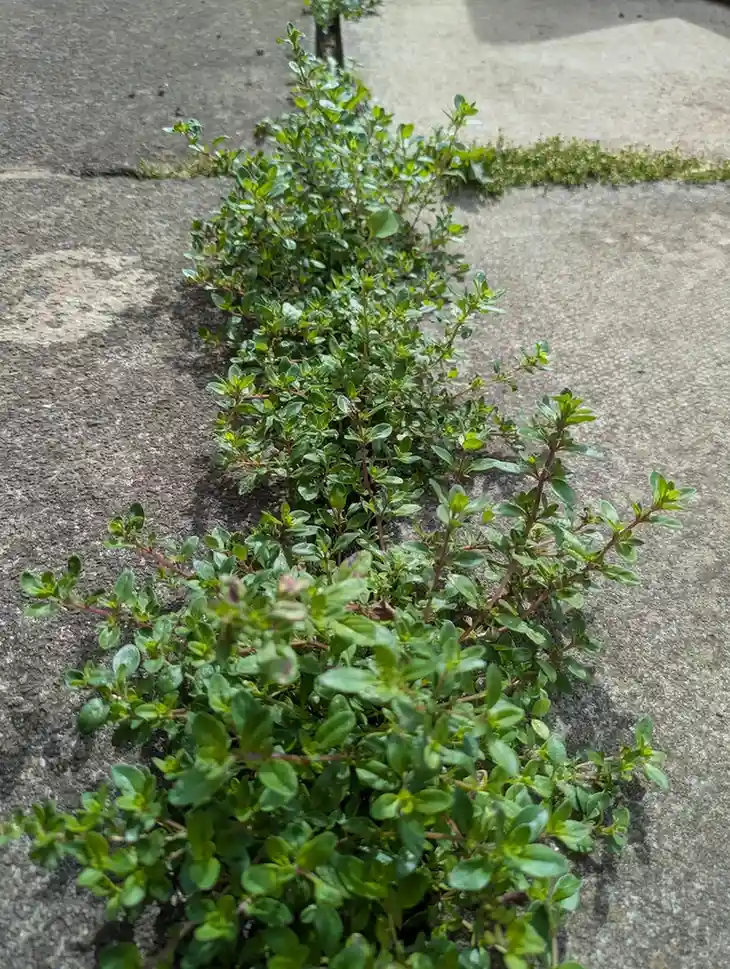
To keep your herb hedge looking its best, regular harvesting is actually the secret. The more you snip (without overdoing it), the bushier and healthier the plants become. Just give them full sun, well-draining soil, and an occasional light trim to maintain shape. It’s one of the easiest edible hedge ideas to start with — especially if you want something practical, manageable, and instantly useful.
8. Hazelnut or Nut Shrub Hedge

If you have a bit more space to work with, a hazelnut or other nut shrub hedge can be incredibly rewarding. These shrubs grow taller and denser than most herb or berry hedges, which makes them great for serious privacy. Over time, they form a sturdy, leafy barrier that feels more like a natural woodland edge than a traditional fence.
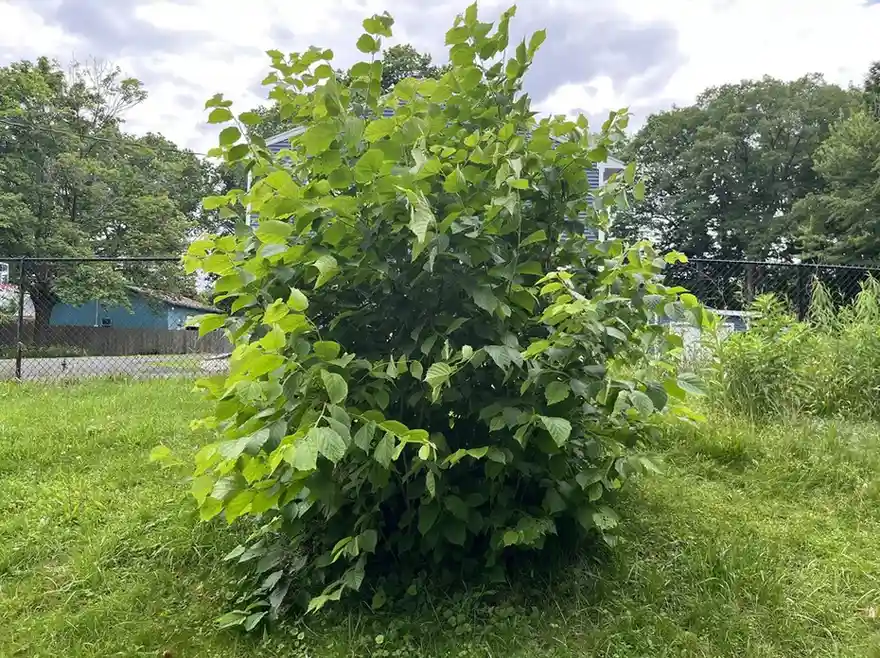
Hazelnuts don’t just feed you — they support wildlife too. Birds and beneficial insects are often drawn to them, adding life and movement to your yard. It’s one of those choices that feels abundant in more ways than one. And when harvest season rolls around, gathering your own nuts feels surprisingly satisfying — almost old-fashioned in the best way.
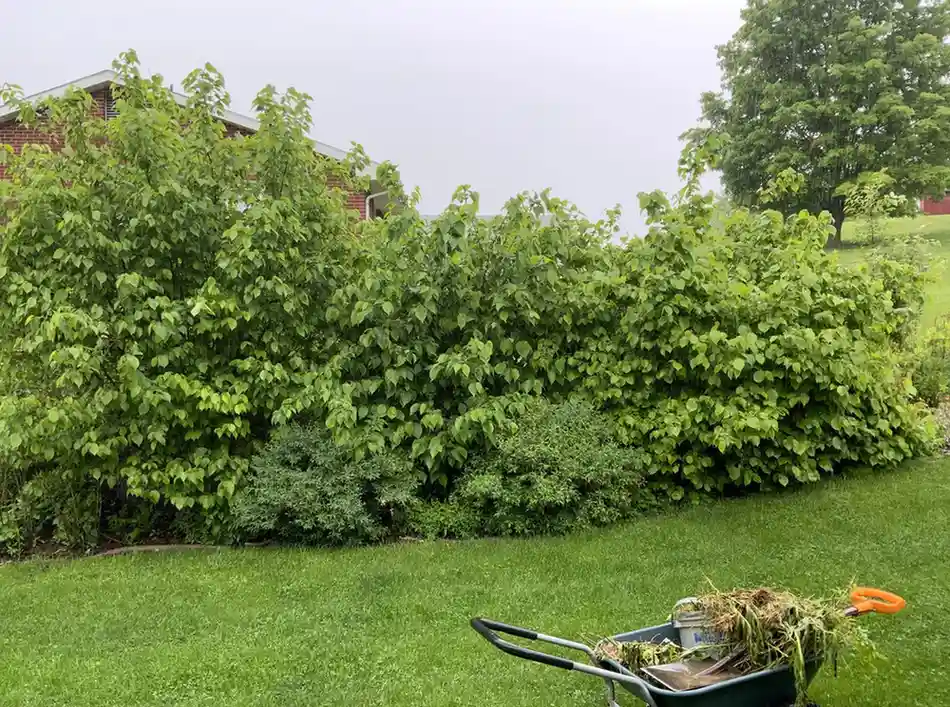
To maintain a hedge shape, you’ll want to prune yearly, removing older stems and encouraging new growth. This keeps the shrubs productive and prevents them from becoming too sprawling. Harvest timing usually falls in late summer to early fall, when the husks begin to dry and loosen. It does take a little patience — nut shrubs aren’t instant-gratification plants — but once established, they can provide food and privacy for years to come.
9. Citrus Hedge (Warm Climates)
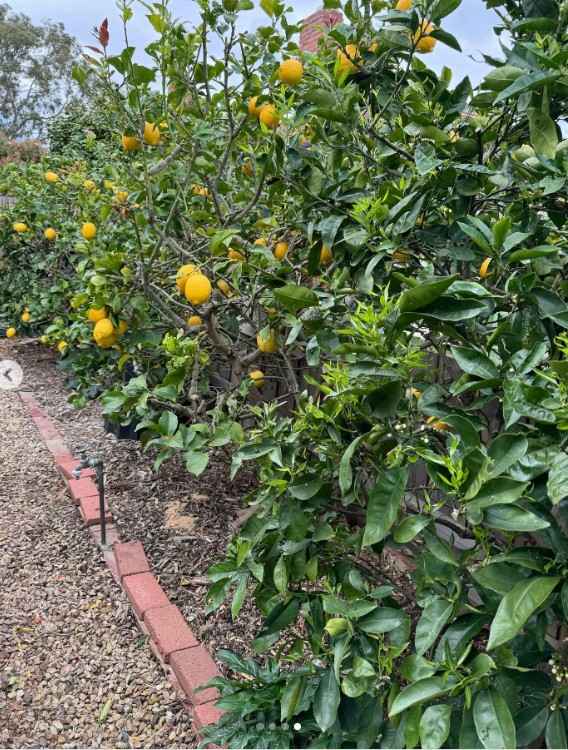
If you live somewhere warm and sunny, a citrus hedge is such a dreamy option. Picture a row of dwarf lemons, limes, or calamansi trees forming a glossy green wall — with the bonus of fragrant white blossoms in spring. Citrus flowers smell incredible, and when the fruit starts to form, your “fence” suddenly feels like a mini orchard.
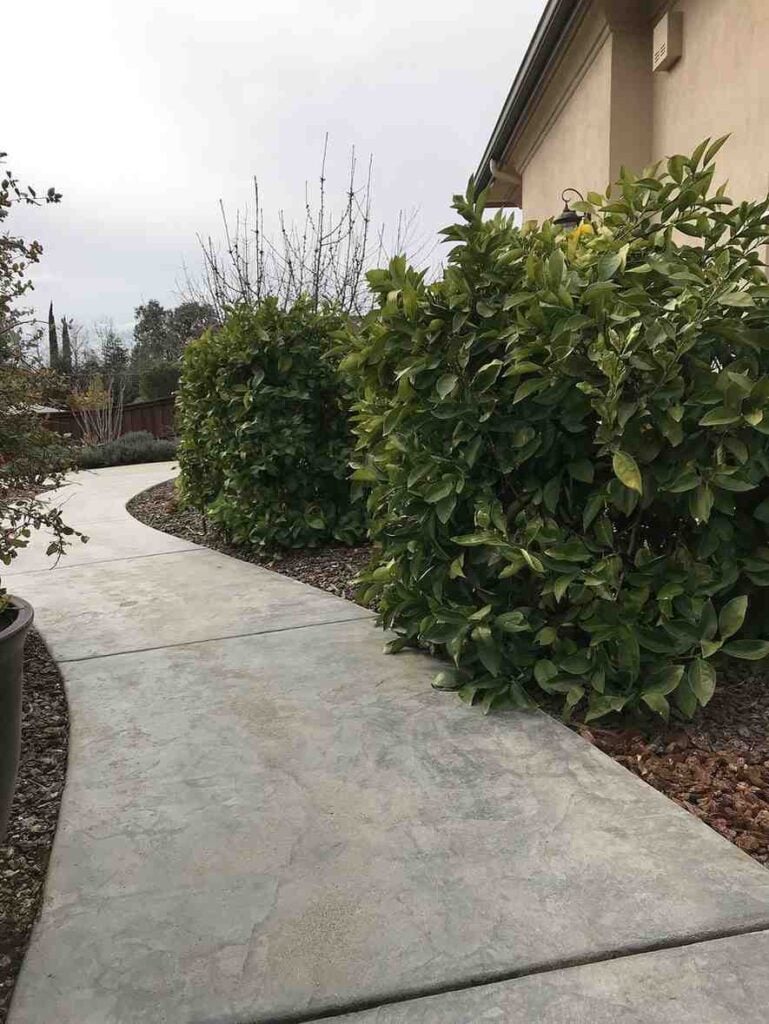
Dwarf varieties are key here. They stay compact enough to manage but still produce generously. Planted in a row, they create year-round greenery since citrus is evergreen in warm climates. That means you get privacy and structure even when other plants might look bare. And let’s be honest — stepping outside to grab a fresh lemon for iced tea or a lime for dinner feels pretty luxurious.
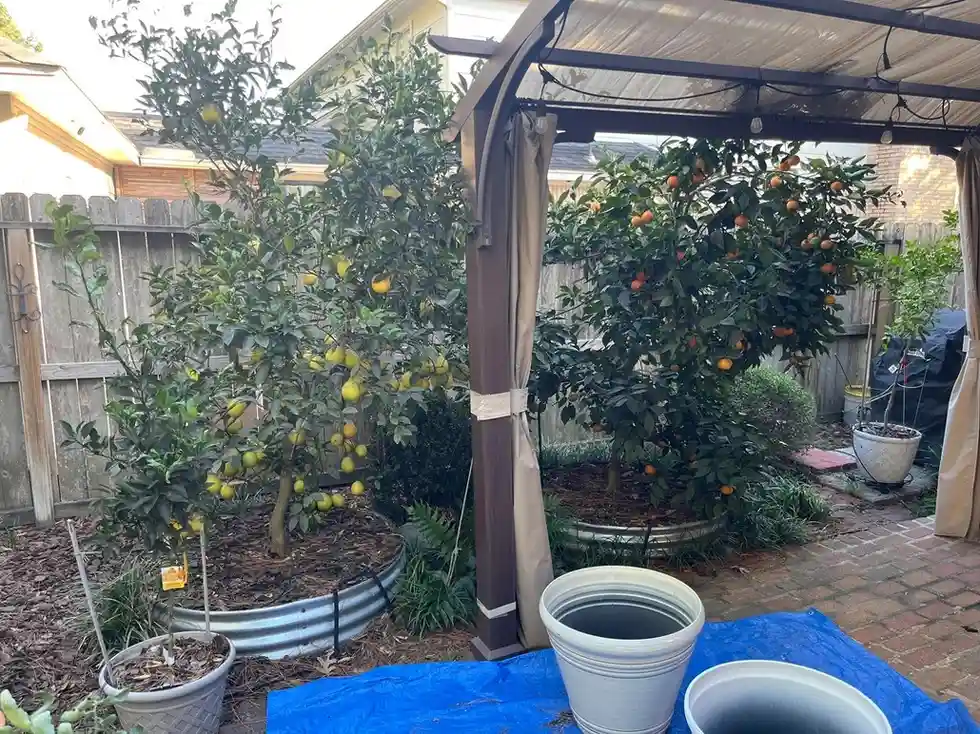
If you’re in an area that occasionally dips into cooler temps, frost protection matters. Young trees especially may need covering during cold snaps, and planting near a sunny wall can help buffer temperature swings. With consistent watering, feeding, and light pruning to maintain shape, a citrus hedge becomes one of those features that feels both practical and just a little bit special.
10. Fig Tree Privacy Hedge
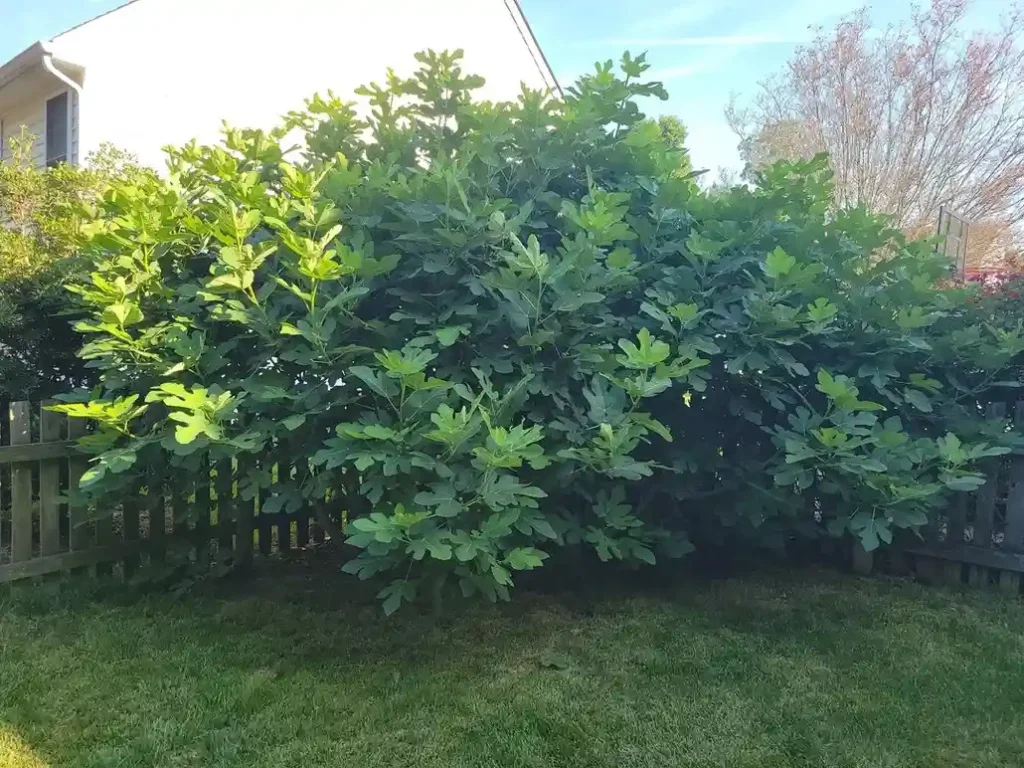
If you want bold, lush privacy with a slightly tropical vibe, fig trees are a standout choice. Their large, dramatic leaves create dense coverage during the growing season, making them fantastic for screening out neighbors or blocking an unwanted view. A row of figs instantly makes a space feel secluded and abundant.
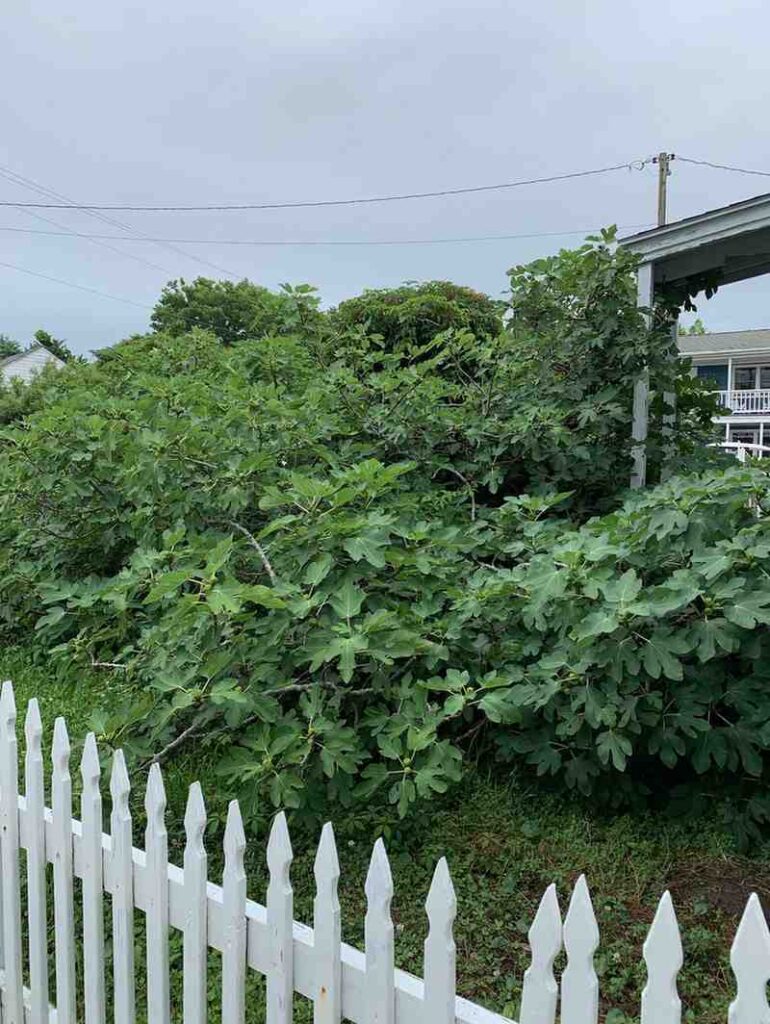
Figs are also relatively fast-growing compared to many fruit trees, so you won’t be waiting forever for that privacy effect. The fruit itself is sweet and versatile — great for fresh eating, baking, or even homemade preserves. It’s one of those plants that feels generous once it gets established.
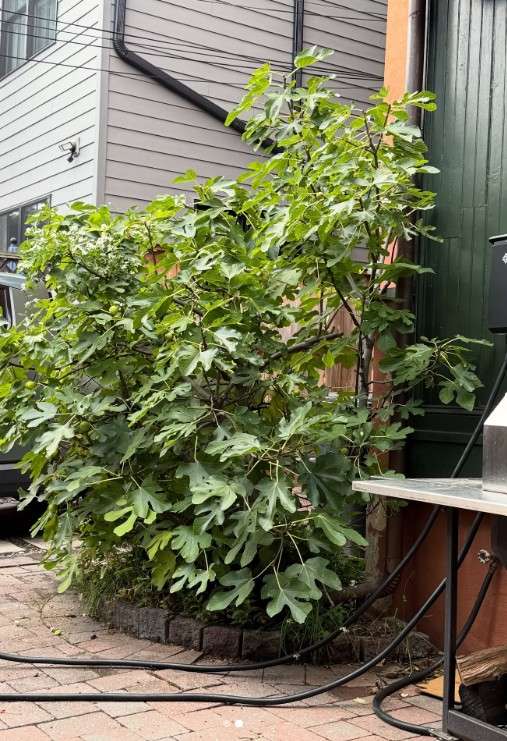
To keep a fig hedge manageable, regular pruning is important. You can shape them to stay more compact and encourage productive growth. In cooler climates, figs can also be grown in large containers and arranged side by side to create a flexible privacy screen. That way, you can move them if needed or provide extra winter protection. Whether planted in-ground or in pots, a fig hedge brings texture, height, and harvest all in one beautiful package.
11. Gooseberry or Currant Hedge
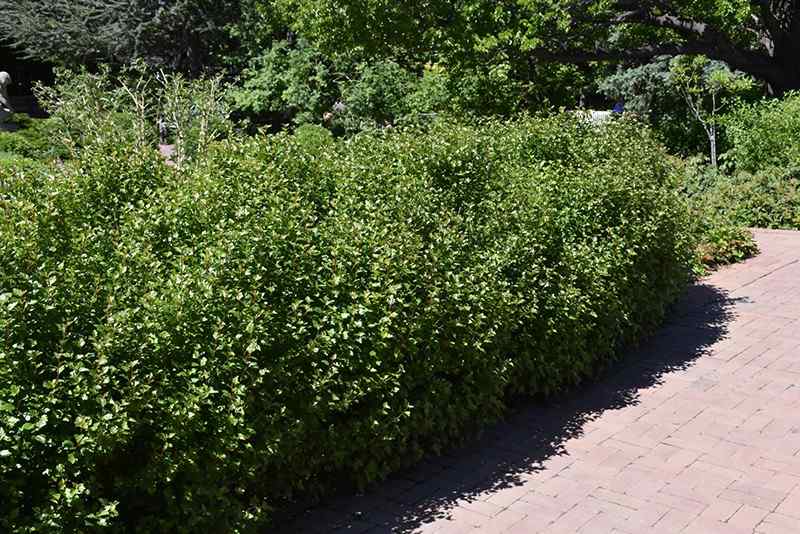
If you want an edible hedge that’s compact, productive, and a little bit protective, gooseberries and currants are such underrated options. Many gooseberry varieties have thorny stems, which can actually add a subtle security benefit along property lines. It’s not a fortress — but it’s definitely less inviting to cut through than a soft ornamental hedge.
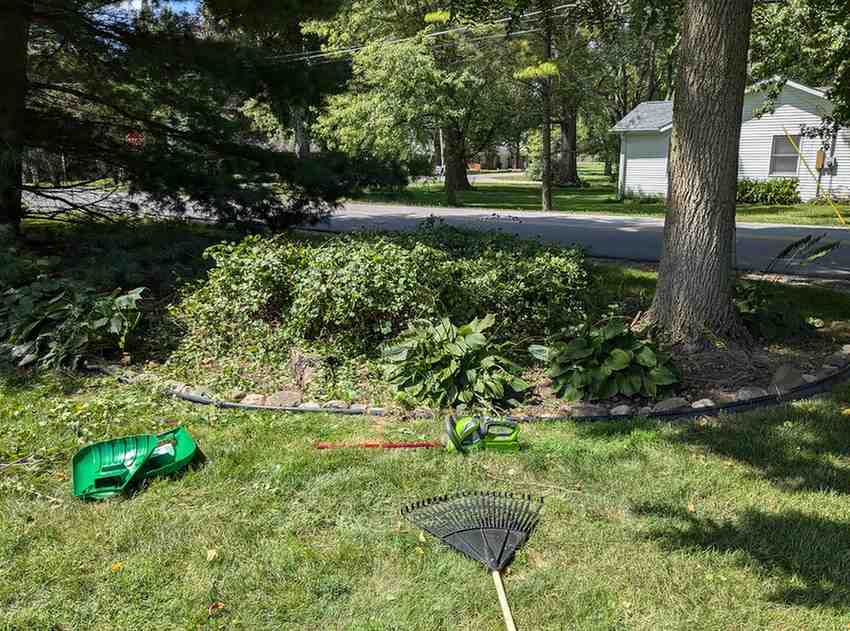
One of the best things about currants and gooseberries is that they tolerate partial shade better than many fruiting shrubs. If you’ve got a side yard that doesn’t get blazing sun all day, these can still perform beautifully. They stay relatively compact, which makes them perfect for smaller gardens where you want structure without overwhelming the space.
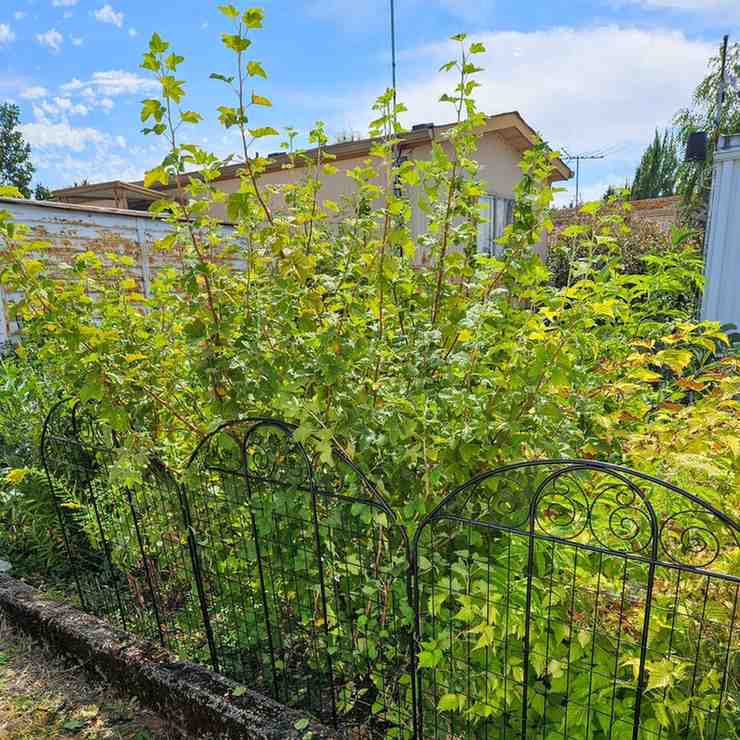
Harvest season feels generous for such small shrubs. Clusters of red, black, or white currants hang like little jewels, while gooseberries plump up into tart-sweet fruit perfect for jams and desserts. To keep them productive, prune out older wood each year to encourage fresh growth. With a little seasonal care, this type of hedge offers privacy, productivity, and a charming cottage-garden feel all at once.
12. Edible Flower Hedge
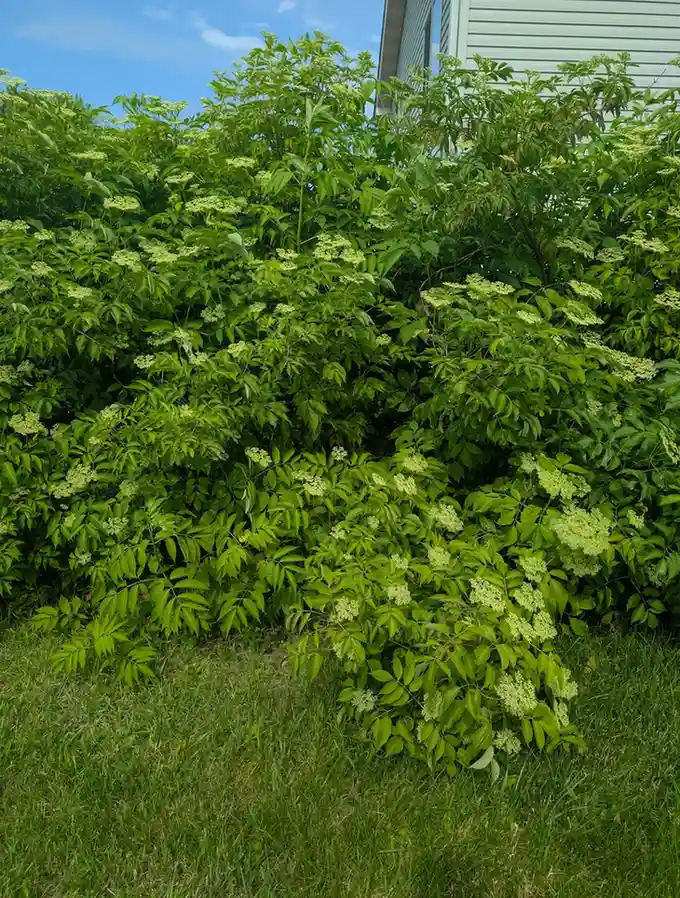
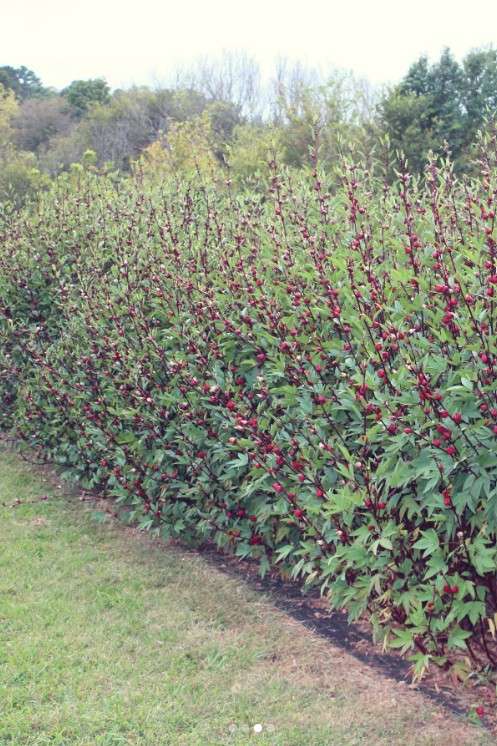
If you want your hedge to feel vibrant and colorful — not just green — an edible flower hedge is such a beautiful twist. Plants like roselle hibiscus, elderberry, or edible rose varieties bring bold blooms, interesting textures, and culinary potential together in one living border. It’s the kind of hedge that feels joyful instead of strictly practical.
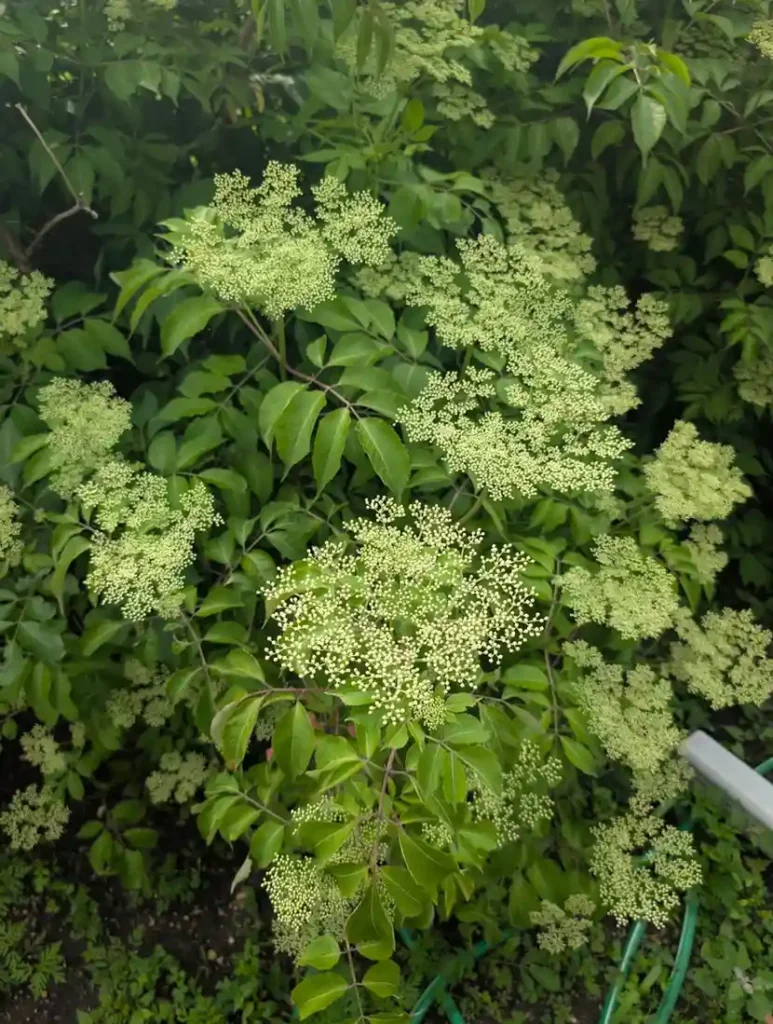
Roselle hibiscus adds a tropical pop and can be used for teas and syrups. Elderberry shrubs offer clusters of creamy blossoms followed by dark berries often used in syrups and preserves. Edible roses bring fragrance and delicate petals that can be used in desserts or dried for tea. It’s not just about privacy — it’s about creating a hedge that engages all your senses.
You can also mix flowering shrubs with fruiting plants for a layered, dynamic look. Imagine berry bushes tucked between flowering elders, or roses weaving through a more structured hedge line. The key is balance — combine heights and bloom times so something is always happening throughout the season. An edible flower hedge turns a simple boundary into a living display that’s as useful as it is beautiful.
Design & Planning Tips for Edible Hedges
Before you start digging holes, it helps to zoom out and think about layout. Spacing is one of the biggest factors in whether your hedge looks lush and full — or crowded and stressed. Smaller shrubs like herbs or lavender can be planted closer together, while fruit trees and nut shrubs need more breathing room for airflow and sunlight. A good rule of thumb? Check the mature width on the plant tag and space accordingly, even if it feels far apart at first. They will fill in.

Soil prep is another step you don’t want to skip. Loosen the soil along the entire hedge line instead of digging isolated holes. Mixing in compost improves drainage, feeds young roots, and sets your hedge up for long-term success. Think of it as building the foundation before putting up the walls.

Layering can also make your hedge look more intentional. Taller plants in the back, medium shrubs in the middle, and low-growing herbs or groundcovers in front create depth and fullness. This works especially well if you’re mixing edible flowers with fruit shrubs. And don’t forget irrigation — a simple drip line running along the hedge saves time and keeps watering consistent, which makes a huge difference during the first couple of growing seasons.

Mixing evergreen plants (like rosemary or citrus in warm climates) with deciduous shrubs (like berries or figs) can also help maintain year-round structure. That way, even in winter, your yard doesn’t suddenly feel exposed.
Maintenance Tips
The secret to a beautiful edible hedge isn’t constant work — it’s consistent, simple care. A basic pruning schedule keeps everything tidy and productive. Most fruiting shrubs benefit from annual pruning to remove old wood and encourage new growth. Herbs and flowering hedges usually just need light trimming after blooming to stay compact.
Feeding your hedge doesn’t have to mean synthetic fertilizers. Compost and mulch go a long way. A layer of mulch helps retain moisture, suppress weeds, and slowly improve soil health over time. It’s one of the easiest upgrades you can make for healthier plants.
For pests, start with gentle methods first. Encouraging beneficial insects, spraying with diluted neem oil if needed, and keeping plants well-spaced for airflow can prevent many common issues. Healthy plants naturally resist problems better than stressed ones.
And remember — every hedge has seasons. Some months it’ll look lush and full. Other times it may look quieter or even a little bare. That’s normal. Edible hedges follow natural rhythms, and part of the beauty is watching them change.
At the end of the day, edible hedges are about combining beauty and function in a way that feels practical and rewarding. Instead of a fence that just marks a boundary, you get something living — something that feeds you, supports pollinators, and changes with the seasons.
You don’t have to plant all twelve ideas at once. Start small. Maybe it’s a short row of herbs near the kitchen door or a berry hedge along one side of the yard. Once you see how satisfying it is to harvest from your own “privacy screen,” you might find yourself expanding naturally.
Even one edible hedge can transform how your yard feels. It turns a simple border into something abundant, welcoming, and full of life — and that’s a pretty beautiful upgrade.
Read Also: