
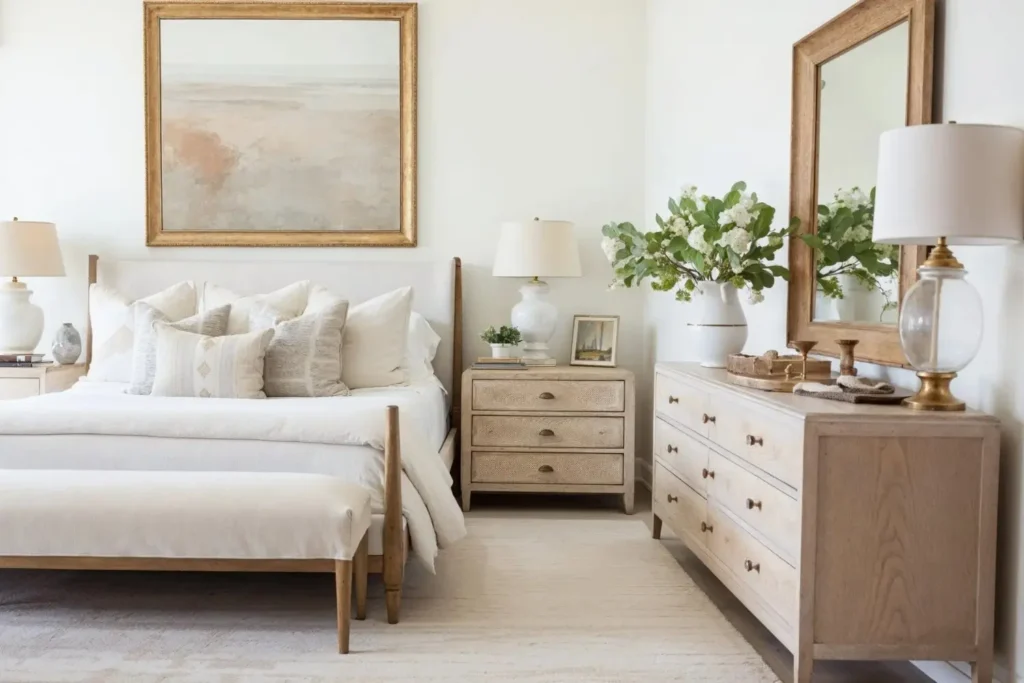
If your bedroom faces north and something about it always feels a little off, you’re not imagining it. North-facing bedrooms are honestly one of the trickiest spaces to get right. They don’t get that warm, golden sunlight that makes almost any paint color look good. Instead, the light is cooler and more muted, which means the wrong paint color can feel dull, gray, or even a little depressing—especially in a space where you’re supposed to relax.

The thing about north-facing light is that it’s indirect all day long. There’s no moment where the sun really pours in and warms things up. So paint colors tend to show their truest (and sometimes least flattering) side.
Cool colors can feel icy, whites can look gray, and neutrals that looked perfect in the store suddenly feel flat on your walls.
That’s exactly why this guide matters. I’m not here to tell you to “just add white” and hope for the best. I’m walking you through colors that actually work in north-facing bedrooms—shades with the right warmth and balance so your room feels cozy, calm, and inviting instead of cold. Think soft, flattering colors that still feel timeless, not trendy or risky.
How North-Facing Light Impacts Paint Color
Here’s the deal with north-facing light: it’s cool, soft, and pretty shadow-heavy. You won’t see strong highlights or warm glow, even in the middle of the day. Instead, the light stays consistent and slightly gray-toned, which means your paint color doesn’t get any help from the sun. What you put on the wall is what you’ll see—no filter.

That’s why some colors that look beautiful on Pinterest or in a sunny showroom fall completely flat in a north-facing bedroom. Cool grays can turn blue, crisp whites can look dingy, and certain beiges can feel muddy. It’s not that the color is bad—it’s just not supported by the light in the room.
This is where undertones become everything. Warm undertones (think subtle beige, cream, or even a hint of red) help counteract the cool light and make a room feel more balanced. Cool undertones can work, but only if they’re softened or muted. Neutral undertones are often the safest option because they don’t swing too cold or too warm when the light changes.
Before you commit to anything, do yourself a favor and test your colors properly. I always tell friends to use sample boards instead of painting straight on the wall—you can move them around and see how the color behaves in different corners.
Check it in the morning, afternoon, and at night with your lamps on. If it still looks good at all three times, that’s your winner. Trust me, this step alone will save you from repainting later.
If you want, I can also help you narrow this down to specific paint colors that are foolproof for north-facing bedrooms—or recommend lighting tricks that make these colors look even better.
What to Look for in the Best Paint Colors for a North-Facing Bedroom
If we were standing in your bedroom together, coffee in hand, this is the part where I’d say: don’t panic, you just need the right kind of color. North-facing rooms aren’t impossible—they just need a little strategy.

First, pay attention to undertones. This matters more than the color family itself. Warm or greige undertones are your best friends here because they quietly cancel out that cool, grayish daylight. I’m talking about colors that lean slightly creamy, beige, or even a touch mushroomy—not anything obviously yellow or pink. These undertones help the room feel balanced instead of chilly.
Next, think medium-to-light depth. Super dark colors can feel heavy in north-facing light, especially in a bedroom. On the flip side, ultra-bright whites can look flat and gray. That sweet spot is a light-to-mid tone that still reflects light but has enough pigment to feel intentional and cozy.
You also want soft contrast, not high drama. North-facing bedrooms shine when the palette is gentle—nothing too stark between walls, trim, and furniture. Subtle contrast keeps the space warm and layered without making it feel cold or sterile.
And finally, let’s talk finish, because it really does make a difference. I usually lean toward eggshell for bedroom walls in north-facing rooms. It reflects just enough light to keep things from looking dull, but it’s not shiny or distracting. Matte can be beautiful and moody, but in north-facing light it can sometimes absorb too much brightness unless the room is large or very well-lit with lamps.
The 5 Best Paint Colors for a North-Facing Bedroom
This is where it gets fun—these are the color types I consistently recommend when friends ask why their north-facing bedroom feels off.
1. Warm White

Warm whites are almost always better than stark whites in a north-facing bedroom. Pure whites tend to go gray and lifeless without sunlight, while warm whites keep that soft, cozy glow—even on cloudy days.
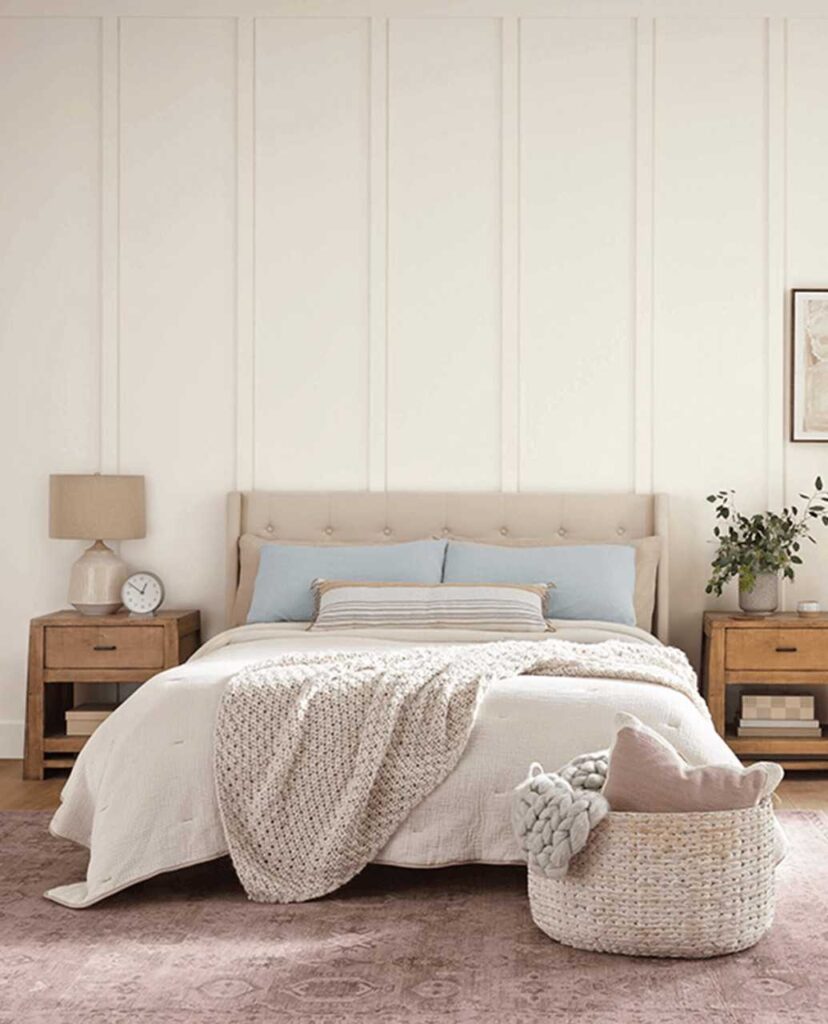
Look for whites with creamy, beige, or subtle greige undertones. Nothing too yellow—just enough warmth to keep the room feeling inviting. These are perfect for small bedrooms, minimalist spaces, or if you love a light, airy look but don’t want your walls to feel cold.
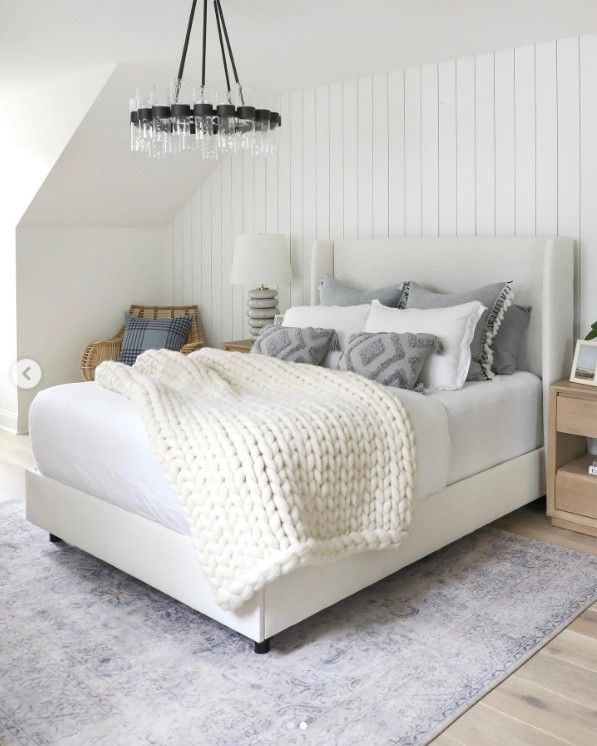
2. Light Greige
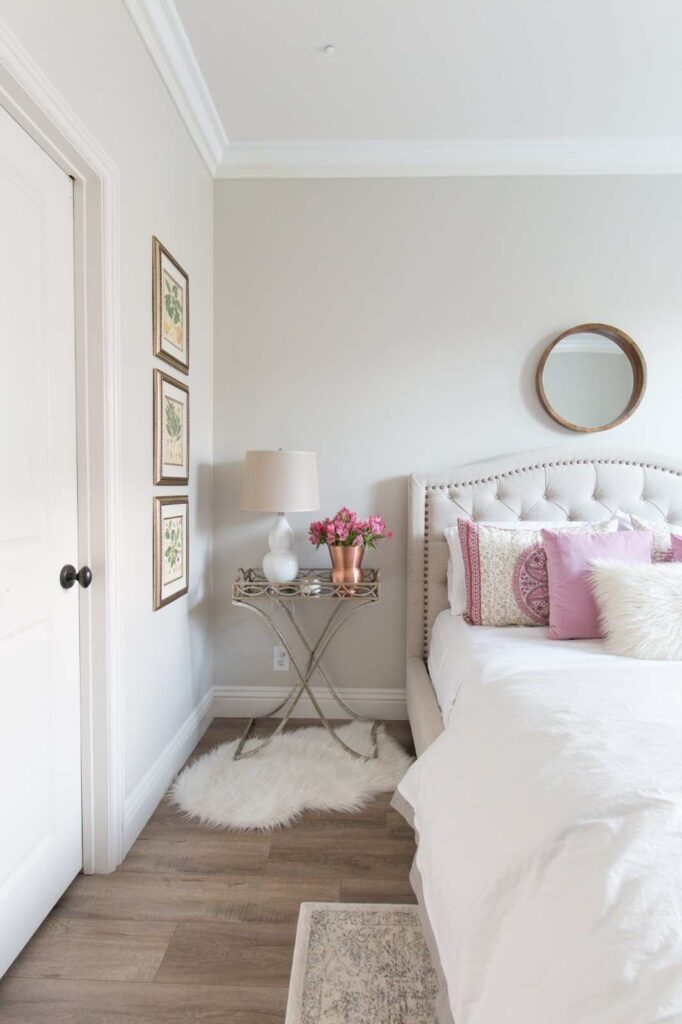
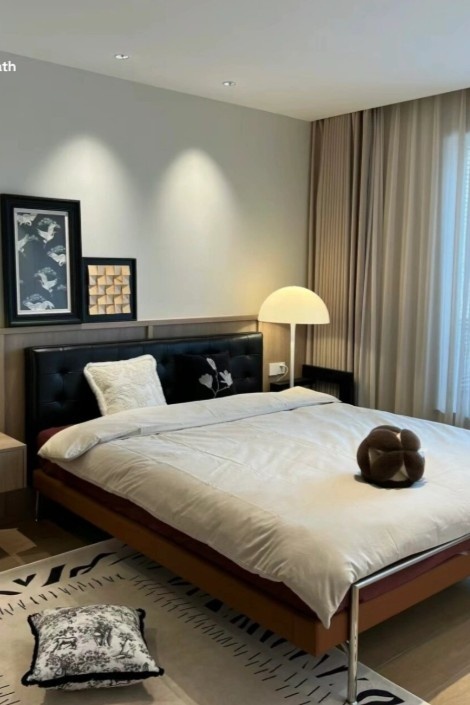
Greige is honestly a hero color for north-facing rooms. It’s that perfect blend of gray and beige that gives you warmth and softness at the same time. You get depth without the heaviness of a darker color.

Light greige works beautifully because it doesn’t fight the cool light—it balances it. The room still feels bright, but with more dimension than white. This is my go-to recommendation for modern or transitional bedrooms, especially if you want something neutral but not boring.
3. Soft Neutral Beige

Yes, beige is back—and north-facing bedrooms are exactly where it shines. The key is choosing a beige that’s soft and muted, not yellow or orangey.
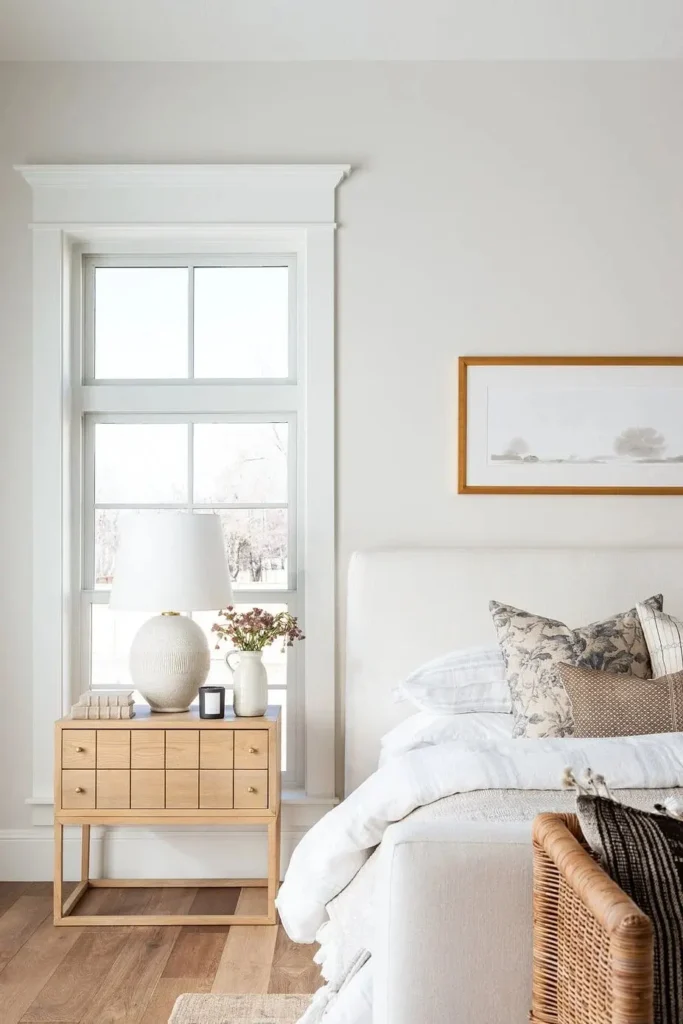
A good beige adds warmth instantly and makes the room feel comfortable and timeless. It’s ideal if you want your bedroom to feel calm and cozy without leaning trendy. This is perfect for classic, layered bedrooms with textured bedding, warm wood, and soft lighting.
4. Muted Blue-Gray
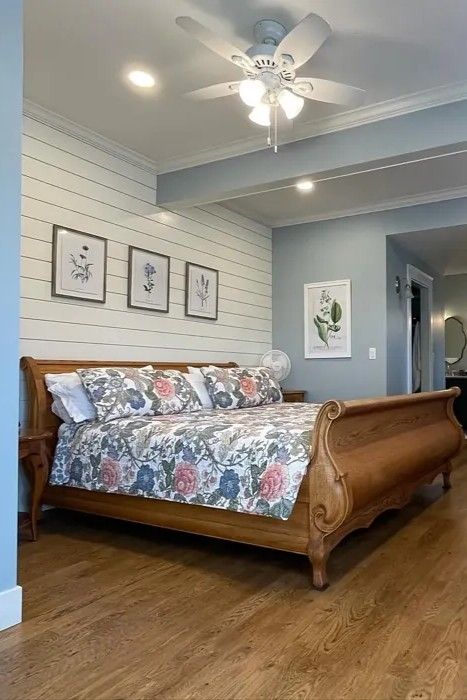
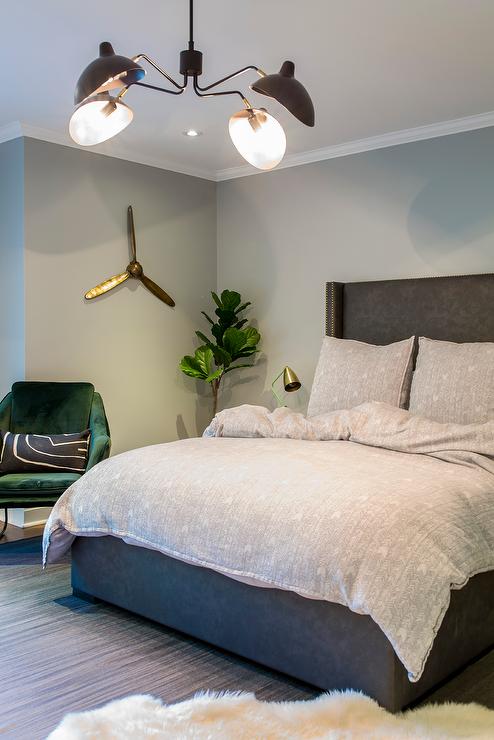
If you love blue but worry about it feeling icy, this is the category to look at. The trick is choosing a muted blue with gray or green undertones, not a crisp or coastal blue.
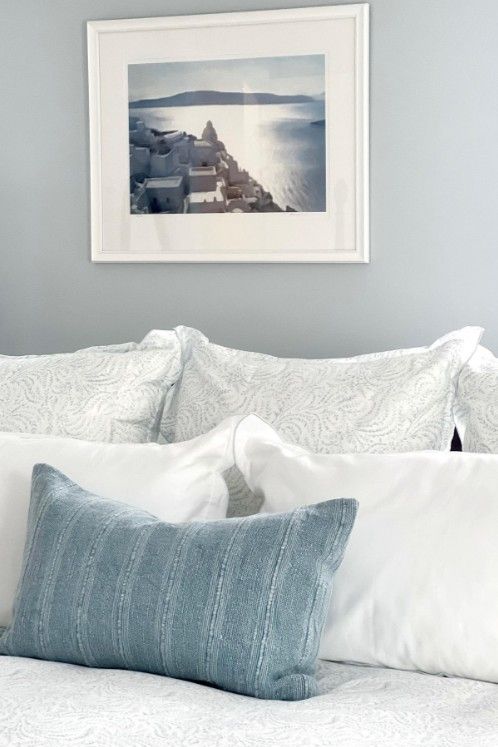
These softer blue-grays feel serene instead of cold, especially when paired with warm lighting and natural textures. They’re amazing for creating a spa-like, calming bedroom, especially if you want a little color without overwhelming the space.

5. Warm Taupe or Mushroom Tone
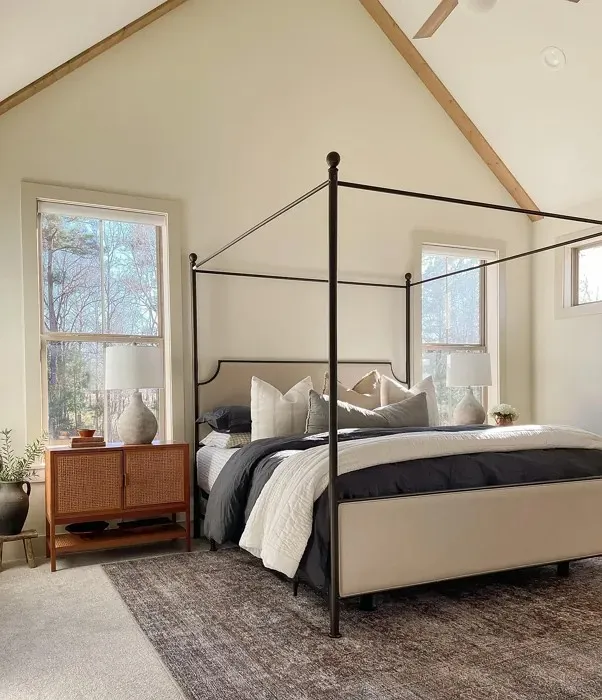
This one surprises people, but deeper neutrals can absolutely work in north-facing bedrooms—especially if the room is a good size. Warm taupes and mushroom tones add richness and depth without feeling dark or heavy.

These colors shine when you want a more sophisticated, cozy vibe. They pair beautifully with layered bedding, darker woods, and soft accent lighting. I love these for larger bedrooms or spaces where you want that enveloping, boutique-hotel feel.

Paint Color Mistakes to Avoid in North-Facing Bedrooms
Okay, let me save you from a few mistakes I see all the time—even with really pretty homes.
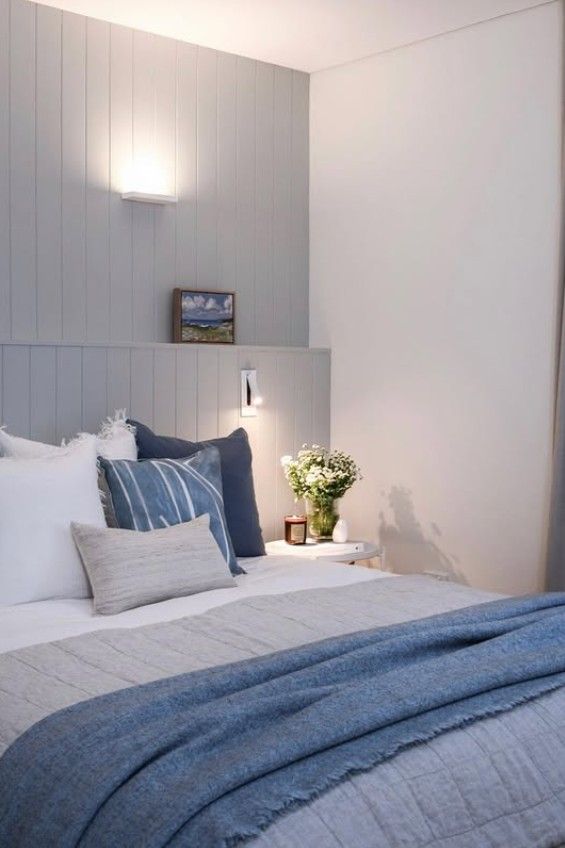
First big one: cool whites and icy grays. They look amazing online and in bright, sunny rooms, but in a north-facing bedroom they almost always turn flat, gray, or slightly blue. Instead of feeling clean and calm, the room ends up feeling cold and a little lifeless. If a color is described as “crisp,” “bright,” or “cool,” I usually tell friends to pause and test it very carefully.
Another common mistake is choosing a color without testing it in real light. Paint chips lie. Store lighting lies. Even online photos lie. North-facing light is very specific, and the only way to know how a color will behave is to see it in your room, on your walls, throughout the day. Skipping this step is how people end up repainting two weeks later.
I also see people ignoring how the ceiling and trim interact with the wall color. In north-facing rooms, contrast gets stronger. A bright white ceiling or trim can suddenly look harsh against a softer wall color. Sometimes slightly warming up the ceiling or using a softer white on trim makes the whole room feel more cohesive and intentional.
And finally—going too dark without enough contrast. Darker colors can work, but only if the room has balance. Without lighter bedding, rugs, furniture, or good lighting, a deep color can make a north-facing bedroom feel heavy or cave-like. Depth is great; heaviness is not.
How to Test Paint Colors in a North-Facing Bedroom
This is the part I always tell friends not to rush—testing properly changes everything.
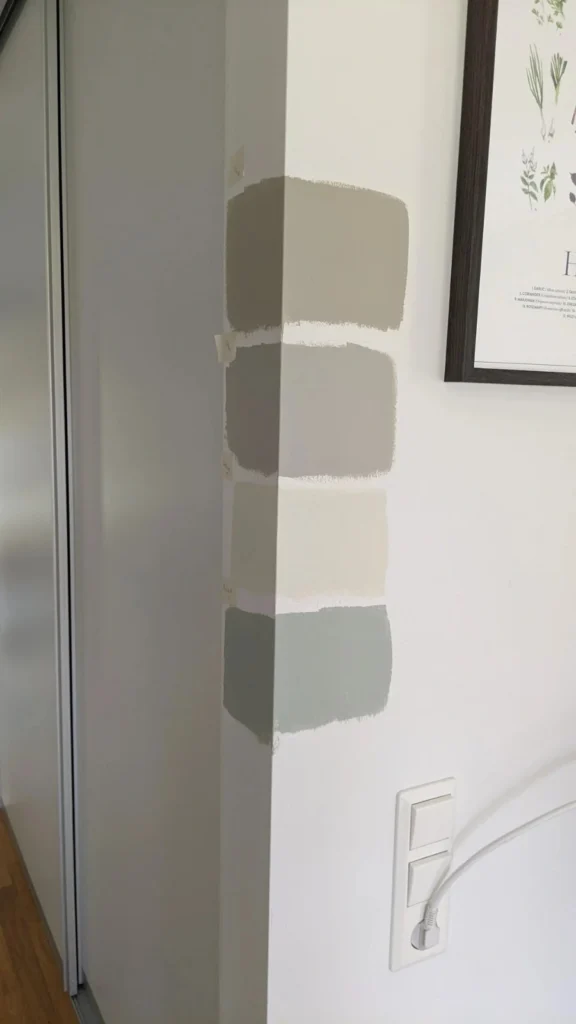
I prefer sample boards over painting straight on the wall. Grab a few poster boards, paint them with your sample colors, and move them around the room. North-facing bedrooms have uneven light, so a color that looks good on one wall might feel totally different on another. Boards let you see that without committing.
Make sure you check the colors morning, afternoon, and night. North-facing light stays fairly consistent, but artificial lighting at night changes everything. A color that feels warm and cozy during the day can suddenly look muddy or dull under lamps. If it still looks good in the evening, that’s a really good sign.
And don’t forget—your furniture, flooring, and bedding all affect how paint looks. Warm wood floors can make a neutral feel warmer. White bedding can make contrast stronger. Gray carpets can pull cool tones forward. I always tell friends to hold sample boards next to the bed, dresser, and rug so you see how everything plays together.
If a color looks balanced next to your furniture, soft in daylight, and cozy at night—you’ve found the one.
If you want, I can help you narrow this down to one or two “safe bet” colors based on your room size, flooring, and style so you don’t have to second-guess it.
Styling Tips to Enhance Paint Colors
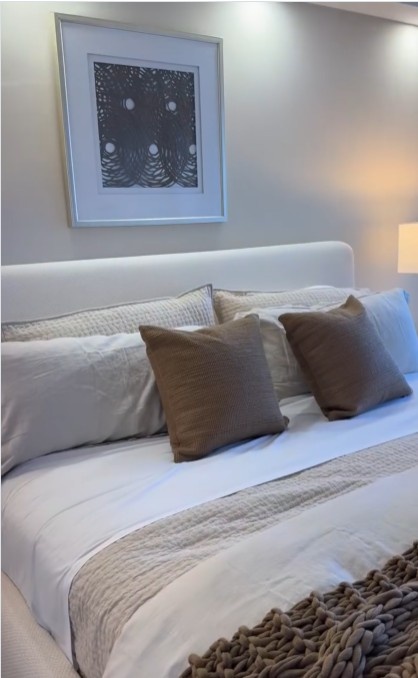
Once you’ve picked the right paint color, styling is what really makes a north-facing bedroom come alive. This is where you can gently warm things up and make the space feel intentional instead of flat.
Start with lighting—this one is huge. North-facing bedrooms absolutely need warm bulbs. I always recommend soft white or warm white bulbs (around 2700K) instead of daylight bulbs. Layer your lighting too: bedside lamps, a floor lamp, maybe even a small accent lamp on a dresser. That warm glow balances out the cool daylight and makes your paint color feel richer and more inviting, especially at night.
Next, think about wood tones and textiles. Warm woods like oak, walnut, or even lightly weathered finishes add instant coziness. If your furniture leans cooler, you can soften it with textiles—think linen bedding, wool throws, woven rugs, or anything with texture. These materials catch light differently and keep the room from feeling flat.
When it comes to accent colors, softer and warmer is usually better. Creams, camel, soft taupe, muted terracotta, dusty blush, and even warm greens pair beautifully with north-facing wall colors. You don’t need a lot—just a few pillows, a throw, or some artwork is enough to bring warmth and personality into the room without overwhelming it.
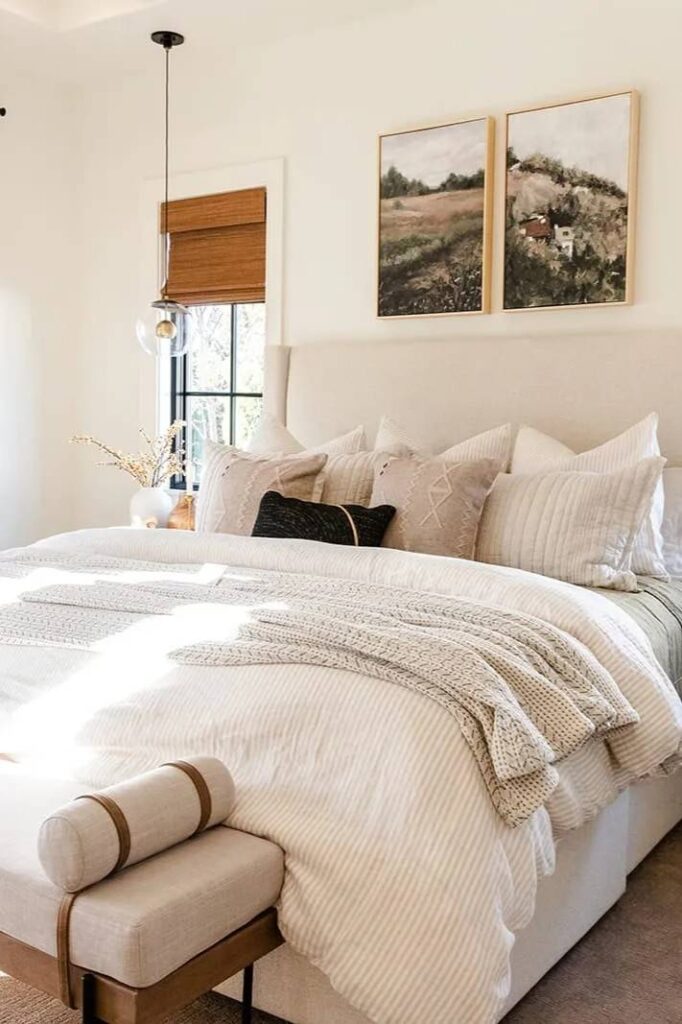
If there’s one thing I want you to take away, it’s this: undertone matters more than the color name. Two colors can look almost identical on a swatch, but one will feel cozy and balanced in a north-facing bedroom while the other looks cold and dull. Always trust how the color behaves in your light, not how it’s labeled.
And please—test before you commit. I know it feels like an extra step, but it saves so much frustration later. North-facing rooms are honest spaces. They’ll tell you right away if a color works or not.
The good news? North-facing bedrooms can be incredibly beautiful. When you choose the right paint color and style it thoughtfully, these rooms feel calm, restful, and timeless—perfect for a space meant to help you unwind. With the right warmth and balance, your bedroom can feel cozy all day long, even without direct sunlight.
If you want help pulling it all together—paint, lighting, and styling—I’m always happy to help you fine-tune the final look.
Read Also: