
Let’s be honest — the space above the bed is one of the most awkward decorating spots in the entire bedroom. It’s big. It’s blank. And if you leave it empty, the whole room can feel a little unfinished… like you forgot something.
But here’s the thing: that wall matters more than most people realize.
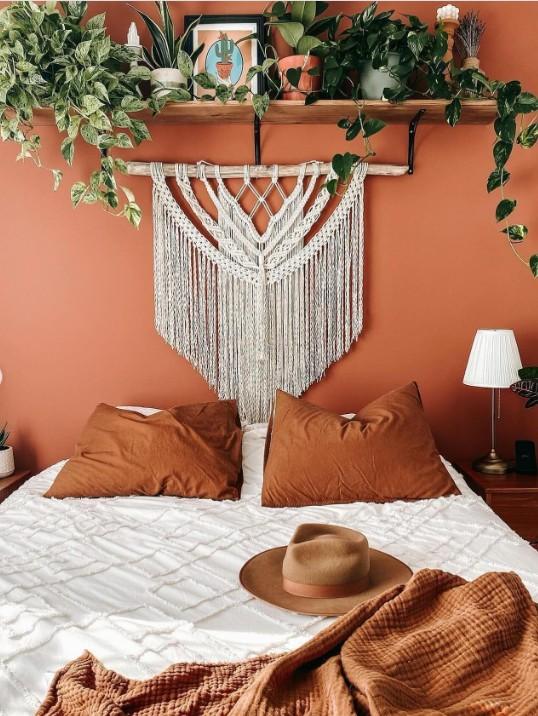
Your bed is usually the largest piece of furniture in the room. Naturally, your eyes go straight to it when you walk in. And whatever sits above it? That becomes the visual anchor of the entire space. It’s what frames your bed and quietly sets the tone for everything else — cozy, dramatic, minimal, romantic, modern… you name it.
When the wall above your bed is thoughtfully styled, the whole bedroom instantly feels more pulled together. More intentional. More “designed,” even if you didn’t hire a designer.
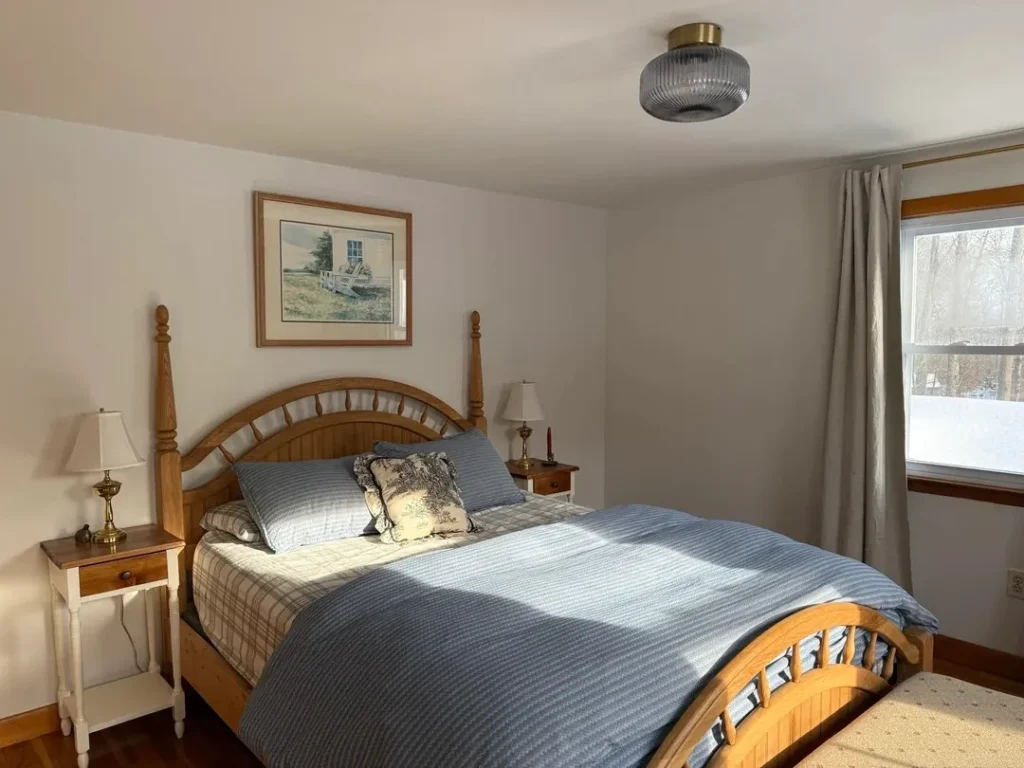
Before you start hanging anything, though, there are three simple things to keep in mind: scale, height, and balance.
- Scale: Tiny artwork over a king-size bed will look lost. Oversized pieces over a twin can feel overwhelming. Proportion is everything.
- Height: Aim to hang artwork about 6–10 inches above the headboard so it feels connected, not floating awkwardly.
- Balance: Think about visual weight. If your bedding is bold, you might want something simpler above. If your bed is neutral, that wall is your chance to make a statement.
Once you understand those basics, decorating this space becomes a lot less intimidating — and a lot more fun.
1. Statement Artwork
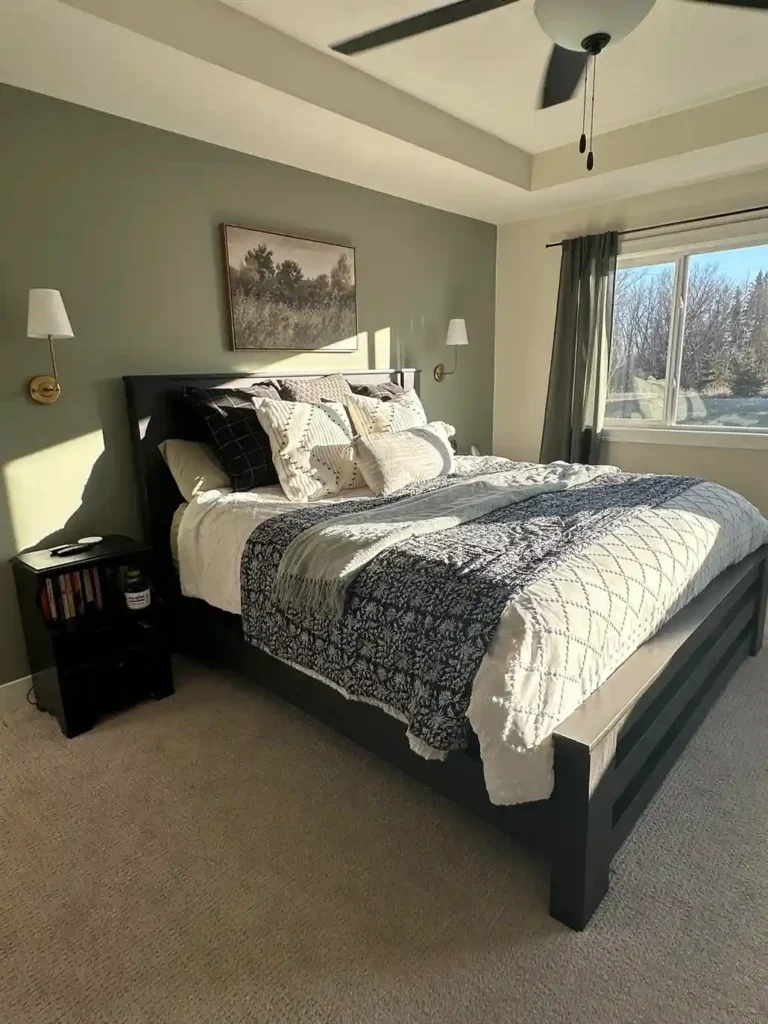
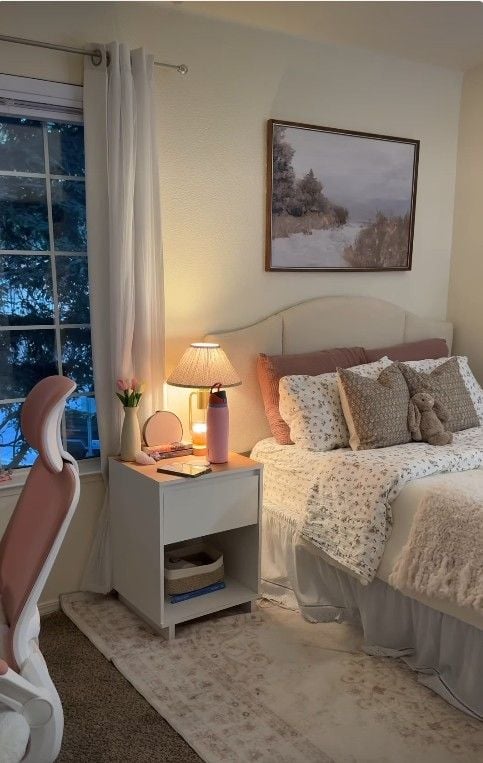
If you want a simple, foolproof way to make the space above your bed look intentional, one oversized art piece is it. Instead of juggling multiple frames or worrying about spacing, you choose one strong piece and let it shine. It instantly creates a focal point and makes the whole room feel more polished — like you planned it that way from the start. Big art feels confident. It anchors the bed and gives your eye somewhere to land the moment you walk in.
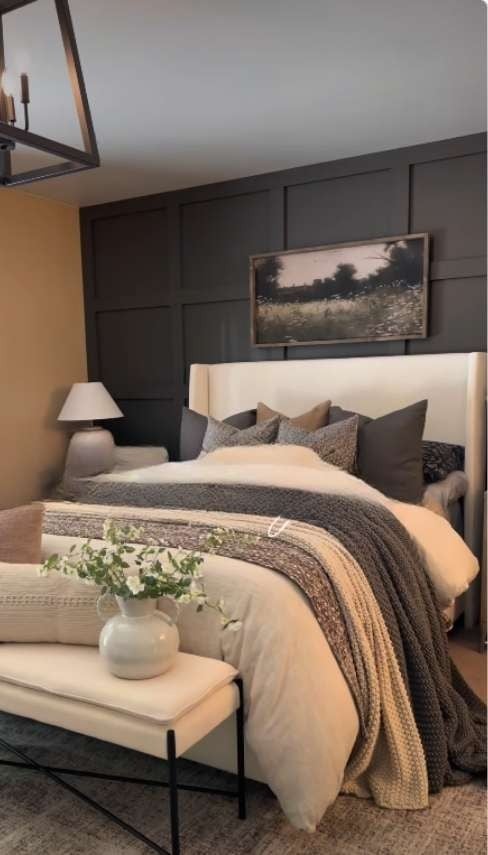
When it comes to sizing, here’s the sweet spot designers swear by: aim for artwork that’s about two-thirds the width of your bed. So if you have a queen bed, your art should be wide enough to feel substantial, but not so wide that it stretches past the nightstands. Too small is the most common mistake — it makes the wall feel empty and disconnected. And don’t hang it too high; keep it visually tied to the headboard so it feels grounded, not floating awkwardly near the ceiling.
2. Gallery Wall Above the Bed
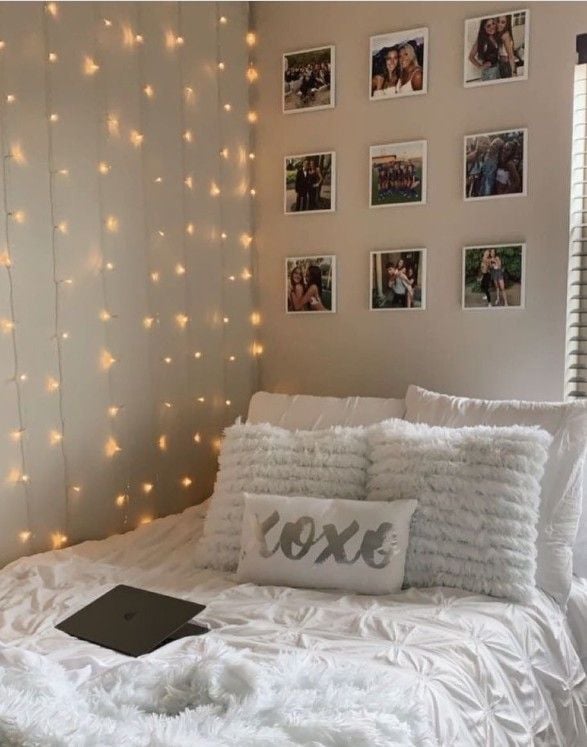
A gallery wall above the bed is perfect if you love a layered, collected look. It instantly makes the room feel more personal — like you actually live there, not just a catalog version of a bedroom. If you prefer things neat and balanced, a structured grid layout (where frames line up evenly) feels clean and calming. It works beautifully in modern or minimalist spaces.
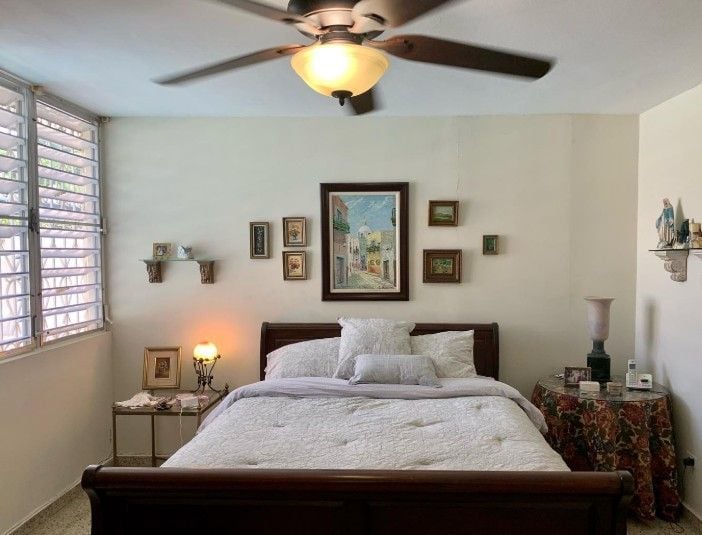
On the other hand, an organic layout — where frames vary in size and spacing — feels relaxed, creative, and a little more lived-in. There’s no right or wrong here. It really depends on whether your personality leans more “Type A” or “creative chaos.”
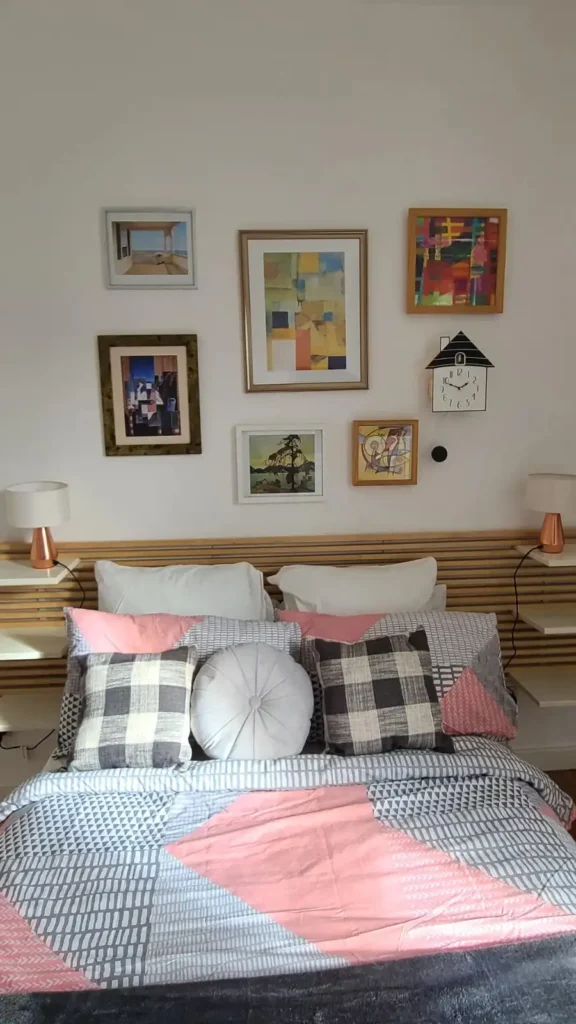
The magic happens when you mix things up. Combine framed photos, art prints, typography, maybe even a small wall sculpture or woven piece. That variety adds depth and keeps it from looking flat or boring. Family photos next to abstract art? Totally fine. Vintage botanical prints paired with black-and-white photography? Even better. Just make sure there’s a thread tying everything together — whether that’s color, frame style, or overall mood.
3. Oversized Mirror
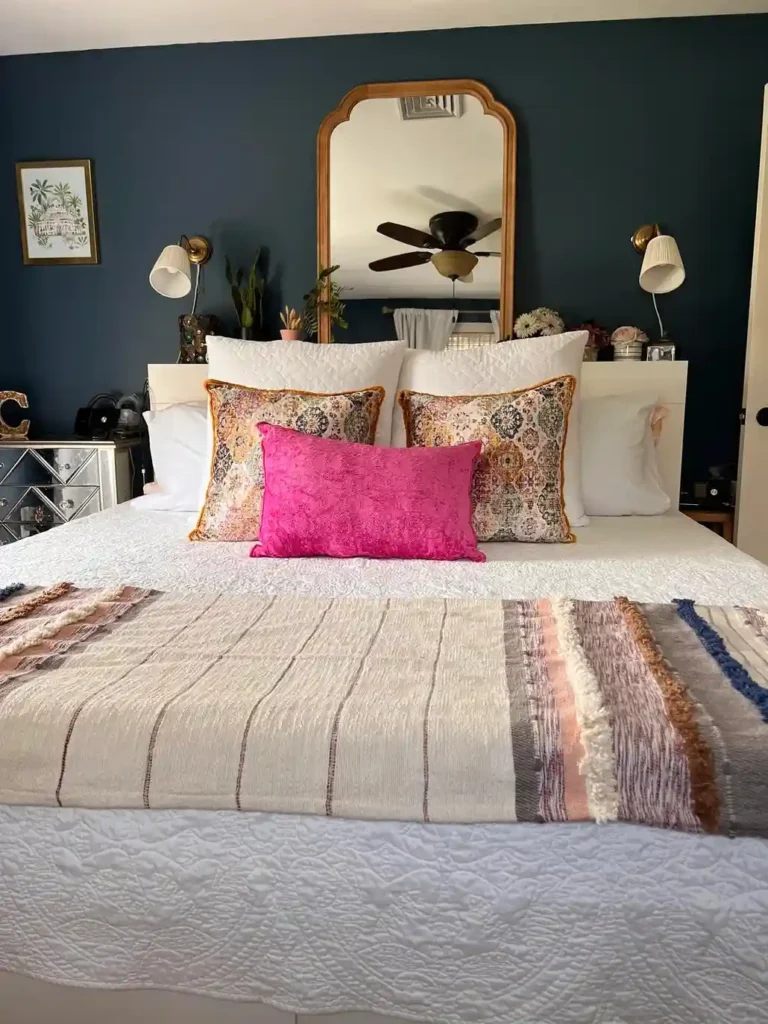
If your bedroom feels even slightly tight on space, an oversized mirror above the bed can be a total game-changer. Mirrors create the illusion of depth, which makes small rooms instantly feel bigger and more open. It’s one of those design tricks that works almost every time. Instead of adding more visual clutter, you’re actually expanding the space visually.
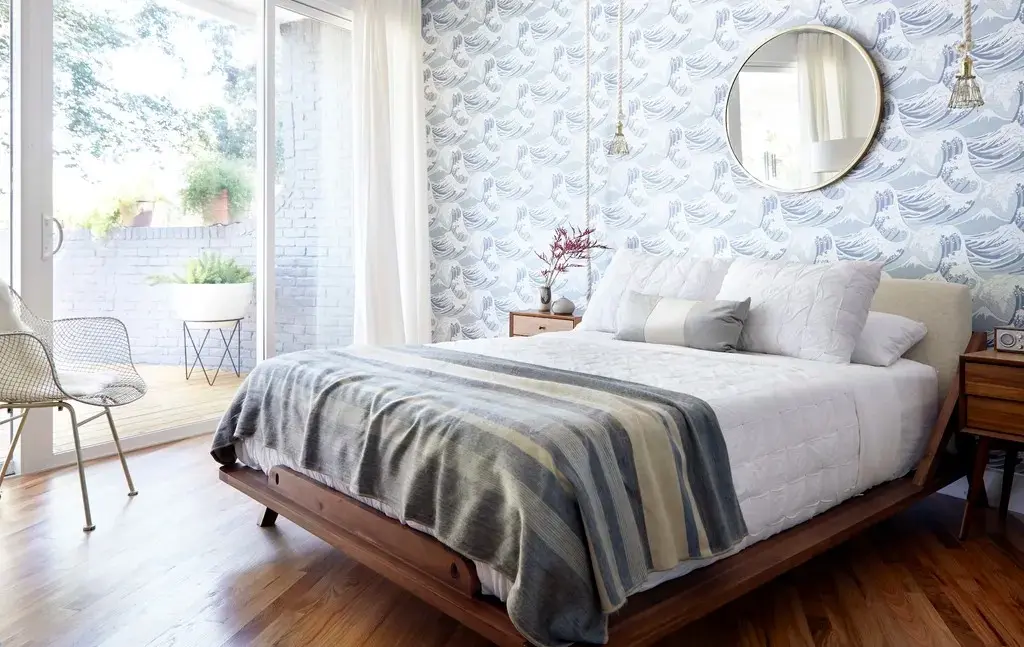
Mirrors also reflect light — and that’s huge. Natural light bouncing off a mirror can brighten up a darker bedroom in seconds. If you position it across from a window or near a lamp, it amplifies that glow and makes the room feel softer and more inviting. It’s especially helpful in bedrooms that don’t get a ton of sunlight.
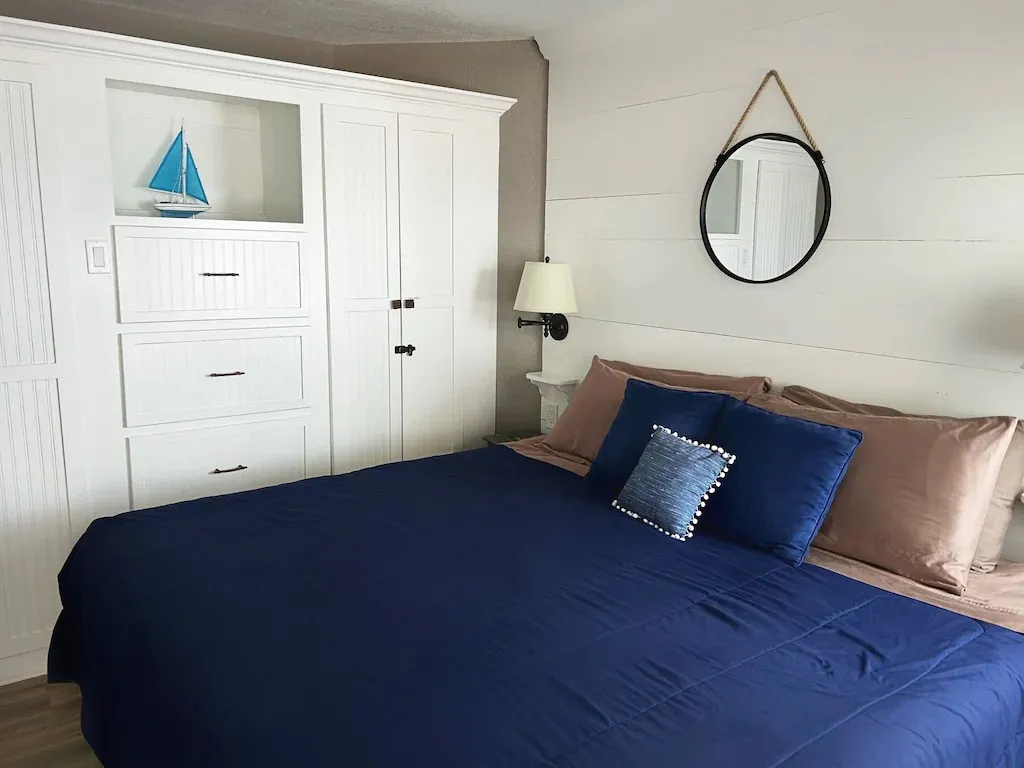
4. Floating Shelves
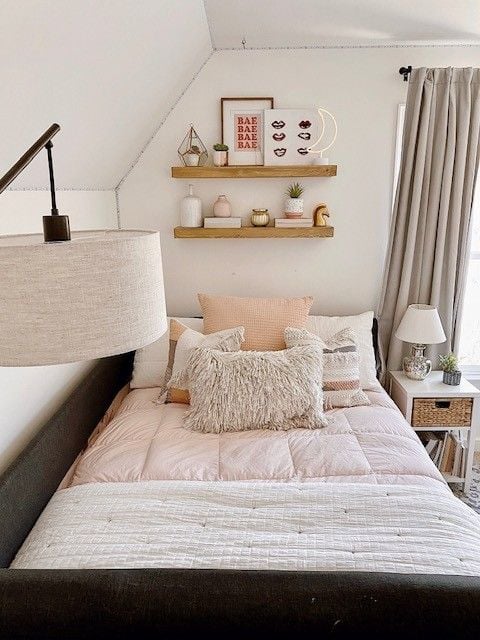
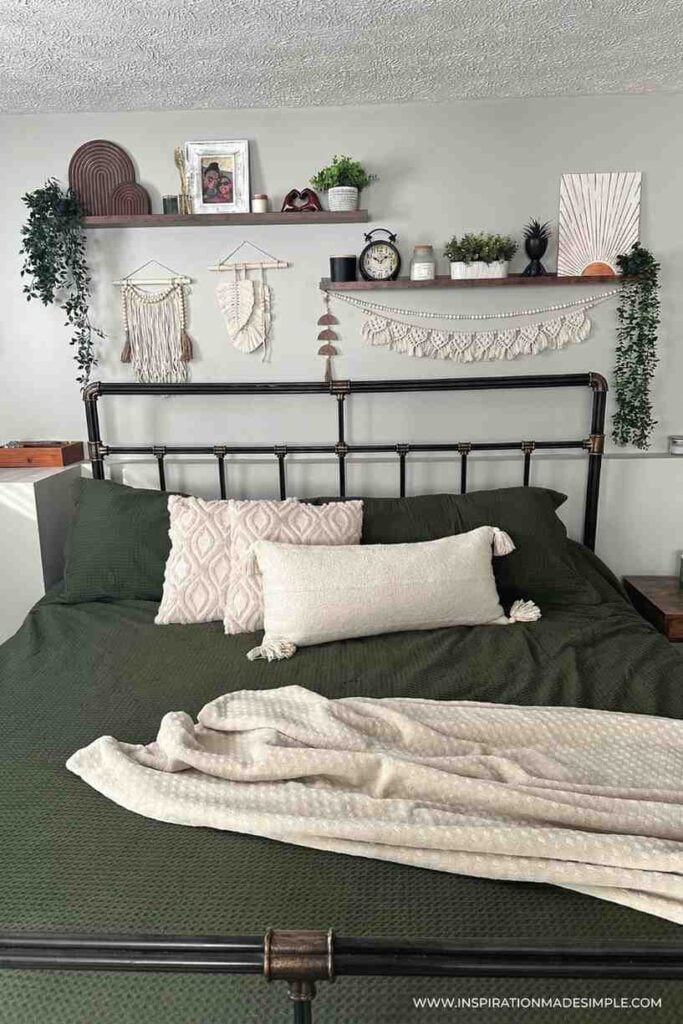
Floating shelves above the bed are one of those ideas that feel both stylish and practical. They give you space to decorate without taking up floor space — which is especially helpful in smaller bedrooms. Styling them is where the fun begins. Stack a few favorite books horizontally, add a small trailing plant, and lean a framed print against the wall instead of hanging it. That mix of heights and textures instantly makes the space feel thoughtful rather than random.
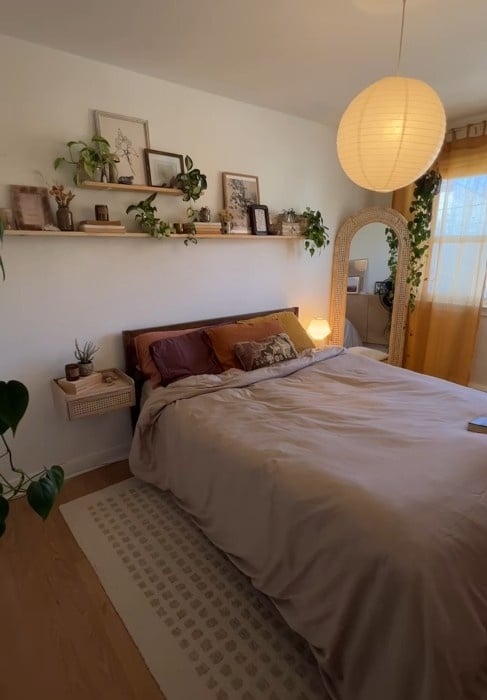
Layering is what keeps shelves from looking flat. Instead of lining everything up in a single row, place taller items toward the back and smaller pieces slightly in front. Lean art instead of mounting it directly on the wall — that casual overlap creates depth. You can even vary materials: wood frames, ceramic vases, woven baskets, glass pieces. The goal isn’t perfection; it’s creating little “moments” that feel collected over time.
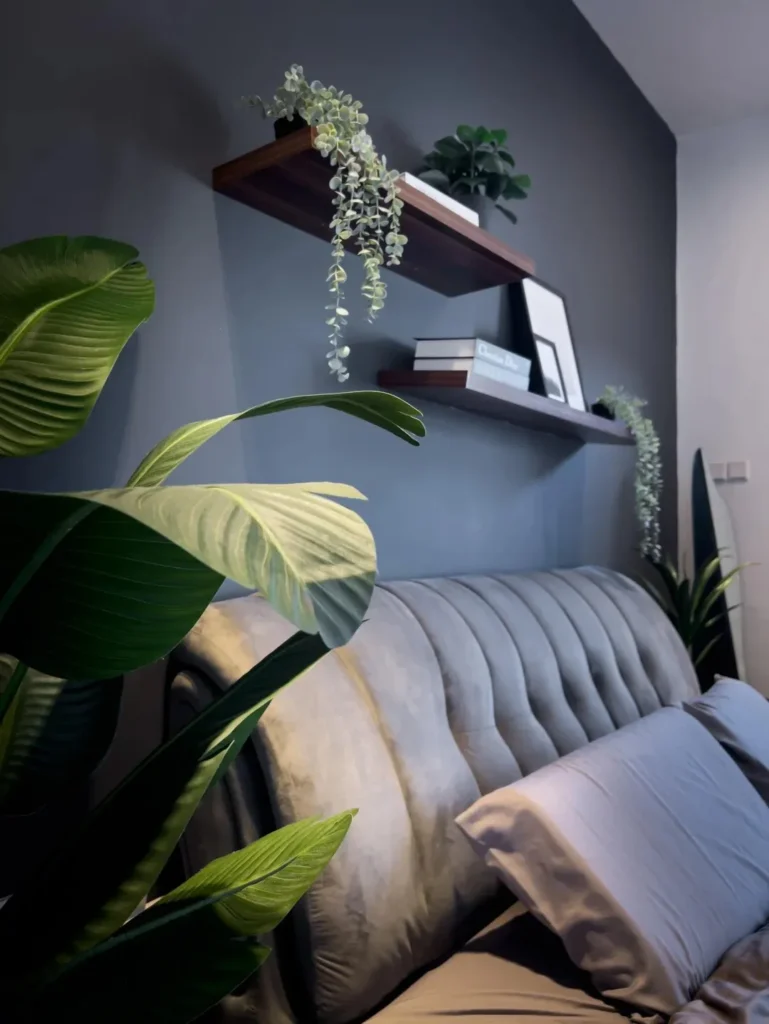
5. Statement Headboard Extension
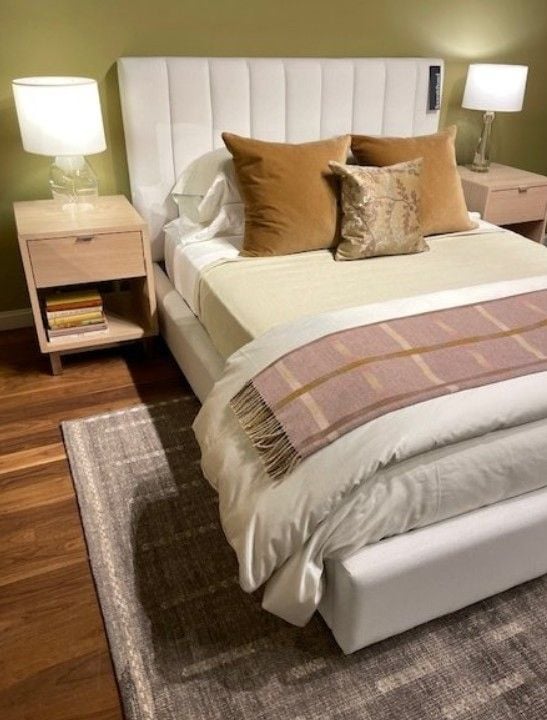
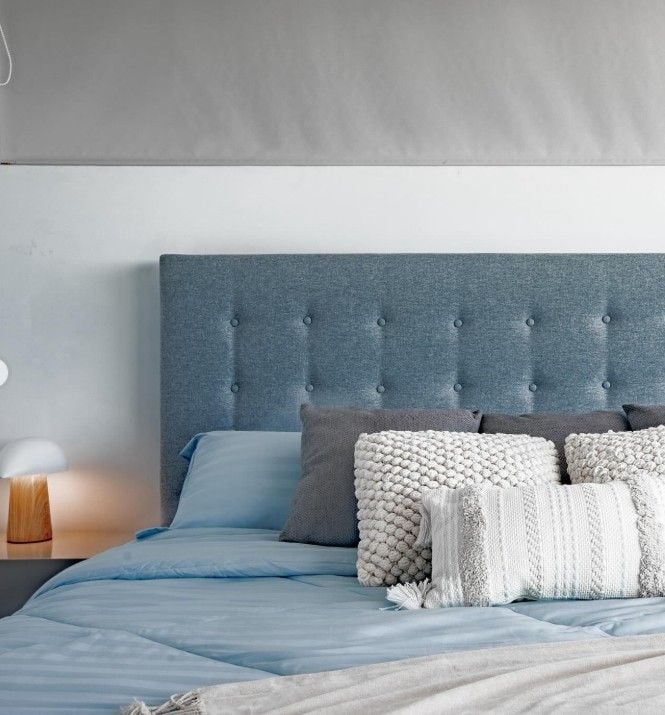
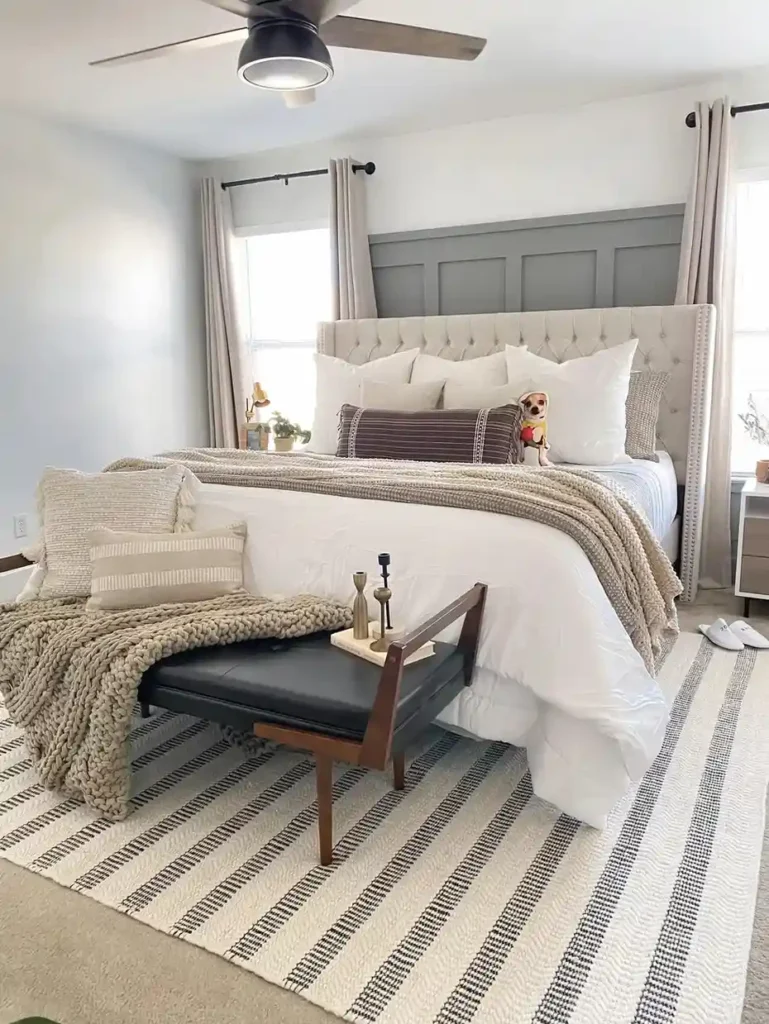
If you want your bed wall to feel intentional — like it was designed, not just decorated — a statement headboard extension is such a powerful move. An extra-tall upholstered headboard instantly adds drama and softness at the same time. It makes the bed feel luxurious and grounded, almost like a boutique hotel moment right in your own home. Plus, it visually stretches the wall upward, which can make ceilings feel higher (always a win).
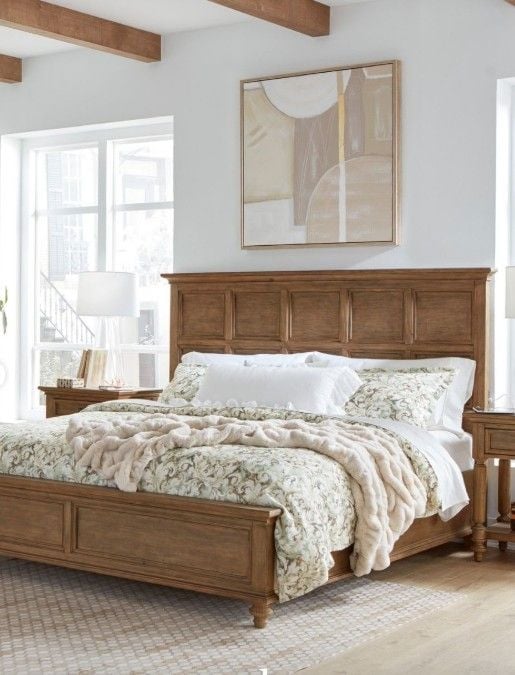
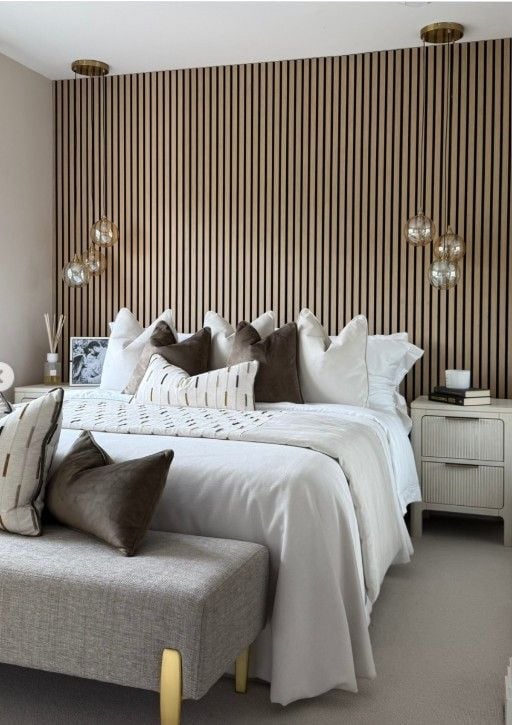
If upholstery isn’t your thing, extending the headboard look with wood slats or paneling creates a beautiful architectural backdrop. Vertical slats add warmth and subtle texture without overwhelming the room. Paneled walls, whether painted the same color as the room or slightly darker, feel custom and elevated. The best part? You often don’t need additional art because the wall itself becomes the feature. It’s clean, cohesive, and incredibly impactful.
6. Accent Wall or Wallpaper
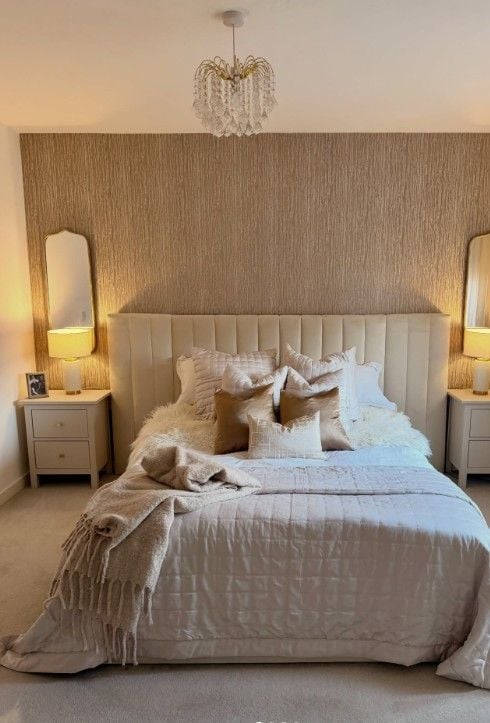
An accent wall behind the bed is one of those design choices that instantly changes the mood of a bedroom. It draws attention to the bed — which is the natural focal point anyway — and gives the room personality without overwhelming all four walls. Bold wallpaper prints are especially fun here. Florals, abstract patterns, moody botanicals, or even subtle textured designs can add depth and character. It’s a great way to show a little personality without committing to an entire patterned room.
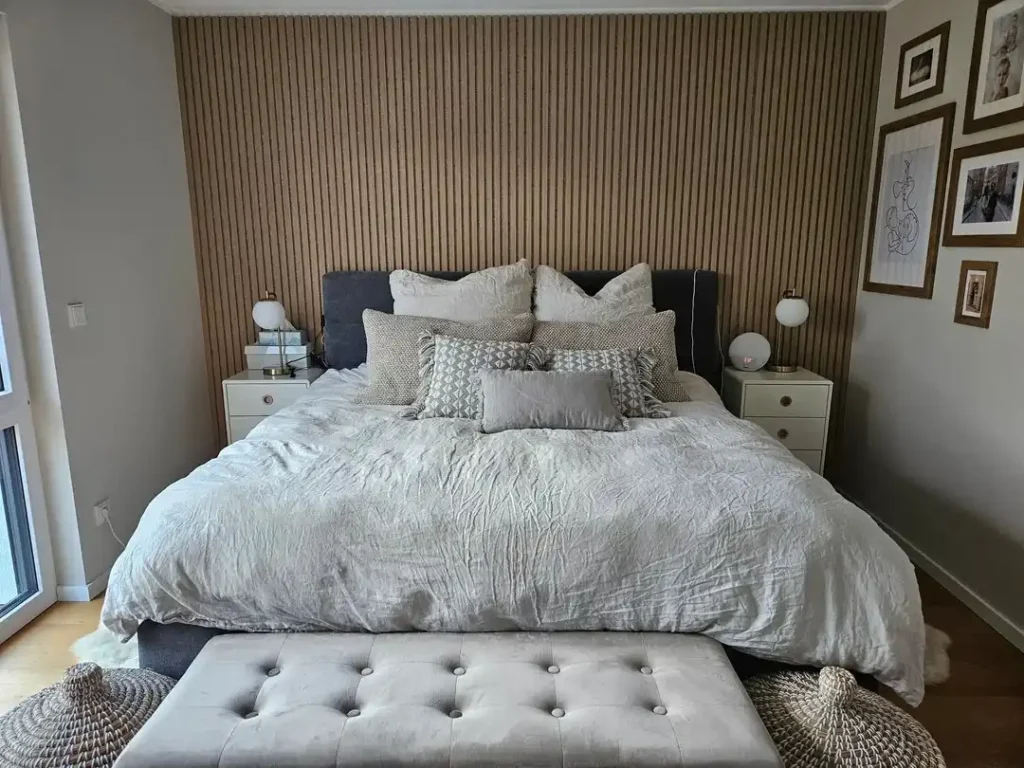
If wallpaper feels like too much, wood paneling or shiplap is a timeless alternative. It adds texture while keeping things calm and cohesive. Painted in white, it feels airy and coastal. Painted in a deeper tone, it feels cozy and sophisticated. Paneling gives that “built-in” vibe that makes a bedroom feel thoughtfully finished instead of pieced together.
7. Woven Wall Hangings or Tapestries
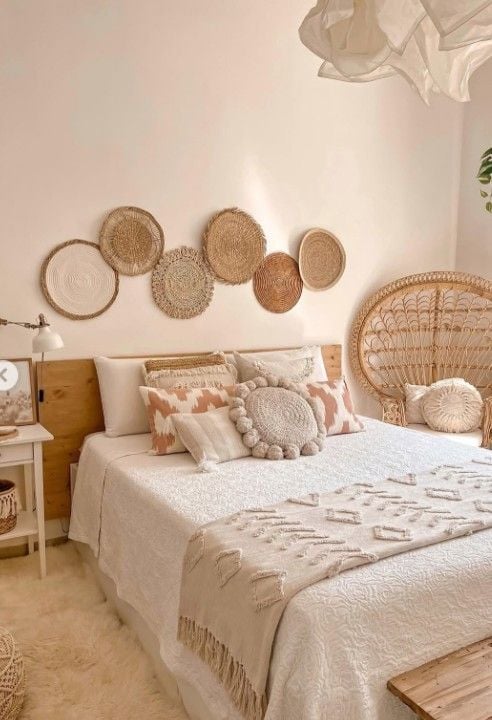
If your bedroom feels a little flat or “hard,” woven wall hangings and tapestries are such an easy way to soften things up. All that texture instantly makes a space feel warmer and more inviting — especially if you have a lot of smooth surfaces like painted walls, metal frames, or sleek furniture. There’s something about fabric on the wall that just feels cozy. It absorbs sound a bit, adds visual depth, and makes the room feel layered instead of one-dimensional.
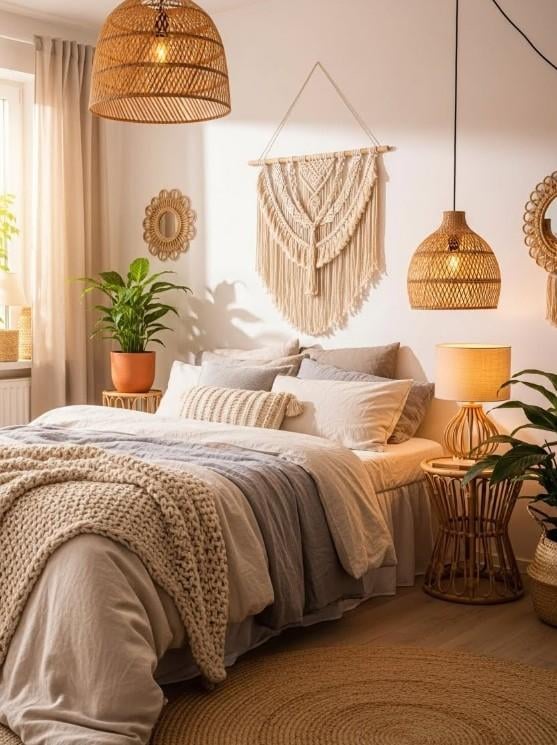
They’re especially perfect for boho, relaxed, or nature-inspired spaces. Macramé pieces, neutral woven textiles, or even vintage-style tapestries bring that laid-back, collected-over-time vibe. You don’t have to go super colorful unless you want to. Even simple cream, beige, or soft earth tones can make a big impact without overwhelming the room. It’s more about texture than loud pattern.
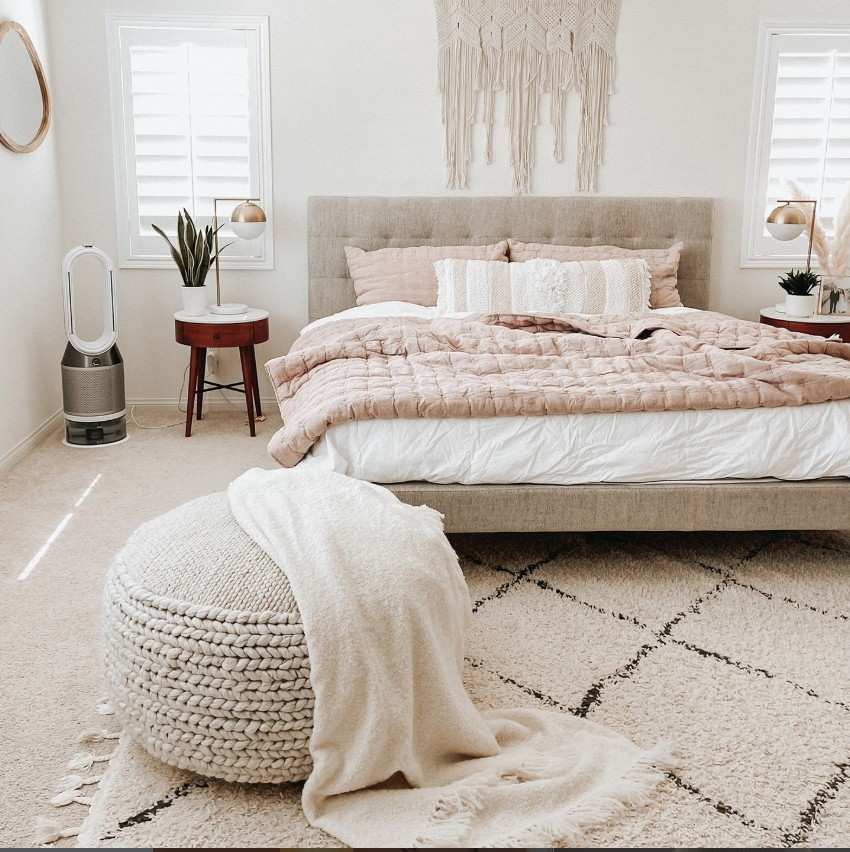
8. Sculptural Wall Lighting
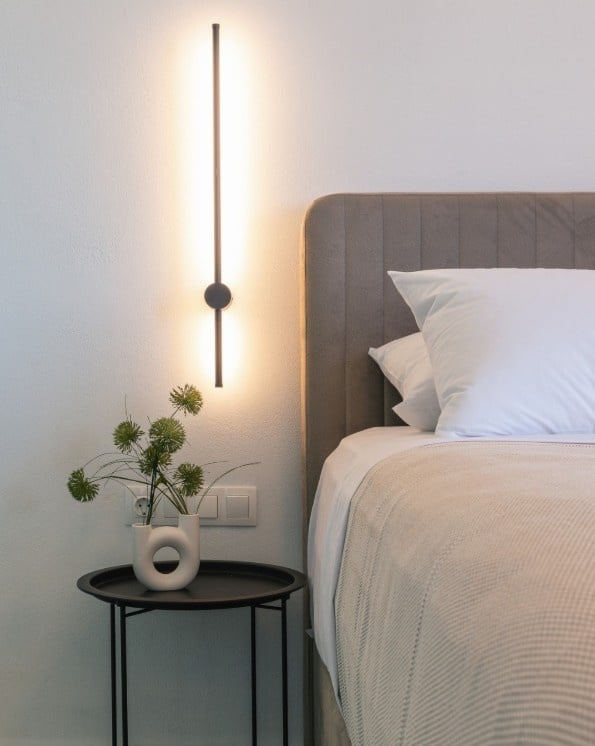
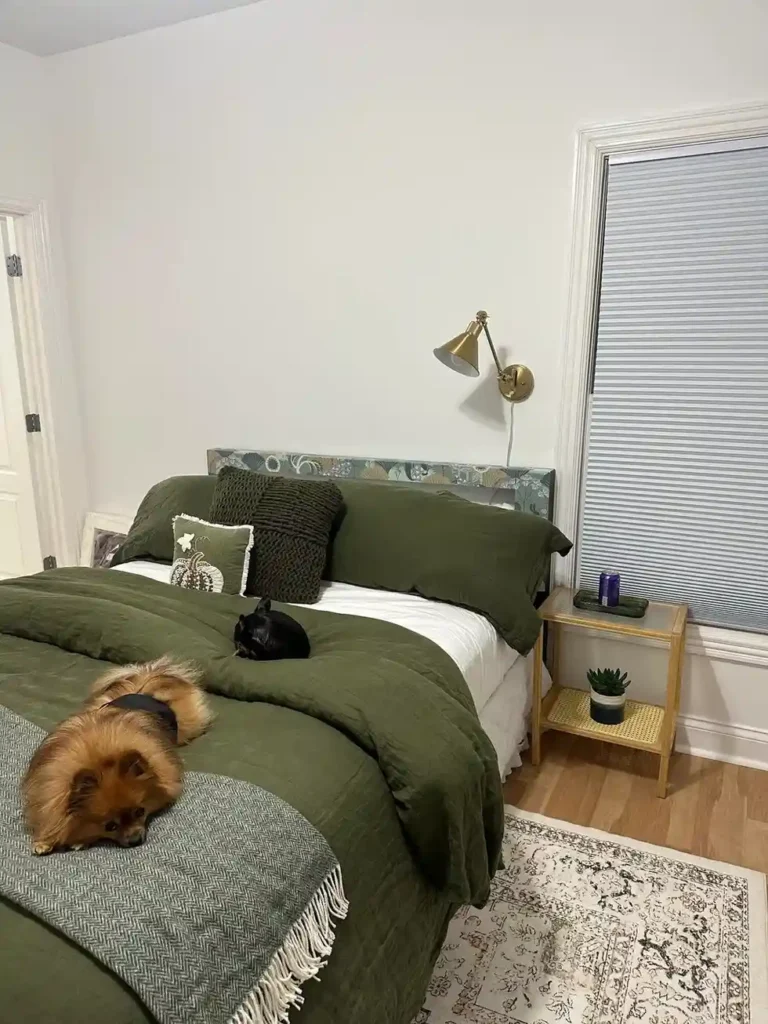
Sculptural wall lighting is one of those design choices that feels both practical and elevated. Instead of just hanging art above the bed, you’re adding something that looks beautiful and serves a purpose. A pair of sconces on either side of the bed can act like jewelry for the wall — sleek, stylish, and intentional. They free up nightstand space too, which is always a bonus.
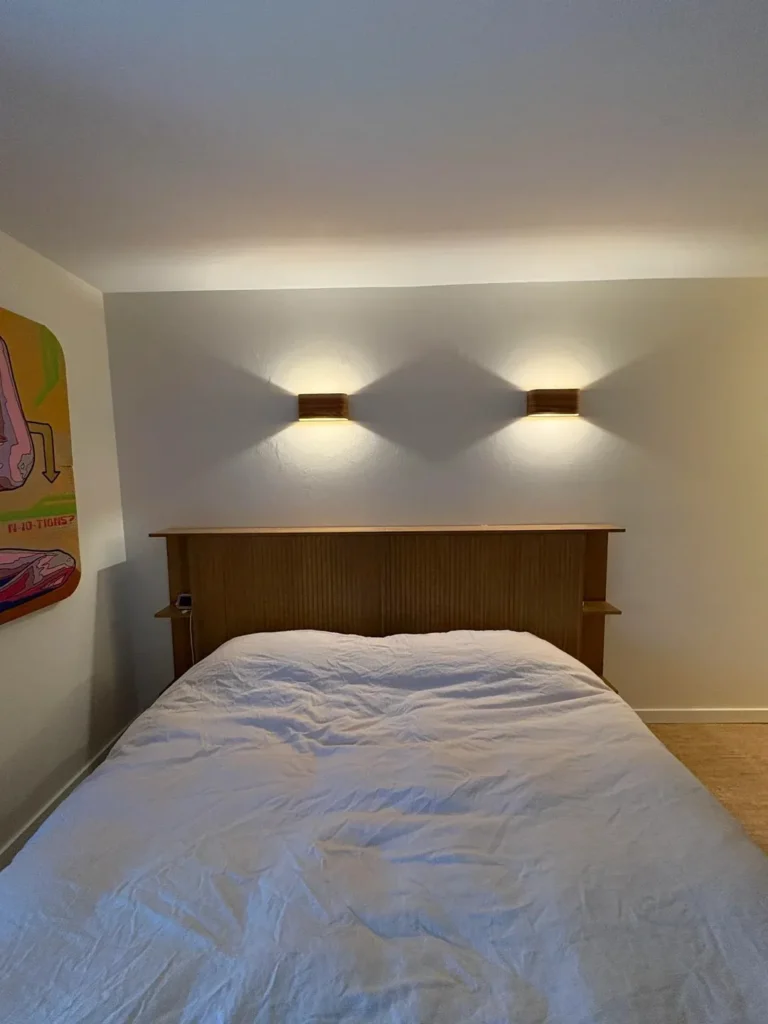
Symmetry plays a big role here. Placing matching sconces on both sides of the bed creates balance and makes the room feel put together instantly. Even if the rest of your decor is relaxed, that symmetry gives your eye a sense of calm. You can go modern with clean-lined metal fixtures, classic with fabric shades, or even a bit dramatic with sculptural or globe designs.
9. Decorative Molding or Trim Detail
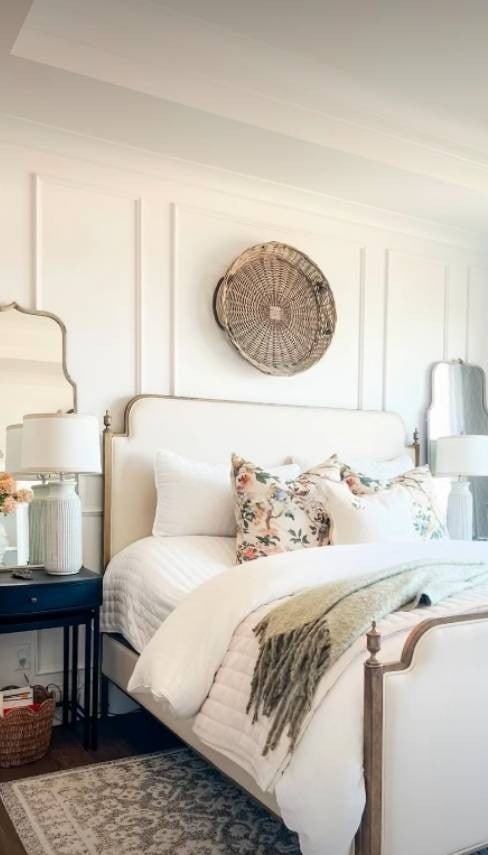
If you love bedrooms that feel polished and timeless, decorative molding or trim detail might be your favorite option. There’s something about adding architectural interest to a wall that instantly elevates the entire space. It makes the room feel intentional — like it was designed that way from the beginning, not just decorated after the fact. And the best part? It works beautifully in both modern and traditional homes.
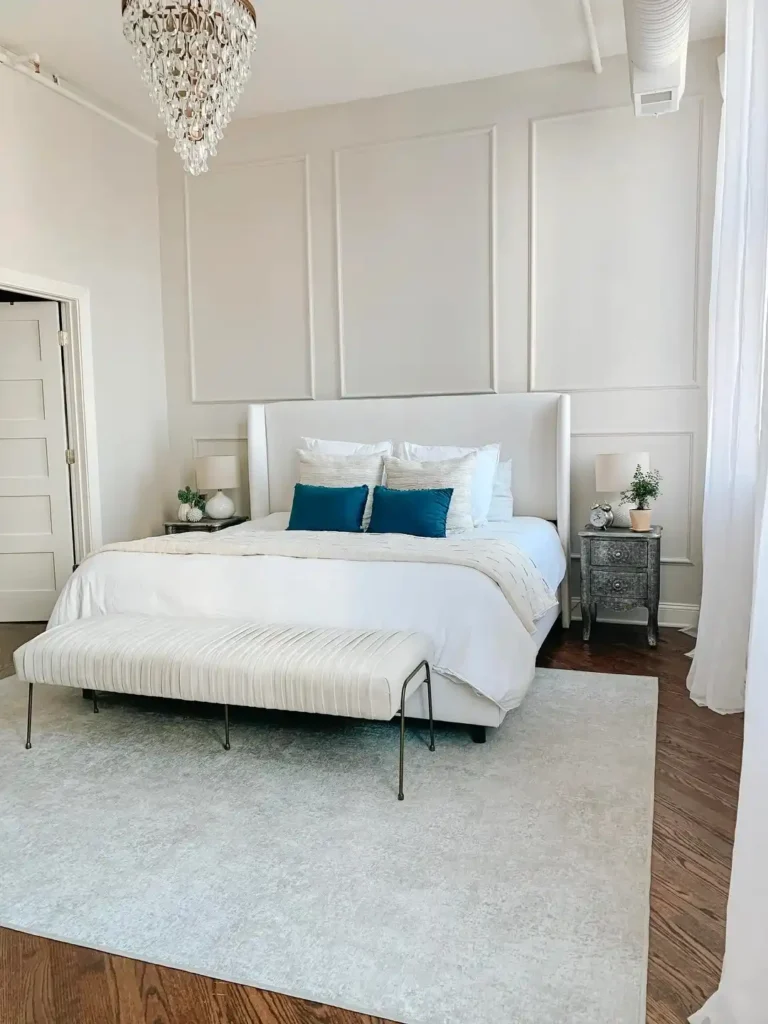
Picture frame molding is a classic choice. It creates subtle dimension and structure without overwhelming the room. Painted the same color as the wall, it feels soft and sophisticated. Painted in a contrasting shade, it becomes a bold design feature. Board and batten offers a slightly more farmhouse or transitional vibe, adding vertical lines that draw the eye upward and make ceilings feel taller. Both options give the bed a strong visual anchor without needing large artwork.
10. Hanging Plants or Greenery
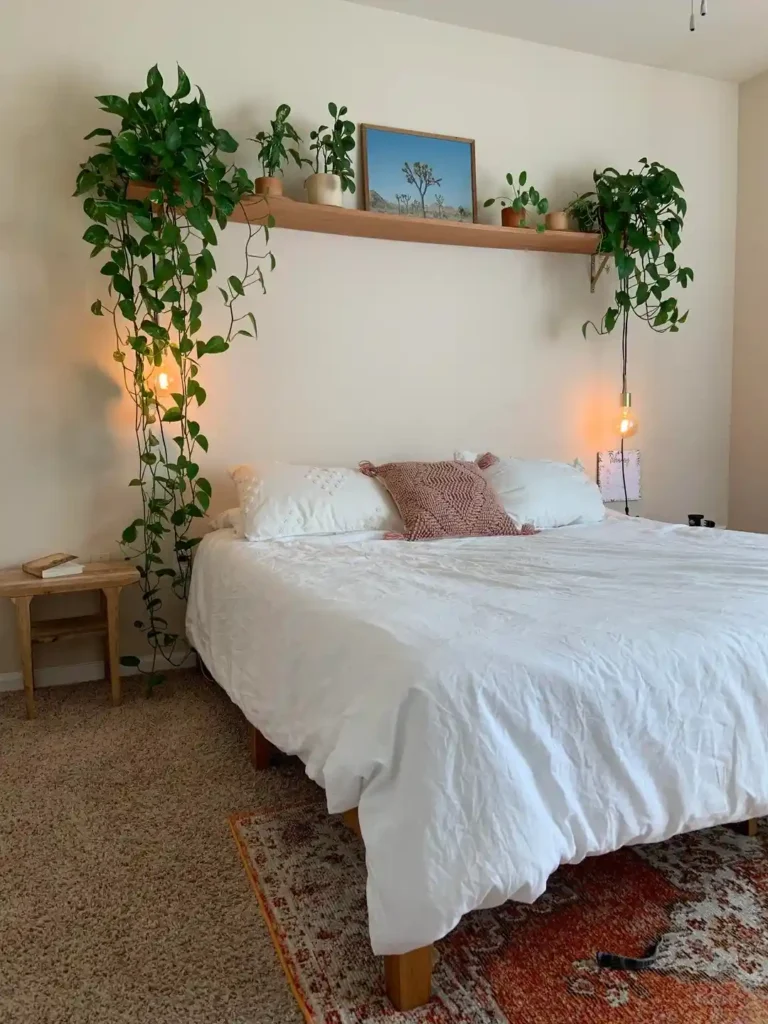
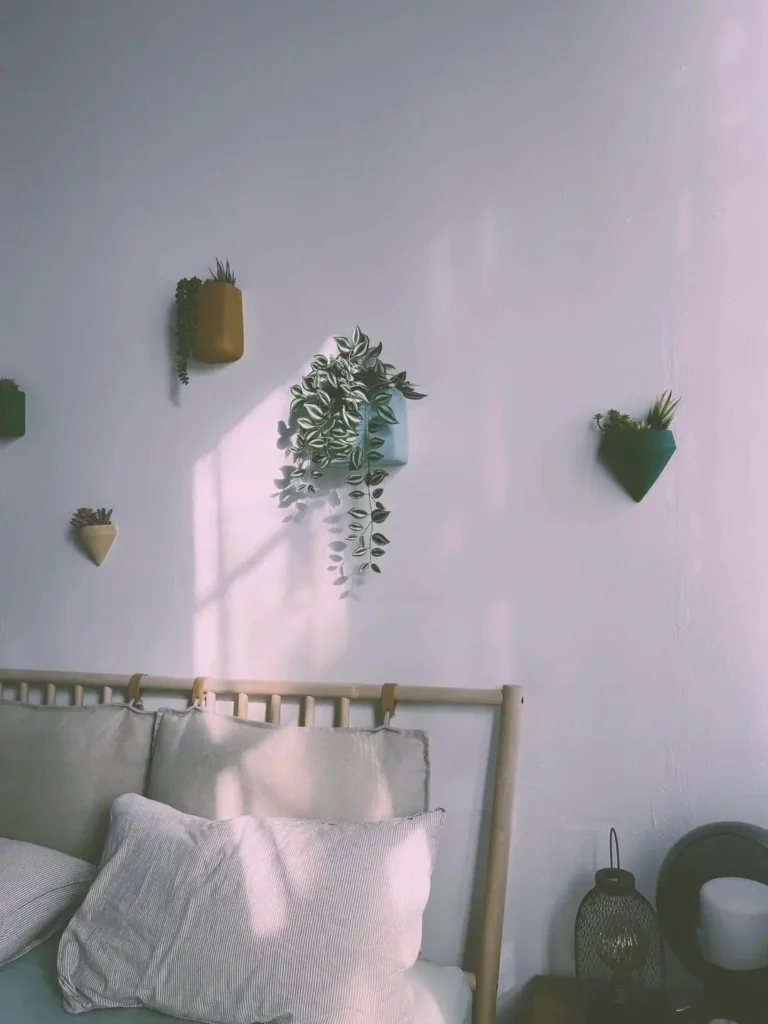
Adding greenery above the bed instantly brings life into the room — literally. Wall-mounted planters or small shelves with plants can soften hard lines and make the space feel fresh and relaxed. Even a simple trailing vine can add movement and dimension that artwork sometimes doesn’t. It’s an easy way to make a bedroom feel more connected to nature.
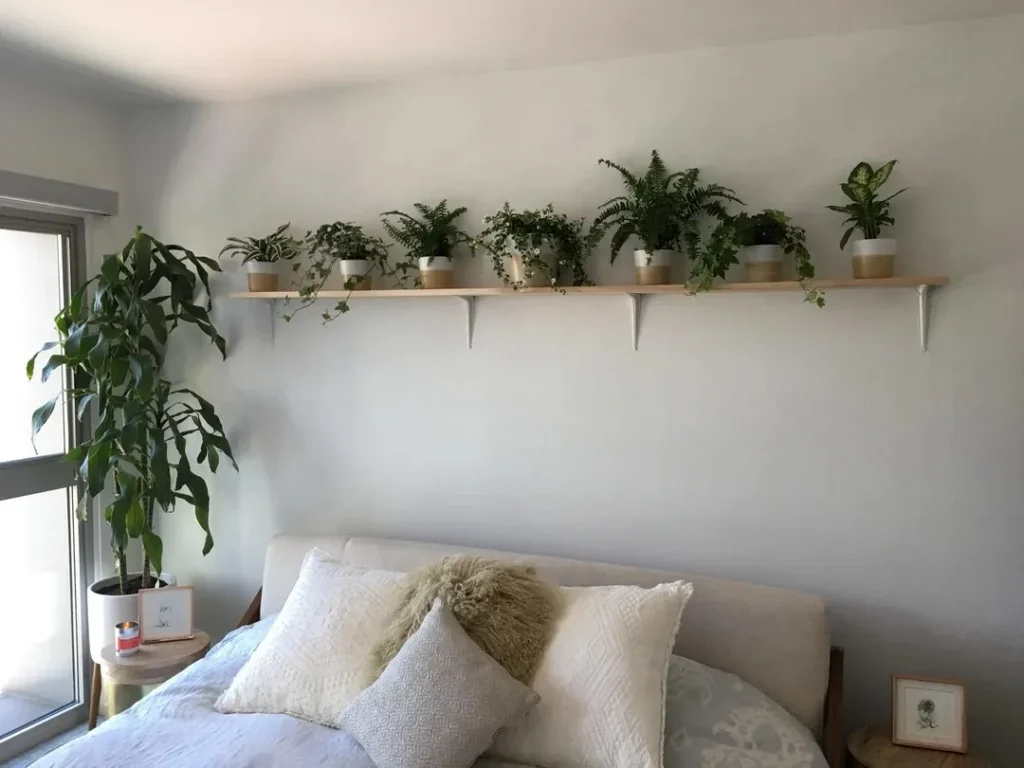
Trailing plants like pothos or ivy are especially great because they drape gently downward, creating that soft, effortless look. Instead of sharp edges and straight lines, you get flow. And if your bedroom leans minimalist, greenery keeps it from feeling sterile. Just a touch of organic texture can make the whole space feel warmer and more inviting.
11. Minimalist Wall Clock
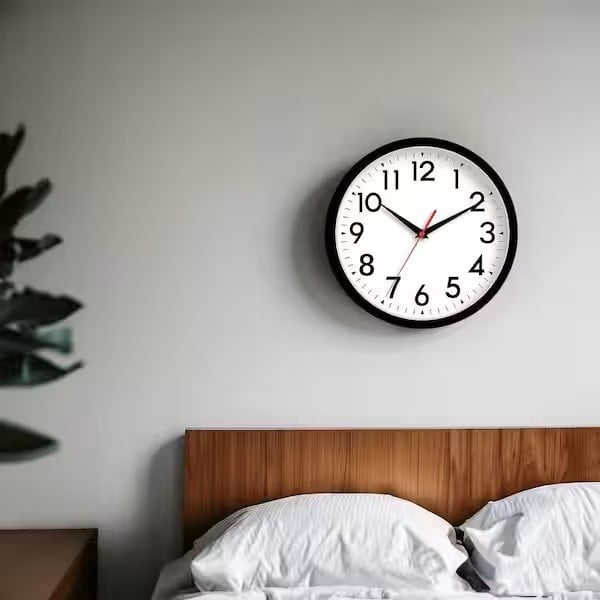
A minimalist wall clock above the bed is one of those ideas that’s both practical and stylish. It gives you a functional focal point without adding visual chaos. Instead of reaching for your phone first thing in the morning (we’ve all been there), you can glance up and check the time the old-school way. Clean lines, simple numerals — or even no numerals at all — keep the look modern and uncluttered.
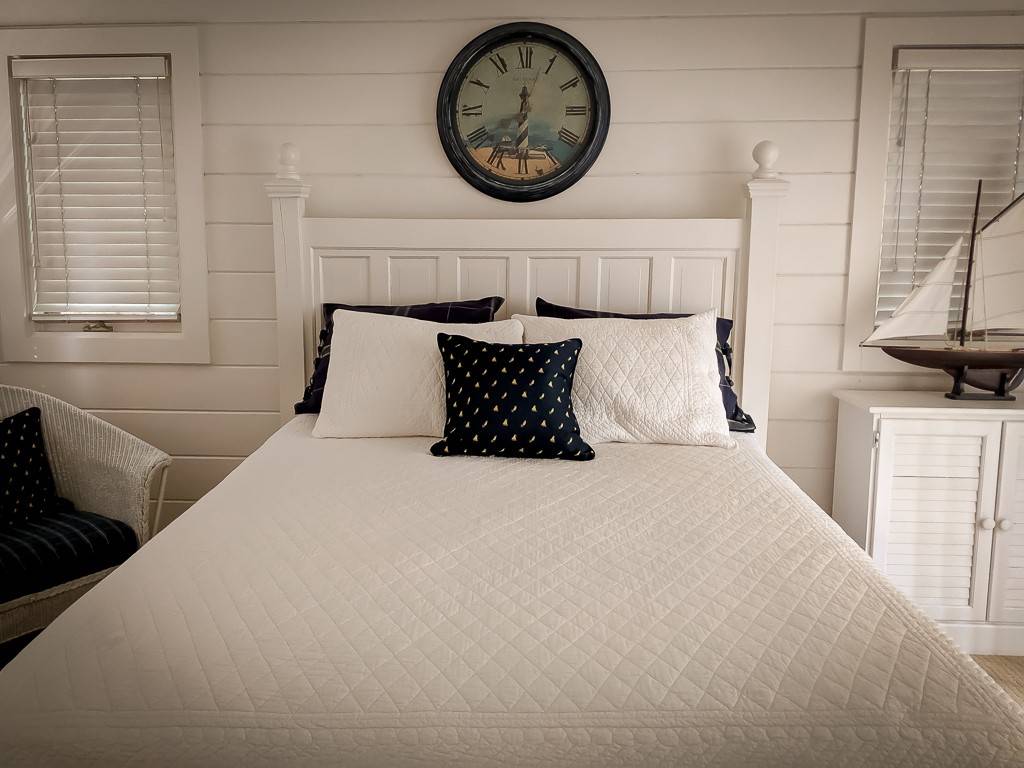
The style you choose can subtly shape the mood of the room. A sleek black or metal clock with a slim profile leans modern and contemporary. A wooden or slightly distressed clock brings in warmth and can feel more vintage or rustic. The key is scale. Too small and it looks random. Large enough, and it feels intentional — like it belongs there.
12. Personal Touch Display
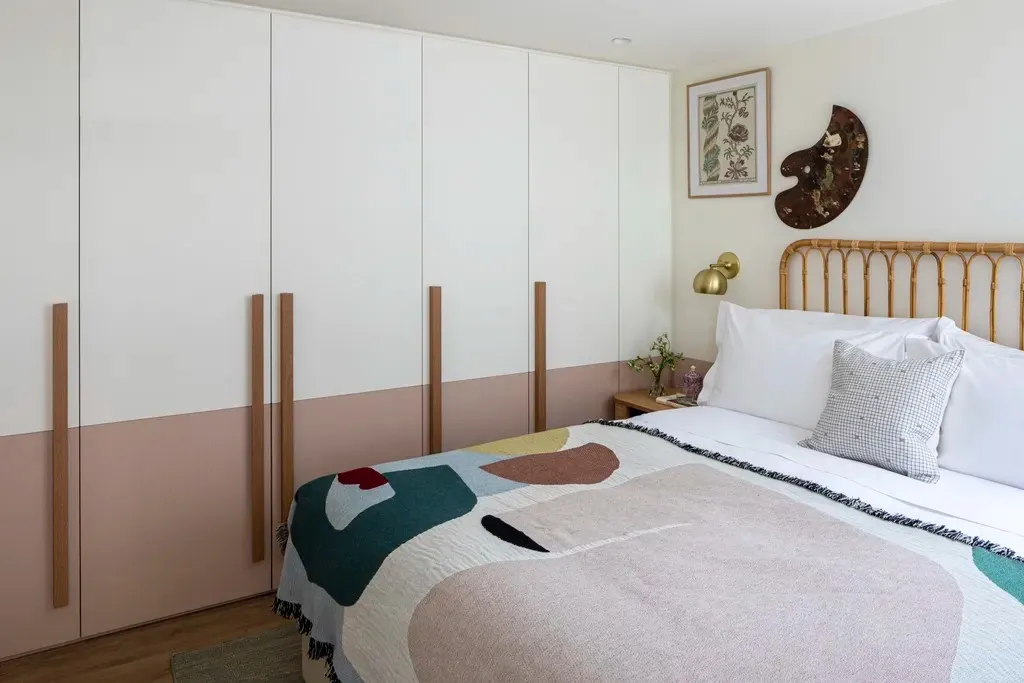
This might be the most meaningful option of all. Instead of filling the space above your bed with something purely decorative, you can use it to tell your story. Travel souvenirs, framed postcards, or small keepsakes from places you love instantly make the room feel personal. It turns your bedroom into more than just a pretty space — it becomes a reflection of your life.
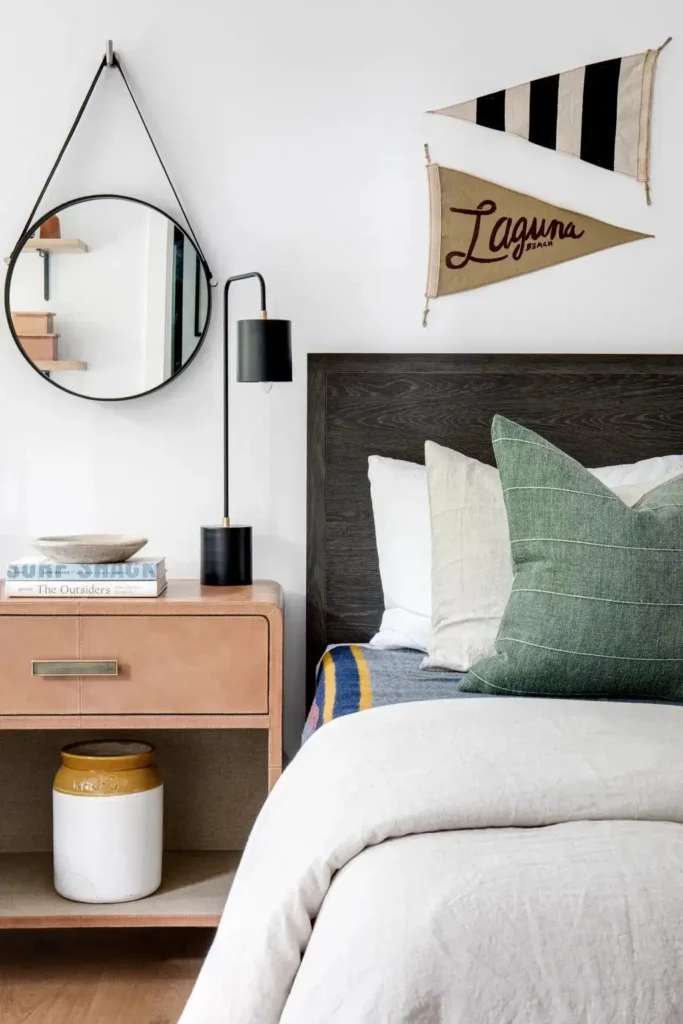
Handmade pieces add even more warmth. Maybe it’s artwork you created, something gifted by a friend, or a craft project you’re proud of. Those items carry memories, and that energy really does change how a room feels. It’s less about perfection and more about connection.
Styling Tips Before You Hang Anything
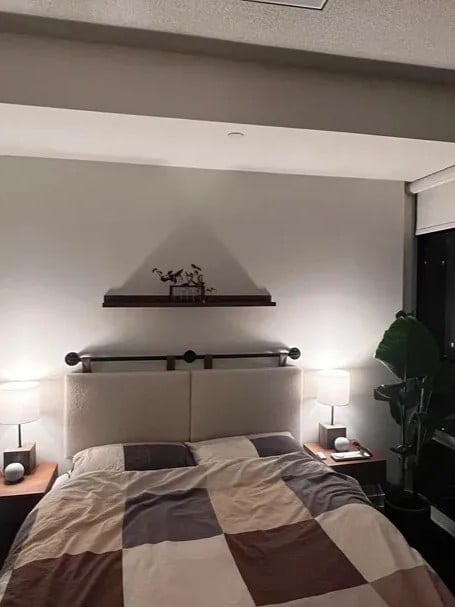
Before you grab the hammer and start making holes in the wall, it’s worth slowing down for a minute. The biggest mistake people make with above-bed decor isn’t what they choose — it’s how they hang it. Let’s start with height. As a general rule, artwork or decor should sit about 6–10 inches above the headboard. Close enough to feel connected, but not so low that it feels cramped. If it’s floating way up near the ceiling, it can look disconnected and awkward — like it’s in the wrong conversation entirely.
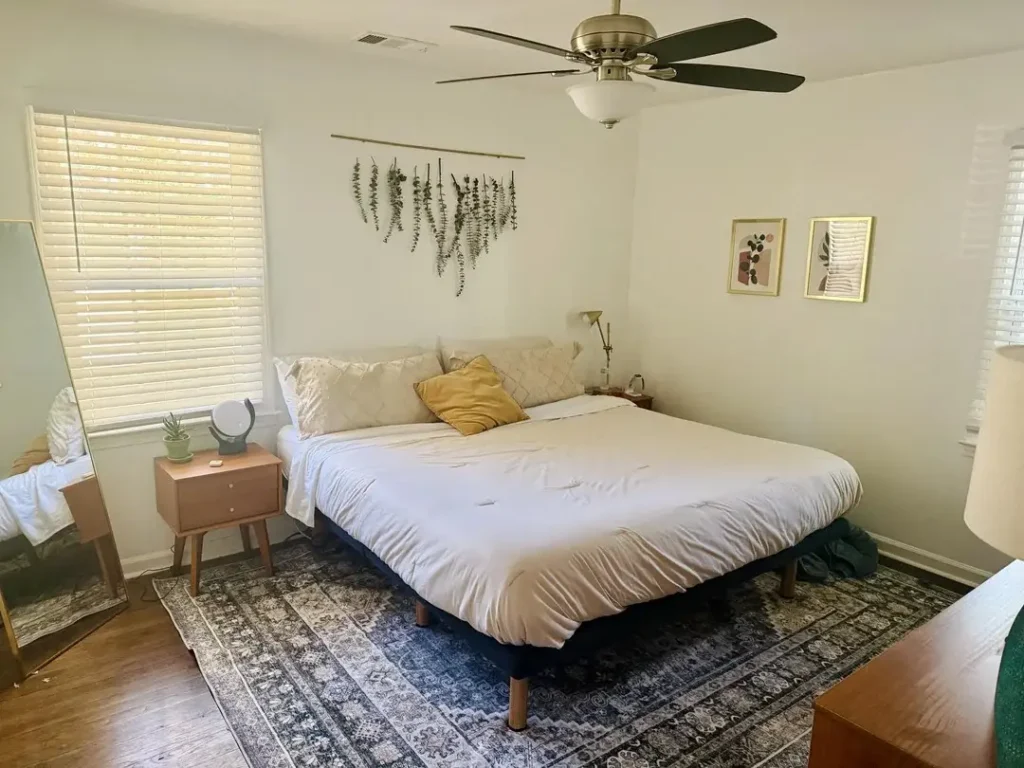
Scale and proportion matter just as much. A tiny frame above a king-sized bed will look lost, while something too oversized can overwhelm the room. That two-thirds width rule (your decor should be about two-thirds the width of the bed) is a great guideline to keep things balanced. If you’re creating a gallery wall or layering shelves, step back often and view it from across the room. Your eye should move comfortably across the arrangement, not feel pulled to one heavy side.
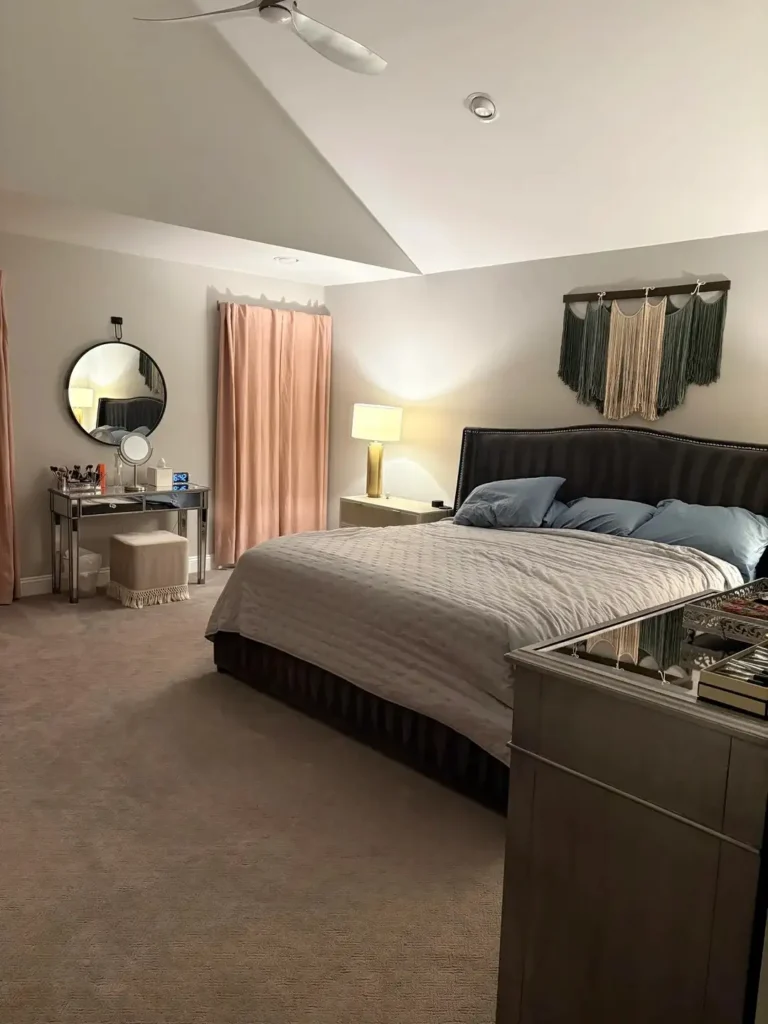
And let’s talk safety — because anything hanging above a bed needs to be secure. Use proper wall anchors or mount directly into studs whenever possible. Heavier items like mirrors, shelves, or large frames should never rely on a single nail. If something feels even slightly unstable, reinforce it. You want your bedroom to feel relaxing, not like you’re wondering if something might fall at 2 a.m. When it’s securely mounted and visually balanced, you’ll sleep better — literally.
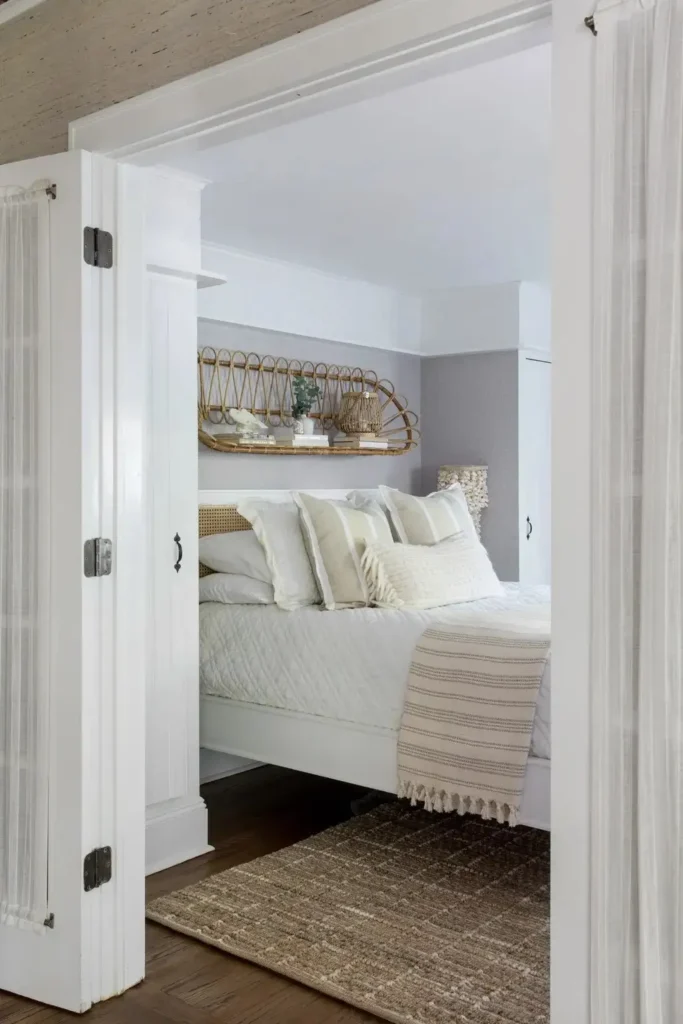
The space above your bed is more powerful than most people realize. It’s the natural focal point of the room, and when it’s thoughtfully styled, it can completely transform the way your bedroom feels. Whether you choose bold artwork, architectural detail, soft textiles, or greenery, that one wall sets the tone for the entire space.
The most important thing? Choose something that feels like you. Trends come and go, but your bedroom should reflect your personality and what makes you feel comfortable. Maybe that’s minimal and clean. Maybe it’s layered and eclectic. Maybe it’s cozy and textural. There’s no single “right” answer — only what feels right when you walk into the room.
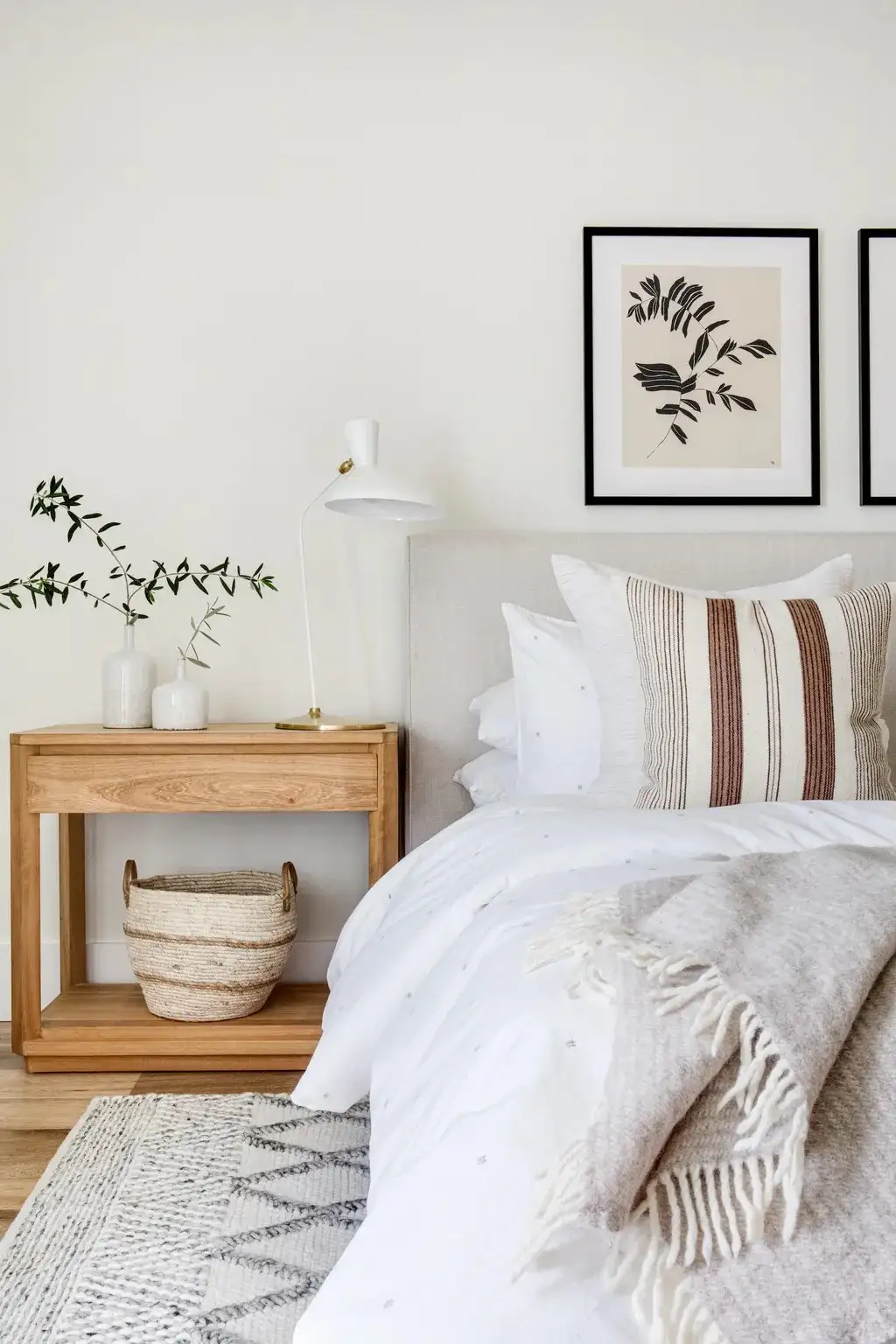
And remember, you don’t have to overhaul everything at once. Even one simple change — a larger piece of art, a pair of sconces, a painted arch — can make a noticeable difference. Sometimes the smallest shift above your bed is exactly what your whole bedroom needed.
Read Also: