

Most buyers decide how they feel about a house in the first 30 to 60 seconds. That’s it. Before they’ve even stepped past the entryway, their brain has already made up its mind.
Why does this happen? Because that’s just how our brains work. We’re wired to size things up fast — it’s the same reason you can tell if someone’s in a bad mood the second they walk in the room. With houses, it’s no different. That quick first look sets the tone for everything else. If a buyer walks up feeling excited, they’ll notice all the good stuff inside. If they walk up feeling “meh,” they’ll start hunting for problems, even small ones that wouldn’t normally bug them.
That’s why first impressions aren’t just some small detail — they’re kind of a big deal. A house doesn’t need a total makeover to win someone over. It just needs to nail those first few seconds.
So what exactly are buyers noticing before they even open the front door? In this article, we’re breaking down the biggest things buyers spot right away — and the easy, low-cost ways to fix them. None of this requires a huge budget. Just a little effort in the right spots can make a home feel way more inviting, and might even help it sell faster and for more money.
1. Curb Appeal & Exterior Condition
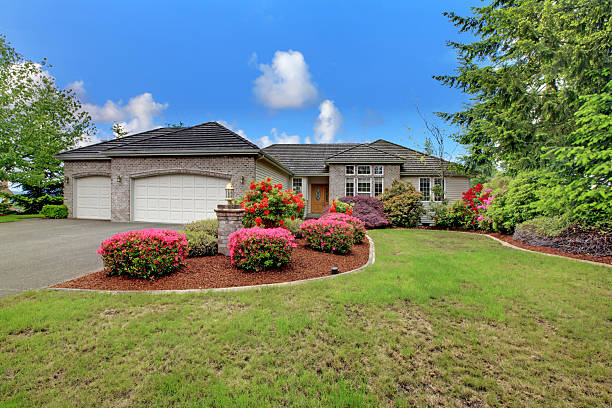
Let’s start with the obvious one: what a buyer sees before they even get out of the car.
This is curb appeal, and it’s exactly what it sounds like — how good your place looks from the curb. It’s the very first thing anyone notices, so it sets the mood before they’ve even walked in.
The lawn and landscaping matter more than you’d think
A patchy lawn, overgrown bushes, or weeds poking through the walkway can make a place feel neglected, even if the inside is perfect. On the flip side, a trimmed lawn and neat bushes make a home feel cared for right away.
The front door is basically the star of the show
Think about it — it’s the one thing every single buyer has to walk up to and touch. If the paint is chipped, the handle is loose, or there are cobwebs in the corner, that’s the first thing they’ll notice. A clean, freshly painted door (even just a bold new color) can make a huge difference.
Exterior walls and siding tell a story
Peeling paint, cracked siding, or stains on the outside walls can make buyers wonder what else might be wrong with the house — even if it’s just cosmetic. It plants a seed of doubt before they’ve even walked in.
Easy fixes that make a big impact
The good news? You don’t need to renovate the whole outside of the house to fix this stuff. A few small things go a long way:
- Power wash the driveway, walkway, and siding — dirt and grime build up more than people realize
- Add fresh mulch to garden beds for an instant “put-together” look
- Put a new welcome mat by the door — it’s cheap, but it makes the entrance feel fresh
- Touch up any chipped paint, especially around the front door and windows
None of this takes a ton of time or money. But it’s often the difference between a buyer walking in excited versus walking in already looking for flaws.
2. Cleanliness and Smell
Okay, so the buyer made it past the front door. Now what’s the first thing that hits them? Usually, it’s a smell — before they even notice anything else.
Smell is sneaky powerful
You know how walking into a bakery instantly puts you in a good mood? Smell works the same way with houses, just in reverse. If a buyer walks in and smells pet odor, old smoke, cooking grease, or that damp, musty basement smell, their brain flags it instantly. And here’s the tricky part — people who live in a house every day usually can’t smell it anymore. You get used to your own home’s smell. But a buyer walking in fresh? They’ll notice it in two seconds flat.
Dust and clutter send a message too
Even if a house smells fine, a messy or dusty space still hurts the first impression. Dust on shelves, piles of mail on the counter, shoes scattered by the door — buyers notice all of it right away, even if they’re not really “looking” for it. It makes a space feel cramped and uncared for, even if the house itself is in great shape.
Easy fixes that make a big impact
- Do a real deep clean, not just a quick tidy up — this means baseboards, vents, and corners, not just what’s easy to see
- Get rid of the source of any smells (wash pet beds, clean carpets, take out the trash, air out the house)
- Skip the heavy air fresheners or candles — weirdly, a super strong “clean” smell can actually make buyers suspicious, like you’re trying to cover something up
- Clear off counters and tables so surfaces look open and spacious, not cluttered
The goal is for a buyer to walk in and think “wow, this feels fresh and taken care of” — not notice a smell or a mess at all. When nobody notices anything, that’s when you know you nailed it.
Read Also: 9 Deal-Breaking Home Smells Buyers Notice in Seconds and How to Eliminate Them Fast
3. Light and Brightness
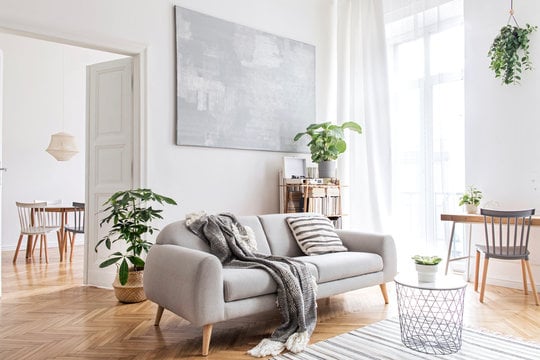
Light might be the most underrated first impression maker of all. A bright home just feels good to be in, even if buyers can’t explain why.
Natural light makes a home feel bigger and better
There’s a reason real estate listings always brag about “tons of natural light.” It’s because brightness makes a space feel open, clean, and move-in ready. A dark room, even if it’s spacious, can feel small and gloomy. Buyers pick up on this instantly, even if they don’t consciously think “hm, not enough light in here.”
Dark spots create doubt
Closed blinds, dim entryways, or a burnt-out lightbulb might seem like small stuff, but they add up fast. A dark entryway especially can throw off a buyer’s whole first impression, since it’s the very first room they step into. And if a lightbulb is out somewhere, buyers might start wondering what else hasn’t been taken care of.
Easy fixes that make a big impact
- Open every curtain and blind before a showing, even on cloudy days — some light is always better than none
- Swap out any old or dim bulbs for brighter ones (warm white bulbs usually feel more cozy and inviting than harsh white light)
- Clean the windows, inside and out — dirty windows block more light than people expect
- Turn on every single light in the house before buyers arrive, even during the day
Light is one of those things that’s easy to overlook, but it seriously changes how a home feels the second someone walks in. A bright home just feels happier, and that’s exactly the vibe you want.
4. Layout, Flow, and Sense of Space
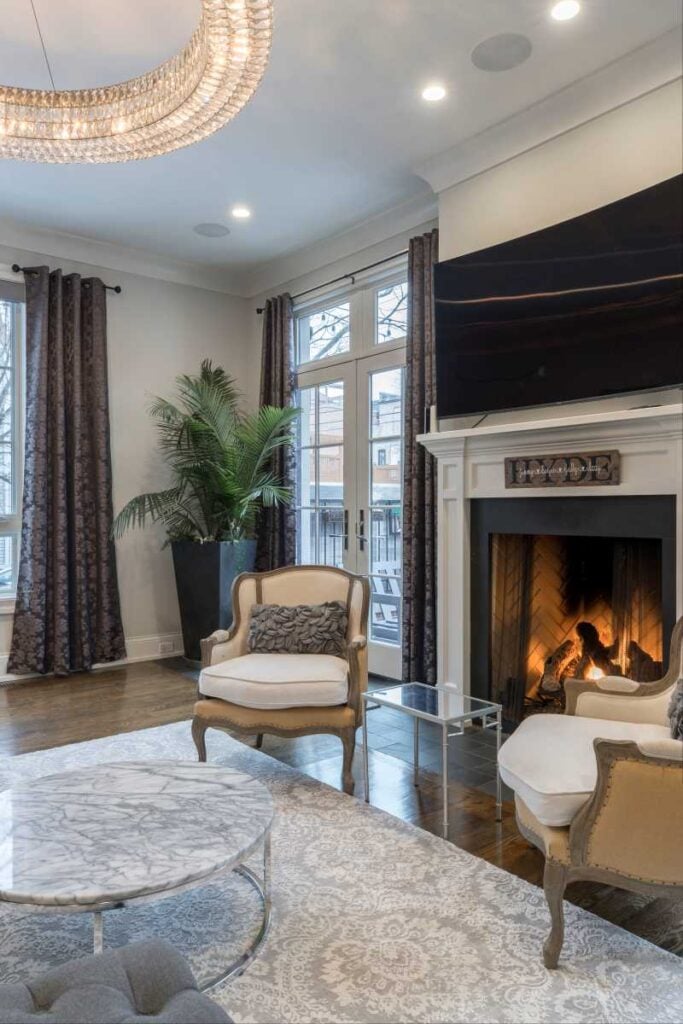
Ever walk into a room and just feel like you can breathe? That’s what good flow does. It’s not about how big a house actually is — it’s about how big it feels. And that feeling starts right at the entryway.
A clear entryway makes the whole house feel bigger
If the first thing buyers see is a pile of shoes, a coat rack stuffed with jackets, and boxes stacked by the stairs, the whole house already feels tight and cramped before they’ve seen a single room. But an open, clear entryway does the opposite — it makes buyers feel like they can move freely, and that sets up the rest of the house to feel spacious too.
Furniture placement changes everything
Here’s something a lot of people don’t realize: too much furniture (or furniture in the wrong spot) can make a room feel way smaller than it actually is. If buyers have to squeeze past a couch or walk around a big table just to cross a room, that room instantly feels tighter and more closed-in. But when there’s a clear path to walk through, and you can see from one side of the room to the other, it feels open and easy — even if it’s the exact same square footage.
Easy fixes that make a big impact
- Clear out the entryway completely — shoes, coats, and bags should be tucked away, not on display
- Remove any extra furniture that’s just taking up space (that spare chair nobody sits in? Store it somewhere else for now)
- Rearrange furniture so there’s a clear, open path through each room
- Try to keep sightlines open — meaning you can see across a room without anything blocking the view
Basically, less stuff and more open space equals a home that feels bigger, brighter, and easier to imagine living in.
Read Also: 10 Simple Habits That Keep Your Home Spotless All Year Long
5. Visible Condition & Maintenance Signals
This one’s all about the small stuff. Not the big renovations, just the tiny details that quietly tell buyers whether a house has been taken care of or not.
Small flaws send a big message
Think about scuffed-up walls, carpet that’s worn thin in a hallway, or light fixtures that look like they’re from 20 years ago. On their own, none of these are huge deals. But buyers don’t see them as “small” — they see them as clues. And once they spot one thing that looks neglected, their brain starts hunting for more.
One flaw makes buyers suspicious of everything else
This is the part that really matters: it’s not really about the scuff mark or the squeaky door itself. It’s about what it makes buyers think. If the little stuff isn’t taken care of, buyers start wondering, “okay, what about the big stuff, like the roof or the plumbing?” A few small flaws can snowball into buyers doubting the whole house, even if everything major is actually totally fine.
Easy fixes that make a big impact
- Touch up scuffed or marked-up walls with a quick coat of paint
- Fix squeaky doors and leaky faucets — these are usually quick, cheap fixes but buyers notice them immediately
- Swap out old, outdated hardware like door handles, cabinet knobs, or light fixtures for something more modern
- Replace or deep clean worn carpet, especially in hallways and entryways where people walk the most
None of this is expensive or complicated. But it makes buyers feel like the house has been loved and looked after, which is exactly the vibe that builds trust.
Conclusion
First impressions aren’t just some small, surface-level thing. They shape how buyers feel about the entire house, before they’ve even had a chance to really look around. A messy entryway, a weird smell, or a dark room can make buyers doubt a home, even if it’s actually in great shape. But a clean, bright, well-kept first impression builds instant trust and makes buyers excited to see more.
And here’s the best part: none of the fixes in this article require a big budget or a ton of time. A deep clean, some fresh paint, better lighting, and a little decluttering can make a massive difference in how a home feels in those first 60 seconds. Small effort, big payoff.
If you’re getting ready to sell, it’s worth walking through your own front door like you’re a buyer seeing it for the first time. Or even better, grab a pre-listing checklist, or chat with a real estate agent or stager who can point out exactly what to fix before it hits the market. Sometimes all it takes is a fresh set of eyes to catch the stuff you’ve stopped noticing.