
There’s something quietly magical about seeing a bonsai tree that has been alive for hundreds of years. At first glance, it may just look like a small tree in a pot—but behind that miniature form is a living story that has been carefully preserved across generations. Some of the oldest bonsai in the world have survived for centuries, and a few are believed to be more than a thousand years old. Imagine that: a tree that was already growing long before modern cities, technology, or even some countries existed.

Bonsai isn’t just about growing tiny trees. It’s about patience, dedication, and an incredible level of care. Each bonsai is shaped slowly over time through careful pruning, wiring, watering, and soil management. But the real secret behind their longevity is the people who care for them. Many of these trees have been passed down from master to apprentice, or even through generations of the same family.
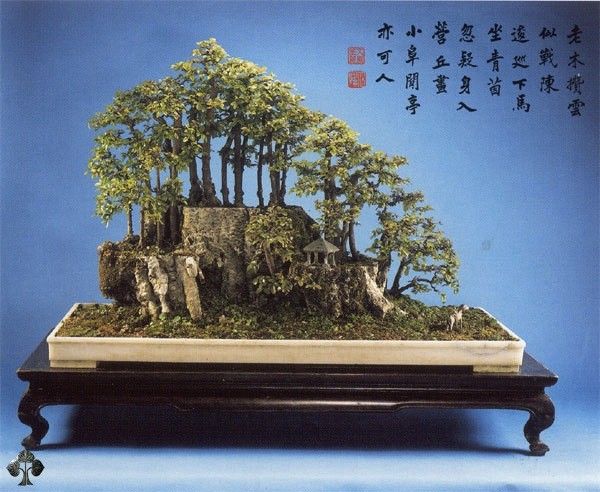
Because of this devotion, some bonsai have lived far longer than most plants ever could. They become more than decorative trees—they turn into living works of art and pieces of history.
In this article, we’ll explore some of the oldest bonsai trees in the world—remarkable living masterpieces that have stood the test of time and continue to inspire awe today.
What Makes a Bonsai Tree Live for Centuries?

It might seem surprising that a small tree growing in a pot could live for hundreds of years, but bonsai longevity is actually the result of incredibly careful and consistent care. Unlike wild trees that face storms, disease, and unpredictable conditions, bonsai are looked after almost daily by skilled hands. Every part of the tree—from its roots to its branches—is carefully managed to keep it healthy and balanced.
One of the biggest reasons bonsai live so long is generational care. Many ancient bonsai have been passed down from master to apprentice or through families for hundreds of years. Each caretaker continues the work of the previous one, making sure the tree remains healthy while preserving its beautiful shape.
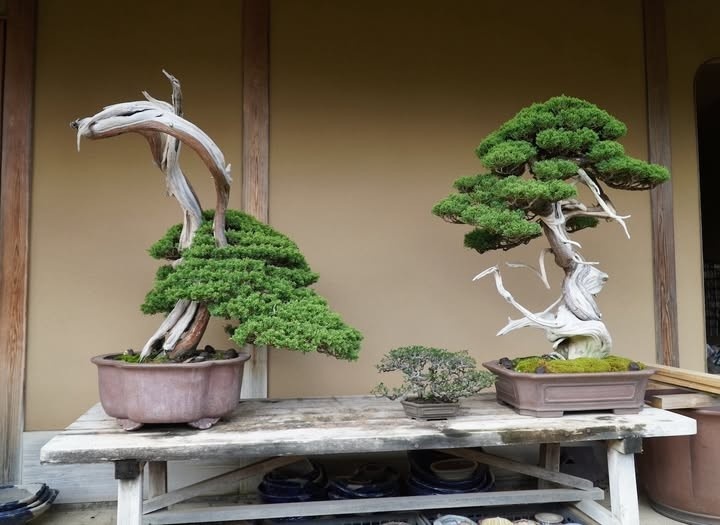
Another key factor is the techniques used in bonsai cultivation. Practices like root pruning, controlled watering, proper soil mixtures, and careful wiring help regulate the tree’s growth. These methods keep the tree small while also encouraging strong, healthy roots and branches.
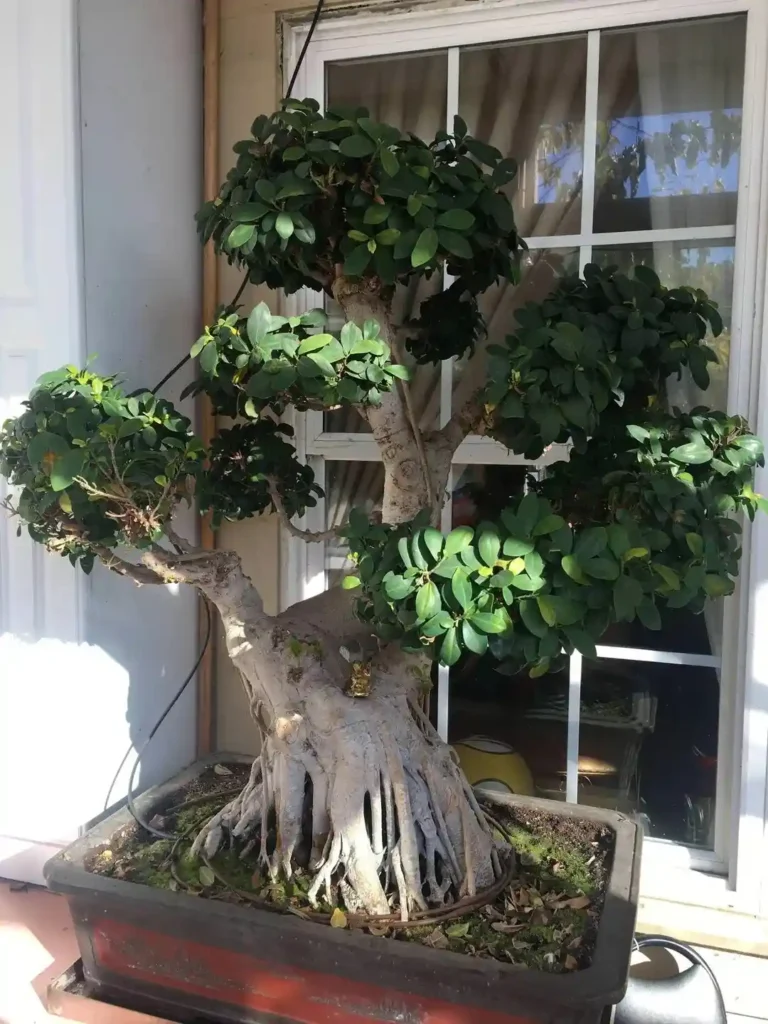
Species choice also plays a big role. Trees like juniper, pine, and ficus are naturally hardy and capable of living for centuries when properly cared for.
In many ways, a bonsai’s long life is a partnership between nature and people—proof that patience, dedication, and respect for living things can truly stand the test of time.
1. The 1,000+ Year-Old Ficus Bonsai
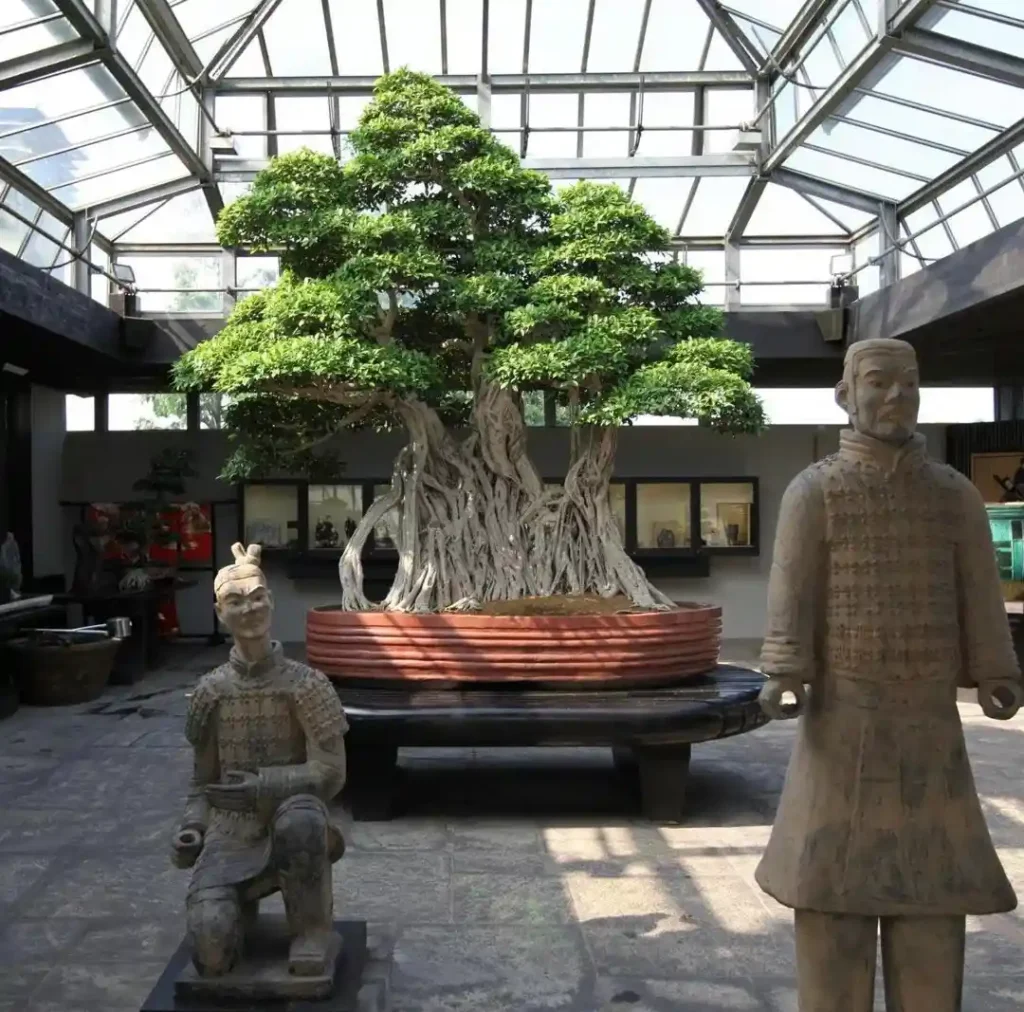
Location: Crespi Bonsai Museum
One of the most incredible bonsai trees in the world lives at the Crespi Bonsai Museum in Italy, and many enthusiasts believe it’s over 1,000 years old. Just imagine that for a second — this tree was already growing long before most modern cities even existed.
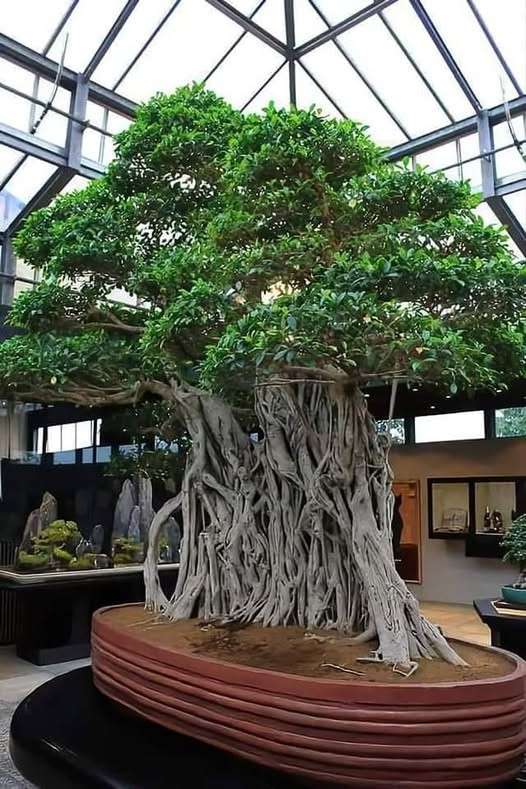
This ancient ficus bonsai is hard to miss. It has a thick, powerful trunk and dramatic aerial roots that twist and drape around the base like natural sculptures. The wide canopy spreads beautifully, giving the tree a sense of age, strength, and quiet wisdom.
What makes this bonsai even more special is the care it has received over the centuries. Generations of bonsai artists have carefully pruned, shaped, and nurtured it to keep it healthy while preserving its natural character. It’s a perfect example of how bonsai is not just gardening—it’s a living art form passed down through time.
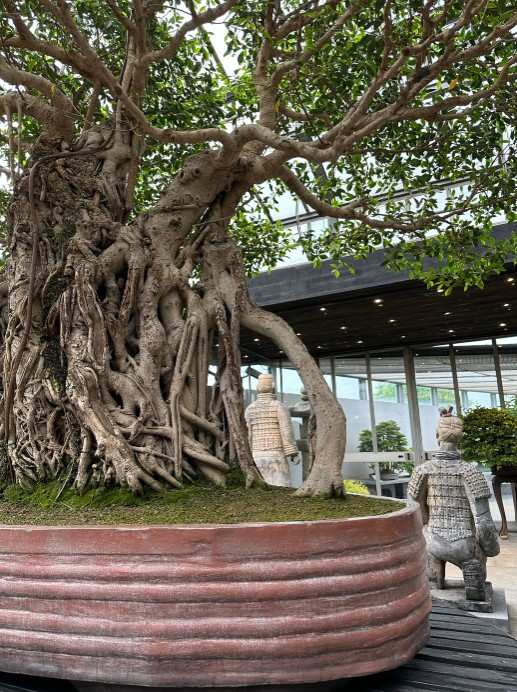
Standing in front of this tree, many people say it feels like looking at a living piece of history. It’s a reminder that with patience and care, even something as small as a potted tree can last for a thousand years.
2. The 1,000-Year-Old Ancient Juniper Bonsai
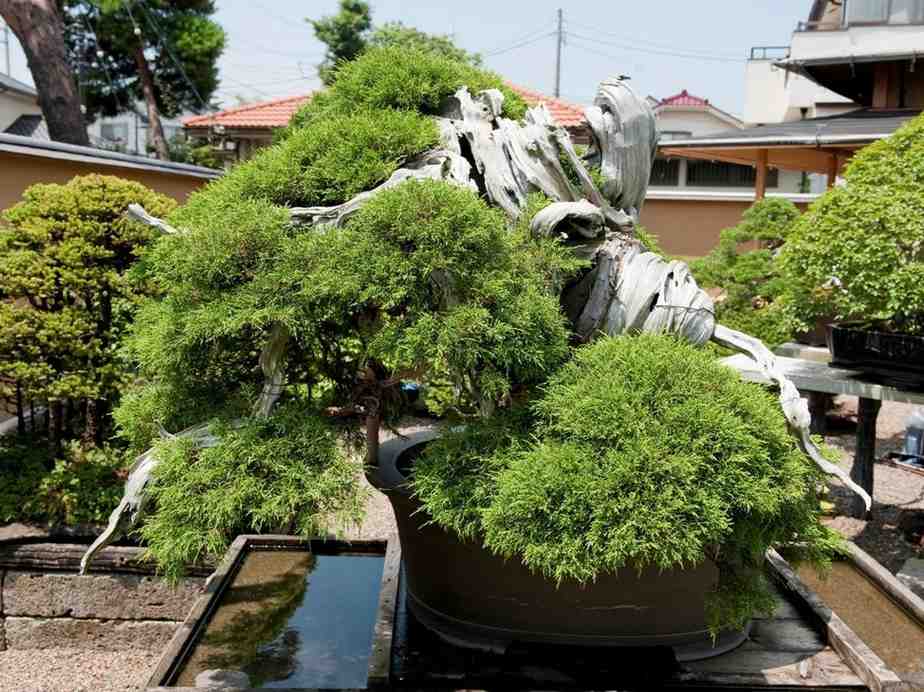
Location: Mansei-en Bonsai Nursery
Another breathtaking tree often listed among the oldest bonsai in the world is the ancient juniper bonsai at Mansei-en Bonsai Nursery in Japan. This tree is believed to be close to 1,000 years old, making it one of the most remarkable living bonsai still being cared for today.
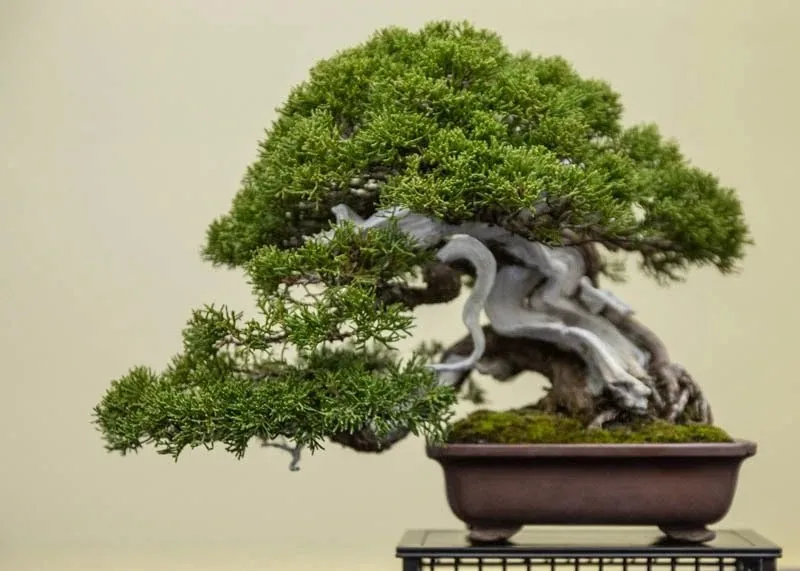
What makes this tree especially fascinating is that it began as a yamadori, which means it was originally collected from the wild. Imagine a rugged mountain juniper growing for centuries in nature before being carefully transformed into a bonsai.
The tree’s twisted trunk, dramatic curves, and patches of natural deadwood tell a story of survival through storms, harsh weather, and time itself. Instead of hiding those marks of age, bonsai artists highlight them to showcase the tree’s long journey.
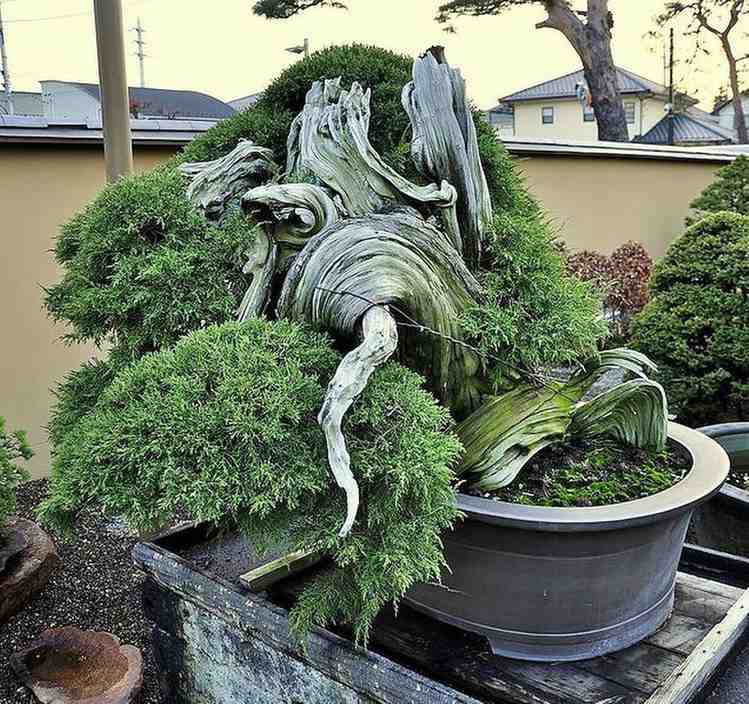
Today, the juniper continues to be trained and maintained by skilled bonsai masters. Their work ensures that this incredible tree keeps thriving for future generations.
3. Sandai Shogun No Matsu (The Shogun’s Pine)
Location: Tokyo Imperial Palace
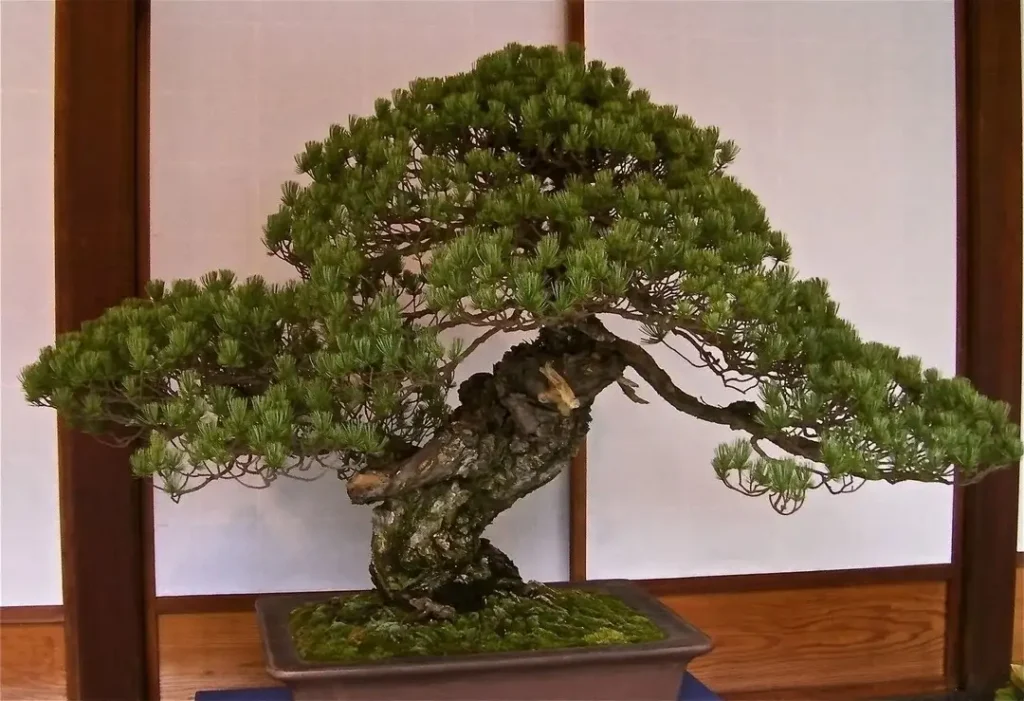
The Sandai Shogun No Matsu, often called “The Shogun’s Pine,” is one of the most legendary bonsai trees in Japan. This remarkable tree is believed to be over 500 years old and is carefully preserved inside the Tokyo Imperial Palace.
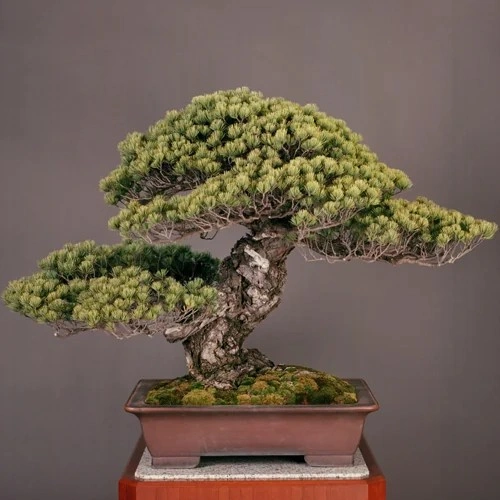
Its story becomes even more fascinating when you learn that it was once cared for by Tokugawa Iemitsu, the third shogun of the Tokugawa dynasty. According to bonsai history, the shogun himself enjoyed tending to the tree—pruning and shaping it with great care.
Imagine that for a moment: a powerful ruler taking time out of his day to care for a tiny tree. It’s a beautiful reminder that bonsai isn’t just about gardening—it’s about patience, mindfulness, and respect for nature.
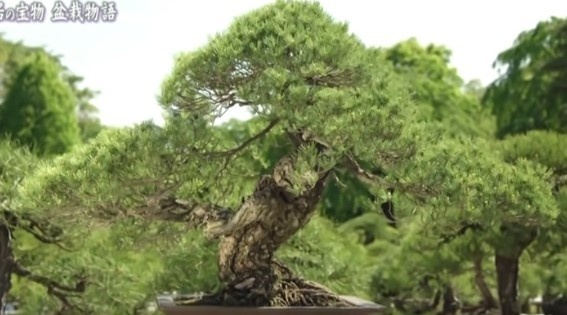
Today, the pine still carries that legacy. With its strong trunk and carefully trained branches, it reflects centuries of dedication from countless caretakers who ensured the tree survived generation after generation.
Looking at this bonsai feels like looking at living history. It has quietly witnessed centuries of change while continuing to grow—slowly, gracefully, and beautifully.
4. The 800-Year-Old Juniper Bonsai at Shunka-en
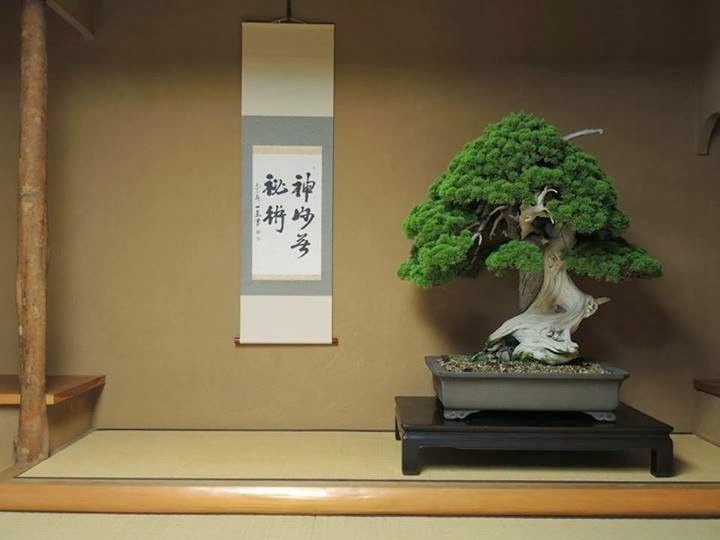
Location: Shunka-en Bonsai Museum
At the Shunka-en Bonsai Museum in Tokyo, one of the most breathtaking trees you’ll see is an 800-year-old juniper bonsai. Just thinking about its age is incredible—this tree began growing long before most modern countries even existed.
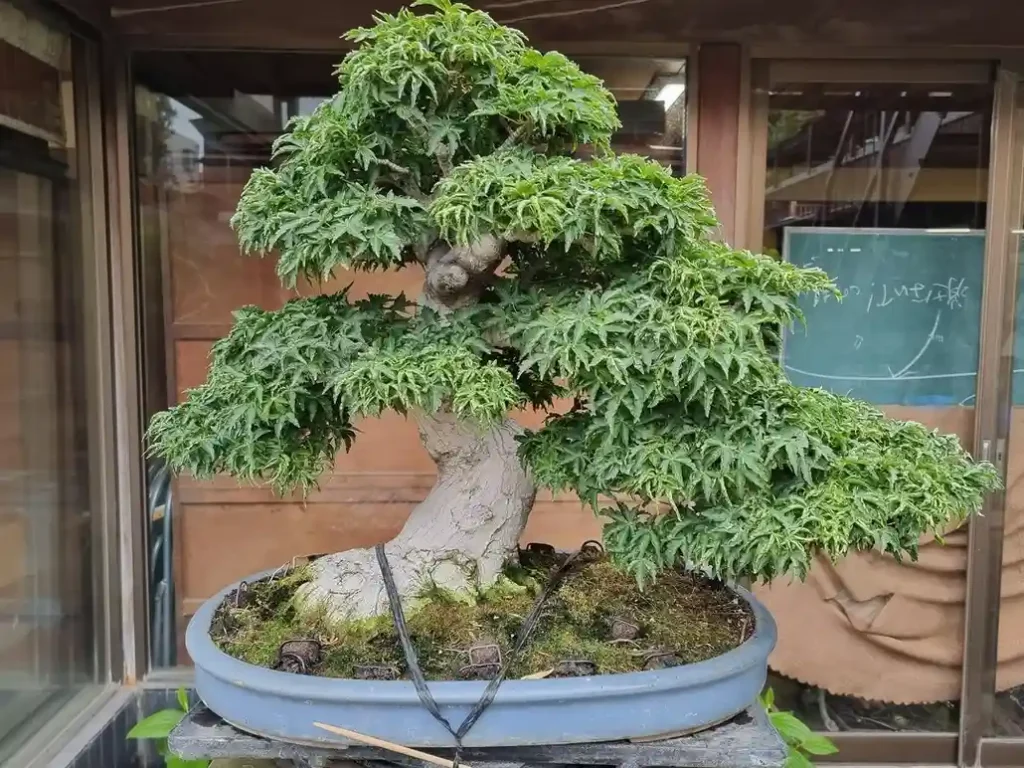
What makes this bonsai especially captivating is its dramatic appearance. The trunk twists and spirals with powerful movement, while sections of natural deadwood create a striking contrast against the lush green foliage. Every curve tells a story of time, survival, and careful artistry.
The tree is maintained by world-renowned bonsai master Kunio Kobayashi, whose work has helped bring global attention to the art of bonsai. Under his care, the juniper continues to thrive while remaining true to its ancient character.
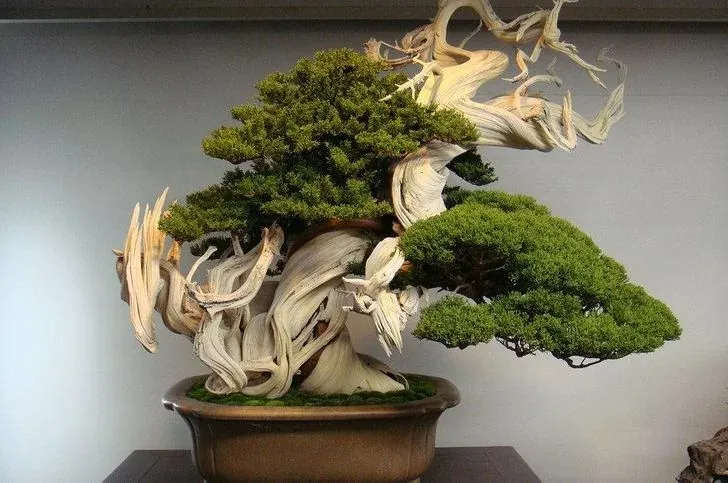
Standing in front of this tree, many visitors feel a sense of awe. It’s not just a plant in a pot—it’s a living sculpture shaped by nature and refined by human hands over centuries.
In a way, this bonsai perfectly captures what bonsai is all about: patience, respect for nature, and the quiet beauty that comes with time.
5. The 700-Year-Old Bonsai at Happo-en Garden
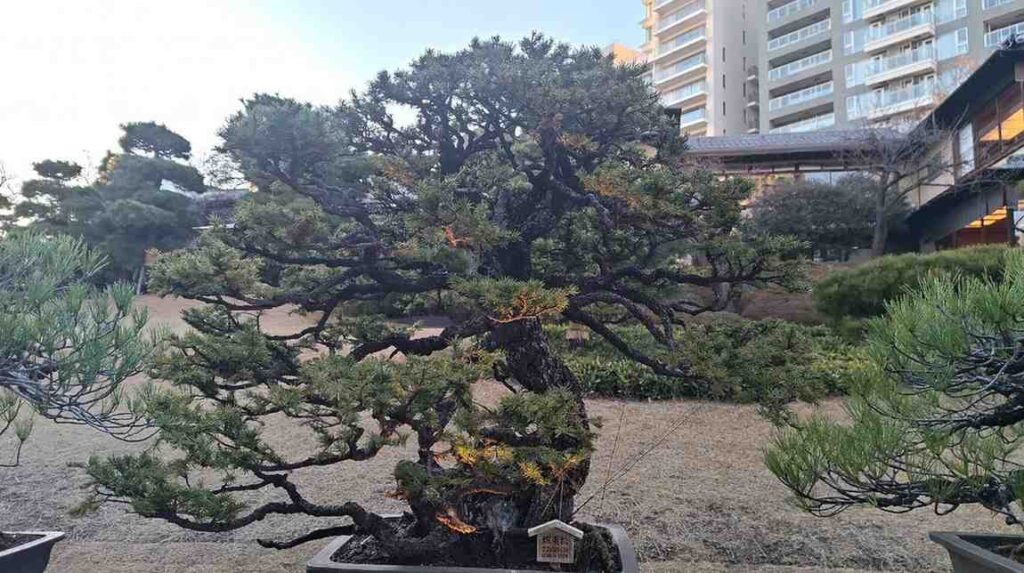
Location: Happo-en Garden
Hidden inside the peaceful grounds of Happo-en Garden in Tokyo is a bonsai tree that has quietly stood the test of time for around 700 years. Just imagine that for a moment—this tree was already growing centuries before modern cities, cars, or even electricity existed.
Happo-en is known for its beautiful traditional garden, and its collection of ancient bonsai feels almost like stepping into a living museum. Among them, this centuries-old bonsai is one of the most admired.

The tree’s thick trunk, carefully balanced branches, and refined shape show the work of generations of bonsai masters. Over the centuries, different caretakers have gently pruned, wired, and nurtured it, making sure its natural beauty continues to shine.
Visitors often find themselves slowing down when they see it. There’s something calming about standing in front of a tree that has quietly witnessed hundreds of years of history.
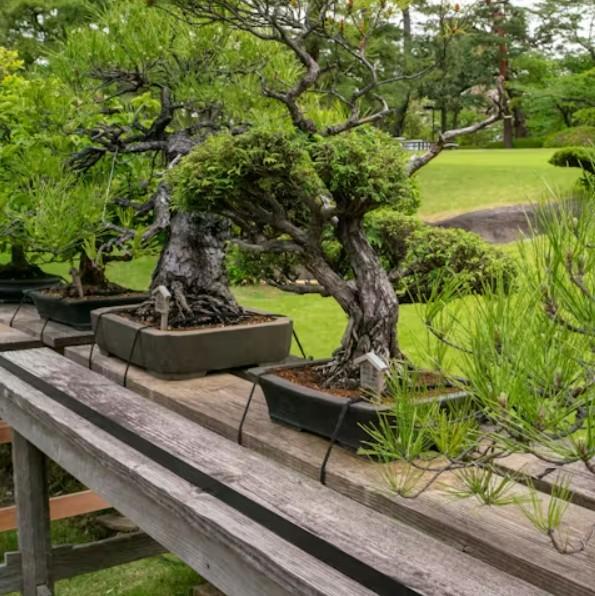
It’s a simple but powerful reminder that bonsai is really about patience. With the right care and dedication, even a small tree in a pot can live longer than many human lifetimes.
6. The Yamaki Pine Bonsai (Survivor of Hiroshima)
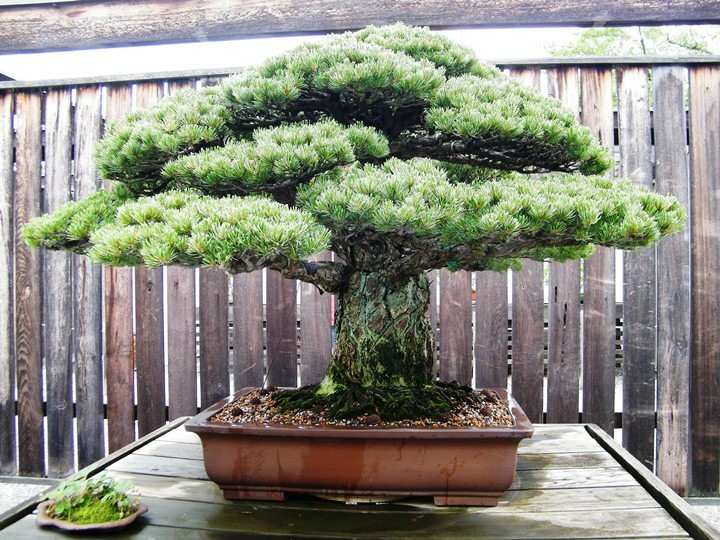
Location: National Bonsai & Penjing Museum
Few bonsai trees carry a story as powerful as the Yamaki Pine Bonsai, a tree that has survived more than 400 years—and one of the most devastating events in human history.
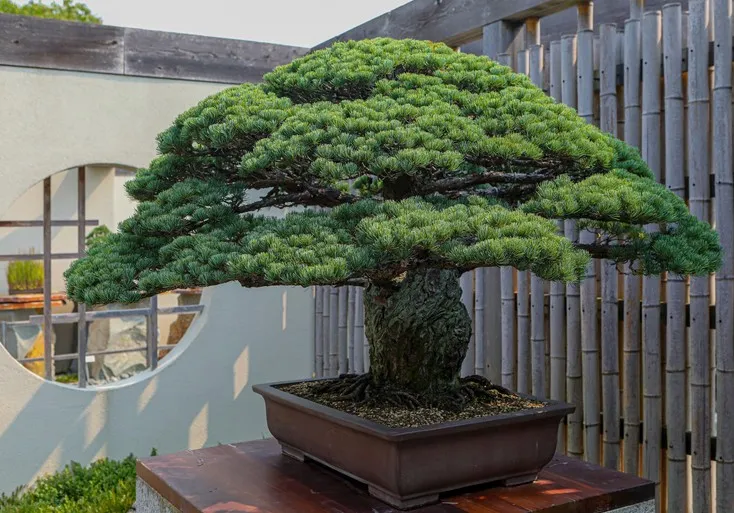
Originally grown by the Yamaki family in Hiroshima, this beautiful Japanese white pine was already centuries old when the atomic bomb was dropped in 1945. Amazingly, the bonsai survived the blast because it was protected by the walls of the family’s nursery.
For years, the tree’s incredible story wasn’t widely known. Then in 1976, the Yamaki family donated the bonsai to the National Bonsai & Penjing Museum in Washington, D.C. as part of a gift from Japan to the United States.
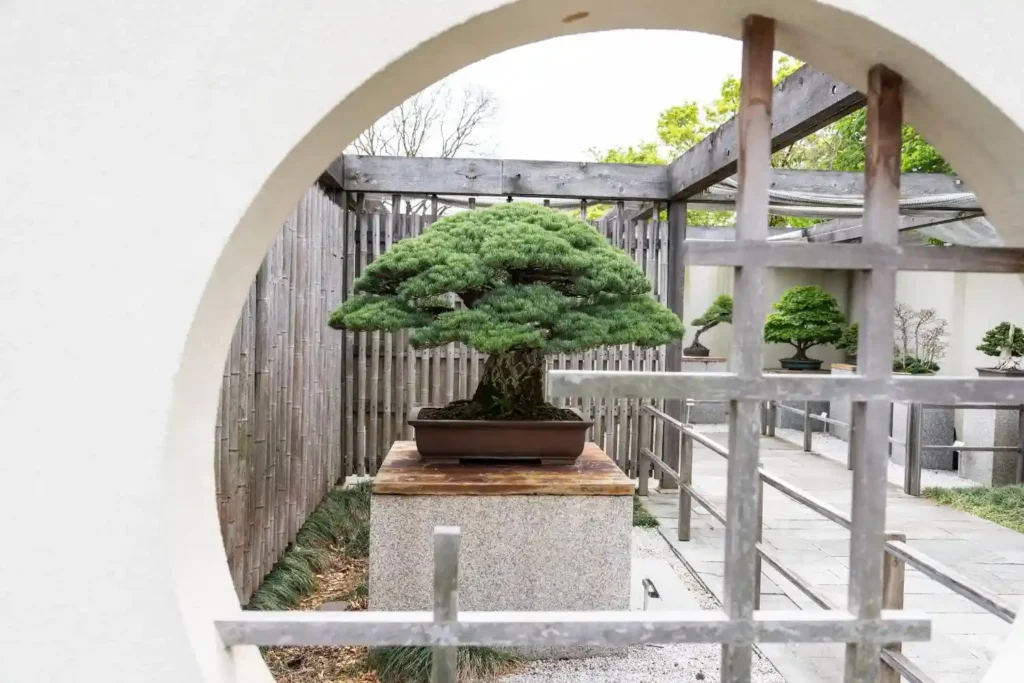
Today, visitors who see the tree often feel a deep sense of respect. It’s not just a beautiful bonsai—it’s a living symbol of resilience, peace, and history.
Standing in front of it, you realize that this small tree has quietly witnessed centuries of human life, tragedy, and hope… and it’s still growing today. 🌿
7. The 350-Year-Old White Pine Bonsai
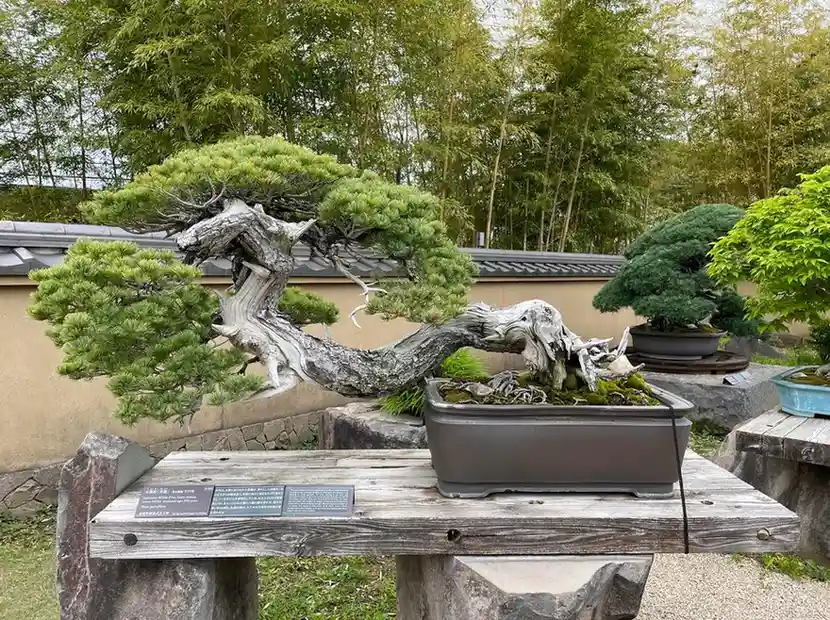
Location: Omiya Bonsai Art Museum
At the Omiya Bonsai Art Museum in Japan, one of the most elegant trees you’ll come across is a 350-year-old Japanese white pine bonsai. While it may not be the oldest on the list, its beauty and refinement make it truly unforgettable.
What makes this bonsai special is its graceful shape. The branches spread out in a balanced, almost cloud-like pattern, giving the tree a calm and peaceful presence. Every branch has been carefully trained over centuries to create that classic bonsai silhouette people instantly recognize.
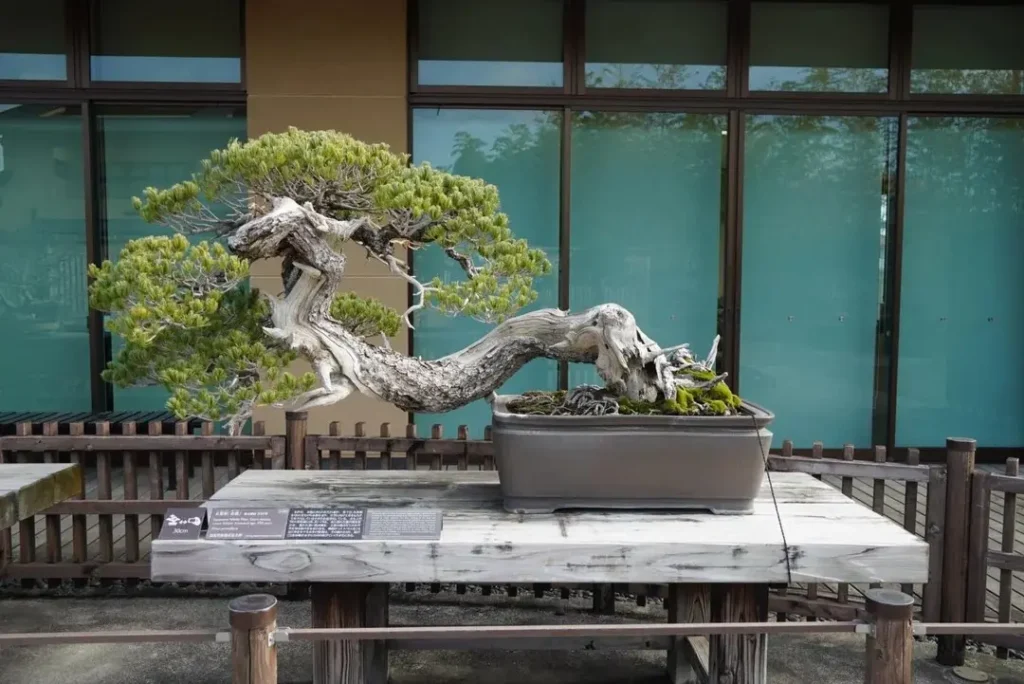
But what’s really amazing is the number of hands that have cared for this tree over the years. Imagine generations of bonsai masters gently pruning, shaping, and watering the same tree—each one helping it live a little longer.
Visitors often pause longer in front of this bonsai because it feels so balanced and harmonious. It’s not flashy or dramatic, but there’s something incredibly soothing about it.
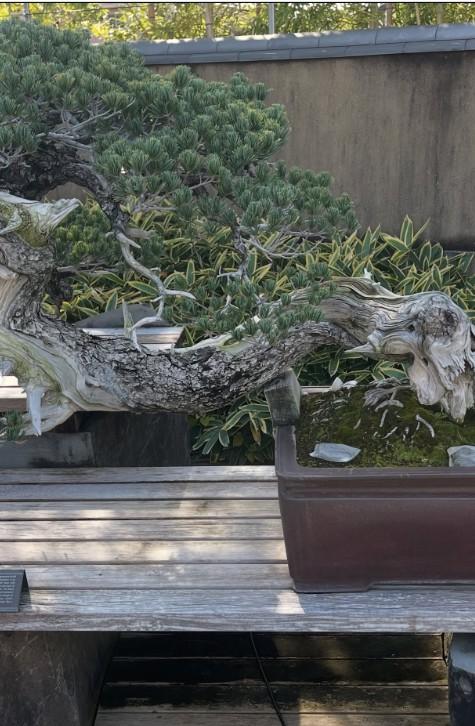
In many ways, this white pine shows what bonsai is all about: quiet beauty, patience, and the idea that great things take time to grow.
8. The 300-Year-Old Shimpaku Juniper Bonsai

Location: Japan
The Shimpaku juniper is one of the most beloved species in the bonsai world, and some of the finest examples are around 300 years old. Even though that might sound “young” compared to thousand-year-old trees, three centuries is still an incredible lifespan for a bonsai.
What really sets the Shimpaku apart is its dramatic deadwood features, known as jin and shari. These natural-looking bleached sections of wood give the tree a rugged, weathered appearance—almost like it has survived centuries of harsh mountain winds.

Despite its aged look, the foliage remains soft, lush, and vibrant green. That contrast between old, weathered wood and fresh growth is what makes Shimpaku bonsai so captivating.
Bonsai enthusiasts around the world admire these trees because they perfectly capture the feeling of nature in miniature. When you look at a mature Shimpaku, it almost feels like you’re staring at an ancient tree clinging to the side of a mountain.
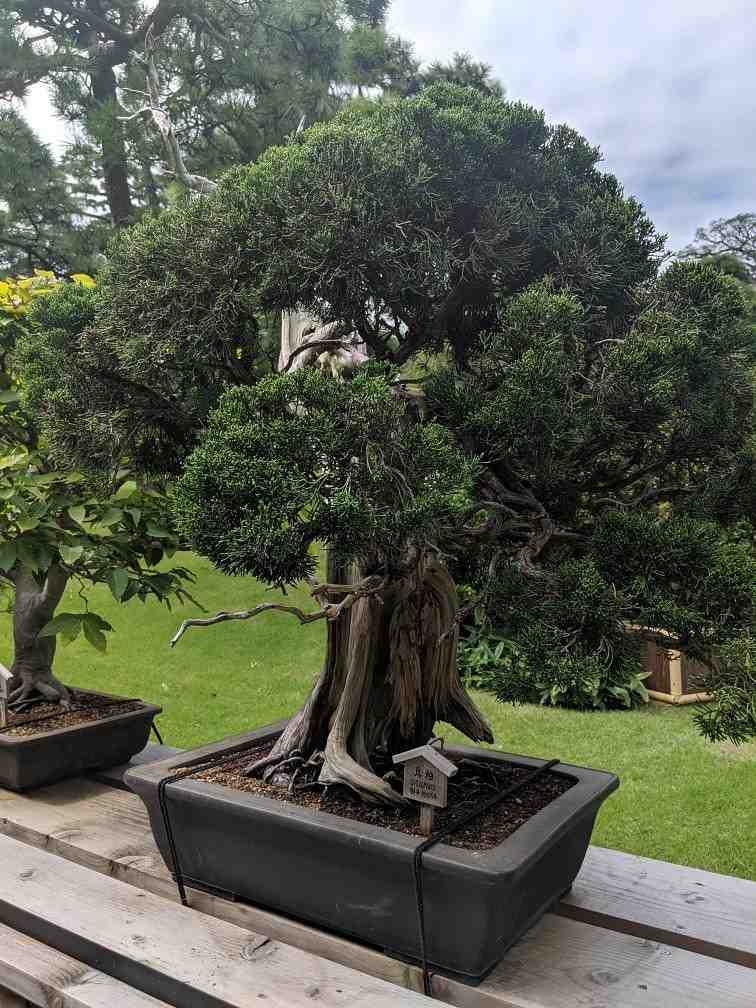
It’s a beautiful example of how bonsai artists work with nature, not against it, to create something timeless.
Where the Oldest Bonsai Trees Are Found
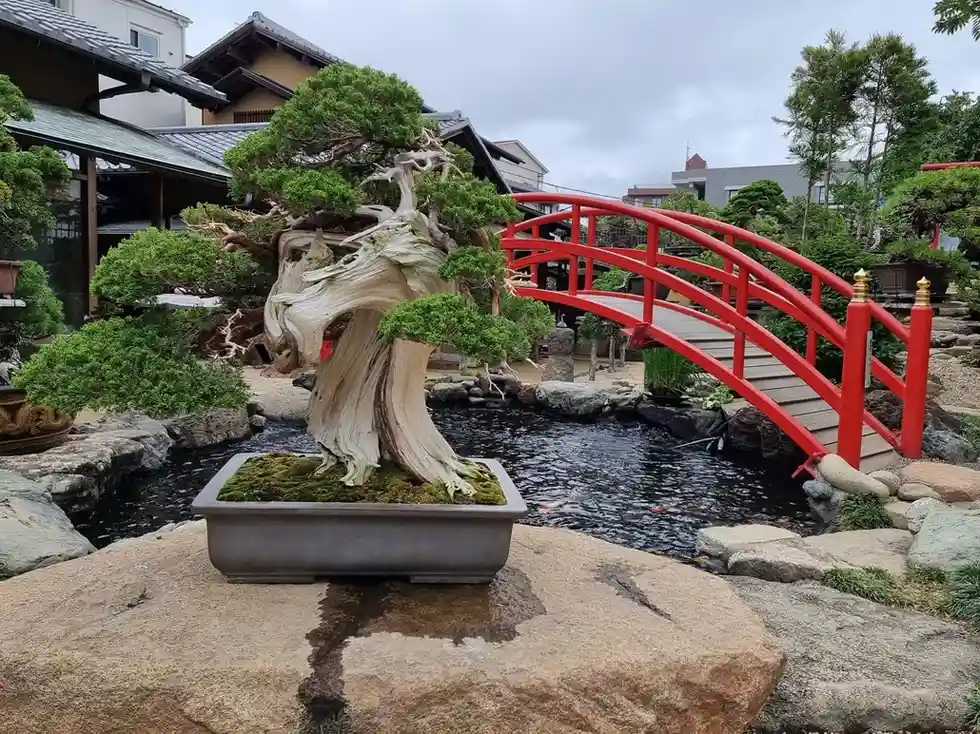
Many of the world’s oldest bonsai trees can be found in Japan, where the art of bonsai has been practiced and refined for centuries. Historic bonsai gardens, such as those in Omiya Bonsai Village, are home to collections of carefully preserved trees that have been nurtured by generations of masters. These places feel almost like living museums, where each bonsai carries its own story.
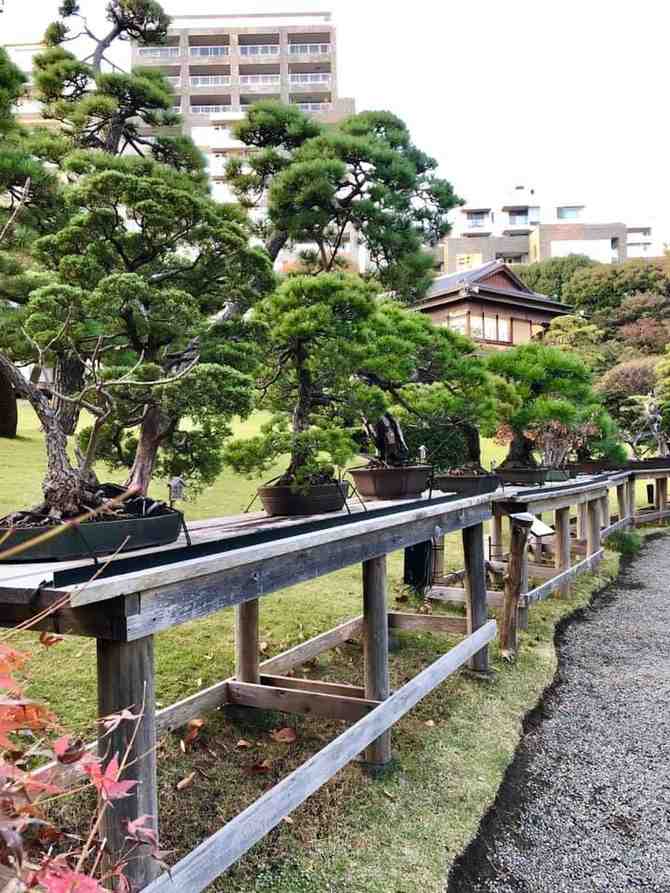
You’ll also find ancient bonsai displayed in bonsai museums and private collections around the world. Some are showcased at international exhibitions, where enthusiasts and artists gather to admire these living masterpieces. Seeing one of these trees up close is a special experience—it’s hard not to feel a sense of wonder knowing the tree has been alive for hundreds of years.
Why Ancient Bonsai Trees Are So Valuable
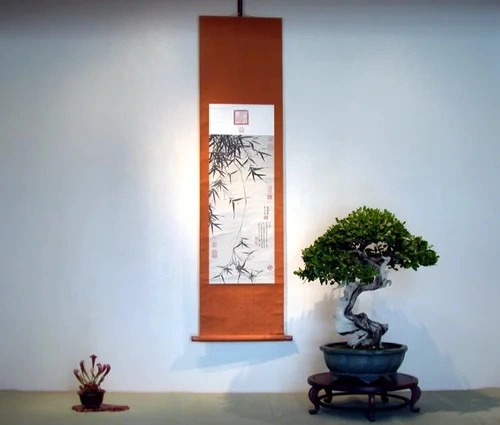
Ancient bonsai are valuable for more than just their age. They represent cultural heritage, often tied to centuries of tradition and craftsmanship. Many have been shaped by multiple bonsai masters, each adding their own touch while carefully preserving the tree’s character.
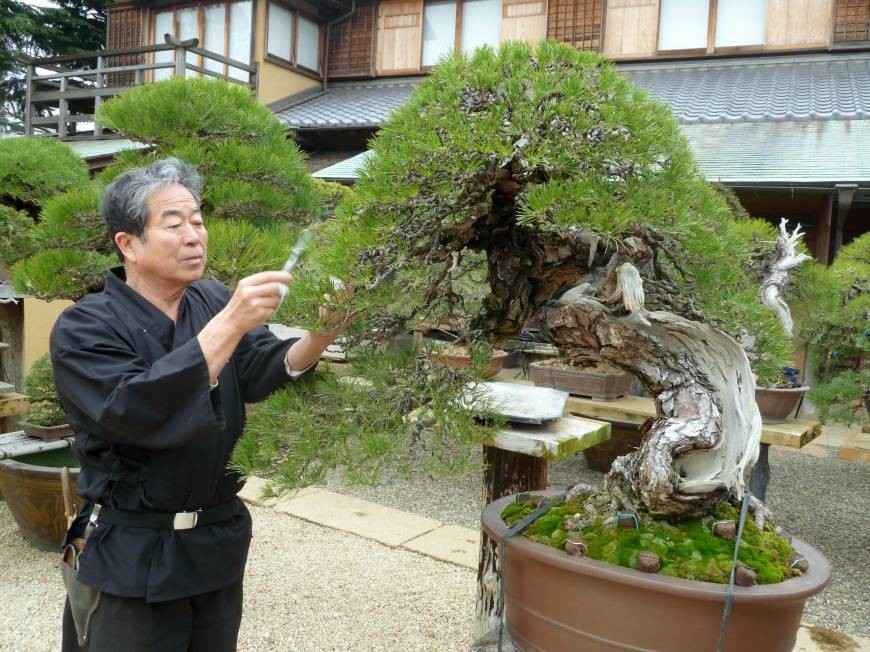
They are also admired for their artistic mastery. The balance of trunk, branches, and foliage takes decades—sometimes centuries—to perfect. In many ways, these trees are living sculptures.
Most importantly, ancient bonsai are living pieces of history, quietly connecting the past with the present.
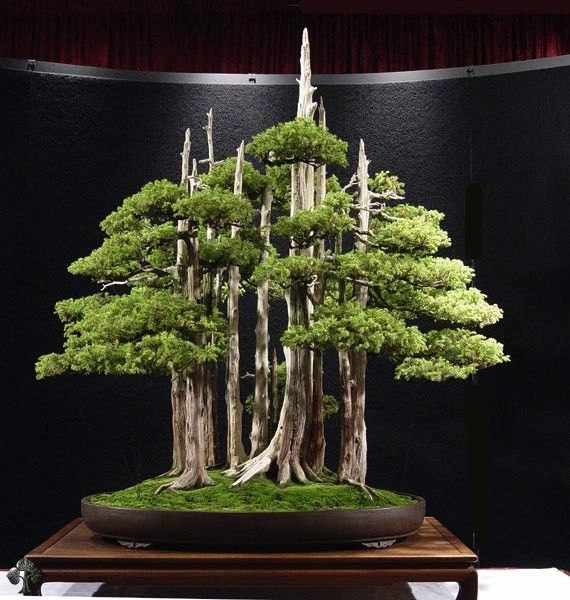
These remarkable bonsai trees remind us that patience and dedication can create something truly timeless. Through careful care and respect for nature, people have kept these trees alive for centuries.
They stand today not just as beautiful plants, but as powerful symbols of harmony between humans and the natural world.
Read Also: