
What if your fence didn’t just mark your property line — but actually fed you? That’s the beauty of an edible fence. Instead of installing something purely functional, you’re creating a boundary that produces fruit, herbs, flowers, and even vegetables. It’s a simple shift in thinking, but it completely changes how your yard works for you.

Edible fences offer privacy just like traditional fencing, but they also support pollinators, improve soil health, and boost curb appeal in a way plain wood or vinyl never could. Imagine walking outside to harvest berries from your hedge, grapes from your fence line, or fresh herbs from a fragrant border. It’s practical, beautiful, and surprisingly doable — even in small suburban yards.
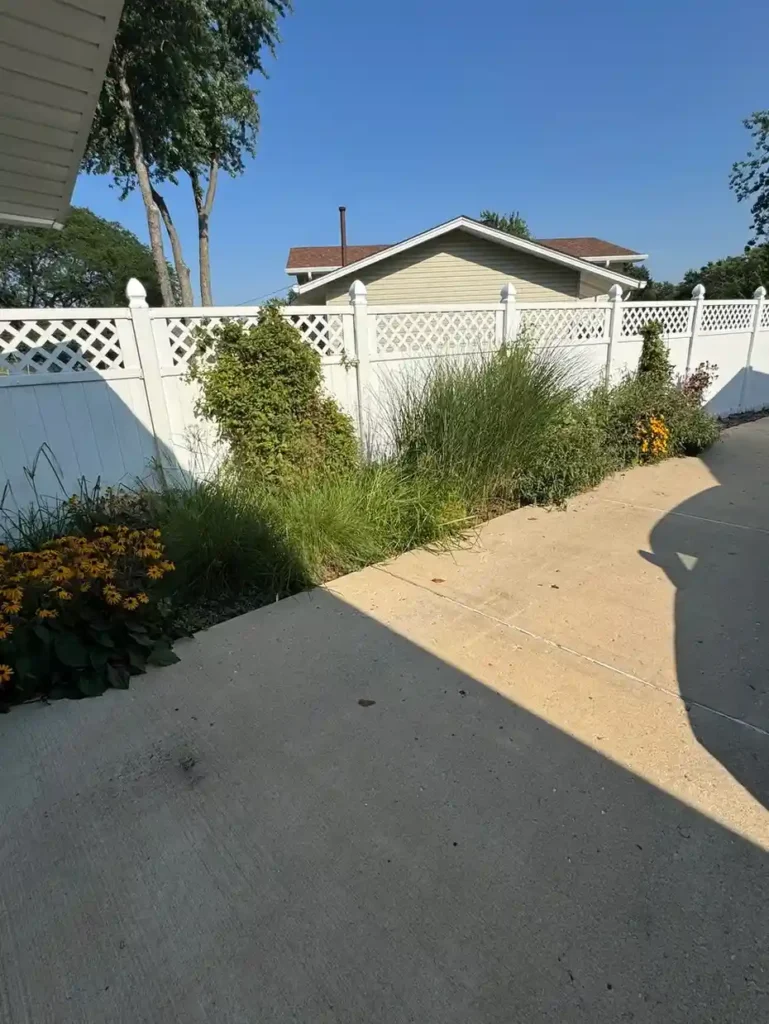
The best part? You don’t need acreage or a full homestead setup to make it happen. Whether you’re working with a narrow side yard, a backyard fence, or even an HOA-approved border, there’s an edible option that fits. Start small if you need to — one section at a time — and you’ll quickly see how a “fence” can become one of the most productive parts of your landscape.
1. Berry Bush Hedge
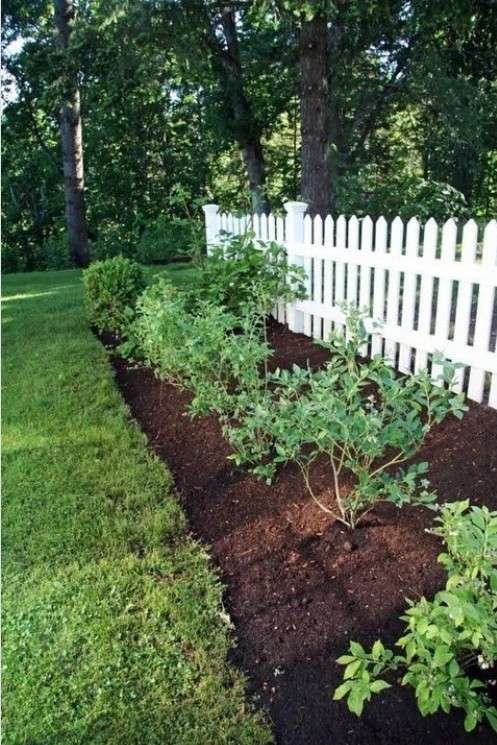
If you want a fence that feels lush, welcoming, and actually feeds you, a berry bush hedge is such an easy win. Blueberries, raspberries, and blackberries naturally grow thick and full, which makes them perfect for creating a soft privacy screen. Instead of staring at plain boards or chain-link, you get greenery in spring, fruit in summer, and often beautiful fall color too. It’s practical — but it also feels a little magical when you can grab a handful of berries on your way inside.
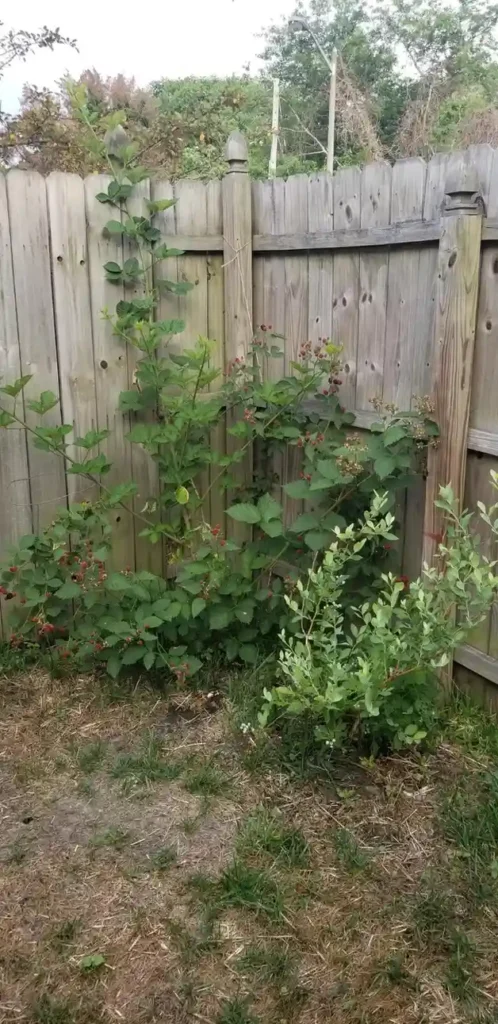
To keep it thriving, plant bushes about 3–5 feet apart (depending on the variety) so air can circulate and reduce disease. Most berries love full sun and benefit from simple yearly pruning to stay productive and tidy. It’s beginner-friendly, works beautifully in suburban yards, and gives you both curb appeal and dessert in one planting.
2. Grape Vine Fence
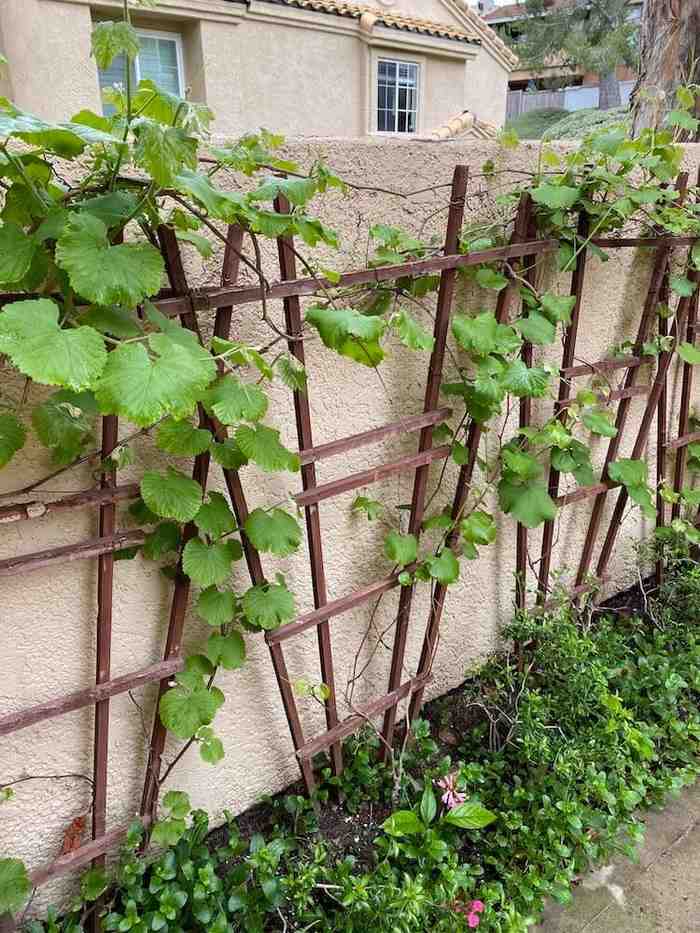
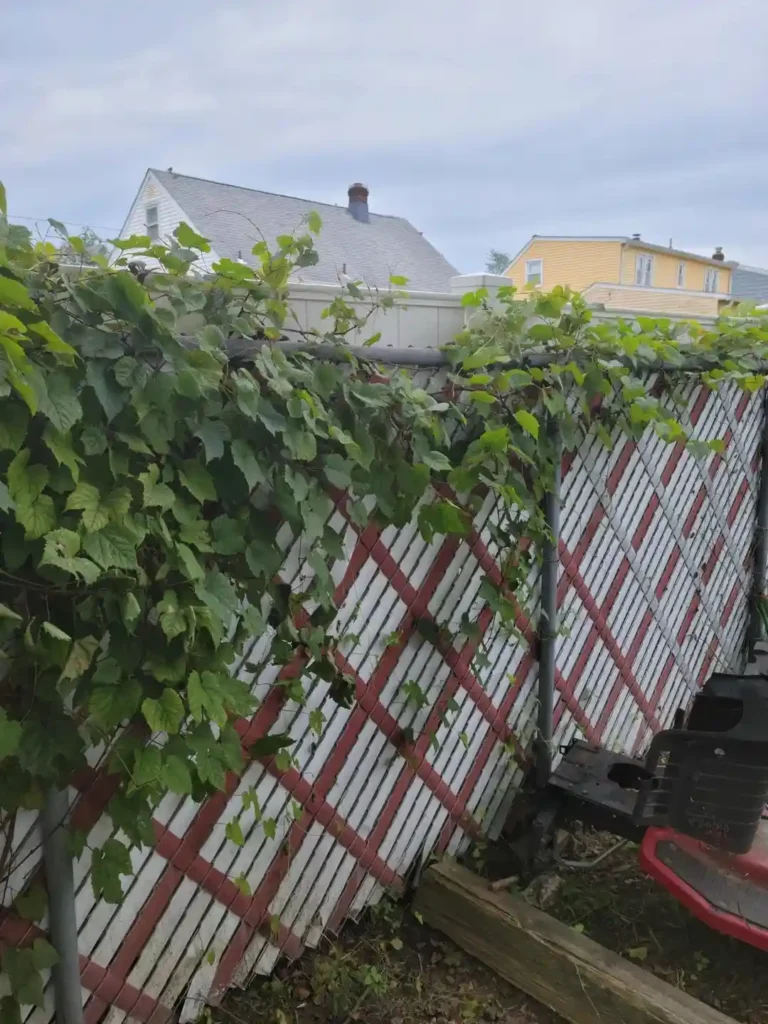
If you already have a fence in place, grape vines can completely transform it. Train them along wire, wood, or even chain-link, and within a season or two you’ll have a living green wall. The broad leaves create shade and privacy, and by late summer you’re harvesting hanging clusters right off the fence. It’s vertical gardening at its best — especially helpful in smaller yards where space is limited.
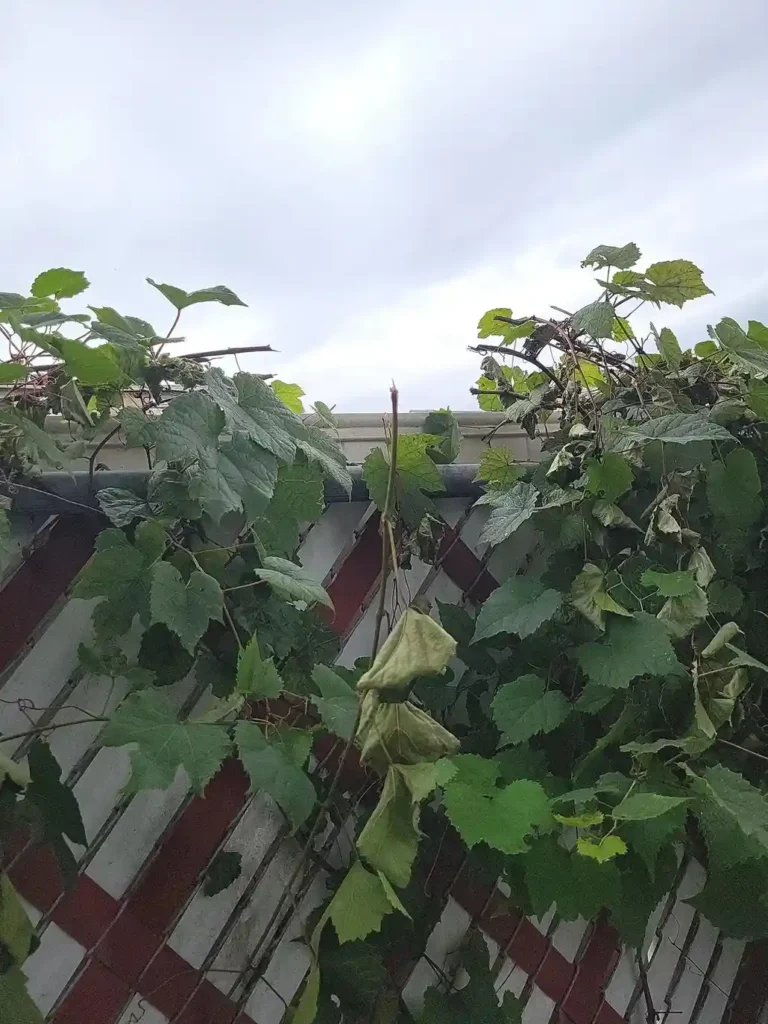
Choose varieties suited to your climate (cold-hardy types for northern regions, heat-loving ones for warm areas), and make sure the support structure is strong. Grapes do need annual pruning, but once you get the hang of it, maintenance is simple. The result feels romantic and vineyard-inspired — a fence that looks beautiful and produces something sweet at the same time.
3. Espalier Fruit Tree Fence
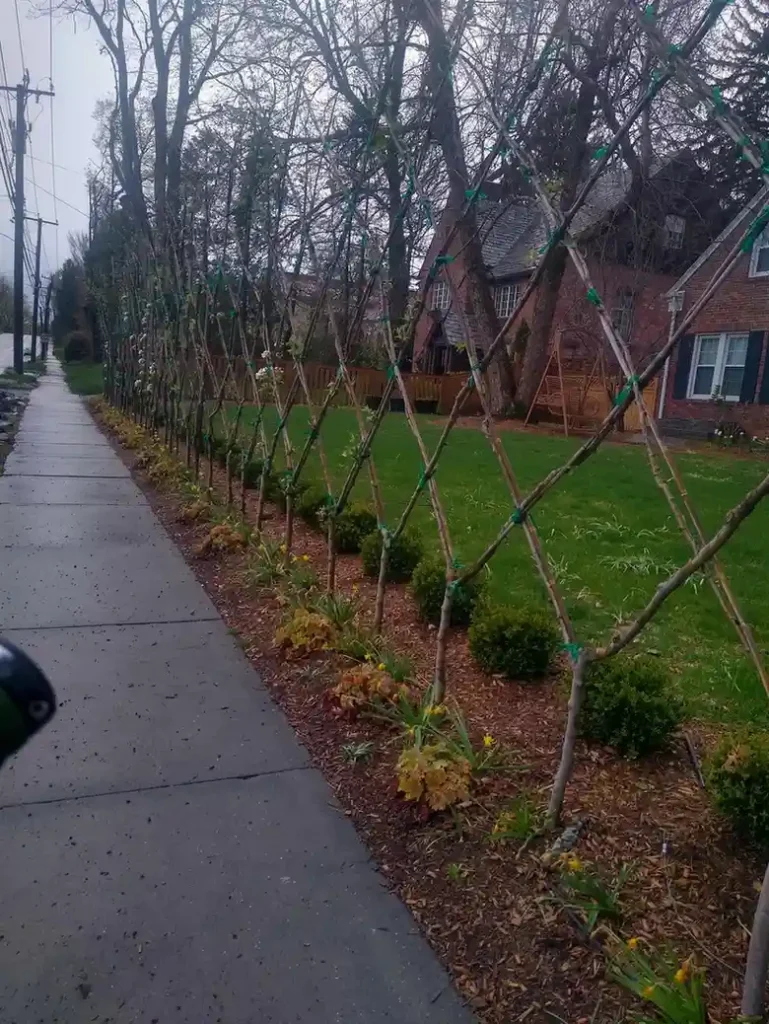
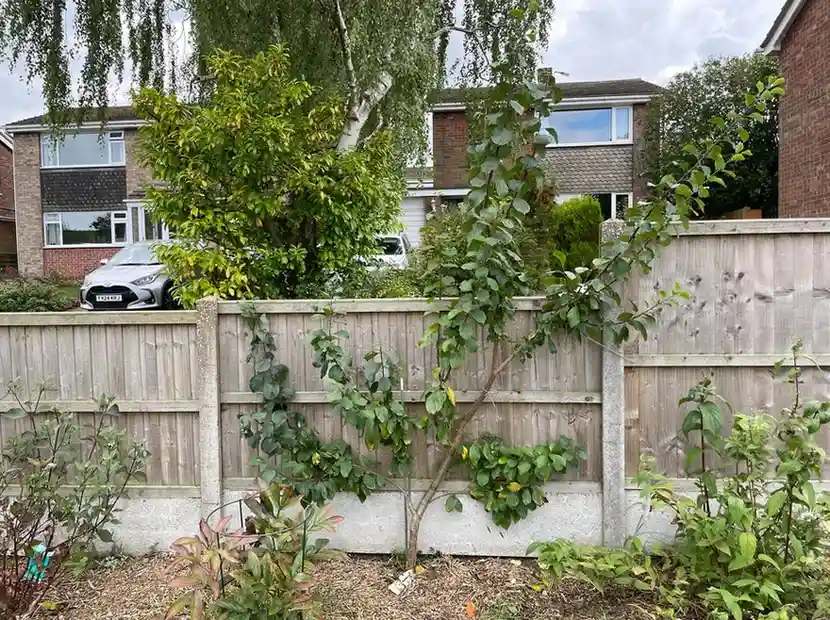
If you love the idea of fruit trees but don’t have space for wide, spreading canopies, espalier might be your new favorite trick. Espalier is simply the art of training fruit trees — like apples, pears, or figs — to grow flat against a fence or wall. Instead of branching out in every direction, the tree is pruned and guided along horizontal wires, creating a beautiful, almost architectural pattern. It feels elegant and intentional, like something you’d see in a European garden.
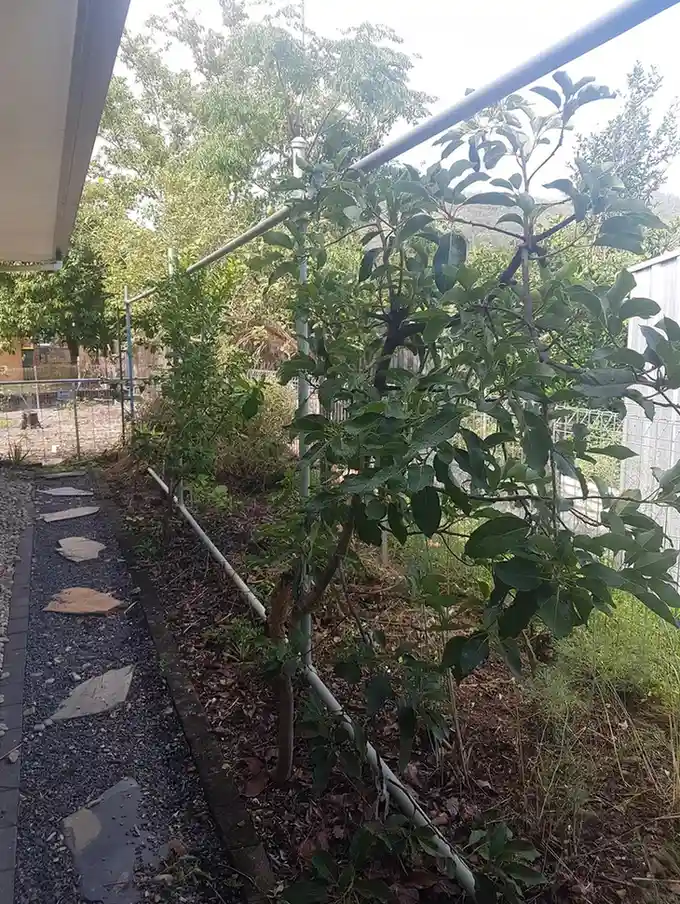
What makes espalier so perfect for fence lines is how space-saving it is. You can grow full-sized fruit on a tree that only takes up a couple of feet of depth. It works beautifully along sunny property lines, brick walls, or wooden fences. Plus, because the branches are exposed and organized, harvesting and pruning are actually easier than with a traditional tree.
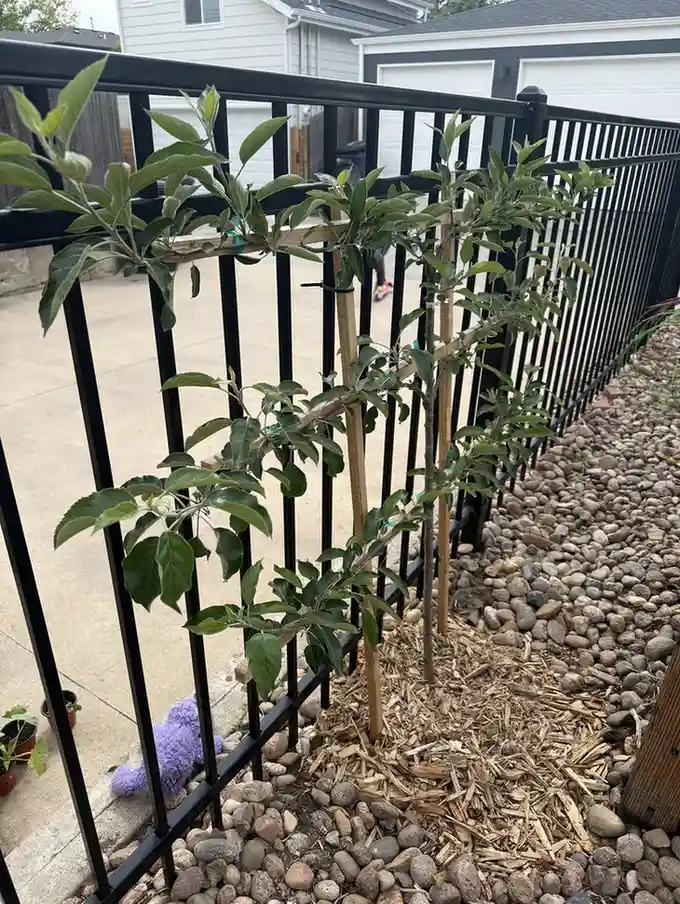
4. Dwarf Fruit Tree Border
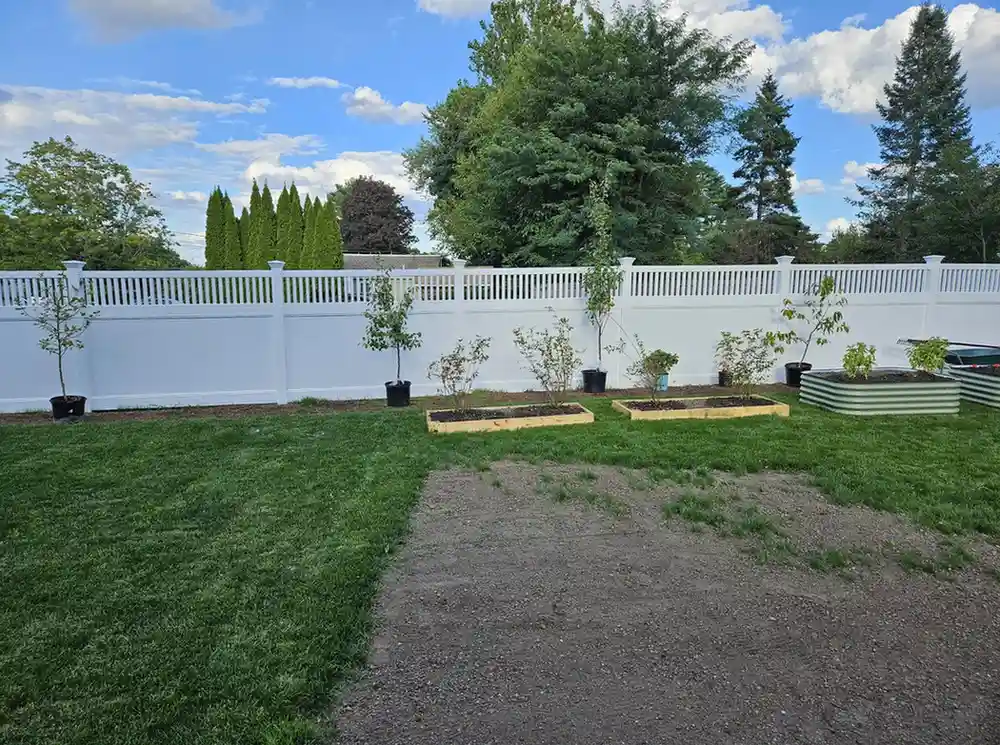
If espalier feels a little too structured, a row of dwarf or semi-dwarf fruit trees is a more relaxed option. Plant them in a neat line along your fence, and you instantly create a soft, productive border. Because they’re smaller than standard fruit trees, they won’t overwhelm your yard — which makes them perfect for suburban lots or compact spaces.
One of the best parts about dwarf trees is how easy they are to harvest. No giant ladders required. You can also layer herbs or low-growing ground covers underneath — think thyme, strawberries, or even leafy greens — to maximize space and create that food-forest feel. It turns a simple fence line into a mini ecosystem.
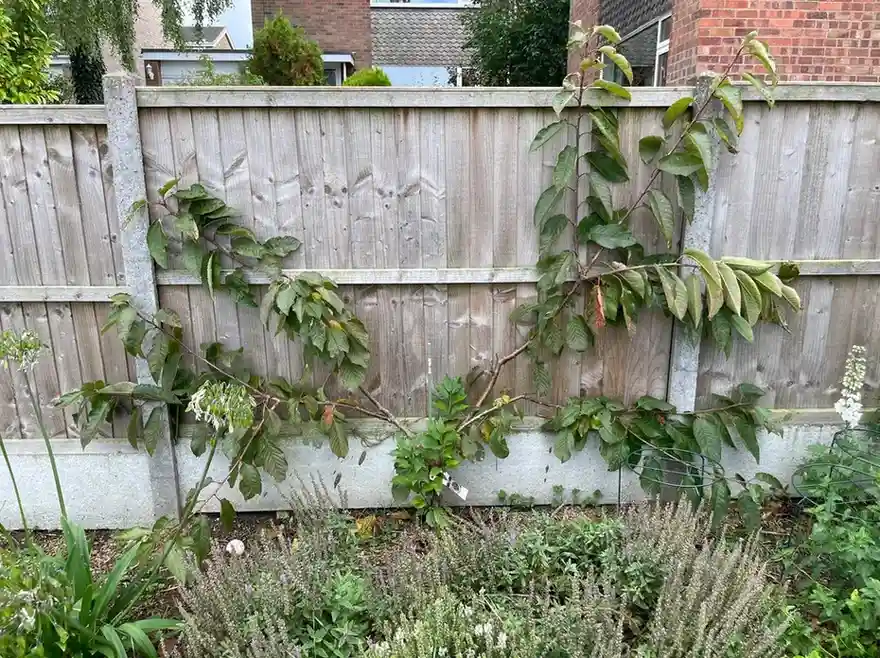
For best results, give each tree enough space for airflow (usually 8–12 feet apart depending on the variety) to help prevent disease. Choose varieties suited to your climate, and make sure they get full sun for the sweetest fruit. It’s a straightforward setup that feels abundant without being overwhelming — a fence line that quietly produces year after year.
5. Living Herb Fence
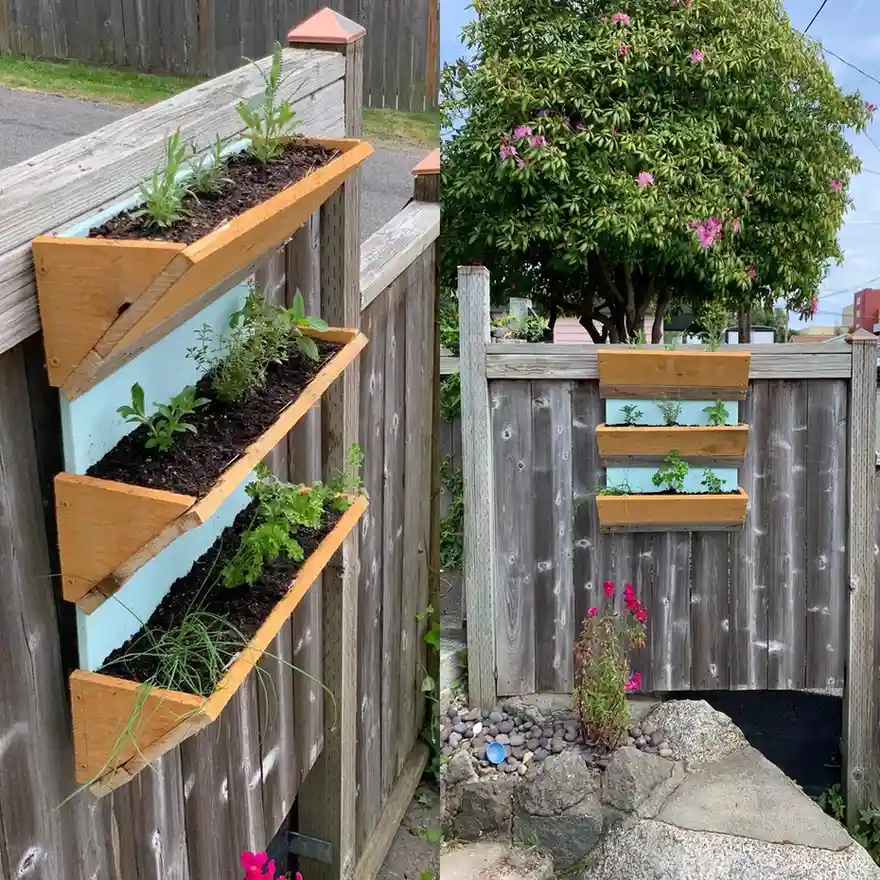
If you want something low-maintenance, beautiful, and incredibly useful, a living herb fence is such a smart choice. Herbs like rosemary, lavender, sage, and thyme naturally grow in tidy mounds or soft hedges, making them perfect for lining a fence or defining a sunny border. Instead of a plain edge, you get texture, fragrance, and fresh ingredients just steps from your kitchen.
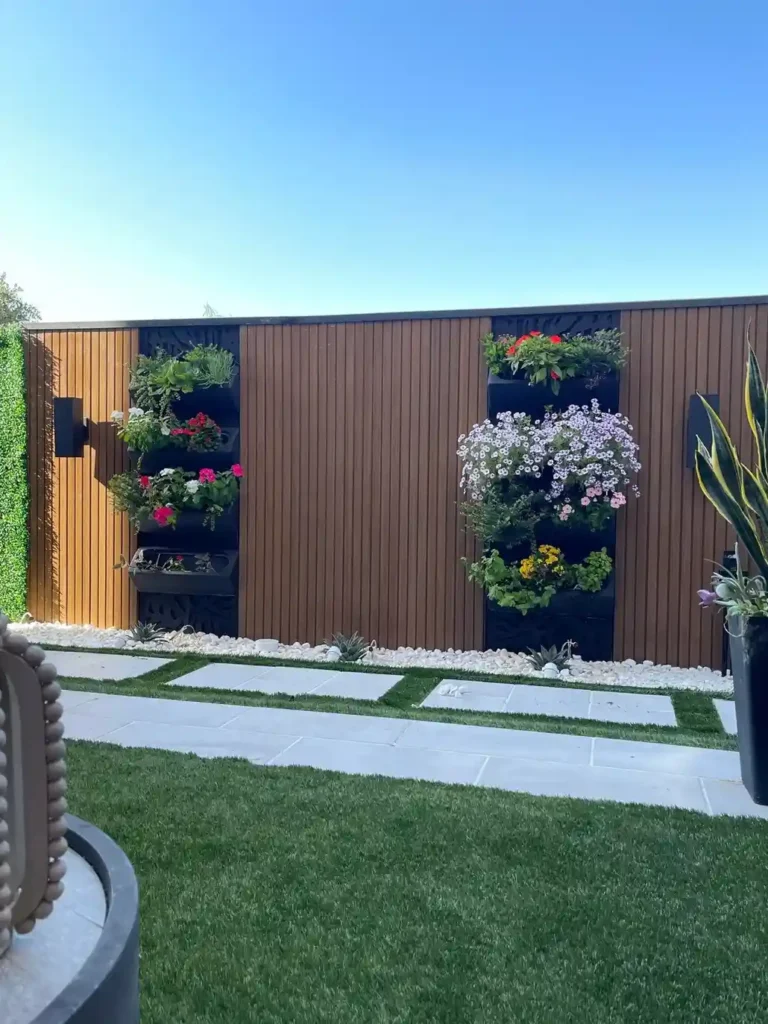
One of the best parts? Most culinary herbs thrive in full sun and actually prefer well-drained soil and slightly drier conditions. That means less watering and less fuss compared to many other plants. Lavender adds soft purple blooms and pollinator buzz, rosemary can grow dense enough to act as a semi-privacy screen, and thyme makes a beautiful low ground cover that fills gaps.
This option works especially well for front yards or HOA-conscious neighborhoods because it looks polished and intentional. It feels decorative first — edible second — which makes it an easy sell if you want a productive yard without it looking like a vegetable patch.
6. Climbing Beans on a Trellis Fence
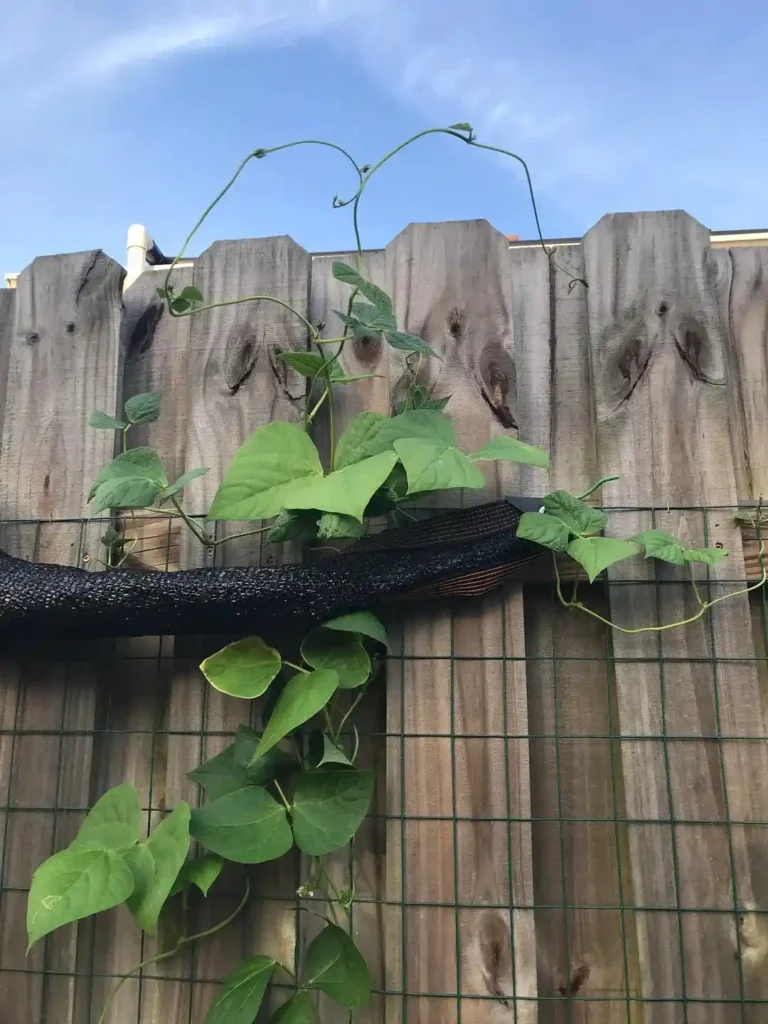
If you’re looking for a fast, budget-friendly edible fence idea, climbing beans are hard to beat. Pole beans grow quickly and love to climb, which makes them perfect for wire fencing, simple wooden trellises, or even DIY string supports. In just a few weeks, you can turn an open fence line into a lush green wall.
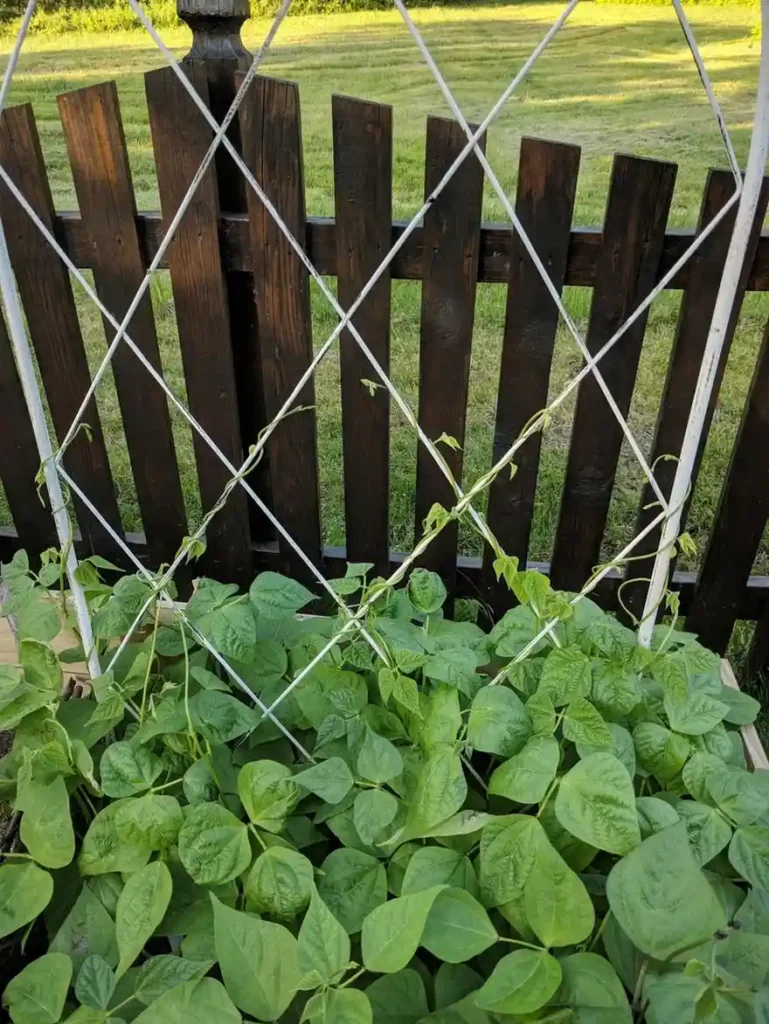
They’re especially great for summer privacy. By mid-season, the vines are thick with leaves and dangling beans, creating a soft screen that feels vibrant and alive. Plus, beans naturally add nitrogen back into the soil, which improves garden health over time. It’s one of those rare options that’s productive and regenerative at the same time.
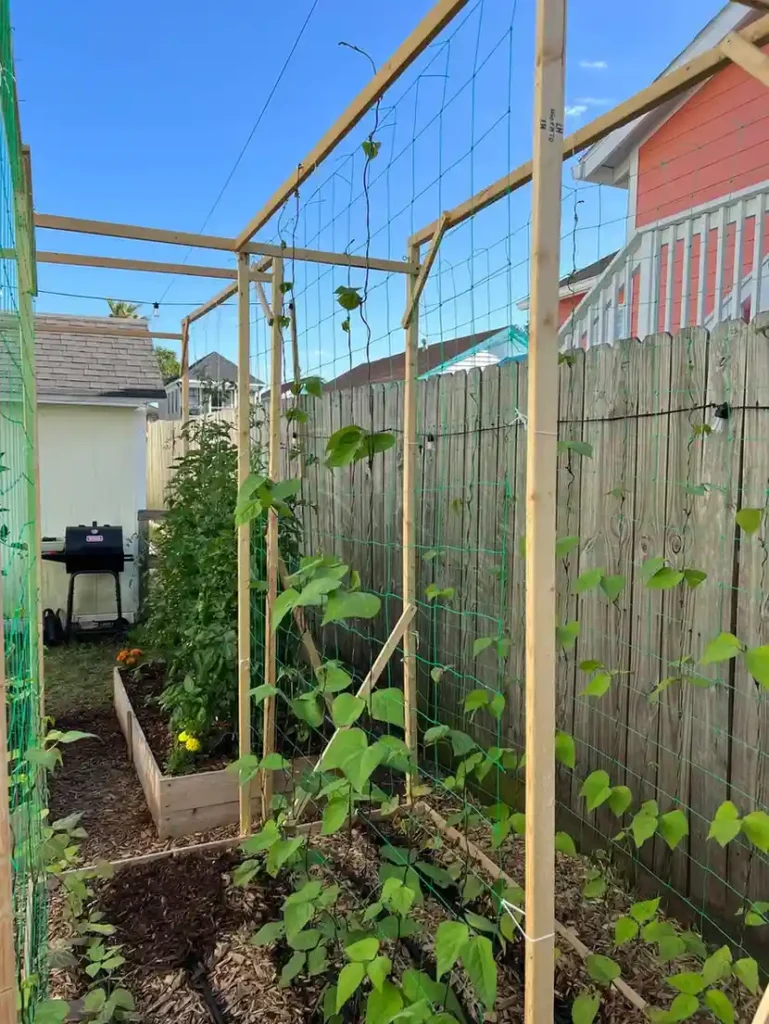
Since beans are annuals, this setup is flexible. You can switch varieties each year or rotate with other climbers if you want something different next season. It’s a low-commitment way to experiment — perfect if you’re just starting out with edible landscaping.
7. Edible Flower Fence
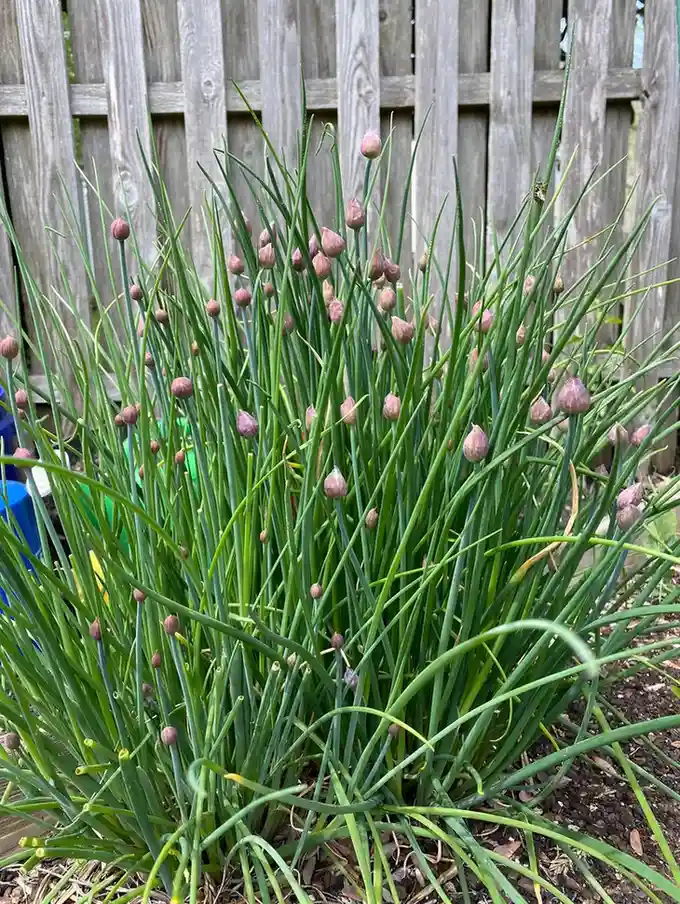
If you want your fence line to feel cheerful and colorful — not just productive — edible flowers are such a fun option. Plants like nasturtiums, calendula, and chives don’t just look pretty; they’re completely usable in the kitchen. Toss nasturtium leaves into salads for a peppery kick, sprinkle calendula petals over dishes for color, or snip chive blossoms for a mild onion flavor. It’s beauty you can actually harvest.
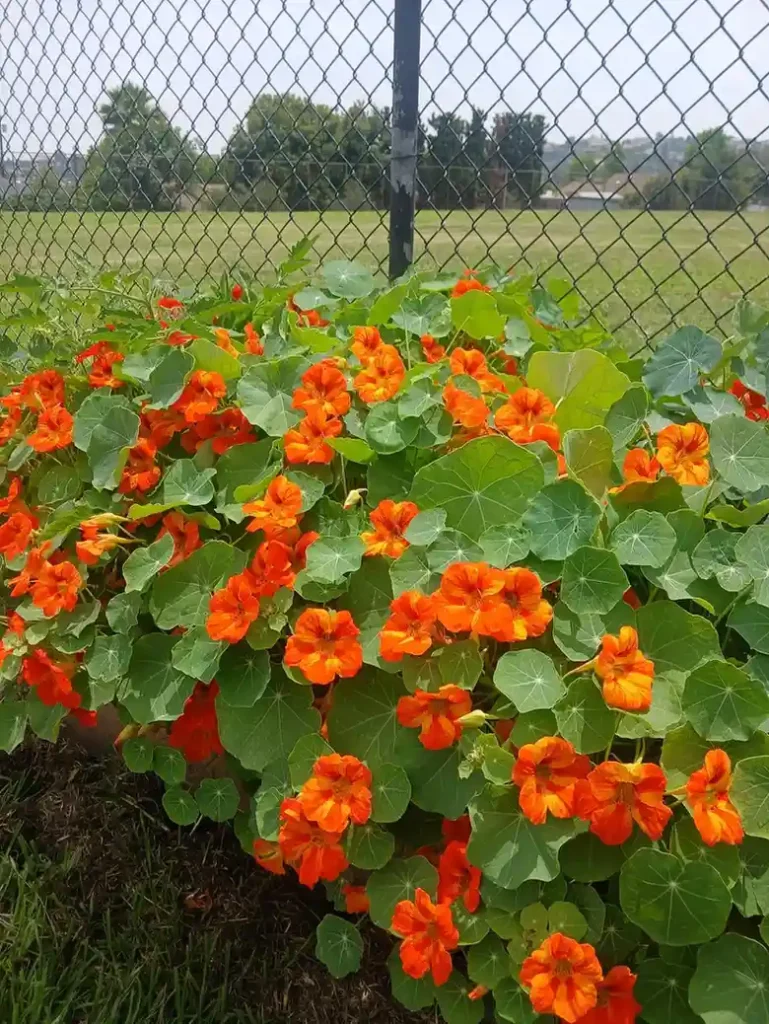
This kind of fence is especially pollinator-friendly. Bees and butterflies are naturally drawn to flowering plants, so you’re supporting your whole garden ecosystem at the same time. And visually, edible flowers soften hard fence lines instantly. Instead of a flat backdrop, you get movement, texture, and pops of color throughout the growing season.
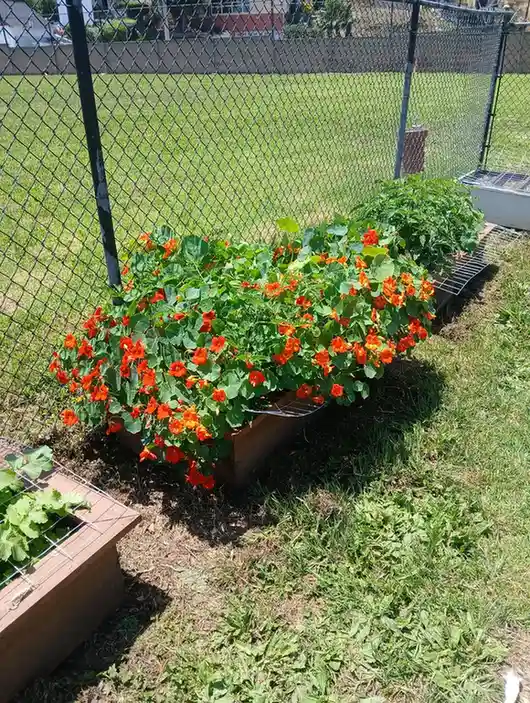
You can keep it simple with a single variety, or mix flowers with leafy greens like lettuce or kale for contrast. The combination feels abundant and layered without being overwhelming. It’s a great choice if you want something playful, productive, and easy to refresh seasonally.
8. Bamboo (Edible Variety) Privacy Screen
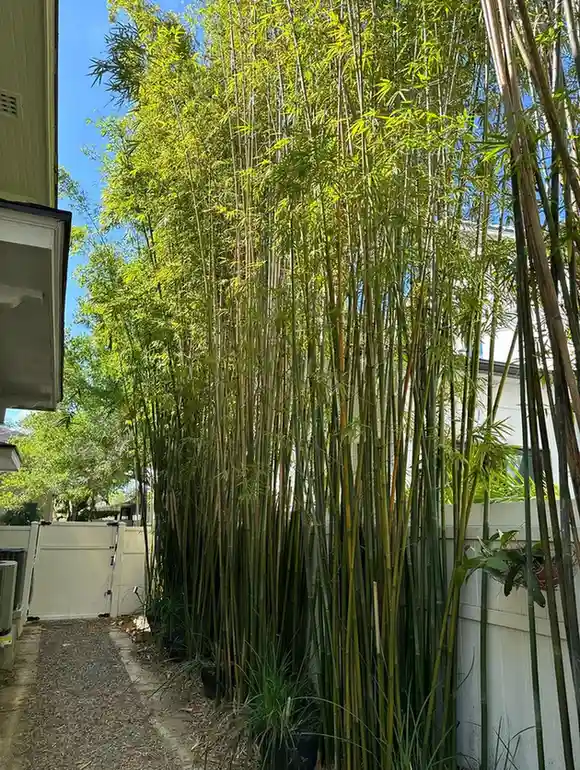
If privacy is your top priority, edible bamboo can create a fast-growing, dramatic screen. Certain varieties produce young shoots that are edible when harvested at the right stage, while the tall, upright canes form a dense living wall. It’s one of the quickest ways to block an unwanted view and add a modern, tropical feel to your yard.
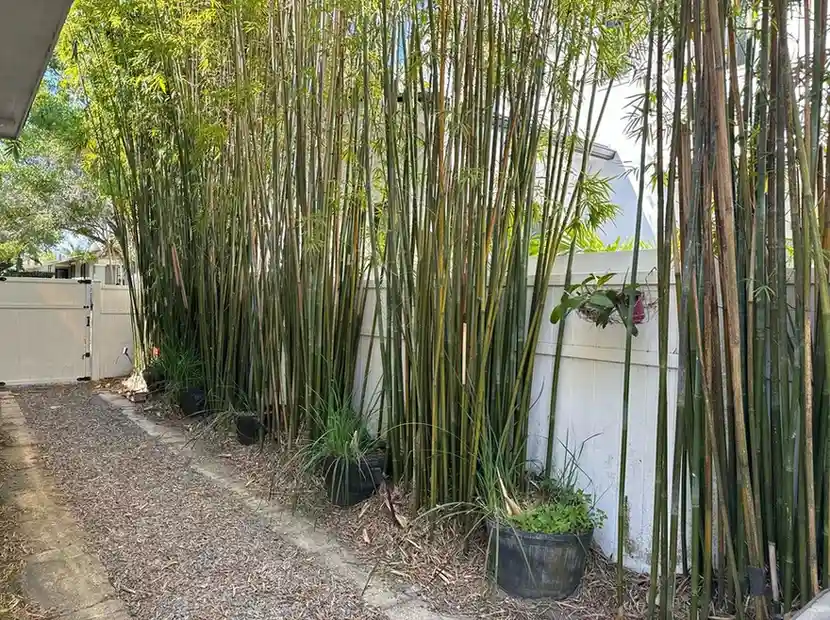
That said, bamboo requires a little planning. The most important distinction is clumping vs. running varieties. Clumping bamboo stays contained and grows in tidy clusters — much easier to manage in suburban settings. Running bamboo spreads aggressively and can quickly take over if not controlled with barriers. For most home gardens, clumping types are the safer choice.
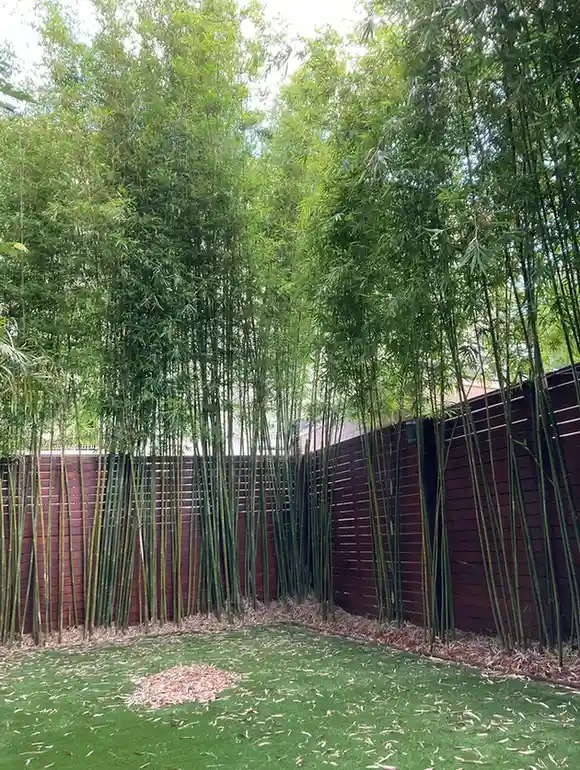
When planted thoughtfully, bamboo feels lush and architectural at the same time. It sways in the wind, provides year-round greenery in many climates, and gives your yard that peaceful, private atmosphere — while still offering an edible bonus if you choose the right variety.
9. Mixed Food Forest Hedge
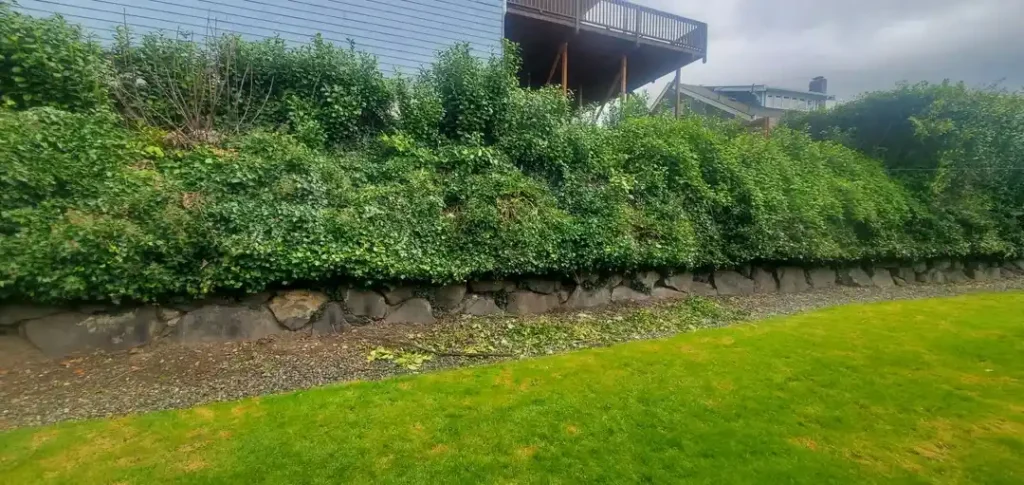
If you love the idea of abundance — like, truly layered, thriving abundance — a mixed food forest hedge is where things get exciting. Instead of planting just one type of shrub, you combine fruit bushes, perennial greens, herbs, and even flowering plants all along your fence line. Think blueberries mixed with currants, rosemary tucked underneath, maybe some strawberries spreading at the base. It’s not just a hedge — it’s a mini ecosystem.
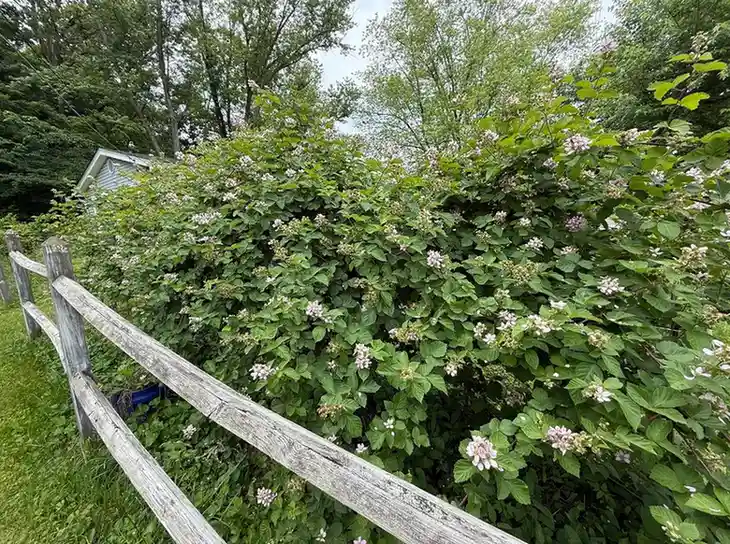
This multi-layer approach follows simple permaculture principles: taller shrubs in the back, medium plants in the middle, ground covers below. The result feels natural and lush rather than stiff or uniform. It also supports wildlife and pollinators, giving your yard more life overall. Birds, bees, and beneficial insects all find something to love.
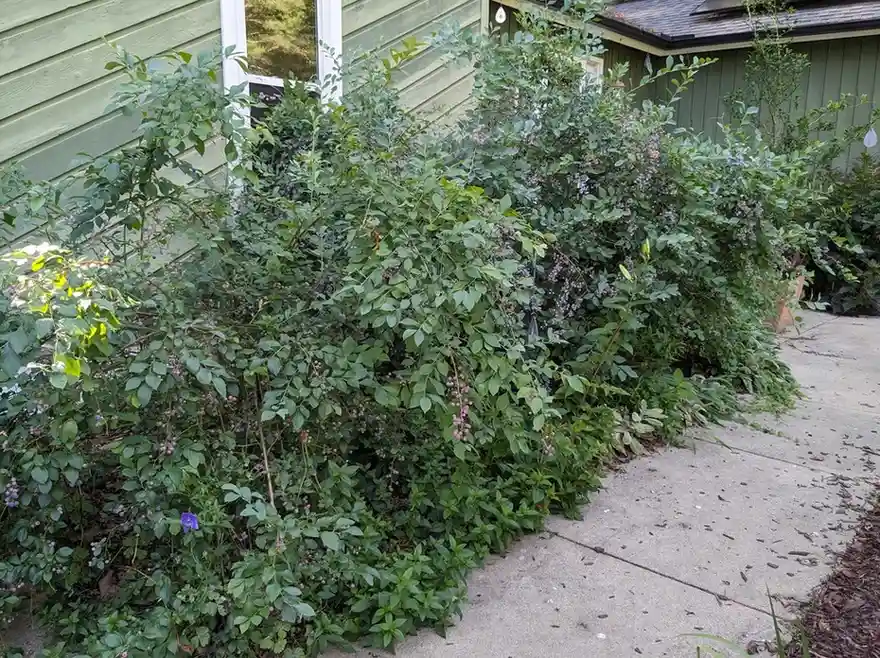
The beauty of a food forest hedge is that it doesn’t have to be perfect. It can evolve over time. Start with a few shrubs, add herbs next season, maybe tuck in perennial greens later. It’s forgiving, productive, and full of personality — especially if you enjoy a slightly wilder, cottage-style look.
10. Kiwi or Passionfruit Vine Fence
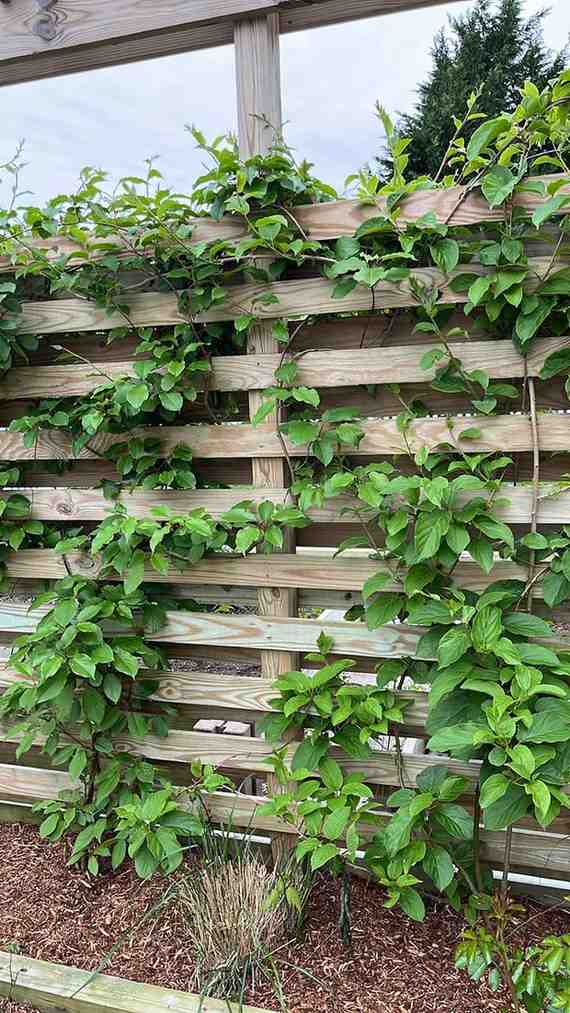
If you’re in a warm or mild climate and want something dramatic, kiwi or passionfruit vines can turn a simple fence into a tropical escape. These vines are vigorous climbers, meaning they grow quickly and fill in gaps beautifully. Trained along a pergola-style fence or sturdy trellis, they create a dense green curtain that offers privacy and shade — with fruit as the bonus.
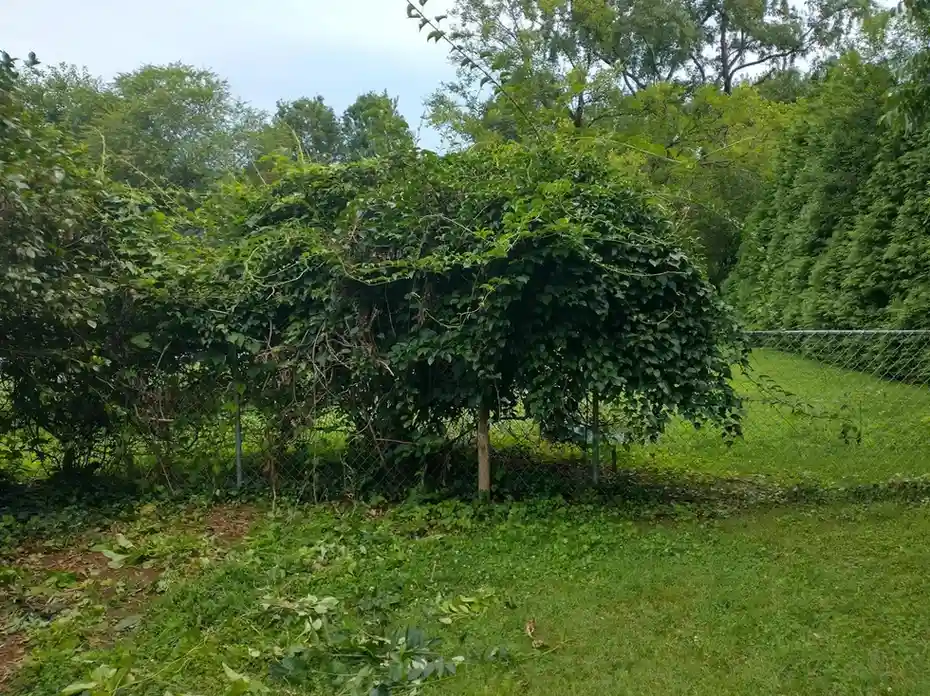
There’s something especially satisfying about harvesting kiwi or passionfruit from your own fence line. The lush leaves give that almost jungle-like feel, and when fruit starts forming, it feels like you’ve unlocked a secret garden feature. Just keep in mind that these plants need strong support and regular pruning to stay manageable — they grow with enthusiasm.
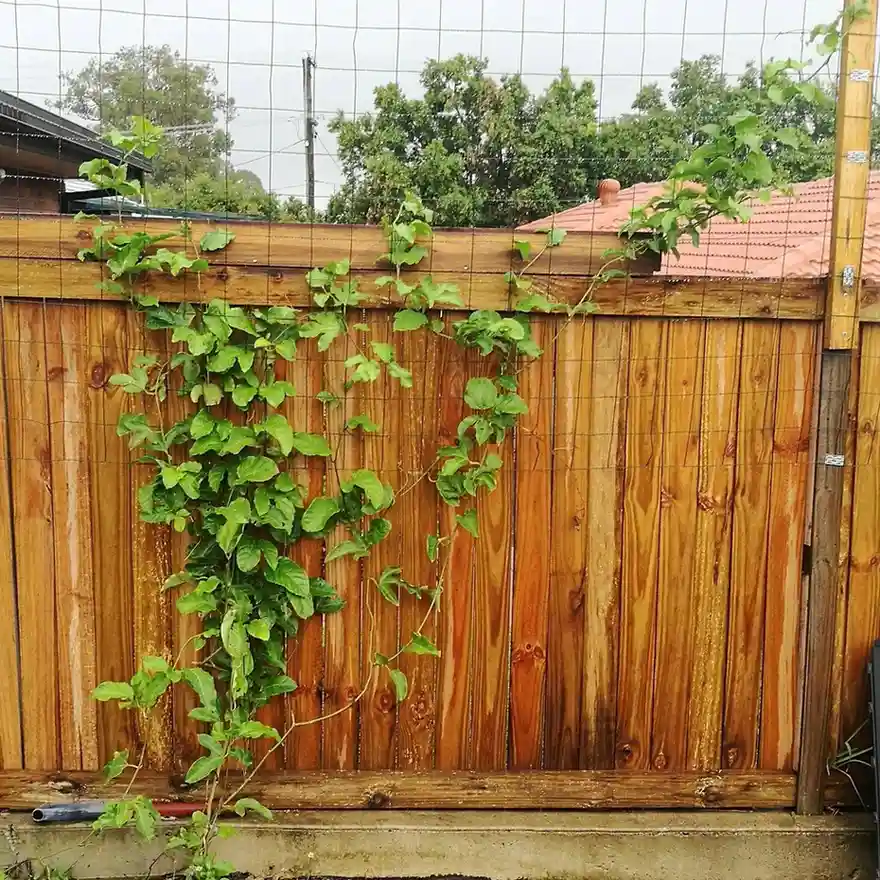
Choose varieties suited to your climate (hardy kiwi for cooler zones, passionfruit for warmer regions), and give them full sun for best results. With the right setup, this kind of edible fence feels bold, abundant, and just a little bit luxurious — like your backyard decided to go on vacation and brought you along.
11. Willow with Edible Understory
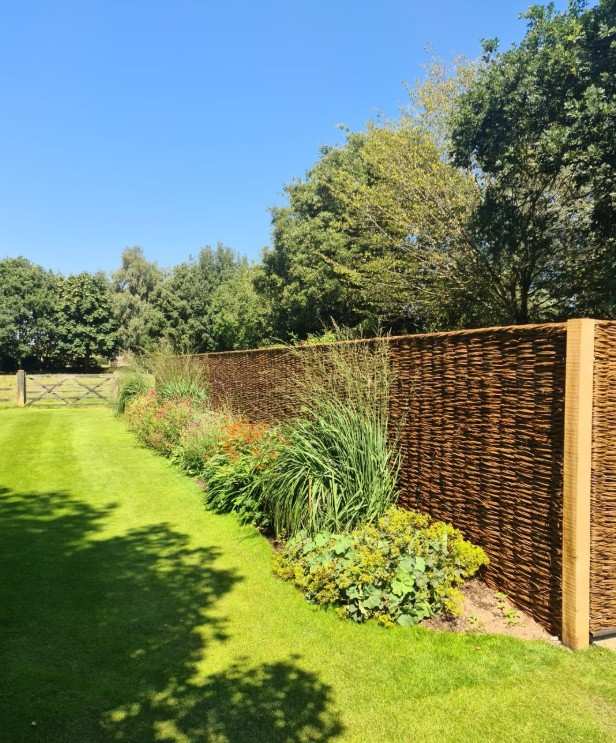
If you’re drawn to that rustic, storybook cottage feel, a living woven willow fence is something really special. Willow branches can be planted closely together and woven as they grow, creating a natural, flexible fence that feels handcrafted and timeless. Over time, it becomes this beautiful living structure — soft, organic, and full of character.
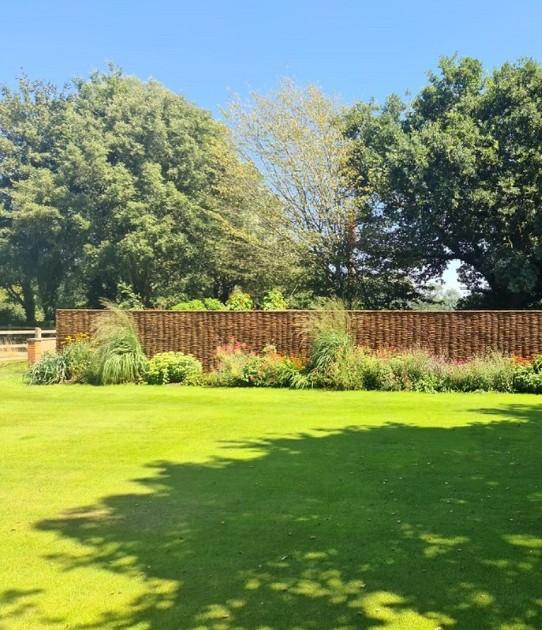
What makes this idea even better is what you plant underneath. Strawberries, leafy greens, or shade-tolerant herbs can thrive at the base, turning the space into a layered, productive border. The willow provides structure and partial shelter, while the understory plants give you food right at ground level. It’s simple, charming, and surprisingly functional.
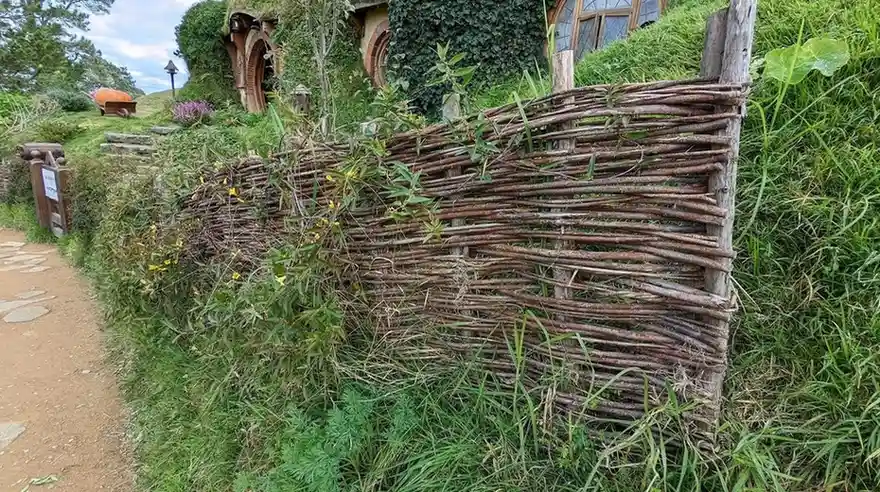
Seasonal maintenance mostly involves trimming new willow growth to keep the shape intact and tidy. It’s not a “set it and forget it” option, but if you enjoy a hands-on, natural garden style, it’s incredibly rewarding. The result feels less like a fence — and more like a living piece of art you can harvest from.
12. Raised Bed Fence Line
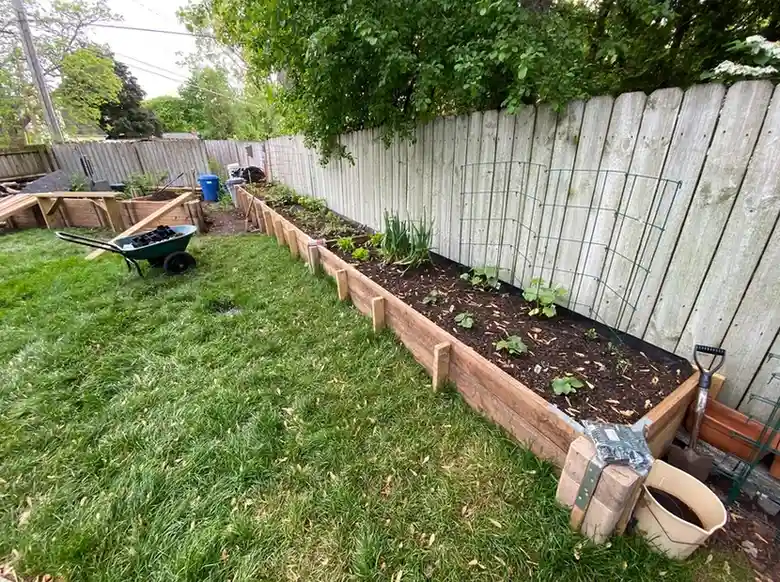
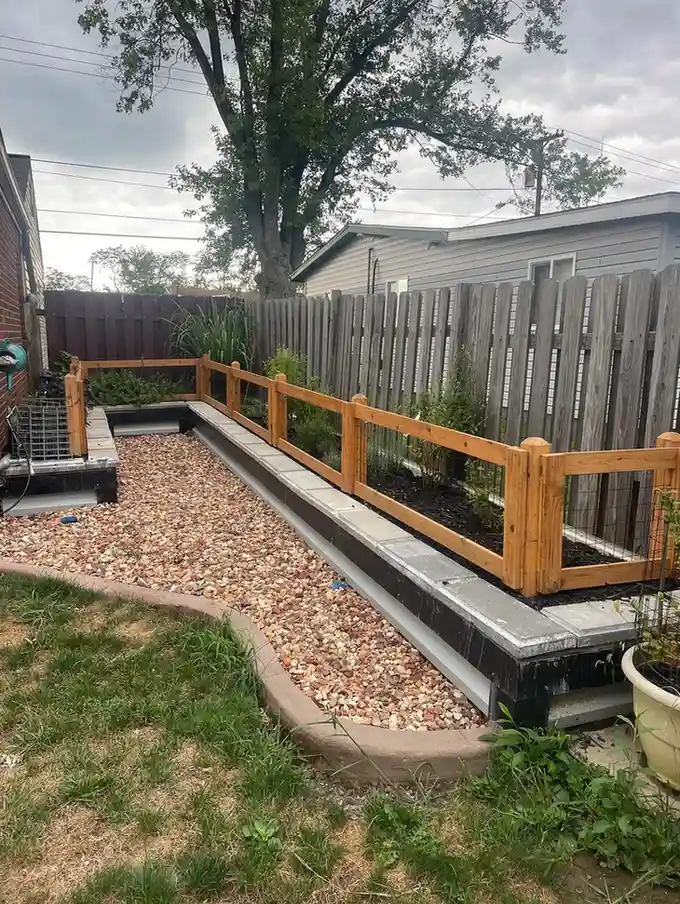
If you already have a standard fence but want to make it productive, adding narrow raised beds along the fence line is such a practical solution. That strip of space often goes unused — but it’s perfect for growing lettuce, spinach, kale, peppers, or even compact tomato varieties. Instead of wasted ground, you get a neat, organized growing area that’s easy to access.
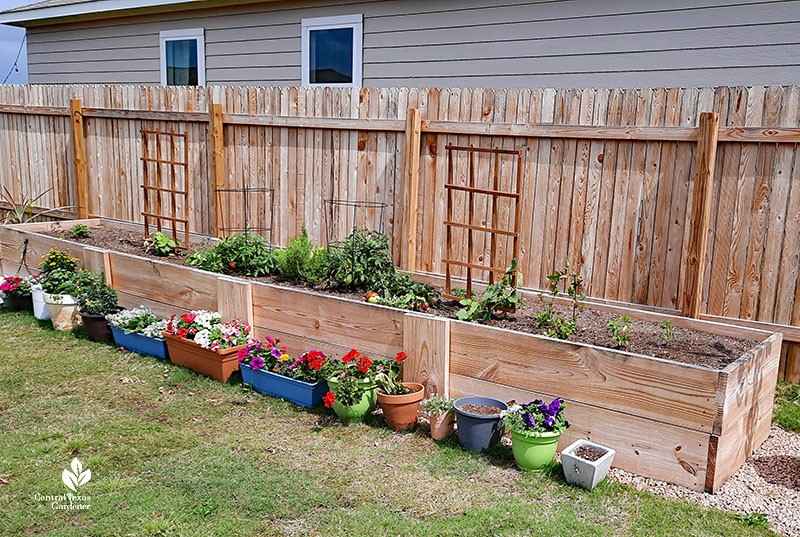
Raised beds also make harvesting simple. No bending too low, no stepping into muddy soil — everything is contained and manageable. Plus, the fence itself can act as a support for trellised crops like cucumbers or small climbing varieties, giving you even more vertical growing space.
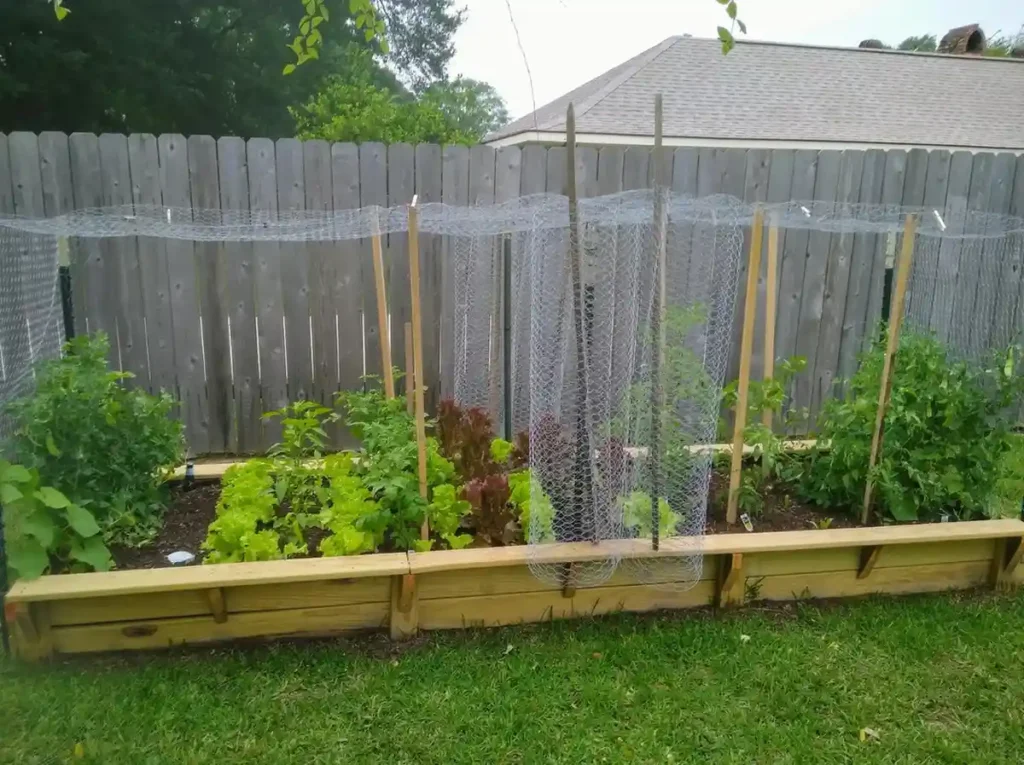
This option works beautifully in small yards and suburban settings because it looks tidy and intentional. You can build beds to match your home’s style, keep everything mulched and organized, and rotate crops seasonally. It’s proof that even the most ordinary fence can become one of the most productive parts of your garden.
Styling & Practical Tips Before You Plant
Before you start planting, take a little time to observe your space. Sun exposure matters more than almost anything else — most edible plants need at least 6–8 hours of sunlight to produce well. Watch how the light moves across your fence line during the day so you can match plants to the conditions you actually have, not just the ones you wish you had.
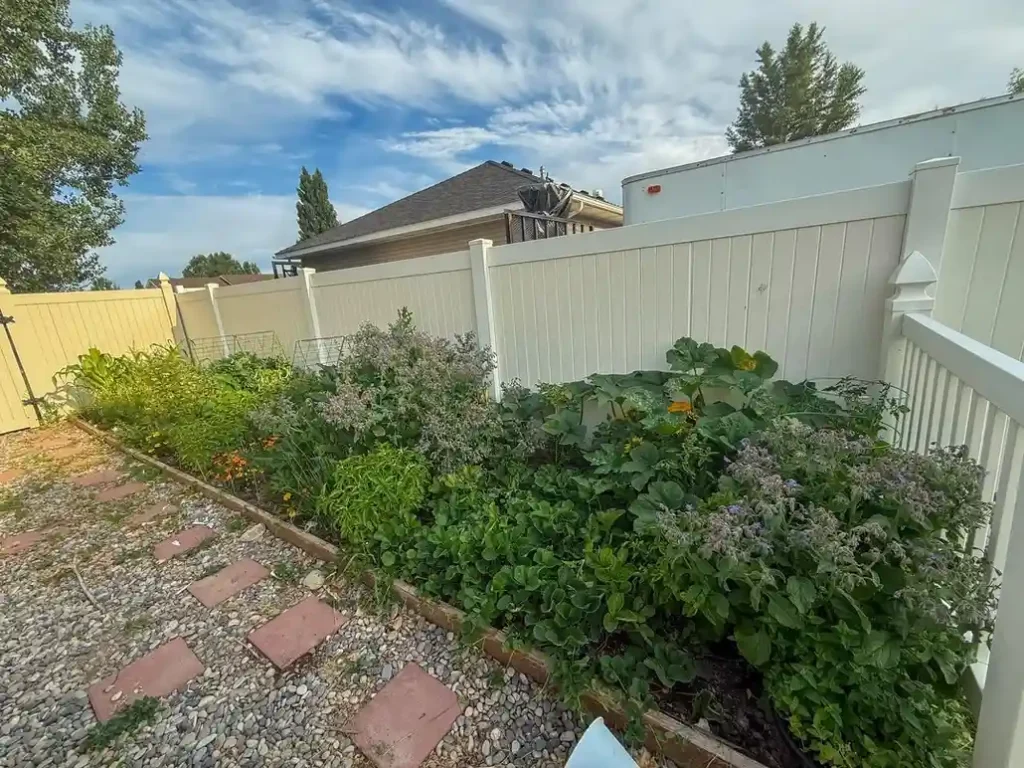
Spacing is another big one. It’s tempting to plant closely for that instant “full hedge” look, but giving shrubs and trees proper airflow helps prevent disease and keeps them healthier long-term. You can also mix evergreen and deciduous plants if year-round privacy is important, so your fence doesn’t suddenly feel bare in winter.
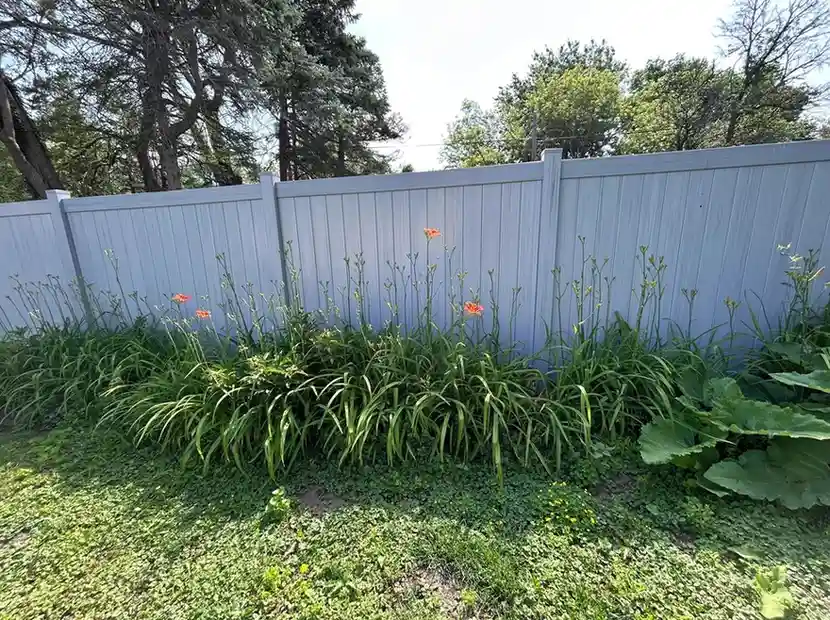
Finally, think about the practical details. Check HOA rules if applicable, use mulch to suppress weeds and retain moisture, and aim for a tidy, intentional layout. A well-planned edible fence not only grows better — it looks polished and purposeful from the very beginning.
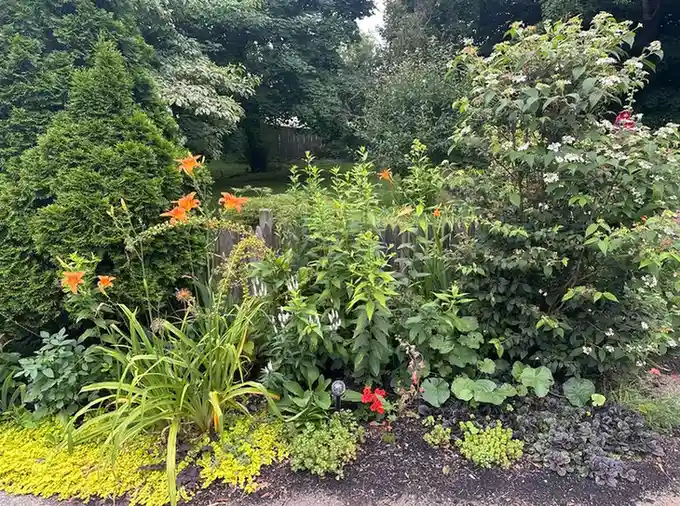
An edible fence is one of those ideas that just makes sense once you see it in action. Instead of separating your yard from the outside world with something purely decorative or functional, you’re creating a boundary that gives back. Privacy, beauty, fresh food, pollinator support — it’s all working together in one space. It turns an ordinary fence line into something alive and productive.
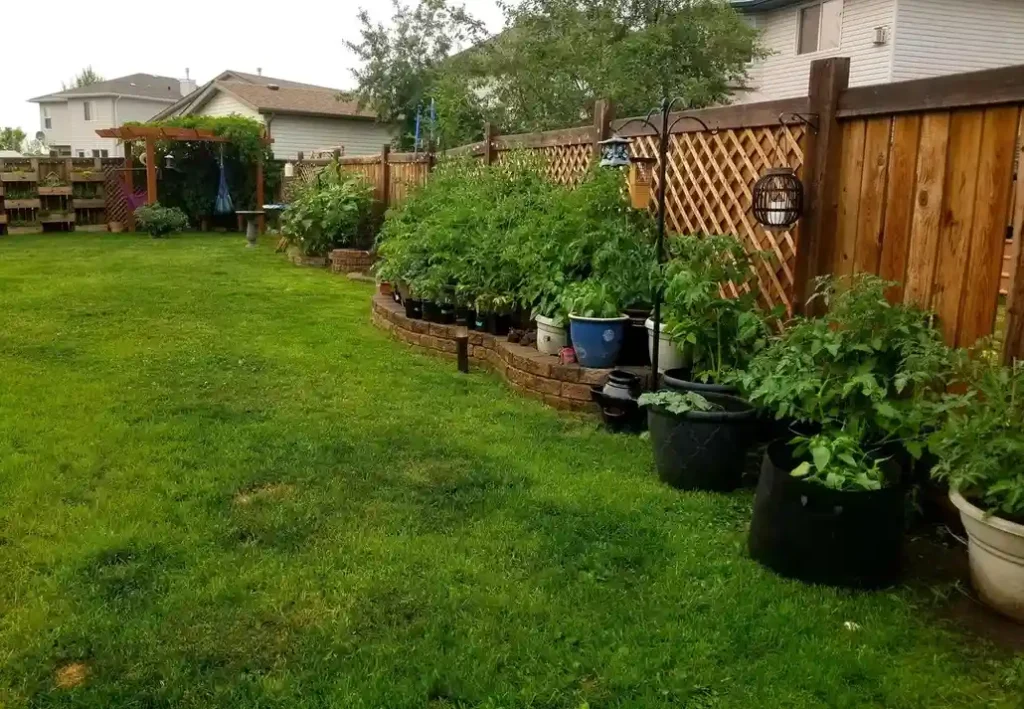
The best part is that you don’t have to overhaul your entire yard to start. Even one small section — a row of berry bushes, a trellis of beans, or a narrow raised bed — can make a noticeable difference. Start with what feels manageable for your space and your schedule. As you gain confidence, you can always expand, layer, or experiment with new plants season by season.
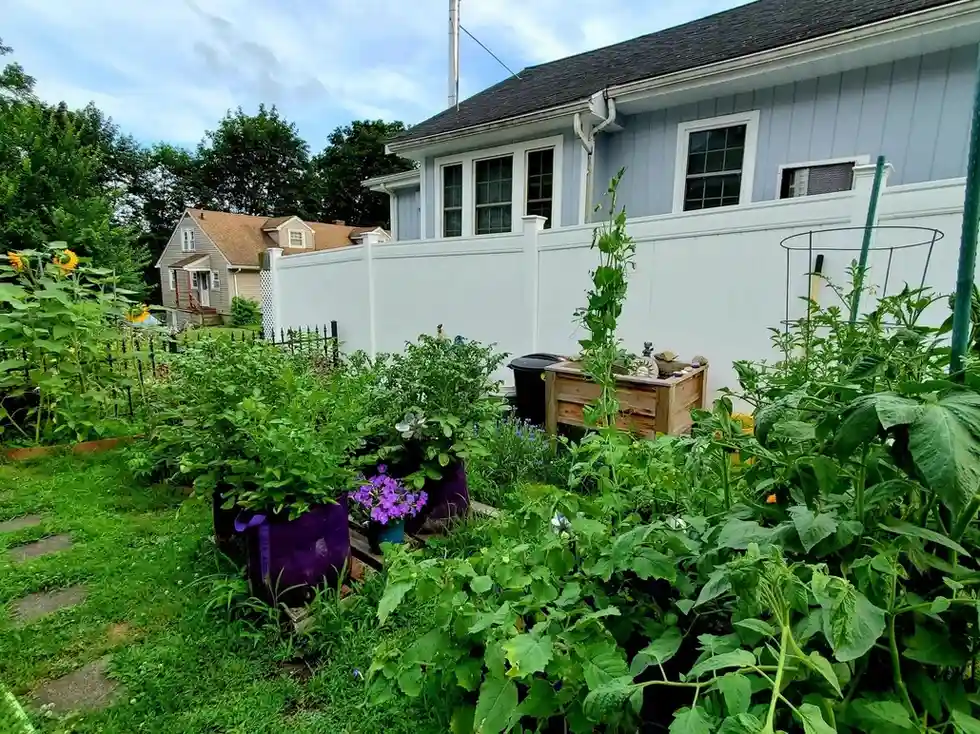
Most importantly, choose plants that fit your climate and your lifestyle. A low-maintenance herb border might be perfect for a busy household, while a mixed food forest hedge might excite someone who loves hands-on gardening. There’s no single “right” edible fence — just the one that works for you. With a little planning and creativity, your fence can become one of the most rewarding parts of your landscape.
Read Also: