
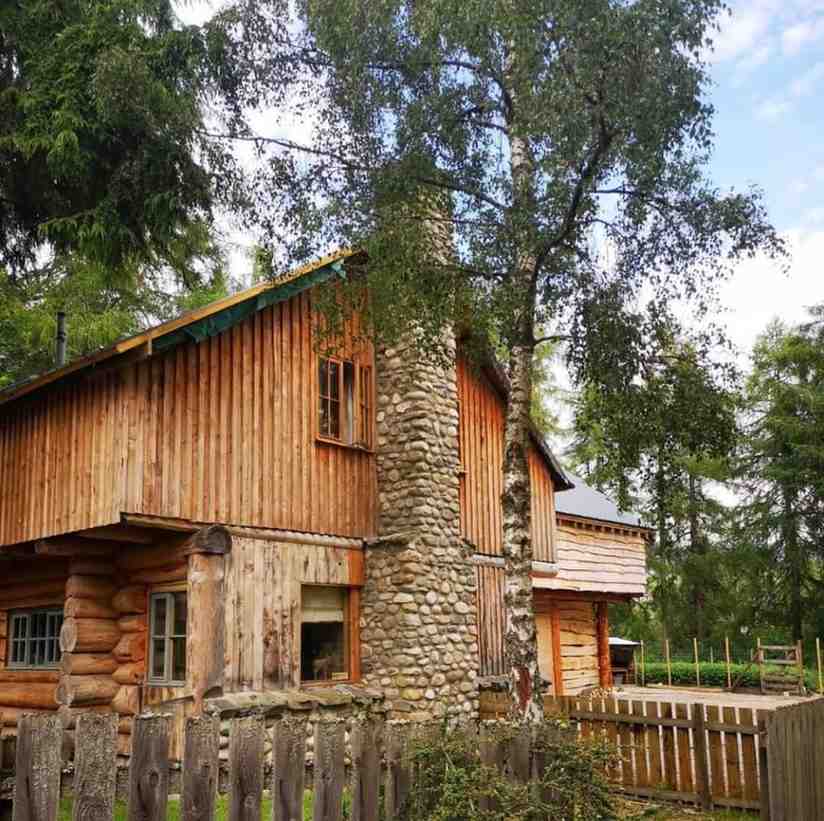
When most people picture a log home, they imagine dark interiors, heavy furniture, and a very traditional “cabin in the woods” feel. Imrich Lodge immediately challenges that expectation. While the structure itself honors classic log-building techniques, the inside tells a very different story—one that’s bright, warm, and full of personality. This is a log home that feels joyful, lived-in, and anything but gloomy.
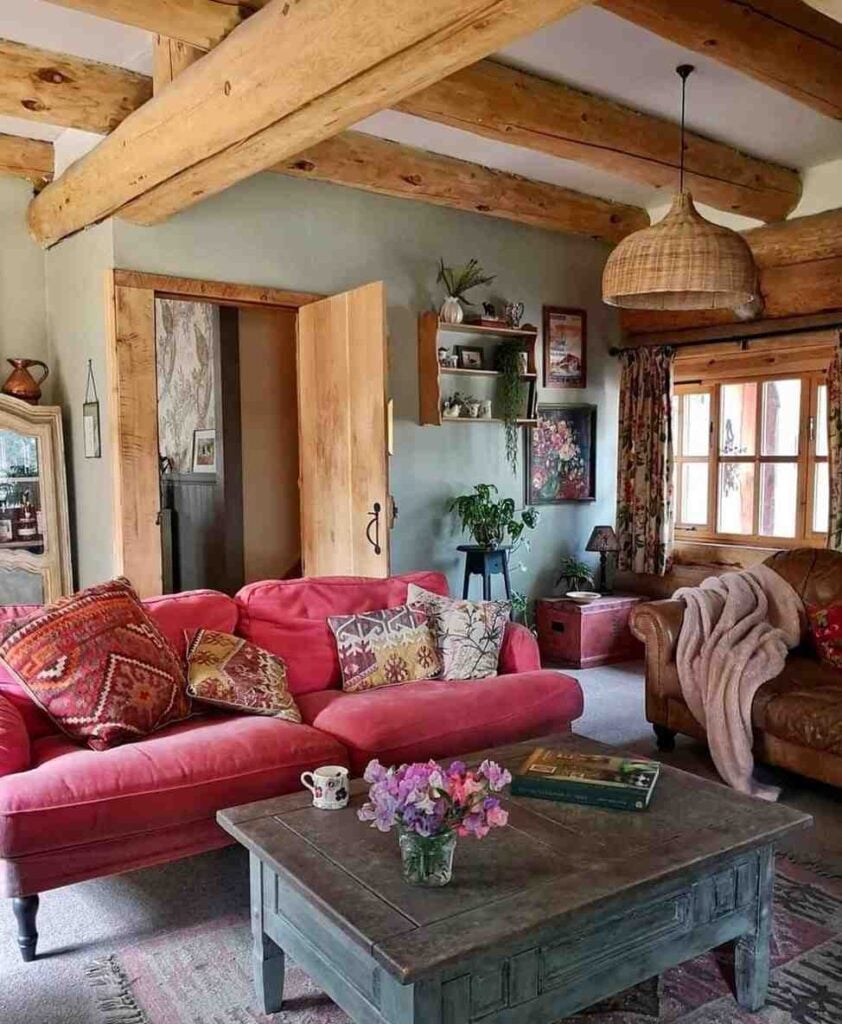
Set in the Scottish Highlands, Imrich Lodge feels deeply rooted in its landscape, yet refreshingly modern in spirit. Instead of leaning into a rugged or overly rustic look, the home balances raw timber with color, pattern, and softness. It stands out not because it tries to be different, but because it feels honest to the people who live there.
At the heart of it all are Nicky and her husband Grizz—creators in the truest sense. This isn’t just a house they bought and styled; it’s a home they imagined, built, and continue to shape together. Every beam, wall, and decorative choice reflects their shared story and hands-on approach to living.
A House Built by Hand—and by History
Imrich Lodge isn’t just inspired by tradition—it is tradition, carried forward. Grizz’s journey into log building began with curiosity and quickly turned into a calling. After being introduced to the craft through his Norwegian uncle, he traveled to Norway to study ancient log buildings, some of which have stood strong for nearly a thousand years. From there, he continued learning in America and Canada, where log construction is deeply respected as both an art and a science.
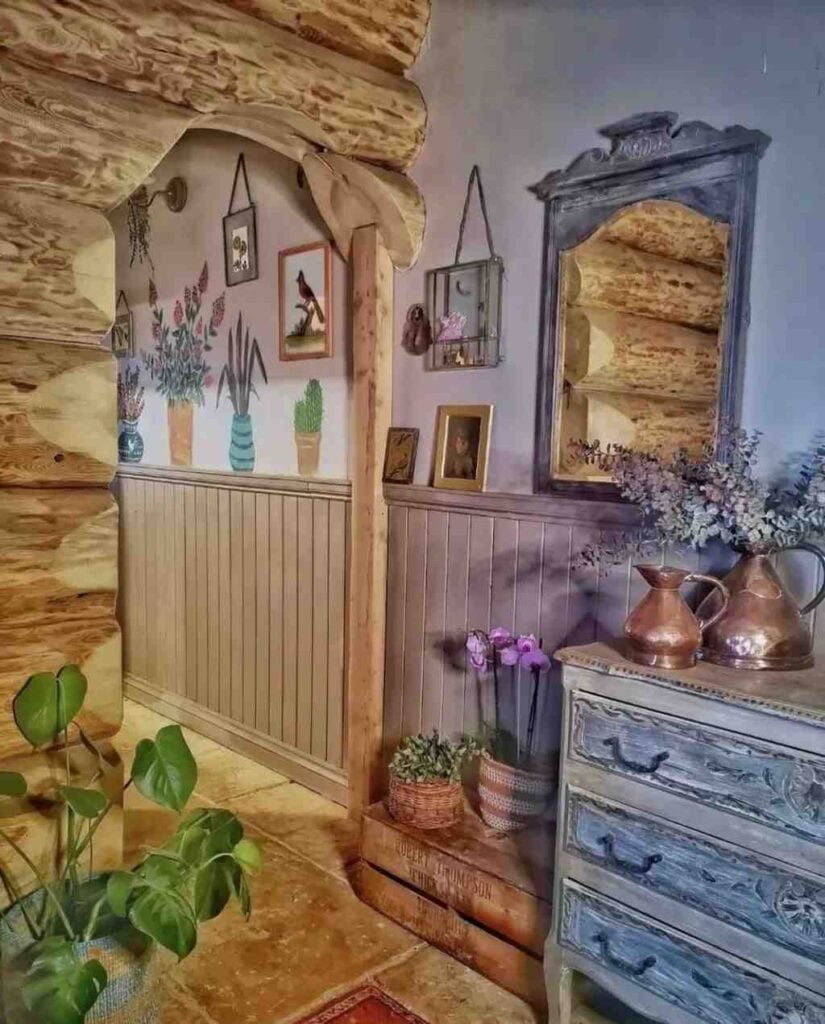
What makes this home especially remarkable is how literal the phrase “built by hand” really is. After purchasing their plot of land, Grizz selected and felled the trees himself, shaping the house using little more than a chainsaw and an axe. There’s something profoundly meaningful about living inside walls you’ve physically created—every log carrying memory, effort, and intention.
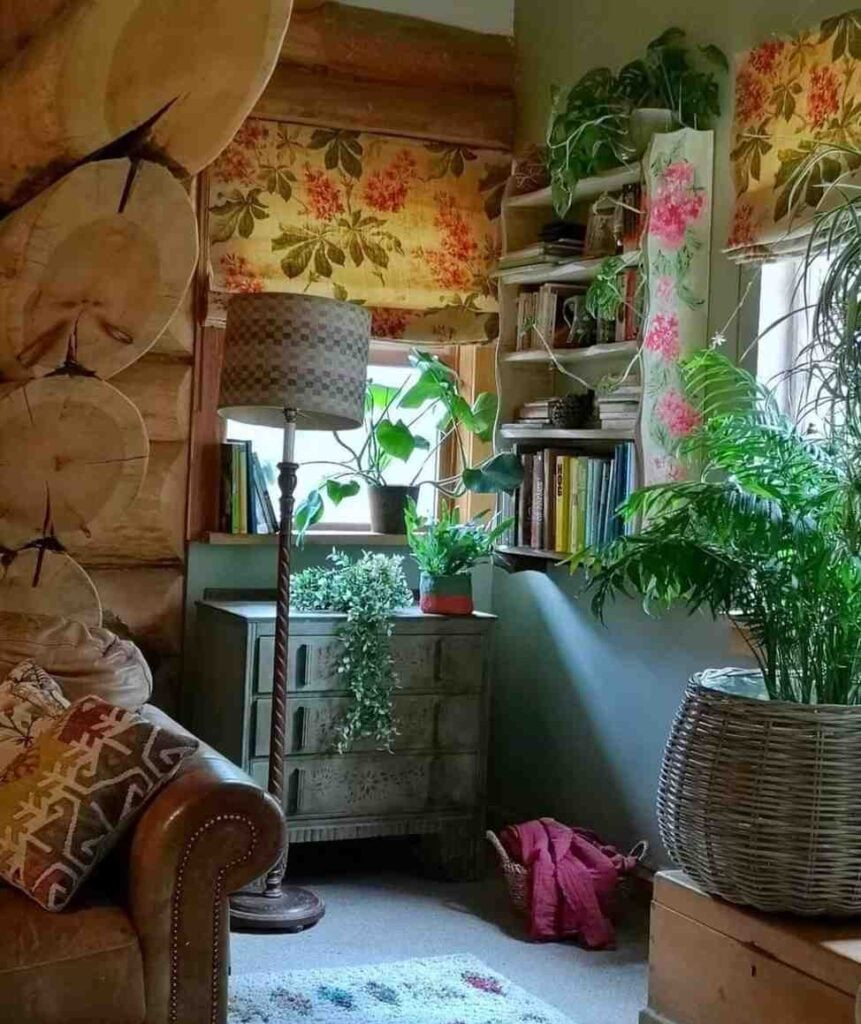
Beyond the romance of craftsmanship, there’s also practicality. These age-old techniques are proven to last, offering strength, insulation, and longevity. Imrich Lodge isn’t just a beautiful home; it’s a testament to patience, skill, and respect for building methods that have endured for centuries.
Decorating Against Expectations
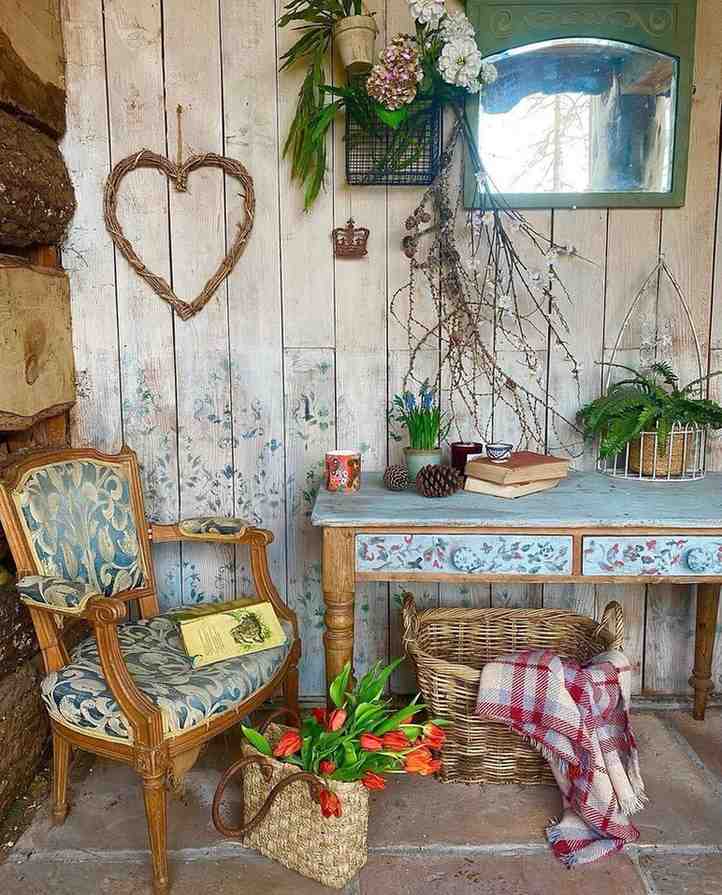
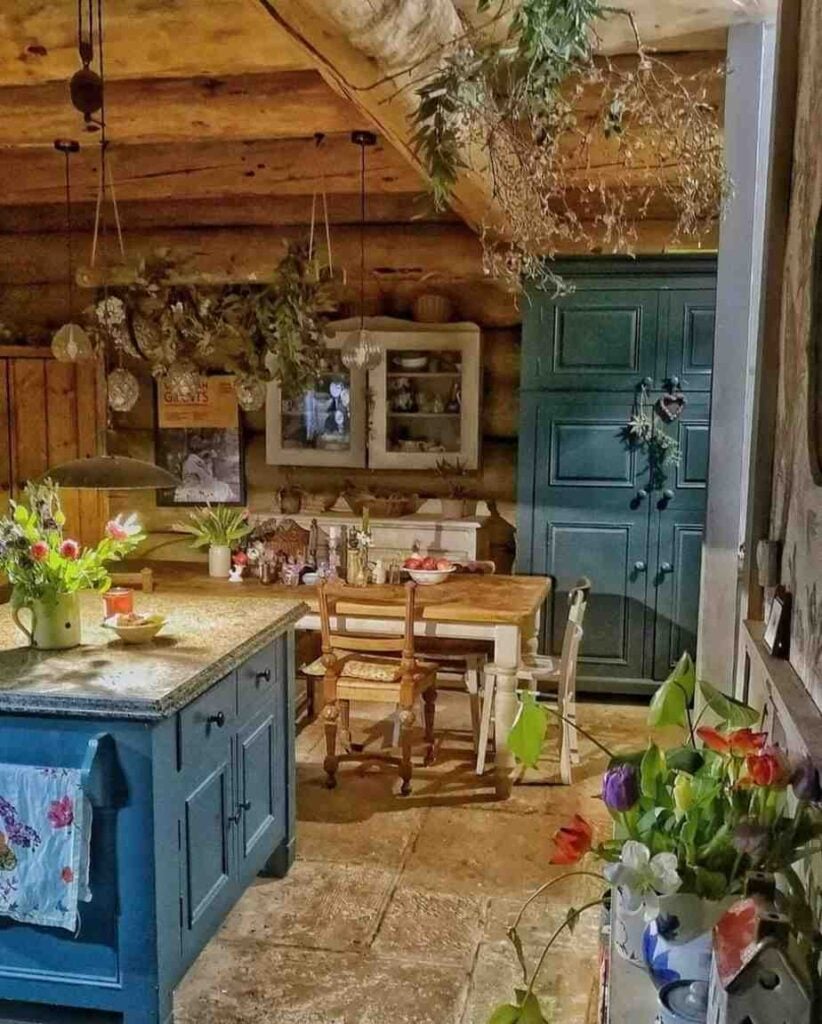
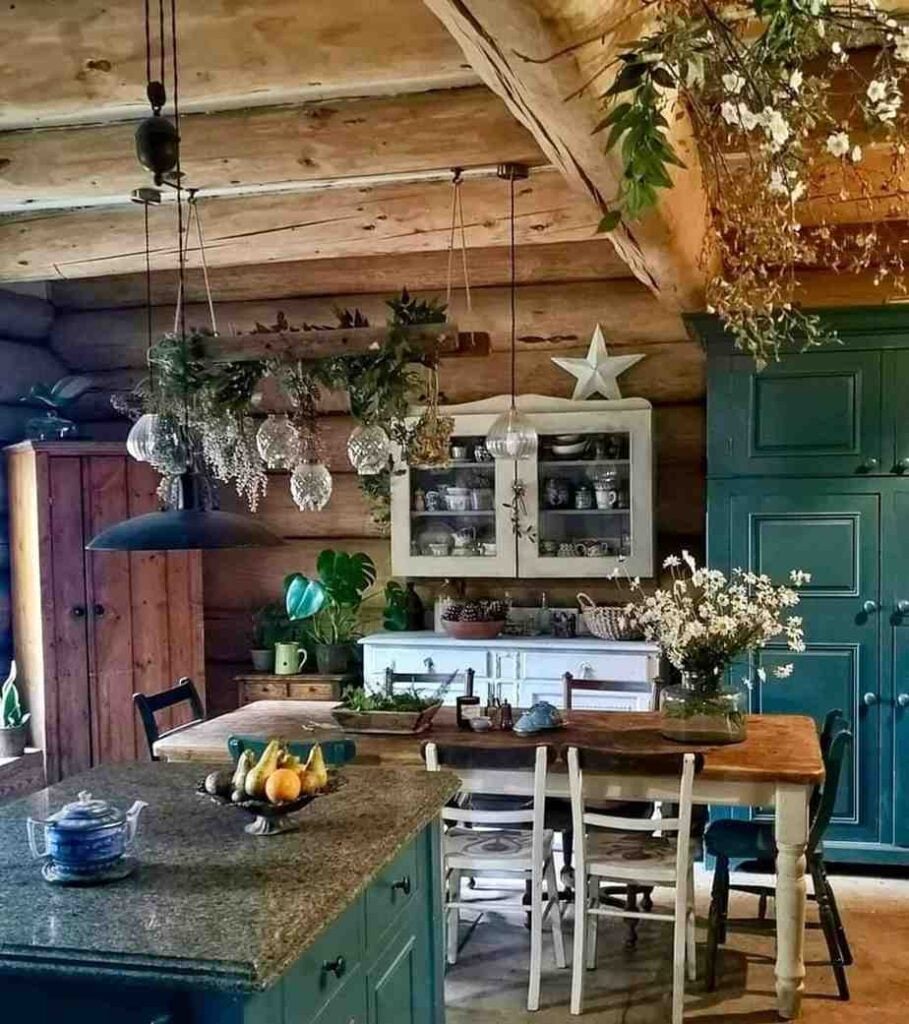
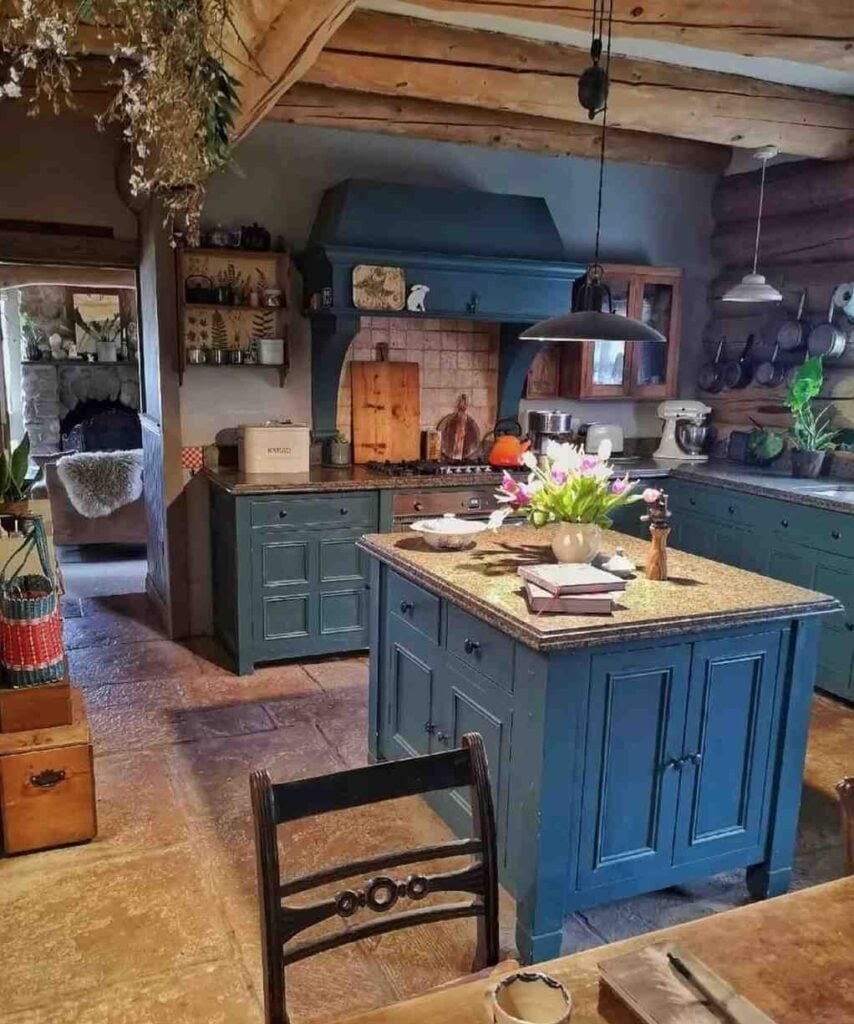
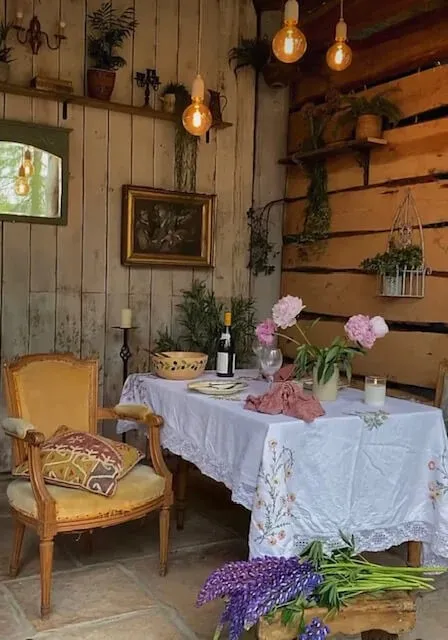
With so much natural wood, it would have been easy to let the architecture dominate the interiors—but Nicky had a different vision. Her decorating style is best described as country rustic with a boho twist: relaxed, layered, colorful, and unapologetically personal. Instead of fighting the wood, she chose to complement it, using color and florals to bring balance and lightness into every room.
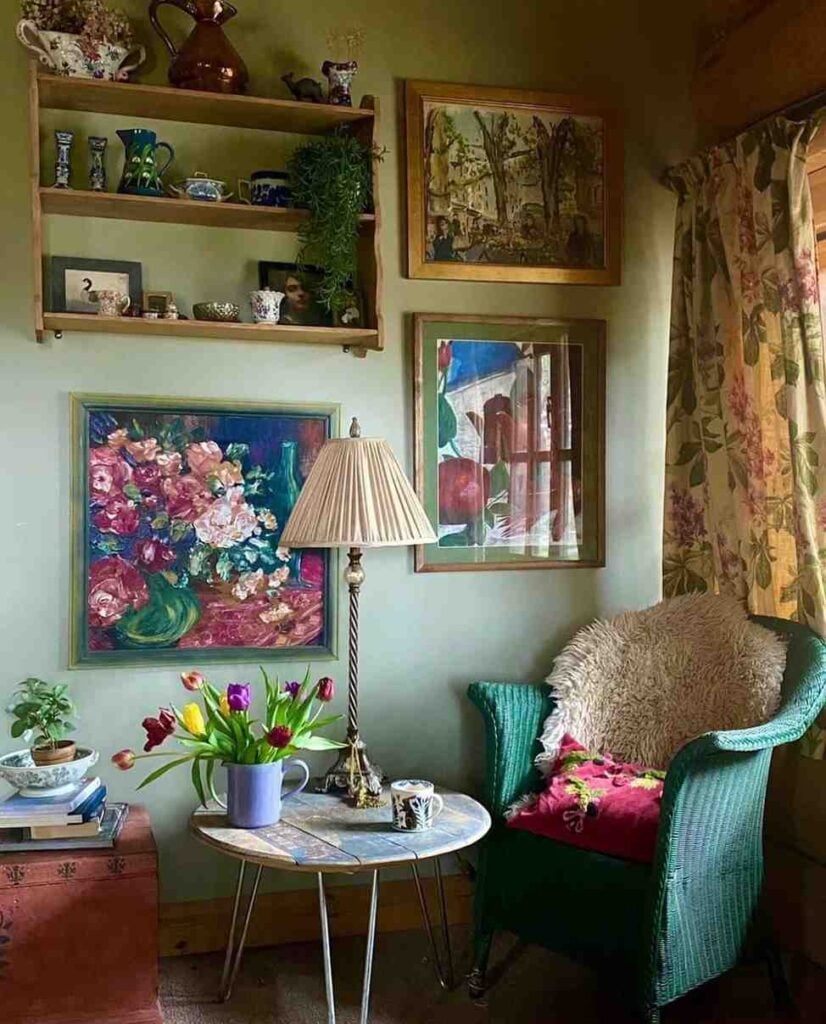
Color plays a huge role in softening the structure of the house. Greens, in particular, appear throughout the home, echoing the surrounding landscape while working beautifully with the warm tones of the logs. Florals, plants, and textured fabrics add movement and charm, preventing the space from ever feeling heavy or overwhelming.
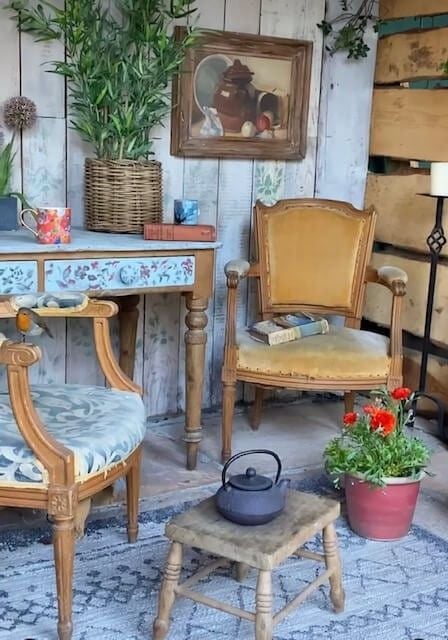
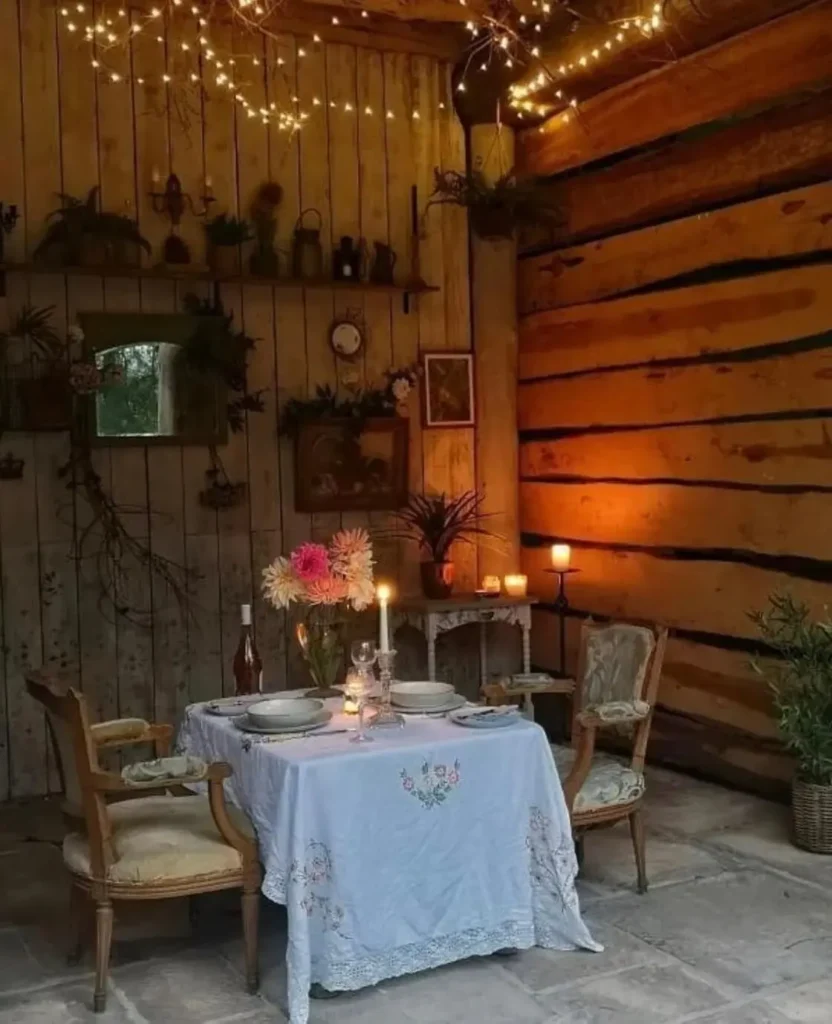
Perhaps the most intentional choice Nicky made was deciding not to overdo the “log home” look. Rather than filling the house with themed décor, she focused on comfort, cheerfulness, and everyday beauty. The result is a home that feels welcoming and real—a place where strong architecture and expressive decorating coexist effortlessly.
Nature as the Unifying Thread
Nature quietly weaves its way through every corner of the home—not in a styled-for-Instagram way, but in a way that feels natural, relaxed, and real. Nicky has always been drawn to green, and it shows. Green walls, green plants, green accents—it’s a color that instantly softens the wood and brings a sense of calm to the space. It grounds the home and connects the indoors to the landscape outside the windows.
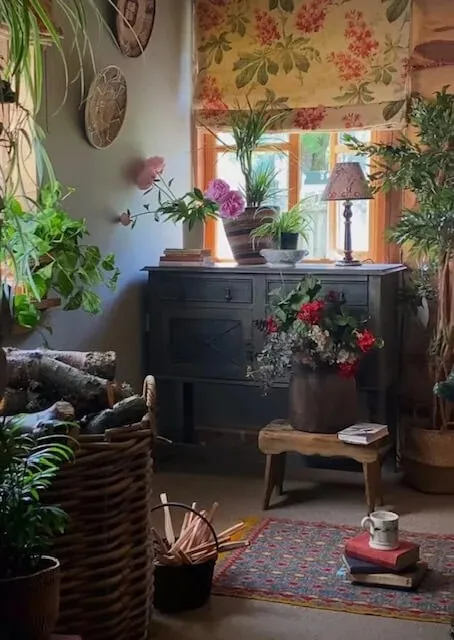
Seasonal living also plays a big role. As the weather cools, extra layers appear—throws on sofas, cushions piled a little higher, textures that invite you to curl up and stay awhile. When the seasons change, so does the mood of the house, without the need for major redecorating. It’s more about small shifts than big transformations.
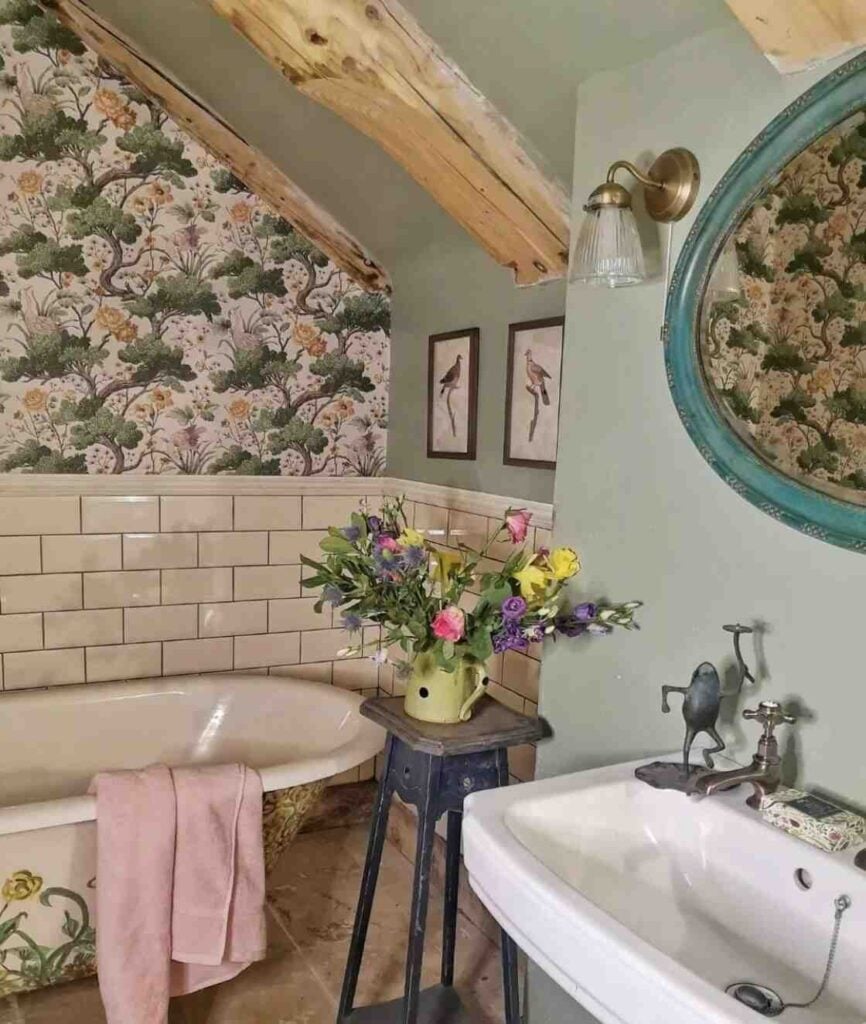
And then there’s Nicky’s refreshingly honest approach to plants. While real greenery fills much of the home, she’s also a fan of well-chosen faux plants and flowers—especially in spots where real ones wouldn’t thrive. Her rule is simple: they need to look realistic and be in season. She even rotates faux florals throughout the year, just like you would with fresh ones. It’s a practical, thoughtful way of bringing nature indoors without the pressure of perfection.
The Sitting Room: The Heart of the Home
If there’s one room that truly captures the spirit of the house, it’s the sitting room. This is where everything slows down—and also where things get wonderfully loud. The giant stone fireplace immediately draws you in, anchoring the room and giving it a sense of warmth that goes far beyond heat alone. It’s the kind of feature that makes you want to pull up a chair and stay.
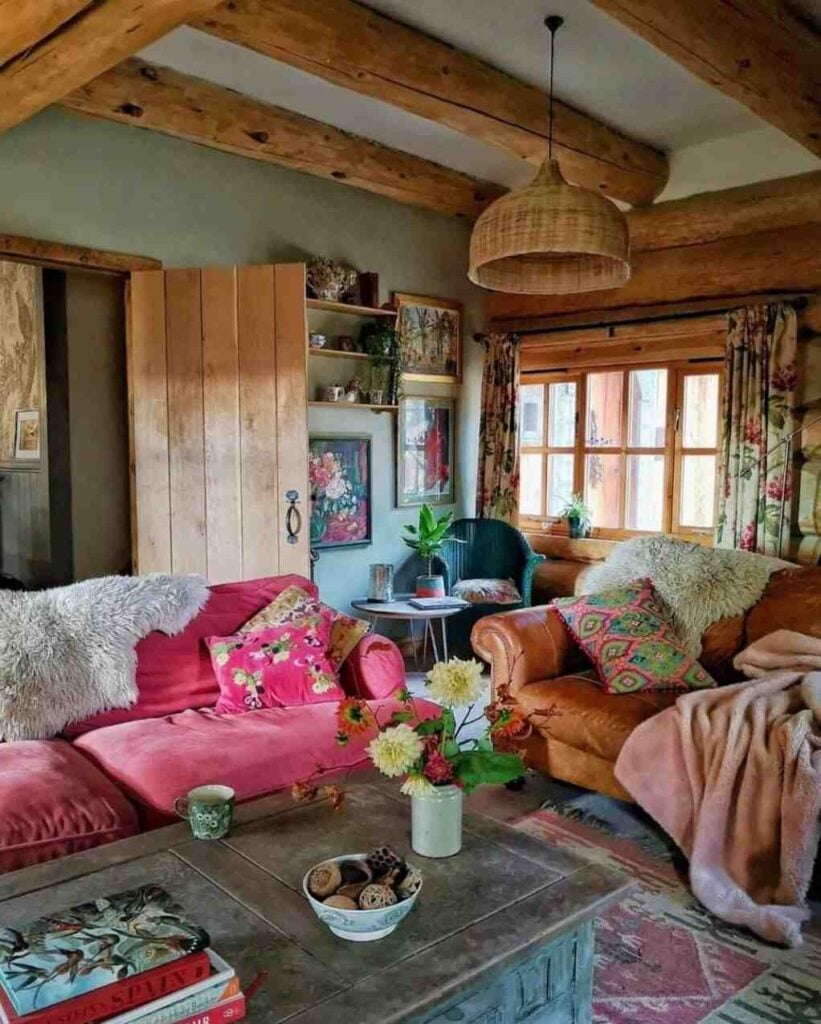
This room is designed for togetherness. When the children come home—especially at Christmas—it becomes the center of family life. Games are played, conversations overlap, laughter fills the space, and the house feels alive in a way only family gatherings can bring. It’s not styled to be pristine or quiet; it’s meant to be used, enjoyed, and shared.
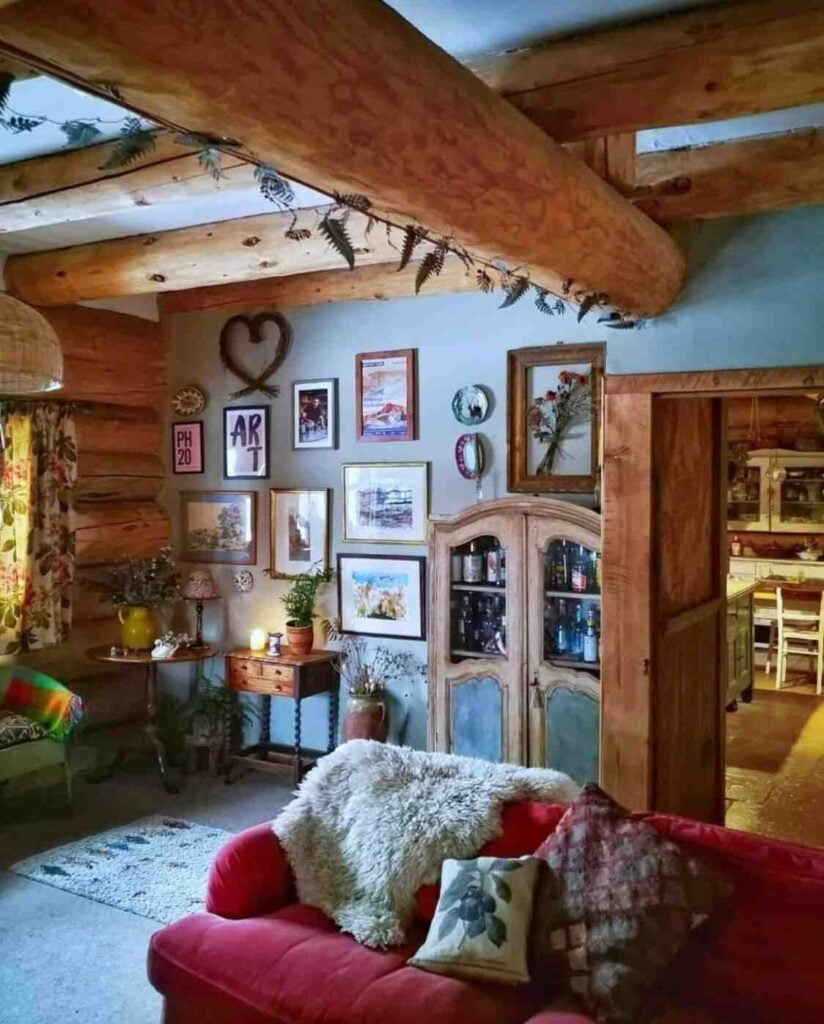
For Nicky, this room defines what “home” really means. It’s not about how it looks on a good day—it’s about how it feels on busy, noisy, imperfect ones. The sitting room holds memories, traditions, and moments that matter, making it the emotional core of the house.
Decorating as a Process, Not a Formula
Nicky’s approach to decorating is refreshingly down-to-earth. There’s no strict rulebook, no rush to finish everything at once. Instead, it’s a process built on collecting ideas, trying things out, and giving yourself permission to change your mind. Mood boards, paint samples, wallpaper swatches, and handwritten notes all play a role—and patience ties it all together.
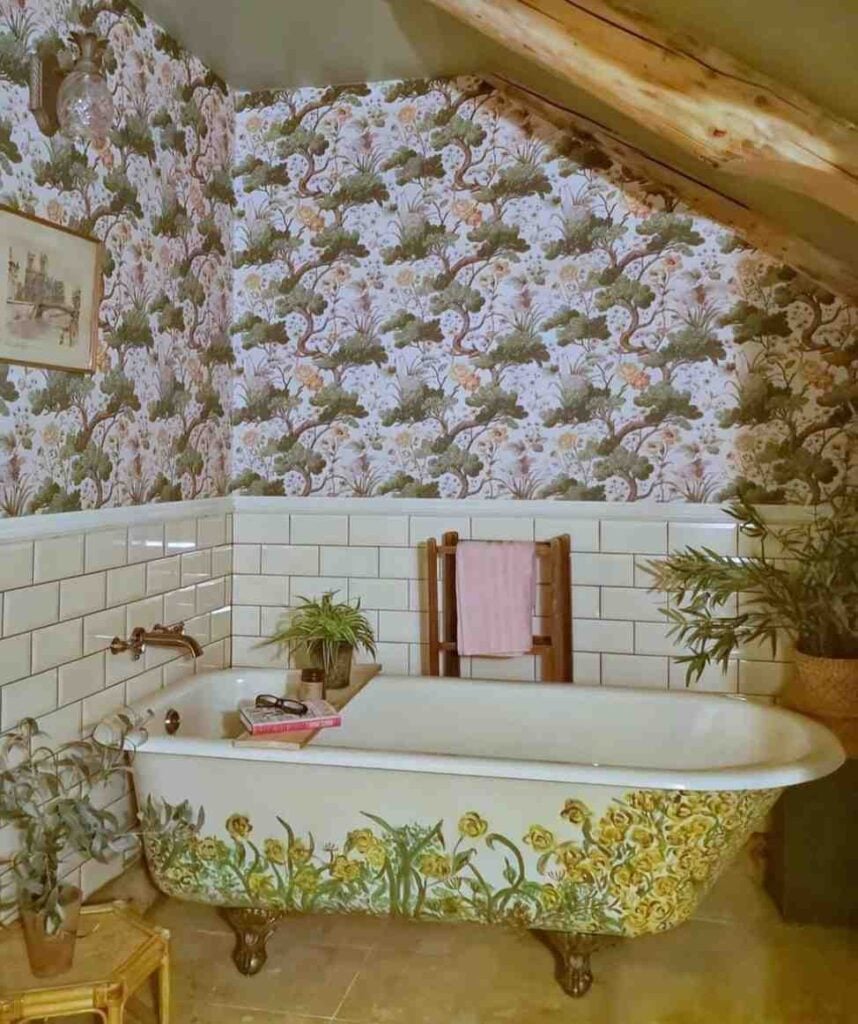
Inspiration matters far more than trends. Rather than chasing what’s popular, Nicky looks for what feels right in the space and works with the structure of the home. Social media and Pinterest are tools, not instructions—starting points rather than final answers. The goal isn’t perfection, but cohesion and comfort.
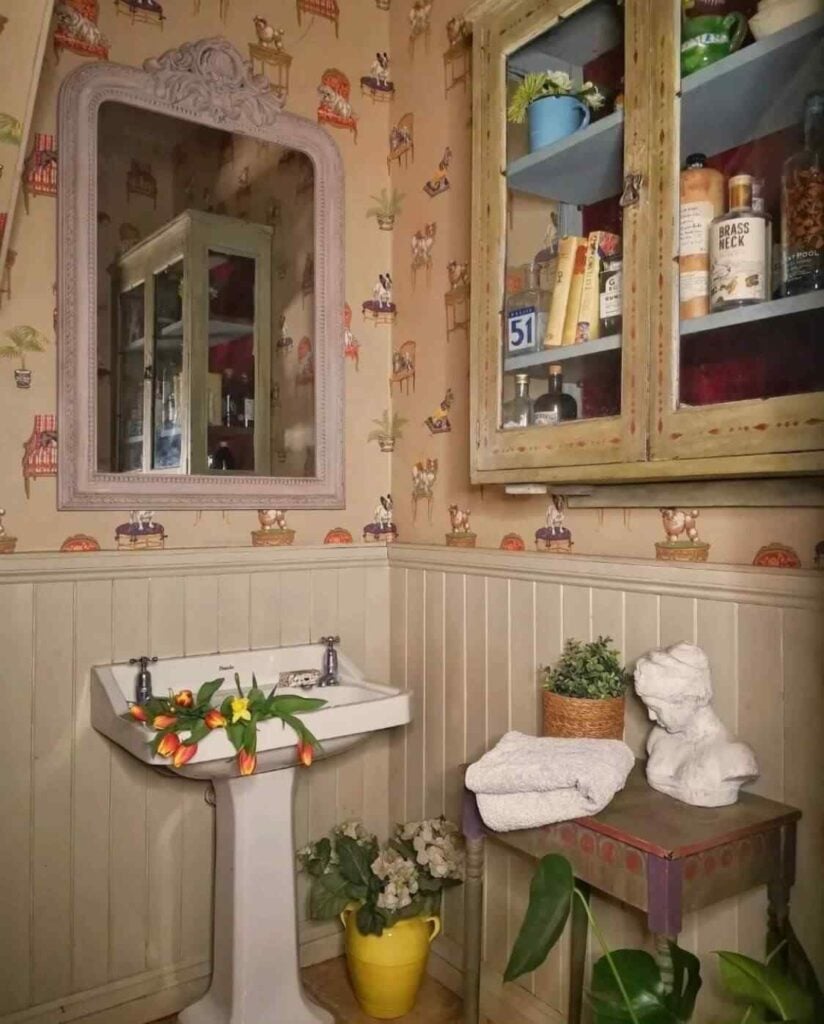
Most importantly, she trusts her instincts. Decorating becomes easier when you stop worrying about getting it “right” and start focusing on what makes you feel at home. That mindset is what gives the interiors their warmth and individuality—and why the house feels so personal, even as it continues to evolve.
Rooms Still Waiting to Become Themselves
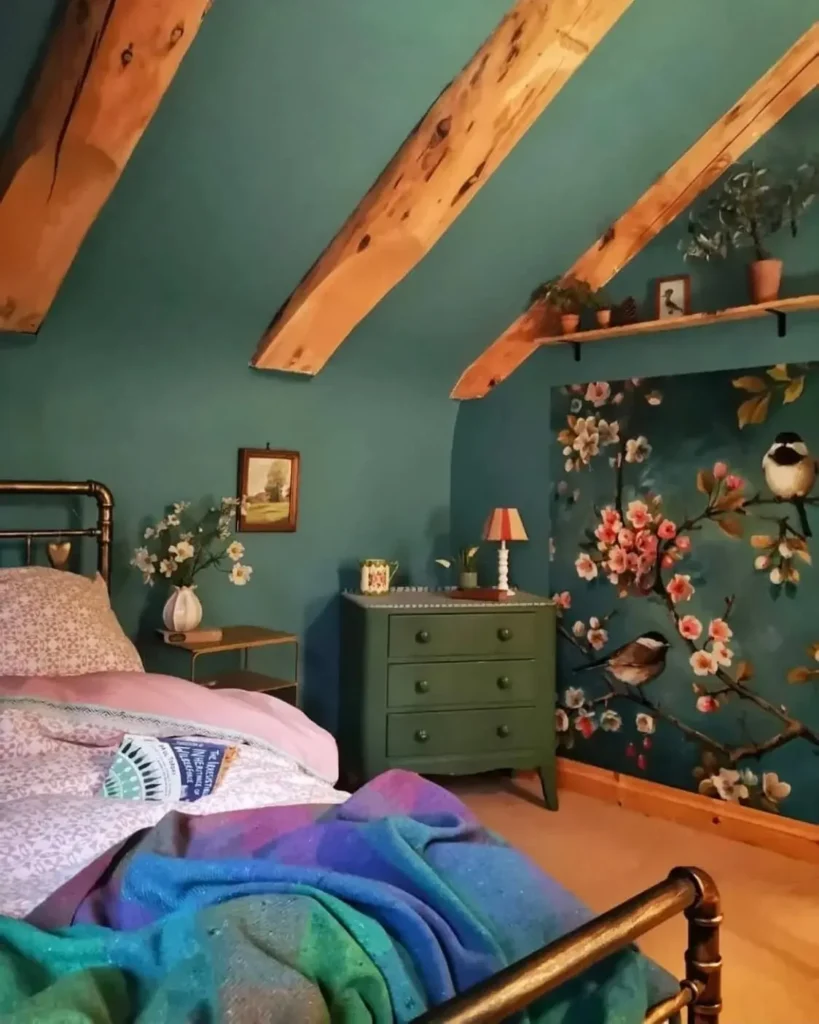
Not every room in Imrich Lodge is finished—and that’s very much part of the story. There are still bedrooms and bathrooms waiting their turn, quietly sitting in that in-between stage where possibilities feel endless. Rather than seeing these spaces as incomplete, Nicky sees them as future chapters. There’s no rush, just ideas slowly forming and evolving over time.
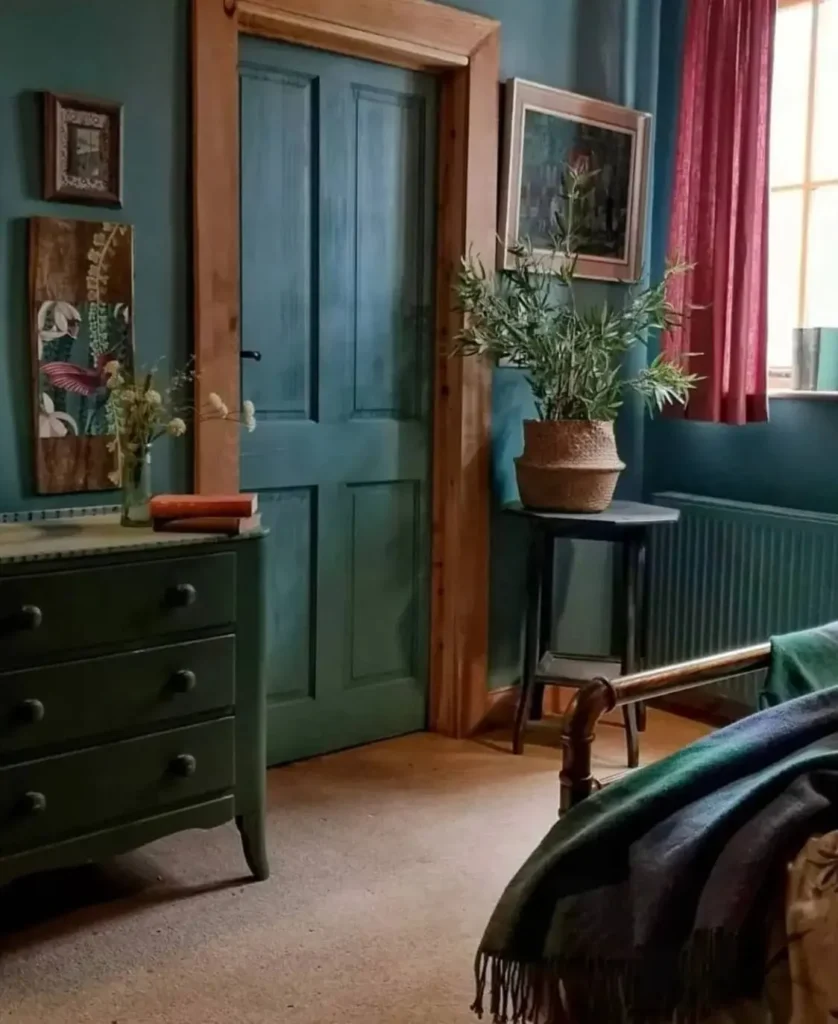
The most exciting space of all is what they call the “end room.” It’s a large, light-filled room with one unforgettable feature: a massive vertical log that looks so organic it could almost be a tree growing straight through the house. Instead of hiding it, the room is designed around it. Nicky already imagines this space as a retreat—a bedroom with a freestanding copper bath, a sofa for slow mornings, and a door leading out to a balcony.
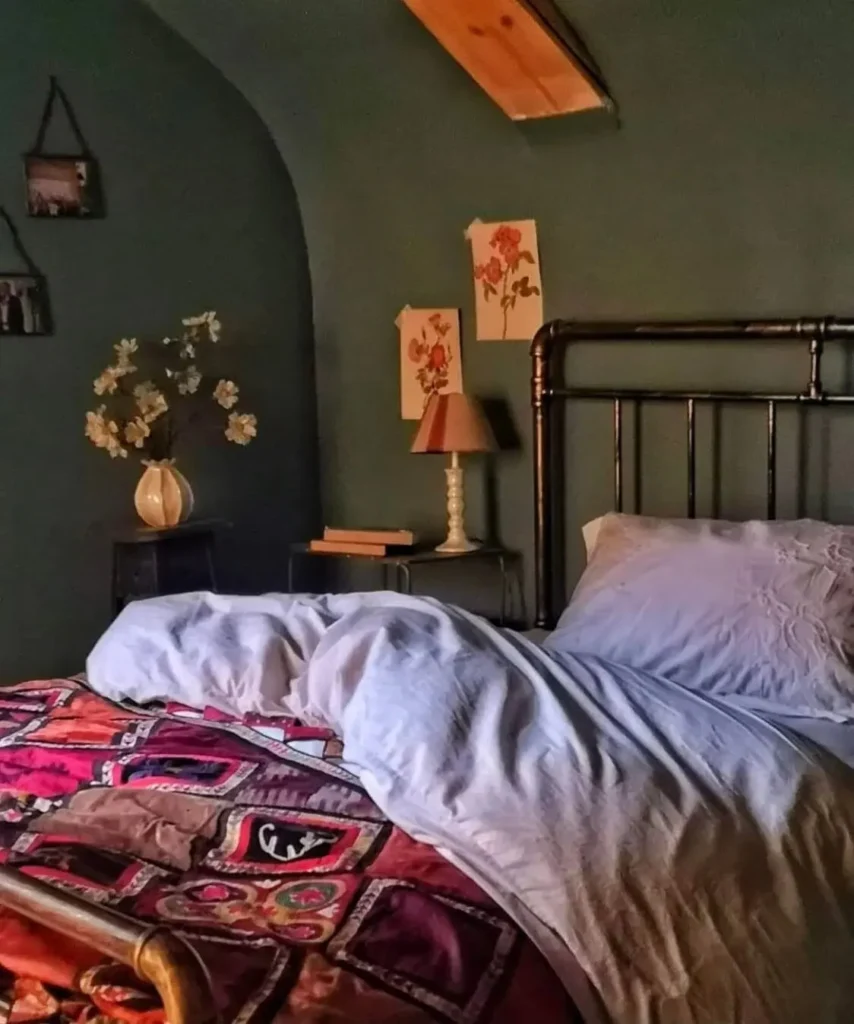
The color scheme? Still undecided. And that’s okay. For Nicky, decorating is as much about waiting for the right feeling as it is about planning. She knows what she wants the room to feel like, even if the details aren’t nailed down yet. Sometimes the best spaces are the ones you allow to reveal themselves slowly.
A Home Aligned With a Sustainable Life
Sustainability at Imrich Lodge isn’t a buzzword—it’s a practical, thoughtful way of living. Over time, Nicky and Grizz have made deliberate choices to reduce their reliance on fossil fuels, starting with saying goodbye to heating oil altogether. The home now runs on a log boiler, with a wood pellet boiler as backup, making use of renewable resources that feel aligned with the house itself.
The next step is solar panels, part of a bigger goal to cut electricity use and live more efficiently. These upgrades aren’t about chasing perfection; they’re about making steady improvements that make sense for how they live. Sustainability here is quiet and intentional, woven into daily life rather than shouted from the rooftops.
That mindset extends outdoors too. Growing vegetables and soft fruits has become another way of reconnecting with the land and slowing things down. It’s less about being fully self-sufficient and more about being mindful—choosing a lifestyle that feels responsible, grounded, and rewarding.
Always a Work in Progress—And That’s the Point
Imrich Lodge will probably never be “finished,” and honestly, that’s exactly how Nicky likes it. There’s always something to tweak, improve, or dream about next—and that ongoing process is part of the joy. The house grows and changes alongside the people who live in it, reflecting different seasons of life rather than a fixed end goal.
There’s also a gentle balance at play. Once the big projects are ticked off, Nicky and Grizz hope to travel more and spend time visiting family. Still, no matter how far they go, there’s a deep comfort in knowing they’ll return to a home shaped by their own hands and ideas. Coming back always feels good.
That’s what makes Imrich Lodge so personal. It’s not just a beautiful house—it’s a living record of creativity, patience, and shared effort. A place where stories continue to unfold, and where “work in progress” is something to be proud of, not rushed past.
Read Also: