
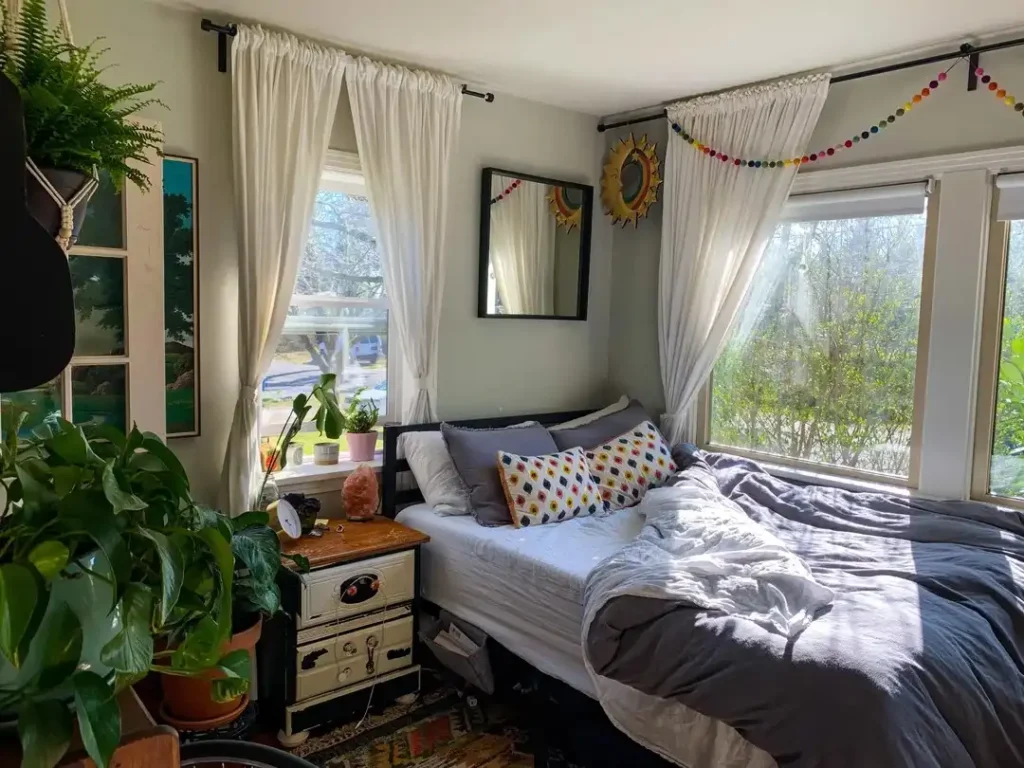
If you’ve ever painted a bedroom and thought, “Why does this color look amazing in the morning and kind of… meh at night?” — light direction is usually the reason. It matters way more than most people realize, especially in bedrooms where you want things to feel calm and cozy all day, not just at one specific hour.
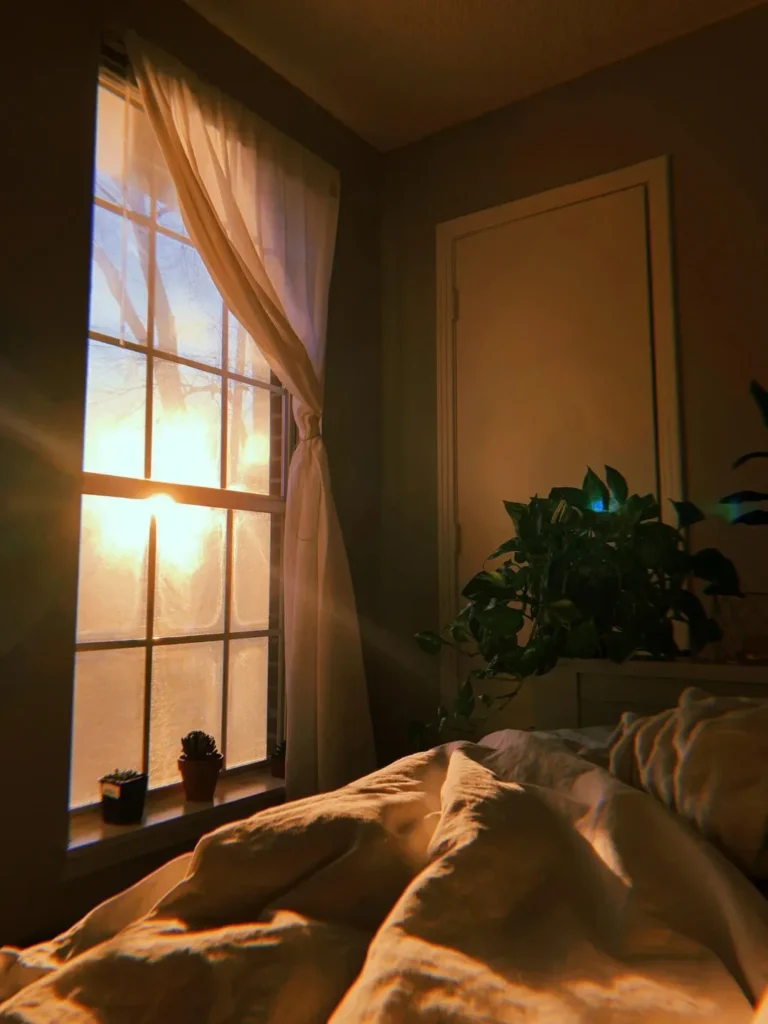
East-facing bedrooms get that soft, golden morning light first thing, then gradually cool off as the day goes on. In the early hours, colors feel brighter and fresher. By afternoon and evening, the light fades and shifts cooler, which can make some paint colors feel flatter or slightly dull.
In this article, I’ll help you figure out which types of colors actually work with east-facing light instead of fighting it — so your bedroom feels balanced, relaxing, and intentional from morning coffee to bedtime wind-down.
Understanding East-Facing Bedroom Light
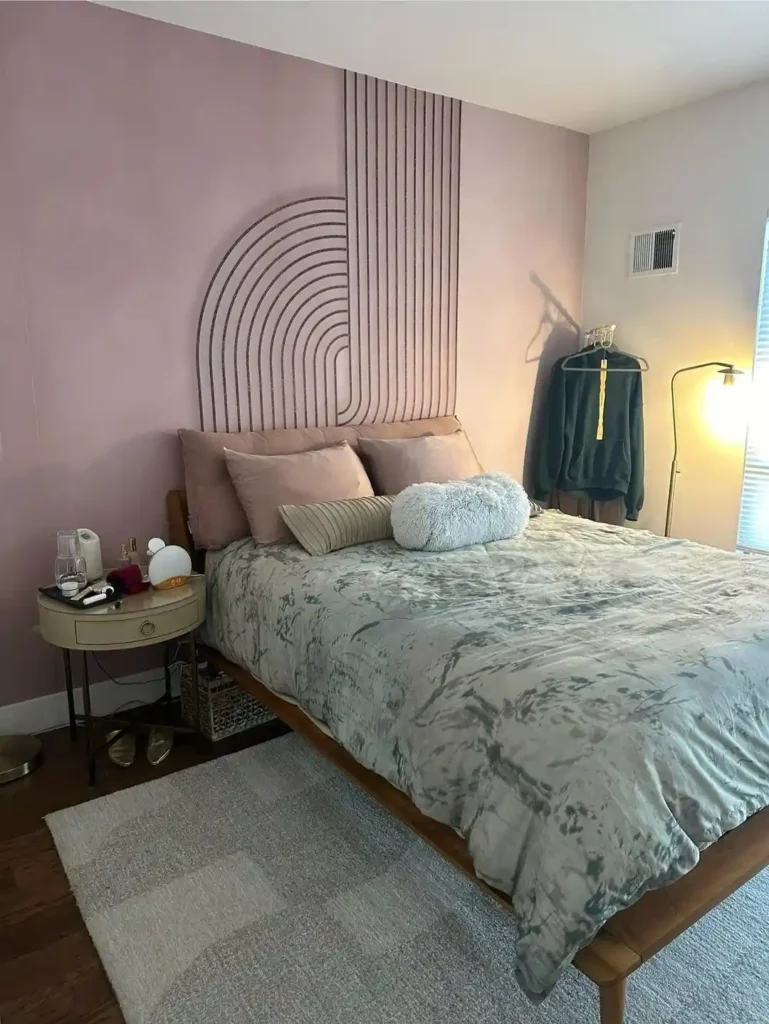
An east-facing bedroom is basically a morning person. Early in the day, it gets clear, gentle sunlight that makes the room feel airy and awake. This is when paint colors look their most vibrant and true. Soft whites glow, pastels feel crisp, and light neutrals really shine.
By late morning and into the afternoon, though, that direct sunlight moves on. The room starts relying more on indirect light, which is cooler and more muted. This is when you might notice some colors looking a bit washed out, especially very pale shades or cool-toned paints. Blues can turn icy, grays can feel flat, and anything too stark might lose its warmth.
The key thing to remember? East-facing rooms change a lot throughout the day. That’s why choosing a color with a little warmth or depth usually works better — it helps the room feel cozy later on without looking too heavy in the morning.
What to Look for in Paint Colors for East-Facing Bedrooms

Here’s the mindset I want you to have when picking paint for an east-facing bedroom: you’re not decorating for the morning — you’re decorating for the whole day. Yes, that soft morning sun is gorgeous, but it doesn’t stick around. So the goal is balance, not just brightness.
Warm vs cool undertones (no paint-nerd language, I promise):
Warm undertones have hints of cream, beige, soft yellow, or even a touch of pink. Cool undertones lean blue, gray, or green. In an east-facing room, cool colors can feel fresh early on… but by afternoon, they often turn chilly or flat. Warm undertones help hold onto that cozy feeling once the sunlight fades.
Why balance beats “bright” every time:
A lot of people think, “This room doesn’t get afternoon sun, so I’ll go lighter!” Totally fair instinct — but super bright or stark colors can actually feel empty later in the day. Instead, look for colors with a little depth or softness. Think light but grounded, not stark white or icy pastel.
Paint finish matters more than you think:
Matte finishes are great if you want a soft, cozy, boutique-hotel vibe. They absorb light, which works beautifully in bedrooms — especially east-facing ones that already calm down later in the day.
Eggshell is my go-to if you want just a touch of glow without shine. It reflects enough light to keep things from feeling dull, but still feels relaxed and lived-in. Unless you have kids or pets constantly touching the walls, I’d skip anything shinier than eggshell for a bedroom.
The 5 Best Paint Colors for an East-Facing Bedroom
This is where it gets fun—these are the color types I consistently recommend when friends ask why their east-facing bedroom feels off.
1. Soft Warm White
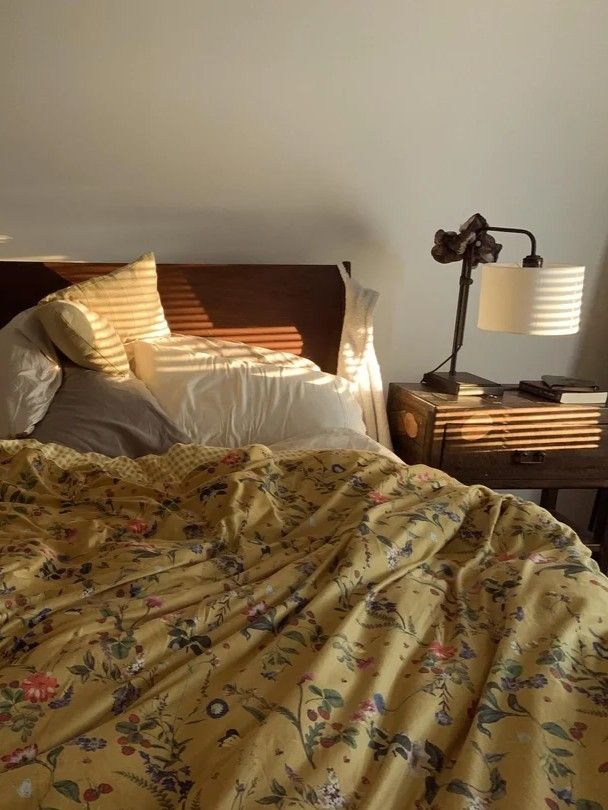
If I were standing in your bedroom with you right now, this is probably the first color I’d point to. East-facing rooms get that gorgeous soft morning light—but later in the day, it can shift cooler and a little flat. That’s where warm white earns its keep.

A warm white keeps the room from feeling chilly or gray once the sun moves on. You want something with creamy, ivory, or slightly beige undertones—nothing stark or blue-based. Think cozy white tee, not crisp printer paper. Those subtle warm undertones catch the morning glow beautifully and still feel calm and inviting in the afternoon.
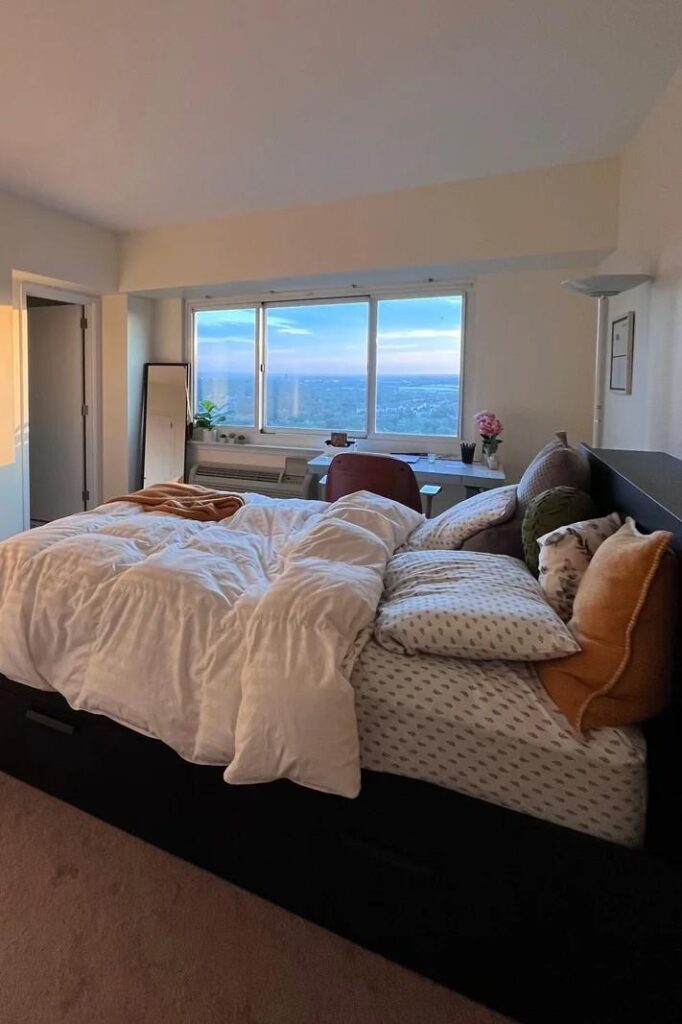
This color is especially perfect if you love a minimal, airy vibe. It lets textures do the talking—linen sheets, soft throws, light wood furniture—without the walls stealing attention. It also makes small bedrooms feel bigger and brighter without feeling sterile. Basically: clean, calm, and quietly luxurious.
2. Light Greige

If warm white feels too safe for you, light greige is like its cooler, slightly moodier cousin—but still very friendly. Greige (that perfect mix of gray and beige) is amazing in east-facing bedrooms because it balances the warm morning light and the cooler afternoon tones without swinging too far either way.

In the morning, greige softens the sunlight so it feels gentle and glowy. Later in the day, it keeps the room from going icy or dull. It’s one of those colors that just… behaves. No drama. Always looks put together.
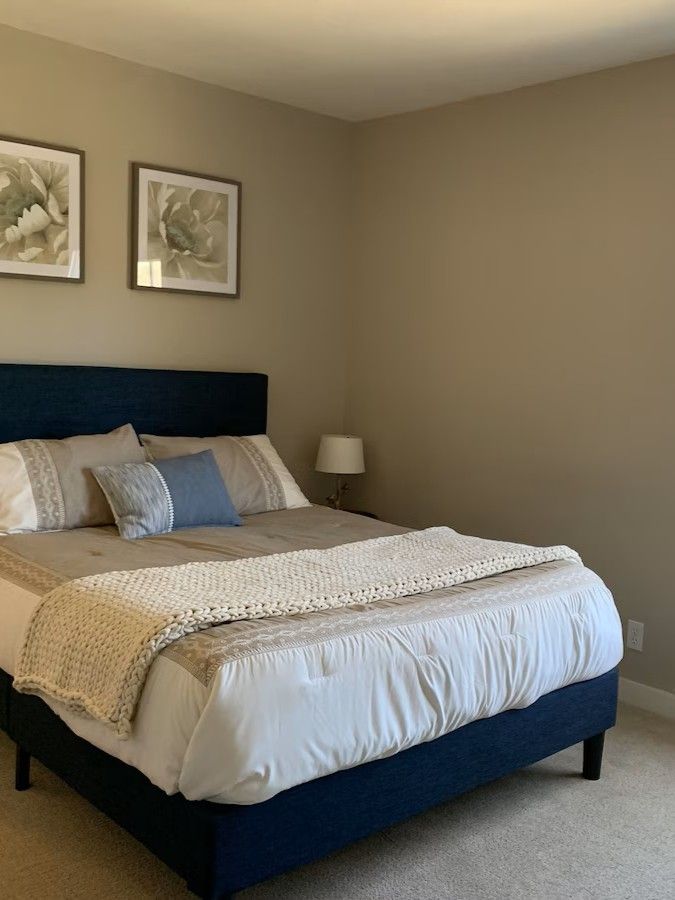
What I really love about greige is how cozy it feels without being dark. It pairs beautifully with wood tones (especially oak or walnut), woven textures, and layered bedding—think chunky knits, quilted duvets, or linen pillows. If you want your bedroom to feel calm, grounded, and a little elevated, greige is a very safe bet that still feels intentional and styled.
3. Muted Sage Green

Okay, if you want a bedroom that instantly feels calm the second you walk in, muted sage is such a good move—especially in an east-facing room. That soft morning light makes sage look fresh and slightly warm, not flat or muddy. It almost glows without trying.

What I love about sage in this kind of light is that it stays interesting throughout the day. In the morning, it feels airy and natural; later on, it deepens just enough to stay cozy without going dark or dull. As long as you stick with a muted, gray-leaning sage (not anything too minty or too saturated), it’ll always feel relaxed and balanced.

This color is perfect if your style leans nature-inspired or effortlessly undone. It plays beautifully with rattan, light woods, linen bedding, and soft white accents. Add a plant or two and suddenly your bedroom feels like a calm little retreat instead of just a place you sleep.
4. Soft Blush or Warm Pink

Don’t panic—this is not Barbie pink. In an east-facing bedroom, soft blush or warm pink can be surprisingly chic and soothing. Morning sunlight brings out the warmth in blush tones, making the room feel soft and flattering rather than sugary.

The key here is choosing a muted, dusty, or beige-leaning pink. Think barely-there warmth, not bubblegum. These toned-down versions feel very grown-up and almost act like a neutral—especially once the light cools later in the day. Instead of feeling loud, they quietly warm up the space.
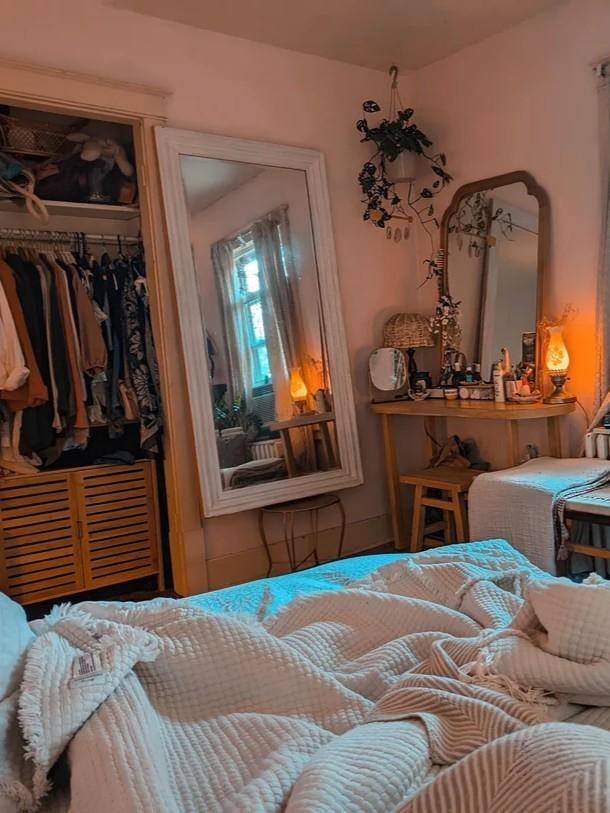
Blush is amazing if you want to add softness without overwhelming the room. It works beautifully with warm whites, light woods, brass accents, and creamy bedding. The end result feels cozy, welcoming, and just a little romantic—without trying too hard or stealing the spotlight.
5. Pale Blue with a Warm Undertone

I love a blue bedroom—but I’ll be honest, not all blues behave well in east-facing rooms. Because your best light happens early in the day, cooler or icy blues can look pretty in the morning and then turn flat, gray, or a little sad by afternoon. That’s why undertone matters so much here.
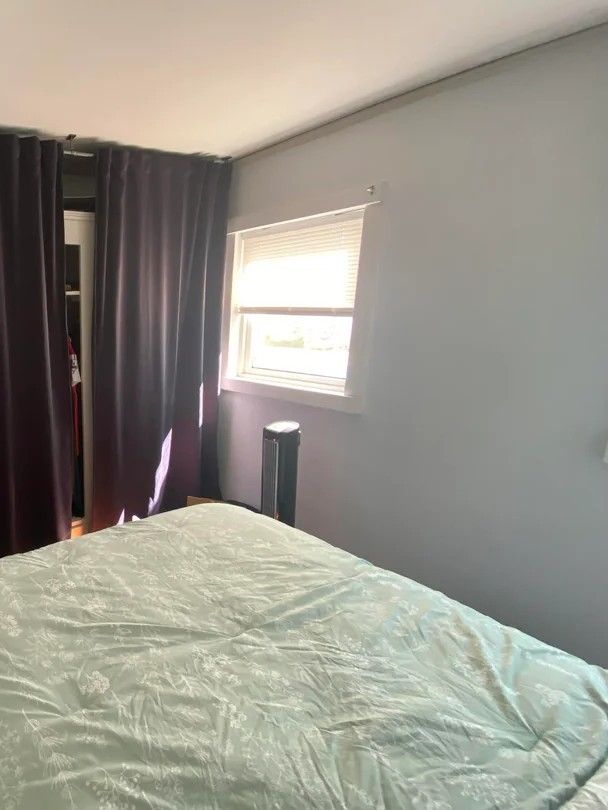
What you want is a pale blue with a warm or slightly gray base. Think soft sky blue with a hint of warmth, not crisp coastal blue. These warmer blues stay balanced as the light shifts—they don’t go icy when the sun moves away, and they still feel fresh in the morning.

This is such a great choice if your main goal is sleep and serenity. Warm-leaning blues lower the energy of the room without feeling cold or distant. Pair it with white or cream bedding, natural wood, and maybe a touch of linen or wool, and you’ve got a bedroom that feels calm, breathable, and very “exhale and relax.”
Paint Colors to Be Careful With in East-Facing Bedrooms

Now for the gentle warnings—because east-facing light is beautiful, but it can be a little unforgiving if the color isn’t right.
Stark whites are the big one. Super crisp, bright whites look amazing in the morning and then slowly turn gray or dingy as the day goes on. If a white has no warmth in it, it’ll reflect that cooler afternoon light in the worst way.
Cool blues and purples are another tricky category. Without warm undertones, they can feel flat or lifeless once the sunlight fades. Instead of cozy, the room starts to feel chilly—even if the color looked great on a sample card.
And finally, overly dark shades. Deep colors can be gorgeous, but in an east-facing bedroom they tend to eat up that precious morning light. Since you don’t get strong sun all day, dark walls can make the space feel heavy or shadowy unless the room is very large and well-lit.
How to Test Paint Colors in an East-Facing Bedroom
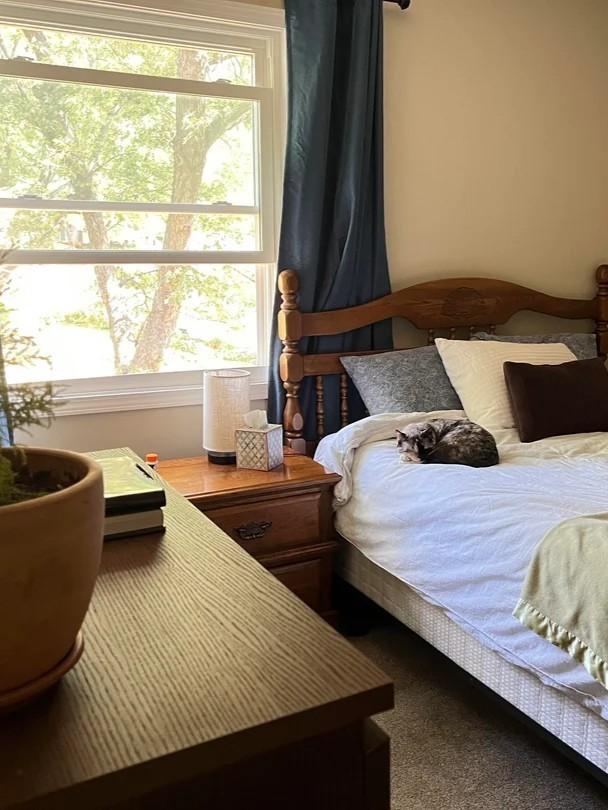
This is where a lot of people rush—and honestly, this step makes all the difference. When you’re testing paint in an east-facing bedroom, where and when you test matters more than how pretty the color looks on a sample card.
Start with the wall that gets the most morning light—usually the wall across from or next to the window. That’s where you’ll see the truest version of the color early in the day. Then, if you can, test the same color on a second wall that gets less light. East-facing rooms change a lot as the day goes on, so you want to see how the paint behaves in both bright and shaded spots.
And please, don’t judge the color at just one time of day. Morning vs afternoon is crucial here. In the morning, everything looks warmer and softer; by afternoon, the light cools down and shows the paint’s real undertones. If you still like the color at 3 or 4 p.m., that’s a very good sign. If it suddenly looks gray, cold, or muddy—that color probably isn’t the one.
One more thing people forget: your furniture and finishes matter. Wood floors add warmth. White bedding can make a color look cooler. Dark furniture can deepen it. Even your rug plays a role. Always test paint with your actual bedroom setup in place—it’s the only way to see how the color will really live in your space.
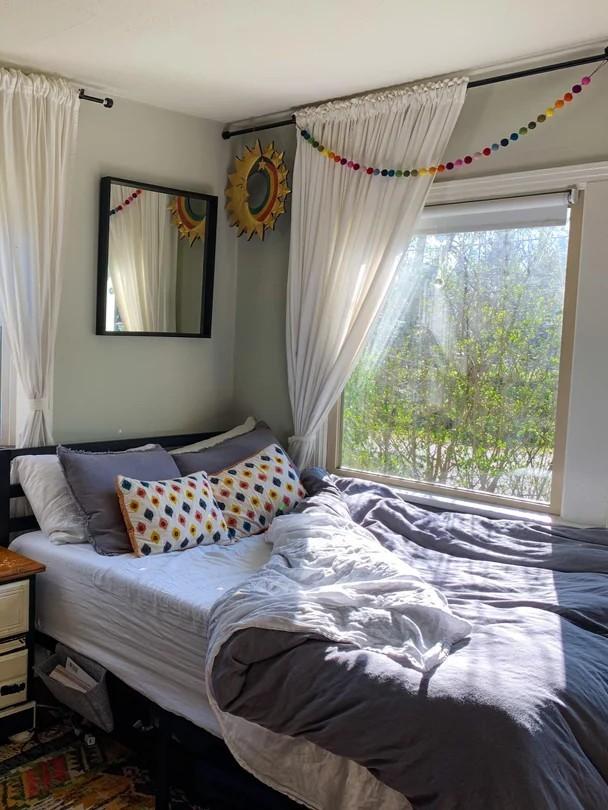
If there’s one takeaway here, it’s this: east-facing bedrooms thrive on balance. A little warmth, a little softness, and the right undertones will always beat a trendy or bold choice. You don’t need the brightest color—you need the one that works with your light.
Try to trust the room more than the swatch. Paint chips are helpful, but your walls, your light, and your lifestyle matter way more. Let the morning sun show you what feels good, and let the afternoon light confirm it.
At the end of the day, the best paint color isn’t the “perfect” one—it’s the one that feels calm, comfortable, and right when you wake up in that soft morning light. If your bedroom makes you want to linger a little longer in bed, you nailed it.
Read Also: